As an Amazon Associate, I earn from qualifying purchases made through links on this site.
Finding the best bird watching spotting scopes can turn a distant blur into a bright, clear view of wild birds. Spotting scopes give you extra zoom that binoculars simply cannot match, letting you spot fine feather markings from hundreds of yards away. Whether you love watching ducks across a wide lake or songbirds high in a tree, picking the right optic will make every field trip far more rewarding.
Quick Product Comparison
Our Top 5 Best Bird Watching Spotting Scopes Reviews – Expert Tested & Recommended
1. SVBONY SV28 25-75×70 Angled Spotting Scope

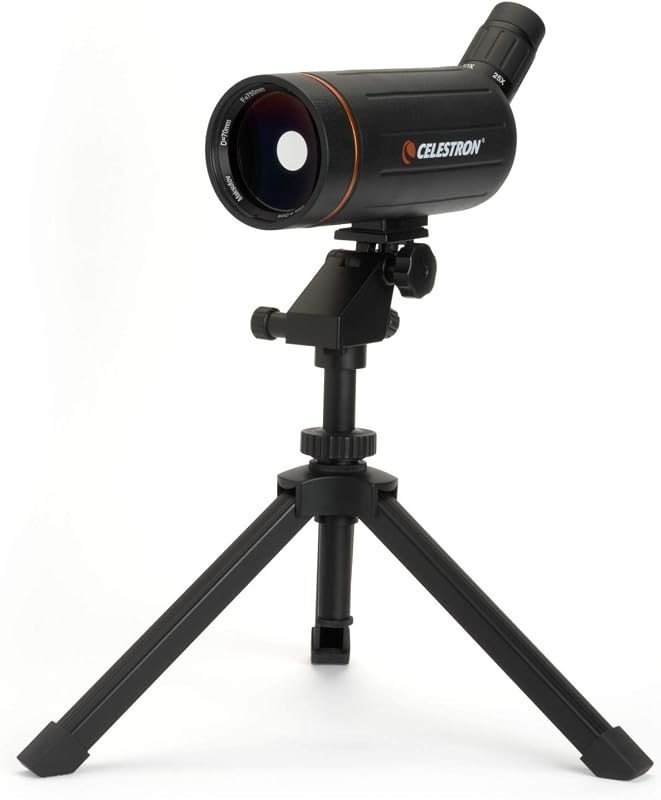
The SVBONY SV28 is a simple, lightweight optic that delivers clear outdoor views. Its 70mm lens and smooth zoom make finding birds fast and fun. It also packs down small for easy trips in the car or on hikes.
Key Features That Stand Out
- ✓ Smooth 25-75x zoom that is easy to adjust for birds and open scenery
- ✓ Large 70mm objective lens that gathers plenty of light for a bright view
- ✓ Extendable sunshade built onto the barrel to cut down on harsh glare
- ✓ Seamless non-slip waterproof housing that stays safe in wet weather
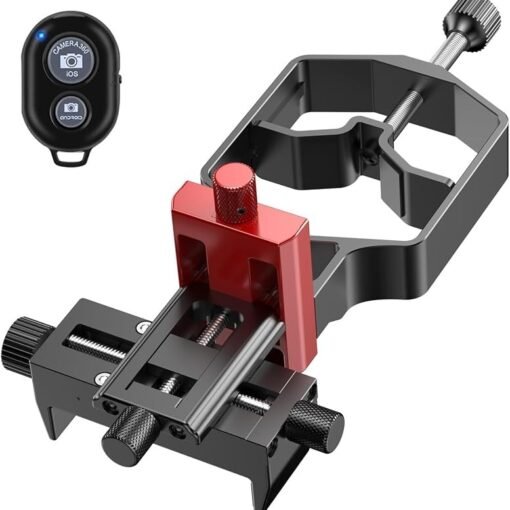
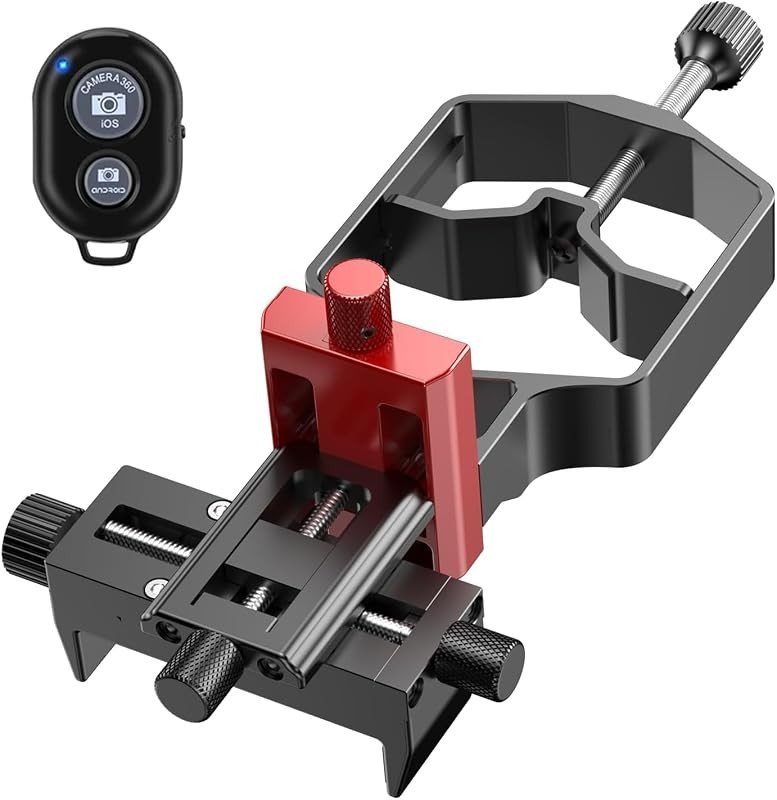
- ✓ Includes a portable desktop tripod along with a handy phone adapter
Why We Recommend It
We like this optic because it is simple to set up and very light to carry. The non-slip finish feels safe in damp hands during early morning walks. It offers a solid mix of high zoom power and easy handling for nature lovers.
Best For
This model is ideal for beginners and casual bird watchers who want an easy, portable kit for field trips or family camping.
Pros and Cons
Pros:
- Lightweight body is easy to pack and carry outdoors
- Built-in sunshade stops annoying light glare
- Comes with both a phone adapter and a small desktop tripod
- Waterproof design handles sudden outdoor weather shifts
Cons:
- 70mm lens gathers less light than larger 100mm lenses
- Desktop tripod is built strictly for flat table use
2. HD 20-60×80 Dual Focus Spotting Scope

This 80mm spotting scope delivers crisp views thanks to premium BAK4 glass and multi-coated optics. The dual focus knobs help you dial in fine feather details in seconds. It stays fog-free in damp wetlands and cold mountain air.
Key Features That Stand Out
- ✓ Dual focus system for fast tracking and very precise sharpness tuning
- ✓ BAK4 prism with Full Broadband Multi-Coating for bright, distortion-free images
- ✓ Nitrogen-purged body with rubber armor for true waterproof and fogproof durability
- ✓ Detachable standard 1.25 inch eyepiece with smooth twist eyecups
- ✓ Ergonomic 45-degree angle reduces neck strain when sitting or standing
Why We Recommend It
The dual focus wheels make sharpening distant targets very smooth and fast. Its nitrogen seals keep the glass clear in thick morning mist near lakes or rivers. It also offers great eye comfort whether you wear glasses or not.
Best For
Great for bird watchers who spend hours tracking wildlife across wetlands or hillsides and need fine focus control.
Pros and Cons
Pros:
- Dual focus knobs allow micro-adjustments for tiny details
- Detachable 1.25 inch eyepiece interface adds flexibility
- Nitrogen-purged body prevents internal fog in wet climates
- Twist eyecups work well with or without eyeglasses
Cons:
- Heavier to carry around than compact 70mm scopes
- Top 60x zoom is lower than 75x models
3. High Power 25-75×100 Spotting Scope
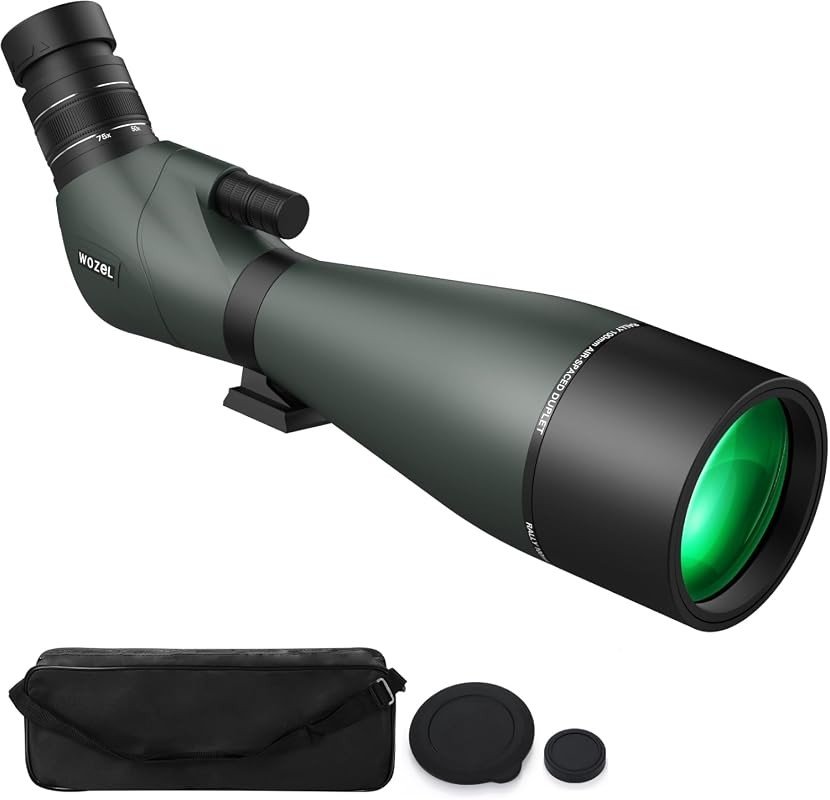
This big scope pairs a massive 100mm objective lens with strong 25x to 75x zoom. The large front glass pulls in deep light, making it simple to watch birds at dawn or dusk. A textured leather-style body adds style and grip.
Key Features That Stand Out
- ✓ Extra-large 100mm green film lens for top light gathering at low light
- ✓ Strong 25-75x zoom range with an angled 45-degree eyepiece design
- ✓ BAK4 Porro prism system delivers sharp contrast across the whole view
- ✓ Weatherproof body with O-ring seals to lock out water, dust, and grit
- ✓ Retractable sun visor built into the barrel to protect from direct sun
Why We Recommend It
The giant 100mm front lens gives you bright images when the sun is low. It uses high-grade BAK4 glass to keep colors clean and vivid right to the edges. It is a sturdy tool that offers high magnification for a great price.
Best For
Best for observers who want huge light collection and high zoom for long distances without spending a fortune.
Pros and Cons
Pros:
- Large 100mm lens gathers huge amounts of light
- Powerful zoom reaches up to 75x magnification
- BAK4 prisms reduce internal light scatter
- O-ring seals protect against moisture and grit
Cons:
- Large barrel requires a very sturdy support base
- Bigger body adds bulk to your travel pack
4. Celestron Ultima 22-66×100 Spotting Scope

The Celestron Ultima 100 is built for serious long-range nature viewing. Its large 100mm multi-coated glass pulls in plenty of light during dim early mornings. An integrated T-adapter on the eyepiece also makes digiscoping easy.
Key Features That Stand Out
- ✓ Wide 100mm objective lens gathers maximum light for dim hours
- ✓ Versatile 22-66x zoom range for rapid spotting and close inspection
- ✓ Multi-coated optics improve natural color, image contrast, and brightness
- ✓ Large smooth focus dial brings distant flying birds into quick focus
- ✓ Includes soft case, extended tripod mount plate, and built-in T-adapter
Why We Recommend It
This scope comes from a trusted optics brand with decades of experience. The built-in T-adapter is a huge plus if you want to attach camera gear for bird photography. Its big glass handles low ambient light very well.
Best For
Ideal for birders who want proven long-range optics and an easy way to take photos through the lens.
Pros and Cons
Pros:
- 100mm front glass delivers bright views at dawn and dusk
- Built-in T-adapter makes camera hookup straightforward
- Extended mounting plate helps balance the scope nicely
- Backed by a limited lifetime warranty from Celestron
Cons:
- Large frame makes it heavy for long foot hikes
- Maximum zoom stops at 66x magnification
5. Flagship 20-60×80 Spotting Scope

The Flagship 20-60×80 spotting scope gives birders a complete outdoor viewing package. It features an 80mm fully multi-coated lens and a rugged rubber-armored shell. With its full-metal tabletop tripod, you get steady views right out of the box.
Key Features That Stand Out
- ✓ Variable 20x to 60x zoom with smooth dynamic lens focusing
- ✓ 80mm green film lens paired with a quality BAK4 Porro prism
- ✓ Nitrogen-filled, sealed body offers complete waterproof and fog-proof safety
- ✓ Shock-resistant rubber armor and stretchable eyepiece shield for lens safety
- ✓ Includes full-metal tabletop tripod, smartphone adapter, and carry case
Why We Recommend It
This optic provides a great balance of size and optical power. The rubber armor feels durable and protects the internal glass from light bumps. Having a sturdy metal tripod and phone mount included makes sharing sightings quick and simple.
Best For
A great choice for backyard birders and field observers who want a tough, all-in-one kit ready for action.
Pros and Cons
Pros:
- Durable rubber armor absorbs minor trail impacts
- Solid metal tabletop tripod provides steady support
- Nitrogen gas filling prevents internal fogging in rain
- Includes phone adapter for easy photo capture
Cons:
- Zoom caps out at 60x magnification
- Tabletop tripod is too short for standing in fields
Best Bird Watching Spotting Scopes Reddit
Searching for ‘best bird watching spotting scopes reddit’? Here is a quick comparison of our top picks. The #1 SVBONY SV28 uses a 70mm lens with non-slip finish, making it very light for quick walks. The #2 HD 20-60×80 Scope upgrades to nitrogen-purged armor and dual focus for wet conditions, while the #3 High Power 25-75×100 provides a huge 100mm lens with leather exterior for low light.
Quick Buying Guide for Best Bird Watching Spotting Scopes
🏆 Best overall: #1 SVBONY SV28 25-75×70
💰 Best budget: #3 High Power 25-75×100
🎯 Best for wetland tracking: #2 HD 20-60×80 Dual Focus
Which One Should You Pick?
| If you are… | Pick |
|---|---|
| A beginner needing an easy travel kit | #1 SVBONY SV28 25-75×70 |
| Observing in damp, foggy weather | #2 HD 20-60×80 Dual Focus |
| Seeking maximum lens size on budget | #3 High Power 25-75×100 |
| Planning to attach camera gear | #4 Celestron Ultima 22-66×100 |
Quick Spec Comparison
| Product | Objective Lens | Zoom Range | Prism Type | Fogproof Protection |
|---|---|---|---|---|
| #1 SVBONY SV28 | 70mm | 25-75x | N/A | N/A |
| #2 HD Dual Focus | 80mm | 20-60x | BAK4 | Nitrogen purged |
| #3 High Power 100 | 100mm | 25-75x | BAK4 Porro | O-ring sealed |
| #4 Celestron Ultima | 100mm | 22-66x | N/A | N/A |
| #5 Flagship 80 | 80mm | 20-60x | BAK4 Porro | Nitrogen filled |
What to Look For
- Light gathering: #3 High Power 100 and #4 Celestron Ultima lead, #1 SVBONY SV28 lags.
- Maximum zoom reach: #1 SVBONY SV28 and #3 High Power 100 lead, #2 HD Dual Focus lags.
- Focusing speed: #2 HD Dual Focus leads with dual knobs, #1 SVBONY SV28 lags.
- Weather sealing: #2 HD Dual Focus and #5 Flagship 80 lead, #1 SVBONY SV28 lags.
Before You Buy
- ✓ Check if the optic includes a desktop tripod for quick mounting.
- ✓ Confirm the lens size fits your preferred carrying bag.
- ✓ Look for nitrogen purging if observing near damp lakes.
- ✓ Verify phone adapter compatibility if you enjoy taking pictures.
- ✓ Decide between 60x and 75x top-end magnification power.
- ✓ Pick an angled eyepiece design for comfortable seated viewing.
Frequently Asked Questions
Q: What magnification is best for bird watching spotting scopes?
A: A zoom range between 20x and 60x or 25x and 75x works best. Lower powers help you locate moving birds, while higher zooms reveal feather patterns.
Q: Why is objective lens size important on a spotting scope?
A: The objective lens diameter controls light transmission. An 80mm or 100mm lens delivers brighter images in dim dawn or dusk conditions than smaller glass.
Q: What is the benefit of an angled eyepiece?
A: A 45-degree angled eyepiece lets you view birds comfortably from sitting or standing positions. It also makes sharing the scope with friends of different heights easier.
Q: Do I need a tripod for my spotting scope?
A: Yes, high magnification magnifies small hand shakes. A steady tabletop or full-sized tripod is necessary to keep your view clear and sharp.
Choosing one of the best bird watching spotting scopes brings nature up close with stunning clarity and rich color. Whether you need a compact model like the SVBONY SV28 for casual trips or an 80mm dual-focus powerhouse, there is a perfect match for your needs. Check out our top picks today and enjoy your next birding adventure with crystal-clear optics!