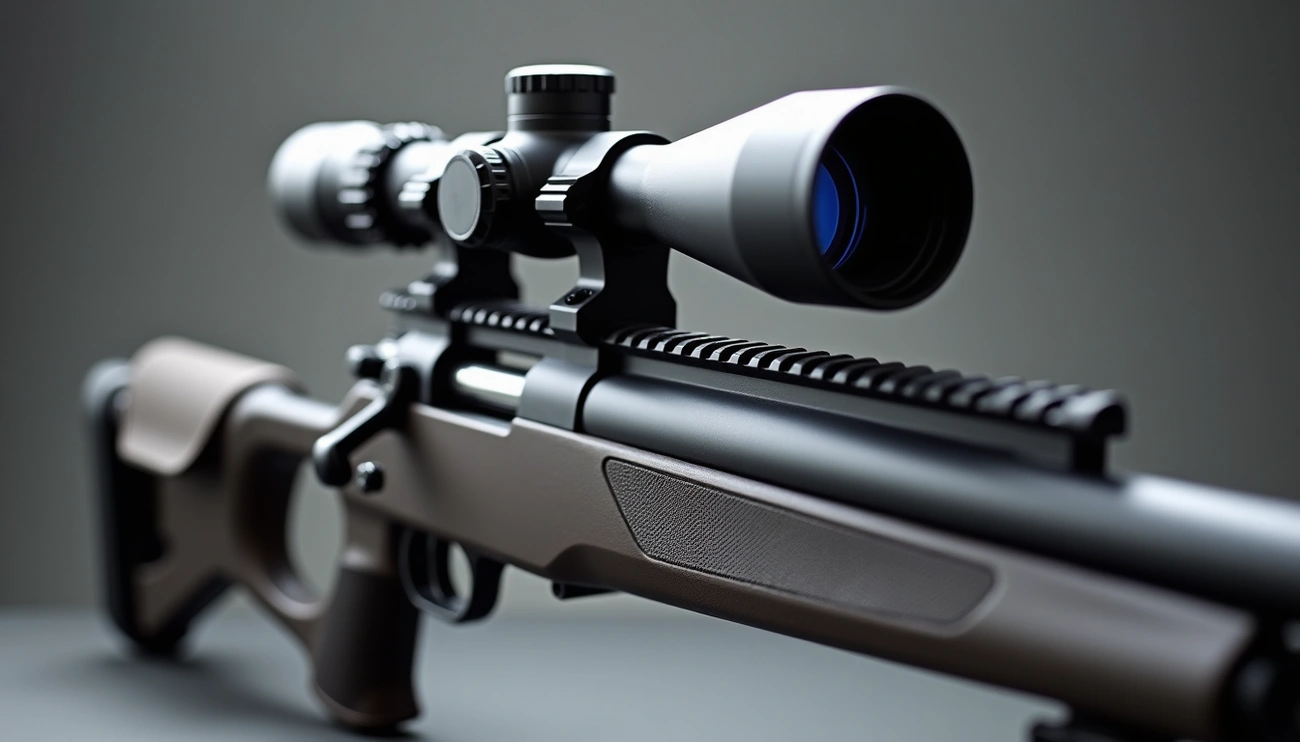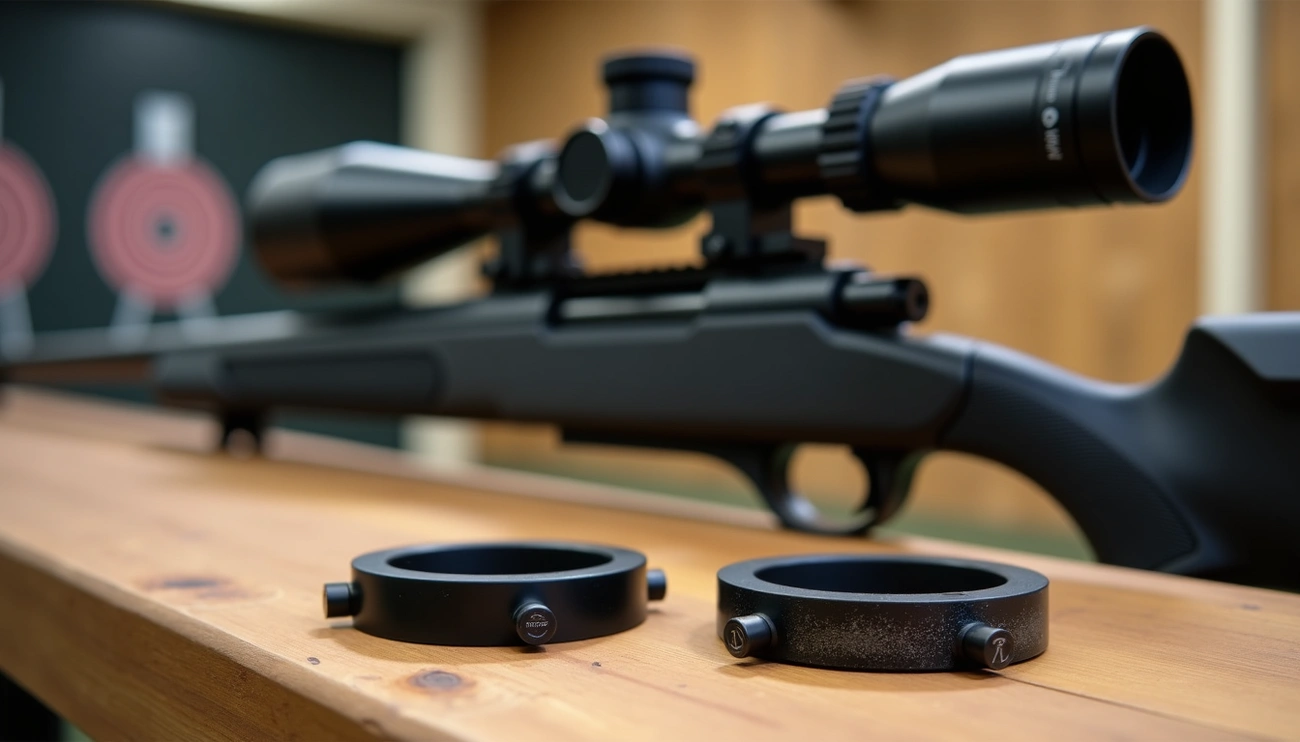
Air rifles are hard on scopes because spring-piston air rifles generate a violent double-recoil. The rifle first recoils backward, then snaps sharply forward when the piston slams home. This bidirectional shock stresses scope internals designed for one-directional firearm recoil, often causing reticle, lens, or mount failure.
Why air rifles are tough on scopes
Air rifles generate a unique type of recoil that most conventional optics simply aren’t built to withstand. Understanding these forces helps explain why air rifles are so hard on scopes and why special considerations are necessary.
Increased power and recoil in modern airguns
Modern airguns have evolved dramatically in power and performance. Spring-piston and gas-ram airguns create a distinctive “double recoil” that puts tremendous stress on optical components. Unlike firearms with their single backward jolt, airguns produce a bi-directional force – first forward as the piston moves, then backward as it completes its cycle. This violent two-way kick subjects scopes to acceleration forces measured in hundreds of g’s.
Additionally, the physics principle at work is Newton’s Third Law – for every action, there’s an equal and opposite reaction. As airgun power increases, so does the recoil force, creating a more challenging environment for any mounted optics.
Why spring piston and PCP rifles behave differently
Spring-piston and pre-charged pneumatic (PCP) rifles affect scopes in dramatically different ways:
- Spring/Gas-Piston Models: These generate that harsh, bi-directional “double recoil” that quickly rattles apart scopes that would last indefinitely on conventional firearms. The forward impulse comes from the piston movement, followed by a backward push as the spring relaxes.
- PCP Rifles: These operate with almost no recoil, making them gentler on scopes. Their recoil characteristics are similar to firearms of equivalent energy, but generally less powerful.
The problem with traditional scope designs
Conventional rifle scopes weren’t designed for the unique recoil pattern airguns produce. This becomes especially problematic with variable-power scopes, which contain movable lenses that can shift under severe recoil impacts. Furthermore, the lower the recoil weight of the rifle, the higher the g-forces the scope experiences – up to 480 g’s in some cases.
Traditional scope designs often suffer from several issues when mounted on spring airguns:
- Reticle movement or breakage
- Turret “walking” or unintentional adjustment
- Internal component damage
- Loss of zero after repeated shots
Consequently, shooters need optics specifically built for these conditions – with features like etched glass reticles instead of fragile wire or fiber optics, and turret locks or zero stops to prevent recoil-induced adjustments.
Why bore sighting doesn’t work for airguns
Traditional bore sighting methods that work perfectly for firearms often fail miserably with airguns. Many shooters waste countless hours trying to zero their pellet gun scopes using conventional techniques, eventually giving up in frustration. Understanding these limitations can save you significant time and headaches.
Shrouded barrels and their limitations
Bore sighting becomes virtually impossible with modern airguns due to their unique barrel designs. Most contemporary air rifles feature shrouded barrels—protective sleeves that surround the actual barrel to reduce noise and increase accuracy. These shrouds create a physical barrier that prevents direct line-of-sight through the barrel.
The problem compounds with baffled suppressors inside these shrouds. These sound-dampening chambers make it physically impossible to view through the barrel from breech to muzzle. Even with removable end caps, the internal baffles block any straight-line visual path needed for traditional bore sighting.
Beyond the physical barriers, even visible-laser bore sighters face challenges with airguns. These devices rely on a consistent barrel diameter throughout, yet many airguns have:
- Choked muzzles that narrow at the end
- Transfer ports that create irregular internal dimensions
- Rifling that varies significantly from firearm standards
Why airgun scopes need a different approach
Airguns require completely different zeroing techniques because of their fundamental operating principles. Unlike firearms, where powder ignition creates predictable trajectories, airgun pellets follow more complex paths affected by their diabolo shape and lower velocities.
Moreover, the scope height above bore is typically much greater on airguns than firearms, creating a more pronounced offset between the aiming line and pellet trajectory. This larger separation means the pellet crosses the sight line twice—once rising and once falling—making traditional single-distance zeroing methods inadequate.
Additionally, the extreme recoil characteristics we discussed earlier necessitate a “set and forget” approach to scope mounting. This means getting your initial zero right is even more crucial since frequent adjustments can worsen scope damage on spring-piston models.
Rather than bore sighting, successful airgun scope setup requires methodical shooting-based adjustments starting at close range and gradually moving to your desired zero distance.
How to fix scope on air rifle: step-by-step
Setting up a precise scope on an air rifle requires a different approach than with firearms. As someone who’s fixed countless airgun scopes, I’ve developed a foolproof method that addresses the unique challenges these powerful guns present.
Centering the scope’s turrets
First, start with a properly centered scope. To do this, rotate the elevation turret fully counter-clockwise until it stops. Next, rotate it clockwise until it reaches the opposite extreme, counting the total revolutions. Then turn it counter-clockwise half that number of rotations. Repeat this process with the windage turret. This places the scope at its mechanical center—essential for maximum adjustment range and preventing “running out” of adjustment travel later.
Testing on a low power airgun first
Before mounting your scope on a hard-recoiling air rifle, test it on a low-power model at close range (10 yards). This step allows you to confirm basic alignment without subjecting the optic to harsh recoil initially. During this test, focus primarily on getting the windage (left/right) adjustments dialed in.
Adjusting windage before elevation
Always adjust windage first, then elevation. This sequence matters because horizontal alignment is typically less affected by distance. Each click on most scope turrets moves your point of impact about ¼-inch at 100 yards, meaning 1/8-inch at 50 yards and 1/16-inch at 25 yards. Don’t chase individual shots—instead, fire 3-5 shot groups and adjust based on the group’s center.
Using target splashes to guide elevation
At longer ranges, watch where your pellets impact the backstop. These “splashes” provide visual feedback about whether you’re shooting high or low. Initially, simply getting on paper is the goal. Once you’re hitting the target, you can make more precise adjustments.
Final zeroing at higher magnification
For ultimate precision, complete your zeroing process using higher magnification. This allows you to see your target more clearly and make finer adjustments. Most experts recommend zeroing at 16-18 yards for backyard airguns, as this distance provides an optimal trajectory that minimizes the pellet’s arc at typical shooting distances.
Tips to prevent future scope issues
Maintaining your airgun scope’s performance requires ongoing attention after initial setup. These preventative measures will save you frustration and money.
Use airgun-rated scopes only
Spring-piston and gas ram airguns absolutely require specialized airgun-rated scopes thanks to their unique whiplash recoil characteristics. Alternatively, PCP, pump-up, and CO2 powered airguns can use conventional scopes without issues. Standard rifle scopes simply aren’t built for the bi-directional forces we discussed earlier.
Avoid over-tightening scope rings
One of the most common mistakes is cranking down ring screws too hard. Over-torquing damages both exterior and interior components, permanently “crimping” the tube and restricting internal mechanisms. Follow these torque specifications:
- Ring top screws: 15-18 inch-pounds
- Side clamping screws: 23-25 inch-pounds
Importantly, never use thread-locking compounds as they act as lubricants and cause inadvertent over-tightening.
Check for scope creep regularly
Scope creep—where the scope slowly shifts backwards with each shot—plagues many airgun setups. Prior to mounting, thoroughly clean all rails and grooves with alcohol. Even brand-new rifles often have factory oils or contaminants that prevent secure mounting. Regular inspection after shooting sessions helps catch and address creep before it affects accuracy.
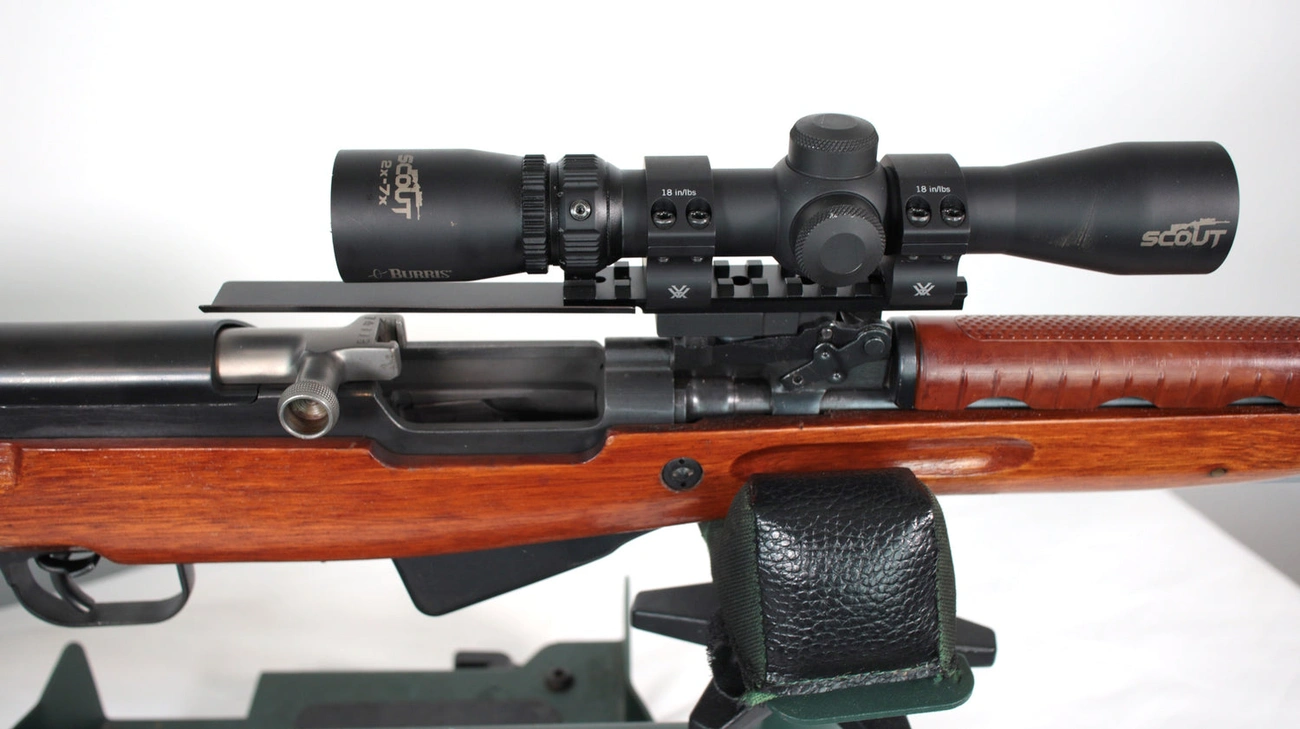
Use quality mounts and rings
For spring-piston models, choose mounts with recoil arrestor pins that physically prevent backward movement. Match hardware correctly by confirming rail type (dovetail vs. Picatinny), scope tube diameter (typically 1-inch or 30mm), and appropriate height. Consider adjustable or “drooper” mounts for airguns with inherent barrel droop.
Conclusion
Air rifles certainly present unique challenges when it comes to optics. Throughout this article, we’ve seen how their distinctive recoil patterns—especially that harsh bi-directional “double recoil” in spring-piston models—can quickly destroy scopes that would last indefinitely on conventional firearms. The dramatic power evolution of modern airguns has consequently increased these destructive forces.
Understanding the fundamental differences between spring-piston and PCP rifles proves essential for proper scope selection and mounting. While PCPs offer gentler, more firearm-like recoil characteristics, spring-piston airguns demand specialized equipment and techniques.
Most importantly, you now have a clear roadmap for success. Start with proper scope centering, test on low-power platforms first, and follow the methodical zeroing process rather than relying on ineffective bore-sighting methods. Additionally, always prioritize airgun-rated scopes for spring-piston rifles, avoid over-tightening rings, and regularly check for scope creep.