Hunting turkeys with a rifle offers unique challenges and rewards, demanding extreme precision for ethical kills. Understanding turkey anatomy and shot placement is absolutely critical when deciding where to shoot a turkey with a rifle. The most effective shots typically target the brain/spinal cord in the head/neck for immediate incapacitation, or the heart/lungs for a swift, humane harvest. Practice and responsible ammunition choices are paramount for success.
Where to Shoot a Turkey with a Rifle
Calling in a wary tom and making the shot is one of hunting’s great thrills. While shotguns are traditionally the weapon of choice for turkey hunting, more and more hunters are turning to rifles, especially in areas where regulations permit their use and longer shots are common. Using a rifle introduces a different set of considerations, particularly when it comes to shot placement. It’s not just about hitting the bird; it’s about knowing precisely where to shoot a turkey with a rifle for the quickest, most humane kill possible.
This isn’t just a technical discussion; it’s about ethical hunting. Turkeys are tough birds, and a poorly placed shot can lead to a wounded animal and a lost trophy, not to mention unnecessary suffering. When you choose to hunt with a rifle, you’re opting for precision. This means you need a deep understanding of turkey anatomy, the capabilities of your chosen firearm, and a commitment to meticulous practice. Let’s dive into the specifics of exactly where to shoot a turkey with a rifle to ensure a successful and ethical hunt.
Key Takeaways
- Rifle vs. Shotgun: Using a rifle for turkey hunting demands greater precision than a shotgun due to the smaller, more concentrated killing zones. Always check local regulations first.
- Prioritize Ethical Kills: The primary goal is a quick, humane harvest. This hinges entirely on understanding turkey anatomy and executing precise shot placement.
- Head and Neck Shots: Often considered the cleanest kill for a rifle, targeting the brain or upper spinal cord ensures immediate incapacitation and preserves meat. This requires pinpoint accuracy due to the small target.
- Body Shots (Heart/Lungs): If a head/neck shot isn’t feasible, aiming for the heart and lung cavity (typically low and forward in the “turkey vest” area) provides a viable alternative for a humane kill.
- Ammunition and Caliber: Choose a low-recoil, accurate caliber with bullets designed for minimal expansion or controlled expansion to prevent excessive meat damage, especially for head/neck shots.
- Practice Makes Perfect: Consistent range practice from various positions and distances is non-negotiable to ensure you can confidently hit the small target areas on a turkey.
- Angles Matter: Be prepared to adjust your aim based on the turkey’s orientation (broadside, facing away, quartering) to effectively hit vital organs.
Quick Answers to Common Questions
Is it legal to hunt turkeys with a rifle in most states?
No, it’s not legal in most states. Many states restrict turkey hunting to shotguns, archery, or specific air rifles. Always check your local and state regulations before heading afield with a rifle.
What is the most ethical shot placement for a turkey with a rifle?
The most ethical shot placement for a turkey with a rifle is typically the head or upper neck, targeting the brain or upper spinal cord, as this usually results in immediate incapacitation and minimal suffering.
What caliber rifle is best for turkey hunting?
Smaller, accurate calibers like .17 HMR, .22 WMR, .223 Remington, or .204 Ruger are generally considered best for turkey hunting with a rifle due to their precision and reduced likelihood of excessive meat damage.
Can I use a rifle bullet designed for deer on a turkey?
While technically possible, it’s generally not recommended. Rifle bullets designed for deer often have too much energy and cause excessive expansion, leading to significant meat damage on a smaller turkey.
Should I take a body shot if a head shot isn’t possible?
Yes, if a head or neck shot isn’t feasible, a well-placed body shot targeting the heart and lungs is an acceptable alternative for a humane kill, provided you are confident in your ability to hit the vitals.
📑 Table of Contents
- The Rifle vs. Shotgun Debate: Why Choose a Rifle for Turkeys?
- Understanding Turkey Anatomy: The Key to Precision Shot Placement
- Head and Neck Shots: Precision is Paramount
- Body Shots: When and How to Execute
- Shot Placement from Different Angles
- Ammunition and Caliber Choices for Turkey Rifles
- Practice, Ethics, and Tracking
- Conclusion
The Rifle vs. Shotgun Debate: Why Choose a Rifle for Turkeys?
Before we talk about exactly where to shoot a turkey with a rifle, it’s worth understanding why someone might opt for a rifle over a traditional shotgun. Shotguns are popular because their spread of pellets creates a larger effective kill zone, particularly at closer ranges. However, rifles offer distinct advantages for certain situations, primarily precision and extended range, which can be crucial when dealing with extremely wary birds or open terrain.
Legality and Ethics First
First and foremost, always check your local and state hunting regulations. Many areas do not permit rifles for turkey hunting due to safety concerns or tradition. If rifles are legal, remember that with greater precision comes greater responsibility. You must be absolutely confident in your shot placement.
Advantages of a Rifle
When you use a rifle, you’re aiming for a single, small point of impact rather than a pattern. This can be advantageous when:
- Longer Shots: Rifles excel at greater distances than shotguns, allowing you to reach birds that stay just out of traditional shotgun range.
- Pinpoint Accuracy: For hunters who prioritize minimal meat damage, a rifle allows for precise head or neck shots that drop the bird instantly without ruining breast meat.
- Reduced Recoil (for smaller calibers): Some smaller caliber rifles have less recoil than heavy turkey shotgun loads, potentially leading to more comfortable shooting and better accuracy for some hunters.
Disadvantages and Challenges
However, using a rifle also comes with its own set of challenges:
- Smaller Kill Zone: The effective kill zone with a rifle is drastically smaller than a shotgun pattern, demanding perfect aim.
- Bullet Performance: A rifle bullet designed for deer can cause massive damage to a turkey’s body, destroying meat if not placed precisely.
- Safety Concerns: Rifles have a much greater range than shotguns, necessitating extreme caution regarding backstops and surroundings.
Understanding Turkey Anatomy: The Key to Precision Shot Placement
To know where to shoot a turkey with a rifle, you must first understand the bird’s anatomy. Turkeys are deceptively tough creatures, especially through their body and wings, which are dense with muscle and bone. Identifying the vital areas is paramount for a quick, humane kill.
The “Kill Zone” Defined
For rifle hunting, there are generally two primary “kill zones” to consider:
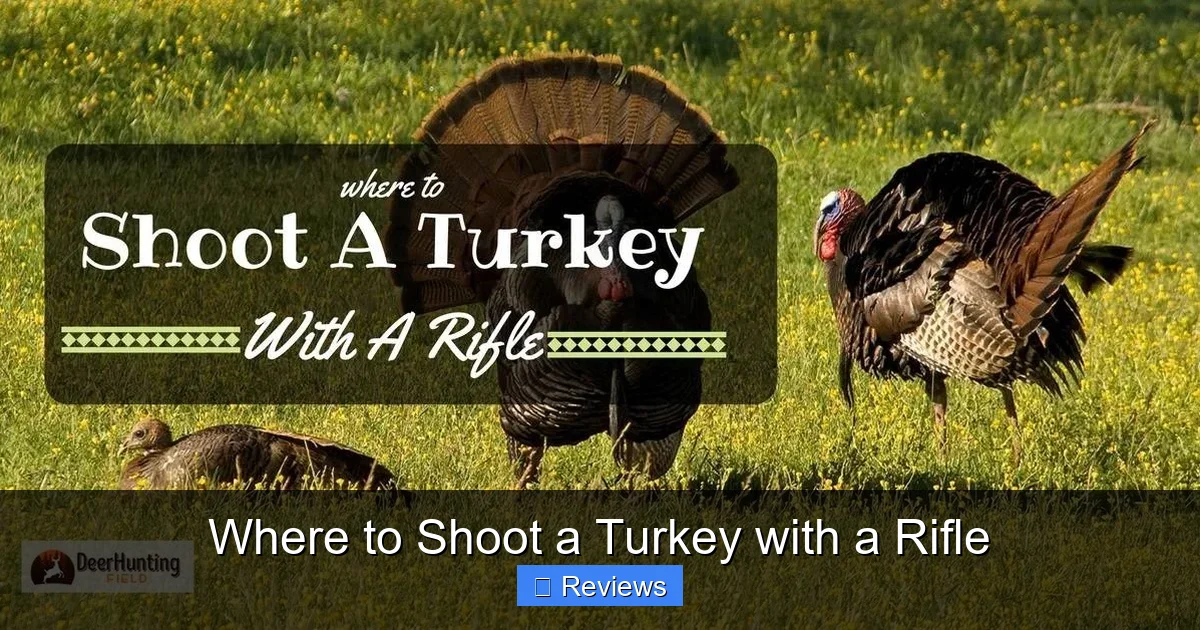
Visual guide about Where to Shoot a Turkey with a Rifle
Image source: i2.wp.com
- The Head and Upper Neck: This is often considered the ideal target for rifle hunters due to its small size but highly concentrated vital areas (brain, upper spinal cord). A hit here typically results in instantaneous incapacitation.
- The Body (Heart and Lungs): If a head or neck shot isn’t possible, the heart and lungs offer a larger, though still relatively small, target. This area is typically located low and forward in the bird’s breast cavity.
Skeletal Structure and Vitals
Turkeys have a surprisingly robust skeletal structure. Their breast bone (keel bone) is prominent and can deflect or absorb a bullet, especially if shot from the front. Their wings, when folded against the body, also add a layer of protection. Understanding where these bones are relative to the vitals helps in selecting the correct shot angle and aiming point. The brain is tiny, located just behind the eye. The spinal cord runs down the neck. The heart and lungs are nestled deep within the rib cage, protected by the keel bone and dense musculature.
Head and Neck Shots: Precision is Paramount
When considering where to shoot a turkey with a rifle, many experienced hunters will advocate for a head or upper neck shot. This approach offers significant advantages but demands extreme precision.
Targeting the Brain and Spinal Cord
A shot to the brain or upper cervical spine (the top part of the neck) will drop a turkey instantly. There’s no tracking, no suffering, and no damaged breast meat. This is the ultimate goal for ethical rifle hunting.
- Brain Shot: Aim for the small area just behind the eye. This target is tiny, often no bigger than a golf ball.
- Upper Spinal Cord Shot: Target the junction where the neck meets the head, or the very top portion of the neck. This severs the central nervous system, causing immediate paralysis and death.
The Small Target Challenge
The challenge with head and neck shots is the size of the target. A turkey’s head and neck are constantly moving, especially when the bird is strutting or feeding. This means you must wait for a perfect, stationary shot opportunity. If you are not 100% confident in your ability to hit this small, vital area, do not take the shot. Missing by even a fraction can result in a superficial wound, which is the exact opposite of an ethical kill.
Ammunition Considerations for Head Shots
For head and neck shots, you generally want a bullet that doesn’t over-expand. A bullet that simply punches through without significant expansion will usually do the job efficiently. Over-expanding bullets can still cause damage, but the primary mechanism of a head/neck shot is disruption of the central nervous system, not hydrostatic shock from massive tissue damage. Many hunters opt for small, fast calibers like a .17 HMR, .22 WMR, or .223 Remington with V-Max or similar controlled-expansion bullets, though some prefer basic full metal jacket (FMJ) for minimal tissue damage. Again, check local regulations regarding bullet types.
Body Shots: When and How to Execute
Sometimes, a head or neck shot just isn’t possible due to distance, angle, or the bird’s movement. In these situations, knowing where to shoot a turkey with a rifle in the body becomes a critical alternative. The goal here is to hit the heart and lungs, which will also result in a humane kill, though potentially not as instantaneous as a brain shot.
Aiming for the Heart and Lungs
The heart and lungs are located relatively low and forward in the turkey’s chest cavity, protected by the rib cage and the strong keel bone. You want to aim for the densest cluster of vitals.
- Broadside Shot: This is the ideal angle for a body shot. Aim roughly one-third of the way up the bird’s body, just behind the wing butt. This shot will pass through the heart and lungs.
- Avoid the Keel Bone: Try to avoid hitting the prominent keel bone head-on. If you have to shoot from the front, aim slightly to one side of the keel bone, targeting the lung cavity.
The “Turkey Vest” Area
Think of the area covered by a hunter’s “turkey vest.” This is often a good visual reference for the heart-lung zone. It’s roughly the size of a softball to a volleyball, depending on the turkey’s size and angle. While larger than the head, it still requires precision, especially with a rifle bullet designed for larger game.
Dealing with Feathers and Bone
Turkey feathers are surprisingly dense and can sometimes create an optical illusion, making the bird appear larger or distorting the true location of the body. Heavy wing bones can also deflect bullets if hit squarely. Aiming carefully through the feathers, focusing on the underlying anatomy, is key. Use a caliber and bullet type that will penetrate these obstacles to reach the vitals.
Shot Placement from Different Angles
A turkey rarely stands perfectly broadside, offering a textbook shot. Knowing where to shoot a turkey with a rifle from various angles is crucial for adapting to real-world hunting scenarios.
Broadside Shot
This is the most forgiving angle for a body shot. For a head/neck shot, aim for the base of the head where it meets the neck, or directly behind the eye. For a body shot, aim:
- Head/Neck: Base of the skull or top of the neck.
- Body: One-third of the way up from the bottom of the breast, just behind the wing butt.
Facing Away Shot
If the turkey is facing directly away from you, a body shot is generally not recommended due to the dense layers of muscle and bone in the hindquarters, making it difficult to reach vitals effectively without risking a non-lethal wound. However, an upward angling shot to the base of the skull or upper neck where it connects to the back could be effective if the bird presents a clear view. This is a very difficult shot and should only be attempted by highly skilled marksmen.
Facing Towards Shot
When the turkey is facing directly towards you, the prominent keel bone protects the heart and lungs. A head shot is still viable if the bird’s head is up and still. For a body shot, aim:
- Head/Neck: Base of the wattle, where the head meets the neck, or the top of the head for a brain shot.
- Body: Aim for the center of the bird’s chest, slightly to one side of the keel bone, visualizing the lungs behind it. This is a challenging shot due to bone deflection.
Quartering Shots (Away and Towards)
Quartering shots can be effective if you know your anatomy. The key is to aim for an exit point that ensures the bullet travels through the vital organs.
- Quartering Away: If the turkey is angled away from you, aim for the opposite front shoulder. This allows the bullet to pass through the vitals before exiting.
- Quartering Towards: If the turkey is angled towards you, aim for the front shoulder on your side. Again, this allows the bullet to travel through the vitals.
Regardless of the angle, the ultimate goal is to disrupt the brain, spinal cord, heart, or lungs. Always be patient and wait for the best possible shot presentation.
Ammunition and Caliber Choices for Turkey Rifles
The choice of caliber and bullet type is just as important as knowing where to shoot a turkey with a rifle. You want a round that is accurate, has sufficient power to penetrate, but doesn’t cause excessive damage.
Recommended Calibers
For turkeys, smaller, faster calibers are generally preferred due to their precision and reduced meat damage. Popular choices include:
- .17 HMR / .22 WMR: Excellent for head/neck shots at moderate ranges. Very little recoil, superb accuracy.
- .223 Remington / 5.56x45mm: A versatile and widely available caliber. With appropriate bullet selection, it can be very effective for head, neck, or body shots.
- .204 Ruger: Known for its flat trajectory and high velocity, making it a good choice for longer shots on small targets.
- .243 Winchester: A slightly larger caliber that offers more energy, suitable for body shots at longer ranges. Choose lighter, frangible bullets to reduce pass-through and excessive damage.
Avoid larger deer calibers like .30-06 or .308 Winchester unless you are exclusively committing to head/neck shots at longer ranges. The energy from these rounds can cause massive tissue destruction on a turkey’s body.
Bullet Construction (Expansion and Penetration)
Bullet choice is critical:
- Head/Neck Shots: For these precise shots, a bullet with minimal expansion (like an FMJ if legal and accurate) or controlled, rapid expansion (like a V-Max or ballistic tip specifically designed for varmints) is often preferred. The goal is to disrupt the nervous system, not create a massive wound channel.
- Body Shots: If you plan for body shots, a bullet with controlled expansion designed for varmints or small game is best. This will create a sufficient wound channel to damage vitals without obliterating the entire breast.
Trajectory and Range Considerations
Know your rifle and ammunition’s ballistic performance. Practice at various distances you might encounter in the field. Understand your bullet’s drop and drift in wind. This knowledge will give you the confidence to know exactly where to hold when a turkey presents itself, whether it’s 50 yards or 150 yards away.
Practice, Ethics, and Tracking
Knowing where to shoot a turkey with a rifle on paper is one thing; executing it in the field is another. Consistent practice, unwavering ethical principles, and preparedness for the worst-case scenario are essential for every rifle hunter.
Range Practice is Non-Negotiable
Spend significant time at the shooting range. Practice shooting from various field positions – prone, kneeling, sitting, using shooting sticks – not just from a bench. Practice acquiring your target quickly and making precise shots on small targets. Use turkey target decals to simulate the actual kill zones. The more familiar you are with your rifle, the more confident you’ll be when a trophy tom steps into view.
Ethical Hunting Principles
Your primary responsibility as a hunter is to make a clean, humane kill. If you have any doubt about making an ethical shot:
- Don’t Take the Shot: It’s better to pass on a shot than to wound a bird.
- Be Patient: Wait for the bird to offer the best possible shot angle and be still.
- Know Your Limits: Understand your effective range with your rifle and stick to it. Don’t attempt shots beyond your proven capability.
Tracking a Wounded Bird
Even with the best intentions and practice, sometimes things go wrong. If you take a shot and the bird doesn’t drop immediately, mark the spot where the turkey was standing and where you last saw it. Wait quietly for at least 30 minutes to an hour (if a body shot, less for a head shot where signs should be immediate). A wounded turkey will often try to hide. Look for blood, feathers, and disturbed ground. Bring a good tracking dog if legal and available, or an experienced tracking partner. Always follow up on every shot.
Conclusion
Hunting turkeys with a rifle offers a challenging and rewarding experience that demands a high level of skill and ethical responsibility. The fundamental question of *where to shoot a turkey with a rifle* boils down to precise shot placement: either the tiny, vital areas of the head and upper neck for instant incapacitation and meat preservation, or the slightly larger, yet still critical, heart and lung region within the body.
Success isn’t just about having the right gear; it’s about preparation. By understanding turkey anatomy, selecting appropriate ammunition, practicing diligently, and always adhering to ethical hunting principles, you can confidently take to the field. Remember, patience is a virtue, and an ethical, clean kill is the ultimate measure of a responsible hunter. May your aim be true, and your freezer be full.
Frequently Asked Questions
What’s the primary benefit of using a rifle over a shotgun for turkey hunting?
The primary benefit of using a rifle is its superior precision and extended range compared to a shotgun. This allows hunters to take ethical shots at greater distances and target smaller vital areas like the head or neck more accurately, potentially preserving more meat.
How does a turkey’s dense feathering affect bullet penetration?
A turkey’s dense feathering can sometimes create an illusion of size and can offer some resistance to a bullet. While most rifle calibers suitable for turkeys will penetrate feathers, it’s crucial to aim through them, visualizing the actual body and vital organs underneath, to ensure precise shot placement.
Is it possible to track a wounded turkey effectively after a rifle shot?
Yes, it’s possible, but can be challenging. A wounded turkey will often run and hide quickly. If you make a body shot and the bird doesn’t drop instantly, carefully mark the shot location, wait quietly for at least 30-60 minutes, and then systematically search for blood, feathers, or disturbed ground along the likely escape route.
What’s the ideal range for shooting a turkey with a rifle?
The ideal range for shooting a turkey with a rifle depends entirely on your specific rifle, ammunition, and personal shooting proficiency. While rifles can extend effective range, responsible hunting dictates staying within a distance where you can consistently place shots into a small, vital target zone, often between 50 and 150 yards for most hunters.
Should I use expanding bullets or solid bullets for turkey hunting with a rifle?
For head and neck shots, a bullet with minimal expansion (like a solid or lightly frangible varmint bullet) is often preferred to cleanly disrupt the nervous system without excessive damage. For body shots, a bullet with controlled, rapid expansion designed for varmints or small game is better to create an effective wound channel within the vitals without over-penetration or obliterating meat.
What part of the neck should I aim for when taking a neck shot on a turkey?
When taking a neck shot on a turkey with a rifle, aim for the very top portion of the neck where it connects to the head, or slightly lower where the cervical spine is easily accessible. This target area is small, but a successful hit here severs the spinal cord, resulting in immediate incapacitation and a humane kill.