When debating the difference between a carbine and a rifle, the primary distinction lies in barrel length. Carbines feature significantly shorter barrels, making them more maneuverable and compact, while rifles boast longer barrels for superior ballistic performance, increased velocity, and greater effective range. Understanding these core differences is crucial for choosing the right firearm for specific applications, from home defense to long-range hunting.
Ah, the classic firearm conundrum! You’ve likely heard the terms “carbine” and “rifle” tossed around interchangeably, or perhaps with a subtle hint that they’re different, but you’re not quite sure why. It’s a common point of confusion, even for seasoned enthusiasts. You might picture a long, sleek hunting rifle and a more compact, perhaps tactical-looking firearm, but pinning down the exact distinctions can feel like trying to hit a moving target.
Fear not, friend! By the end of this article, you’ll be able to confidently articulate the key difference between a carbine and a rifle, understand the practical implications of those differences, and even impress your buddies with your newfound knowledge. We’re going to dive deep into what sets these two popular firearm categories apart, exploring everything from their defining physical characteristics to their performance on the range and their historical roles.
So, whether you’re a first-time gun buyer, an aspiring marksman, or just curious about the world of firearms, buckle up! We’ll explore barrel length, ballistic performance, maneuverability, and even how legal definitions play a role. Let’s demystify these fascinating tools and help you understand which one might be the perfect fit for your needs.
Key Takeaways
- Barrel Length is Key: The most significant defining characteristic is barrel length, with carbines generally having barrels under 20 inches and rifles typically exceeding 16-18 inches, often up to 24 inches or more.
- Portability vs. Power: Carbines prioritize portability, maneuverability, and ease of use in confined spaces due to their shorter length, making them ideal for personal defense or vehicle operations. Rifles, with their longer barrels, offer enhanced power, velocity, and accuracy at longer ranges.
- Ballistic Performance Impact: A longer rifle barrel allows propellants more time to burn, resulting in higher muzzle velocity and greater kinetic energy for the projectile compared to the same cartridge fired from a shorter carbine barrel.
- Accuracy and Range: While a shorter barrel can still be accurate at moderate distances, the increased sight radius and higher velocities from a longer rifle barrel generally contribute to better precision and extended effective range.
- Historical and Modern Roles: Historically, carbines were developed for cavalry or specialized units needing a compact weapon. Today, they remain popular for law enforcement, home defense, and recreational shooting, while rifles continue to dominate hunting and precision shooting disciplines.
- Legal Definitions Vary: It’s important to note that legal definitions for “short-barreled rifles” (SBRs) exist in many jurisdictions, which might classify a firearm as an NFA item if its barrel length falls below a certain threshold (e.g., 16 inches in the US) without proper registration.
Quick Answers to Common Questions
What is the primary difference between a carbine and a rifle?
The primary difference is barrel length. Carbines typically have barrels shorter than 20 inches (often 10-16 inches), while rifles generally have barrels 16 inches or longer, frequently exceeding 20 inches.
Does a shorter barrel on a carbine affect bullet velocity?
Yes, a shorter barrel reduces the amount of time propellant gases can act on the bullet, resulting in lower muzzle velocity and less kinetic energy compared to the same cartridge fired from a longer rifle barrel.
Are carbines better for home defense than rifles?
Carbines are often preferred for home defense due to their superior maneuverability in confined spaces, lighter weight, and easier handling indoors compared to full-sized rifles.
Can a carbine shoot as far as a rifle?
While a carbine can be accurate at moderate ranges (e.g., 200-300 yards), a rifle generally offers better accuracy and effective range at longer distances due to higher bullet velocity and a longer sight radius.
Are all firearms with barrels under 16 inches considered carbines?
No, legally, in the U.S., a firearm with a rifled barrel shorter than 16 inches and an overall length under 26 inches is generally classified as a “short-barreled rifle” (SBR) under the NFA, requiring special registration and tax stamps.
📑 Table of Contents
The Defining Feature: Barrel Length
When you boil it down to its absolute essence, the primary difference between a carbine and a rifle is the length of its barrel. This might sound overly simplistic, but this one characteristic has a ripple effect that influences almost every other aspect of the firearm’s design, performance, and intended use.
The Rifle Standard
Historically, rifles were designed for military infantry and hunters, where range and power were paramount. To achieve this, rifles typically feature longer barrels. In the United States, for instance, a firearm must have a barrel length of at least 16 inches to be considered a standard rifle without falling into the “short-barreled rifle” (SBR) category, which carries specific federal regulations under the National Firearms Act (NFA). While 16 inches is the legal minimum, many sporting and hunting rifles sport barrels ranging from 20 to 26 inches, and even longer for specialized long-range precision models. This extended length allows for greater muzzle velocity, increased effective range, and often, enhanced accuracy due to a longer sight radius (the distance between the front and rear sights).
The Carbine’s Shorter Barrel
Carbines, by contrast, are essentially shorter, lighter versions of their rifle counterparts. Their barrels are significantly shorter, usually falling somewhere between 10 and 16 inches. The legal minimum of 16 inches for a non-NFA rifle is a critical number here; any firearm with a rifled barrel shorter than 16 inches (and an overall length under 26 inches) is generally considered a “short-barreled rifle” (SBR) by federal law in the U.S., requiring special tax stamps and registration. This means many true “carbines” in their historical context would now be SBRs unless they feature a 16-inch barrel, often achieved by pinning and welding a muzzle device to meet the minimum legal length. This shorter barrel directly translates to a more compact overall package, making the carbine much easier to handle in tight spaces.
Beyond Barrel Length: Portability and Maneuverability
The shortened barrel of a carbine isn’t just a number; it fundamentally alters the firearm’s handling characteristics. This leads to significant differences in portability and maneuverability, which are key considerations for various applications.
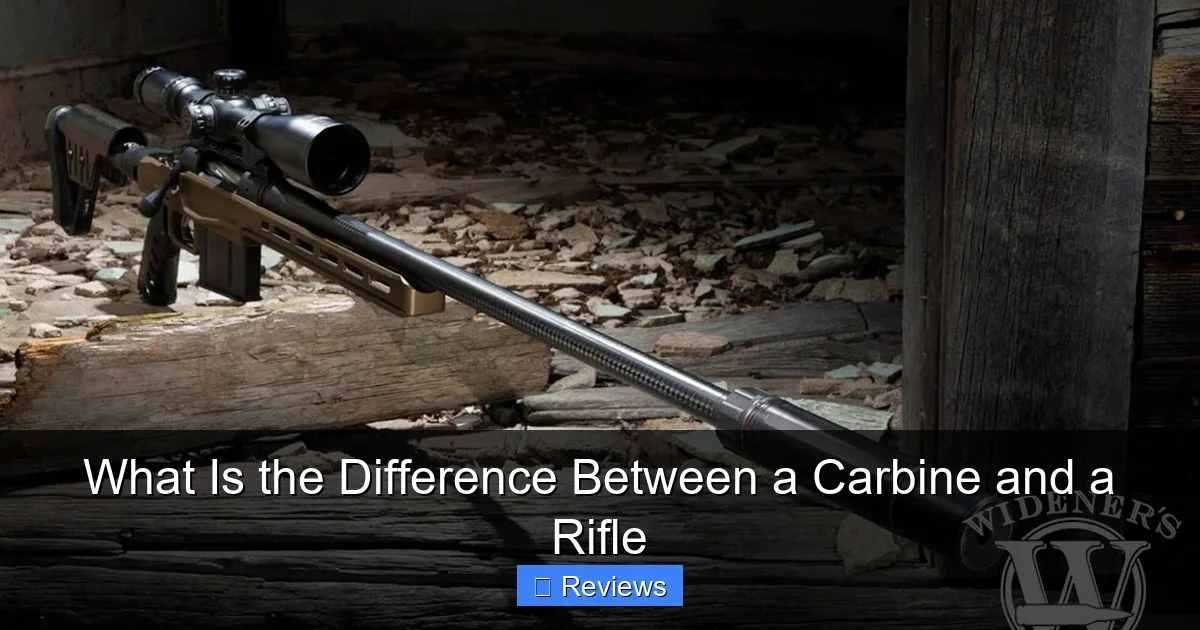
Visual guide about What Is the Difference Between a Carbine and a Rifle
Image source: blogmedia.wideners.com
Operating in Confined Spaces
Imagine navigating a dense forest, moving through a crowded building, or getting in and out of a vehicle. A full-sized rifle, with its longer barrel and overall length, can feel cumbersome and unwieldy in such environments. Its barrel might snag on branches, bump into doorways, or make it difficult to pivot quickly. This is where the carbine shines. Its compact size allows for much greater freedom of movement. Law enforcement officers, military special operations units, and even those interested in home defense often prefer carbines precisely for this reason. They can be maneuvered around corners, through doorways, and within vehicles with far greater ease and speed than a traditional rifle.
Ease of Transport
Beyond active engagement, a carbine’s smaller footprint also makes it easier to transport and store. Whether you’re carrying it in a backpack, a patrol car, or storing it in a safe, the reduced size is a distinct advantage. Hunters who trek long distances or spend time in tree stands might appreciate a carbine for its lighter weight and easier carry. This also translates to less fatigue over extended periods of carrying the firearm, a practical benefit for anyone in the field.
Caliber and Ballistics: A Matter of Performance
While carbines and rifles can often fire the same ammunition, the barrel length has a profound impact on how that ammunition performs. This is where ballistic science comes into play, highlighting another crucial difference between a carbine and a rifle.
Velocity and Energy
When a cartridge is fired, propellant gases expand rapidly, pushing the bullet down the barrel. A longer barrel provides more time for these gases to act on the bullet, accelerating it to a higher muzzle velocity. This means that the same cartridge (e.g., .223 Remington/5.56 NATO) will exit a 20-inch rifle barrel at a higher speed than it would from a 10.5-inch or 14.5-inch carbine barrel. Higher velocity translates directly to greater kinetic energy at impact, which can be critical for terminal performance in hunting or self-defense scenarios. The difference can be significant, sometimes hundreds of feet per second (FPS), leading to a noticeable drop in effective range and energy when using a carbine with shorter barrels.
Practical Accuracy and Range
While modern manufacturing allows even very short barrels to be surprisingly accurate, the inherent advantages of a longer barrel typically lead to better practical accuracy at extended ranges. A longer barrel often means a longer sight radius for iron sights, which helps with precise aiming. More importantly, higher velocity means the bullet travels flatter for a longer distance before gravity causes significant drop. This simplifies holdovers and makes long-range shots more achievable. For competitive shooters or hunters targeting game at several hundred yards, the ballistic advantage of a rifle is almost always preferred. Carbines, while accurate enough for typical combat or self-defense distances (say, out to 200-300 yards), will show more bullet drop and wind deflection at greater distances compared to a rifle firing the same cartridge.
Caliber Considerations
It’s also worth noting that some cartridges are better suited for shorter barrels than others. Pistol calibers, for instance, often achieve most of their velocity in a relatively short barrel (e.g., 9mm parabellum). This makes pistol-caliber carbines (PCCs) very efficient and popular for recreational shooting, home defense, and competitive pistol-caliber shooting. Rifle calibers, especially those designed for long-range performance, benefit significantly more from the extra barrel length a rifle provides. Using a cartridge like .308 Winchester in a very short carbine barrel might result in substantial velocity loss, making it less effective than its rifle-fired counterpart.
Historical Context and Evolution
The terms “carbine” and “rifle” aren’t new; their distinctions have evolved with military tactics and firearm technology over centuries, further clarifying the difference between a carbine and a rifle.
From Cavalry to Modern Warfare
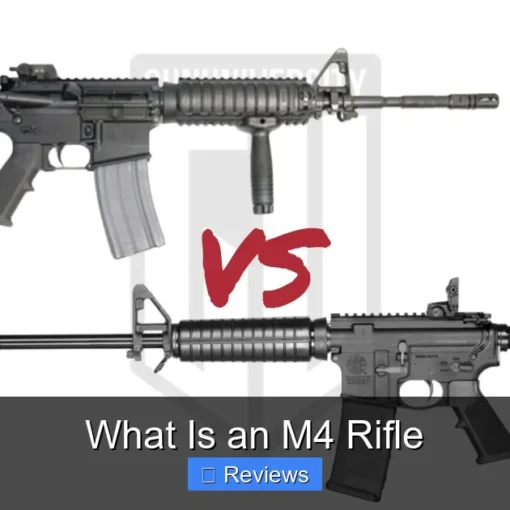
The term “carbine” originated from the French “carabine,” referring to a lighter, shorter firearm designed for cavalry troops. Soldiers on horseback needed a weapon that was easier to wield and carry than the full-length muskets or rifles used by infantry. This historical role perfectly encapsulates the carbine’s enduring appeal: a weapon optimized for mobility and close-quarters use. As warfare evolved, carbines found their way into the hands of artillery crews, paratroopers, and other specialized units who needed a compact firearm without sacrificing too much firepower. Iconic examples include the M1 Carbine of WWII and the M4 Carbine, which is now the standard issue for many U.S. military personnel.
Civilian Applications and Sporting Use
The rifle, on the other hand, remained the backbone of infantry and the preferred tool for hunters. Its accuracy, power, and range were essential for open-field engagements and taking down large game. In the civilian world today, this division continues. Traditional hunting and precision shooting disciplines largely favor rifles for their ballistic superiority. However, the modern carbine has seen a resurgence in popularity among civilians for various reasons. The AR-15 platform, for example, is available in both rifle and carbine configurations, offering versatility. Many shooters appreciate carbines for home defense due, once again, to their maneuverability, as well as for recreational shooting and training because they are often less cumbersome to handle and transport.
Ergonomics and Accessories: Tailoring the Tool
While barrel length is the primary differentiator, the practical application of carbines and rifles often leads to distinct ergonomic designs and accessory preferences. This shapes how they feel and function in a user’s hands.
Stock and Grip Differences
Because carbines are designed for compactness and quick handling, they frequently feature collapsible or folding stocks. This allows the shooter to adjust the length of pull for different body types or to further reduce the overall length for storage and transport. Pistol grips are also common, especially on modern sporting carbines like the AR-15, as they facilitate a more upright and compact shooting stance. Rifles, particularly traditional hunting or precision rifles, often feature fixed stocks designed for stability and comfort during extended shooting sessions, typically from a prone position or off a bench. Their stocks might also be designed to better absorb recoil or provide a stable cheek weld for optimal optic use.
Accessory Compatibility
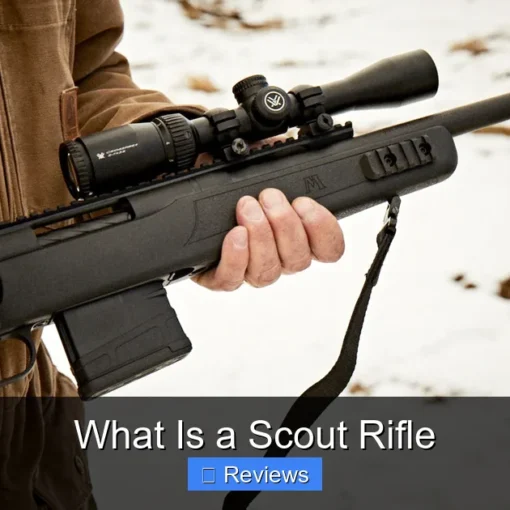
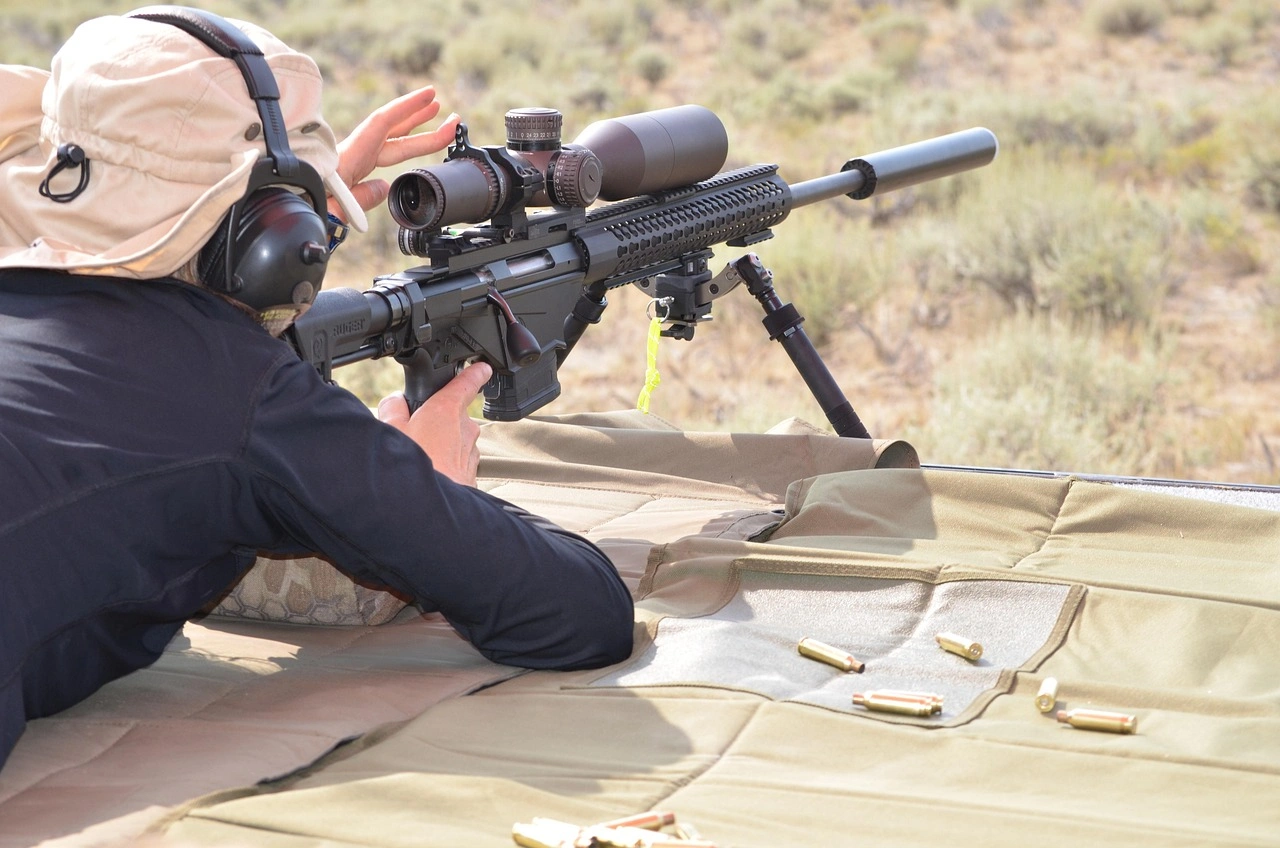
Both carbines and rifles benefit from a vast array of accessories, but their typical uses dictate common choices. Carbines, being favored for close-quarters and dynamic shooting, are often outfitted with red dot sights, tactical lights, laser aiming modules, and vertical foregrips. These accessories enhance quick target acquisition and utility in low-light conditions. Rifles, especially those used for hunting or long-range precision, are more likely to be equipped with high-magnification scopes, bipods for stability, and specialized slings for carrying over long distances. While there’s certainly overlap – a red dot can go on a rifle, and a scope can go on a carbine – the emphasis tends to lean towards accessories that complement their primary roles.
Which One Is Right For You? Making the Choice
Understanding the difference between a carbine and a rifle isn’t just academic; it’s essential for making an informed decision about which firearm best suits your individual needs and activities. Here are some common scenarios to consider:
Home Defense and Personal Protection
For home defense, many people lean towards a carbine. Its shorter length makes it much easier to maneuver through hallways, around furniture, and in tight spaces within a home. The reduced weight and often lighter recoil (especially with pistol-caliber carbines) also make them more manageable for a wider range of users. While a rifle could certainly be used, its length can be a significant disadvantage indoors.
Hunting and Outdoor Sports
Hunters often choose rifles, especially for medium to large game, where greater power, velocity, and accuracy at longer ranges are crucial for ethical kills. A 22-inch or 24-inch barrel on a rifle chambered in .30-06 or .308 Winchester will deliver significantly more energy and flatter trajectories than a 16-inch barrel. However, for hunting smaller game, varmints, or in very dense brush where shots are close, a lighter, more compact carbine might be preferred for its ease of carry and quick handling.
Recreational Shooting and Training
For casual range shooting, plinking, or competitive events that don’t involve extreme distances, both carbines and rifles have their place. Carbines can be incredibly fun to shoot, especially pistol-caliber carbines that share ammunition with handguns, simplifying logistics. For those looking to push their skills at longer ranges or participate in precision shooting competitions, a dedicated rifle with a longer barrel will typically offer a more satisfying experience. Training environments, particularly those simulating close-quarters combat or dynamic movement, often favor carbines due to their enhanced maneuverability.
Ultimately, the “best” choice depends on your specific goals, environment, and personal preferences. It’s often a good idea to try out both types if possible, perhaps by renting them at a range, to see which feels most comfortable and effective for you.
Conclusion
So, there you have it! The fundamental difference between a carbine and a rifle truly boils down to barrel length, which then influences nearly every other characteristic of the firearm. Rifles, with their longer barrels, are engineered for power, velocity, and precision at greater distances, making them ideal for hunting and long-range shooting. Carbines, by contrast, sacrifice some ballistic performance for superior compactness, maneuverability, and ease of handling, excelling in close quarters, personal defense, and general utility.
Understanding these distinctions empowers you to choose the right tool for the job, whether that job is navigating tight spaces, taking down game at a distance, or simply enjoying a day at the range. Both carbines and rifles are incredibly versatile and capable firearms, each with its unique strengths. The key is knowing what those strengths are and how they align with your needs. Now, you’re not just informed; you’re ready to make intelligent decisions about these fascinating firearms!
🎥 Related Video: M16A2/A4 vs AR-15 – How Do They Compare and What's the Difference?
📺 The Infographics Show
Today we are comparing military rifles to see which is the best combat rifle for war. We are looking at the two most used rifles for …
Frequently Asked Questions
What are the legal implications of carbine barrel length in the US?
In the United States, a rifle must have a barrel length of at least 16 inches to be considered a standard firearm. If a rifled firearm has a barrel shorter than 16 inches and an overall length under 26 inches, it falls under the National Firearms Act (NFA) as a Short-Barreled Rifle (SBR) and requires special federal registration and a tax stamp.
Do carbines and rifles use the same ammunition?
Yes, often they do! Many carbines are chambered in the same calibers as their rifle counterparts, such as .223 Remington/5.56 NATO or .308 Winchester. However, some carbines, especially pistol-caliber carbines (PCCs), are designed to fire common handgun ammunition like 9mm or .45 ACP.
Is a carbine more accurate than a rifle?
Generally, a rifle tends to be more accurate, especially at longer ranges, due to its longer barrel contributing to higher bullet velocity and often a longer sight radius. While a well-made carbine can be very accurate at typical engagement distances, its shorter barrel length can limit its precision at extended ranges compared to a full-sized rifle.
What is a pistol-caliber carbine (PCC)?
A pistol-caliber carbine (PCC) is a carbine that fires handgun ammunition, such as 9mm or .45 ACP. These are popular for recreational shooting, competitive sports, and home defense because they often have less recoil, use common and less expensive ammunition, and can sometimes share magazines with a corresponding handgun.
Which is better for hunting, a carbine or a rifle?
For most hunting scenarios, especially involving medium to large game or shots at longer distances, a rifle is generally preferred due to its superior ballistic performance, higher velocity, and greater energy delivery. However, for small game, varmints, or hunting in very dense brush where shots are close, a compact and light carbine can be a practical choice.
Are carbines typically lighter than rifles?
Yes, carbines are generally lighter than rifles due to their shorter barrels and overall smaller size. This reduced weight significantly contributes to their portability and ease of handling, making them less fatiguing to carry over long periods or more agile in dynamic shooting situations.