Defining what is considered an assault rifle can be surprisingly complex, often misunderstood by the public. Originally a military term for select-fire firearms, in civilian contexts, it typically refers to semi-automatic rifles that possess certain cosmetic and functional features, like a pistol grip and a detachable magazine. Legal definitions vary greatly by state, leading to much confusion and debate about these widely owned firearms.
Hey there! If you’ve ever found yourself wondering, “What exactly is considered an assault rifle?” you’re definitely not alone. It’s a question that sparks a lot of discussion, and often, quite a bit of confusion. The term “assault rifle” gets thrown around a lot in the news, in political debates, and even among friends. But what does it truly mean? And how do we separate fact from fiction when talking about these firearms?
This article is here to clear things up. We’ll dive into the history of the term, explore the features commonly associated with these rifles, and look at how laws try to define them. Our goal is to give you a straightforward, easy-to-understand explanation, cutting through the jargon and misconceptions. So, let’s pull back the curtain and get a clearer picture of what is considered an assault rifle. It’s a fascinating topic that touches on history, technology, and law, all wrapped up in a conversation that’s vital for informed understanding.
The Origin Story: Military vs. Civilian Definitions
To really understand what is considered an assault rifle, we have to start at its roots. The term “assault rifle” didn’t just appear out of nowhere. It has a very specific military origin, which is quite different from how it’s often used in civilian conversations today.
The German Sturmgewehr 44 and Beyond
The first true “assault rifle” is widely considered to be the German Sturmgewehr 44, or StG 44, developed during World War II. The word “Sturmgewehr” literally translates to “storm rifle” or “assault rifle.” This rifle was revolutionary because it combined several key features:
- Select-fire capability: It could switch between semi-automatic fire (one shot per trigger pull) and full-automatic fire (continuous firing as long as the trigger is held down).
- Intermediate cartridge: It fired a cartridge more powerful than a pistol round but less powerful than a traditional full-power rifle round, making it controllable in full-auto fire and effective at moderate ranges.
- Detachable magazine: It used a magazine that could be quickly removed and replaced, allowing for rapid reloading.
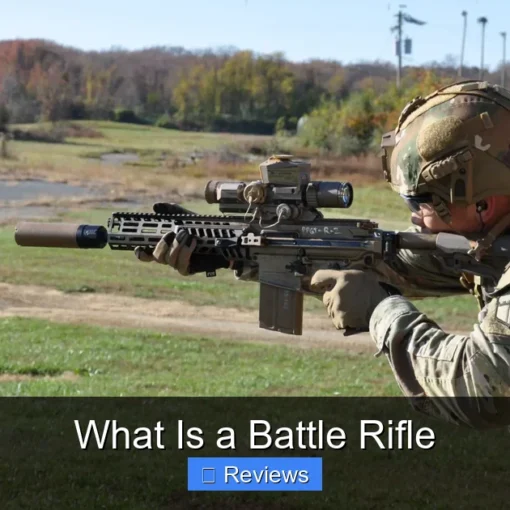
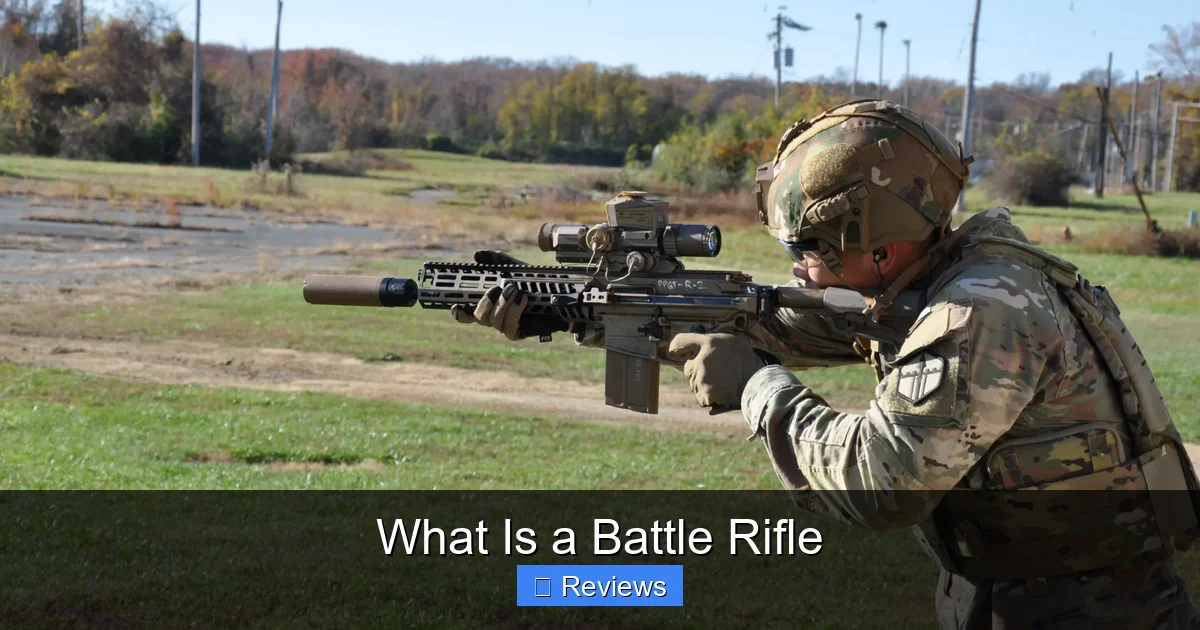
This combination made the StG 44 a versatile weapon for infantry, effective in close-quarters combat and at medium distances. After WWII, other nations adopted similar designs, most famously the Soviet AK-47, which also fits this military definition of an assault rifle. The US military’s M16 (and its civilian counterpart, the AR-15) also falls into this category in its military, select-fire version.
Key Military Characteristics of an Assault Rifle
So, in its strict, military sense, what is considered an assault rifle? It’s a firearm that is:
- Select-fire: Capable of both semi-automatic and fully automatic or burst fire. This is the absolute core definition.
- Fires an intermediate cartridge: A cartridge like 5.56x45mm NATO or 7.62x39mm, which is powerful enough for combat but light enough to carry in large quantities and control during automatic fire.
- Fed from a detachable box magazine: For quick reloading.
This is crucial: when a soldier carries an “assault rifle,” they are carrying a weapon capable of full-automatic fire. This brings us to the civilian world, where things get a lot more nuanced.
Defining Features: What Makes a Firearm “Assault-Like”?
When people talk about what is considered an assault rifle in the civilian world, they almost never mean a select-fire, fully automatic weapon. Fully automatic firearms are extremely rare and heavily regulated in the US. Instead, the discussion usually revolves around semi-automatic rifles that *look* like their military counterparts.
Semi-Automatic Operation: The Core Difference
The most important distinction to grasp is “semi-automatic.” A semi-automatic firearm fires one round each time the trigger is pulled, and it automatically loads the next round into the chamber. You have to pull the trigger again for each shot. This is very different from a fully automatic firearm, which continues to fire as long as the trigger is depressed and ammunition is available.
So, when we discuss what is considered an assault rifle among civilians, we are almost always talking about semi-automatic rifles. These rifles are functionally similar to many hunting rifles or other common firearms in how they operate – one pull, one shot.
Detachable High-Capacity Magazines
Another feature often associated with what is considered an assault rifle in civilian laws is the ability to accept “high-capacity” magazines. These are typically defined as magazines holding more than 10 rounds of ammunition. Many popular semi-automatic rifles, like the AR-15, are designed to use magazines holding 20, 30, or more rounds. While the firearm itself might not come with such a magazine, the *capacity to accept* one is often a key criterion in legal definitions.
Cosmetic Features vs. Functional Features
This is where the term “assault weapon” (a legal term often used instead of “assault rifle” for civilian firearms) really starts to diverge from the military definition. Laws often define “assault weapons” based on a list of external or ergonomic features that might make a rifle *look* like a military assault rifle, even if they don’t change its core semi-automatic function.
Let’s look at some common features:
- Pistol Grip: This is a grip that extends conspicuously beneath the action of the rifle. It allows for a different hand position compared to a traditional rifle stock. It’s an ergonomic feature, making the rifle more comfortable to hold, especially for tactical maneuvers.
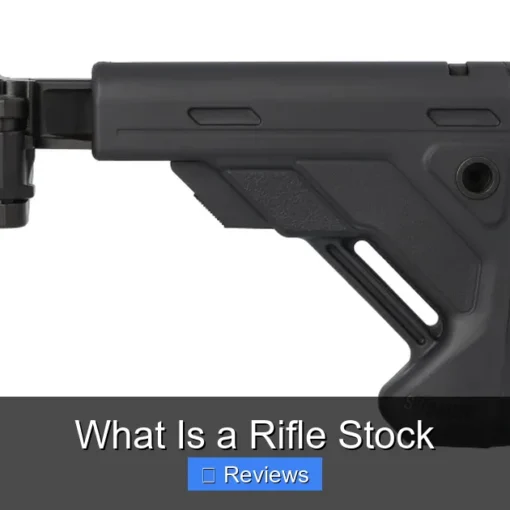
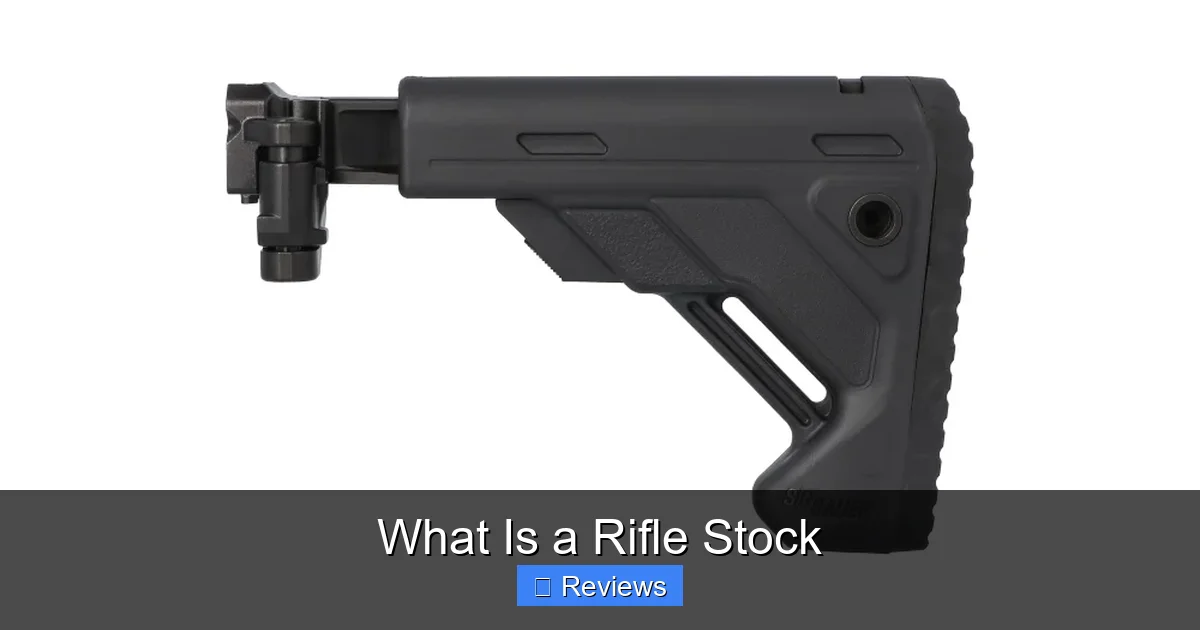
- Adjustable (Telescoping or Folding) Stock: An adjustable stock allows the user to change the length of the stock to fit different body sizes or shooting positions. A folding stock allows for easier transport or storage. These features are about user comfort and portability, not the firing mechanism.
- Barrel Shroud: This is a covering that partially or completely encircles the barrel, allowing the shooter to hold the firearm with the support hand without burning it. It’s a safety and comfort feature, not one that affects how the bullet leaves the barrel.
- Flash Hider or Muzzle Brake: A flash hider reduces the visible flash at the muzzle when the gun is fired, making it harder for an enemy to spot the shooter’s position, especially in low light. A muzzle brake reduces recoil, making the firearm more comfortable to shoot and easier to keep on target. Both are muzzle devices that enhance the shooting experience but don’t change the firearm’s fundamental operation or power.
- Bayonet Lug: This is a small attachment point for a bayonet. It’s a purely military-derived feature with virtually no practical use for most civilian owners.
- Grenade Launcher Mount: Similar to a bayonet lug, this is a mount point for a grenade launcher, another military-specific feature with no civilian application.
The presence of a certain number of these features (often two or more from a list, plus a detachable magazine) can be enough to legally classify a semi-automatic rifle as an “assault weapon” in some jurisdictions. This is why you’ll often hear gun enthusiasts refer to “featureless” rifles, which have been modified to remove these features to comply with certain state laws.
The Legal Landscape: State and Federal Definitions
The legal definition of what is considered an assault rifle, or more commonly, an “assault weapon,” is where much of the confusion and debate truly lies. There isn’t a single, national definition in the United States. Instead, laws vary dramatically by state.
The Federal Assault Weapons Ban (Expired)
From 1994 to 2004, the United States had a federal “Assault Weapons Ban.” This law banned the manufacture and sale of certain semi-automatic firearms and high-capacity magazines for civilian use. It worked by listing specific firearms by name (like the Colt AR-15 and AK-47 variants) and by defining “assault weapons” based on the presence of a combination of the “military-style” features we just discussed (e.g., a semi-automatic rifle with a detachable magazine *and* two or more features like a pistol grip, adjustable stock, or flash hider). When this ban expired in 2004, federal restrictions on these types of firearms largely ceased, but many states stepped in with their own laws.
Current State-Level Bans
Today, several states have their own “assault weapon” bans. These state laws often mirror the expired federal ban’s approach, using a “feature-based” definition.
For example:
- California has very strict laws, defining “assault weapons” by both specific names and feature-based criteria. Owners of such firearms must register them, or modify them to be “featureless,” or remove them from the state.
- New York’s SAFE Act also defines “assault weapons” based on a combination of features and the ability to accept detachable magazines. It specifies that a semi-automatic rifle cannot have a detachable magazine *and* just one of a list of “military-style” features (like a pistol grip).
- Connecticut, Massachusetts, Maryland, New Jersey, Delaware, Illinois, Washington, and Washington D.C. also have various bans that use similar naming or feature-based approaches.
These varying state laws mean that a firearm perfectly legal in Texas might be considered an illegal “assault weapon” in California or New York. This patchwork of laws adds to the difficulty in giving a simple answer to “what is considered an assault rifle” across the entire country.
“Safe Harbor” or Compliant Configurations
To comply with these state laws, manufacturers and gun owners often create “compliant” versions of popular rifles. This usually means removing or permanently modifying the “prohibited” features. For instance, a rifle might have a fixed stock instead of an adjustable one, a “fin grip” instead of a pistol grip (which makes it harder to wrap your thumb around), or a permanently attached muzzle brake instead of a flash hider. These modifications aim to make the firearm “featureless” under the law, even though it may still visually resemble what many might call an “assault rifle.”
Common Misconceptions and Clarifications
The term “assault rifle” is loaded with misconceptions. Let’s tackle some of the most common ones to gain a clearer understanding.
Automatic vs. Semi-Automatic: The Critical Distinction
As we’ve touched on, this is perhaps the biggest point of confusion. Many people hear “assault rifle” and immediately picture a machine gun firing continuously. This is simply not accurate for the vast majority of firearms encountered by civilians.
- Semi-automatic: One trigger pull, one bullet fired. This is how almost all civilian firearms labeled “assault weapons” operate. This includes pistols, shotguns, and rifles that are used for hunting, sport, and self-defense.
- Fully automatic (Machine Gun): One trigger pull, continuous bullets fired until the trigger is released or the ammunition runs out. These are extremely rare for civilians to own. To legally possess a fully automatic firearm in the U.S., it must have been manufactured and registered with the Bureau of Alcohol, Tobacco, Firearms and Explosives (ATF) *before* May 19, 1986. They are heavily regulated, expensive, and require extensive background checks and federal permits.
So, when someone talks about what is considered an assault rifle in the context of civilian ownership, they are almost certainly referring to a semi-automatic rifle, not a machine gun.
“Assault Rifle” vs. “Assault Weapon”
This is an important distinction, especially in legal and political discourse.
- Assault Rifle: As defined earlier, this is a military term for a select-fire, intermediate-cartridge rifle.
- Assault Weapon: This is a legal and political term, primarily used in civilian contexts, to describe semi-automatic firearms (often rifles, but also sometimes shotguns and pistols) that possess certain cosmetic or functional features deemed “military-style.” This term was largely coined during the 1980s and 1990s to describe firearms that *look* like military assault rifles but are functionally semi-automatic.
Understanding this difference helps clarify why a gun owner might say, “My AR-15 isn’t an assault rifle, it’s a semi-automatic rifle.” They are correct in the strict military definition, but legally, their rifle might be categorized as an “assault weapon” in some states due to its features.
Caliber and Power: Not a Defining Factor
Another common misconception is that what is considered an assault rifle must fire a particularly large or powerful round. This isn’t true. Many popular semi-automatic rifles that are sometimes called “assault rifles” (like the AR-15 in .223/5.56mm) fire relatively small, fast cartridges. These rounds are not inherently more powerful than many common hunting calibers, and often less so. For example, a traditional hunting rifle chambered in .30-06 Springfield or .308 Winchester fires a much larger and more powerful bullet than a standard AR-15, but these hunting rifles are rarely, if ever, labeled “assault rifles” because they lack the “military-style” features. The size or power of the cartridge is generally not a factor in legal definitions of “assault weapons.”
The Debate: Why the Term Matters
The debate around what is considered an assault rifle is more than just semantics; it has significant real-world implications, shaping public perception, legislation, and individual rights.
Emotional Impact and Public Perception
The term “assault rifle” itself carries a strong emotional charge. The word “assault” conjures images of military combat and aggression. This emotional impact often overrides technical understanding for many people. When the media or politicians use the term, it tends to frame the firearm as inherently dangerous, offensive, and designed for mass casualties, regardless of its actual semi-automatic function or civilian use. This perception can lead to calls for stricter gun control based on appearance rather than functional capability.
For many members of the public, the visual similarity between an AR-15 and a military M16 is enough to label it an “assault rifle,” even if they don’t understand the difference between semi-automatic and fully automatic fire. This gap in understanding makes informed public discourse challenging.
Implications for Gun Rights Advocates
For gun rights advocates and many firearm owners, the broad application of the term “assault rifle” (or “assault weapon”) is deeply problematic. They argue that:
- Misleading Terminology: Using “assault rifle” for semi-automatic civilian firearms is a deliberate misnomer designed to create fear and justify bans. They prefer terms like “modern sporting rifle” (MSR) to emphasize their use in sport, hunting, and self-defense.
- Focus on Cosmetics: Banning firearms based on cosmetic features (like a pistol grip or adjustable stock) rather than their functional capacity is seen as arbitrary and ineffective. They argue these features improve ergonomics and safety, not lethality.
- Infringement on Rights: Restricting ownership of popular semi-automatic rifles, which are widely owned for lawful purposes, is viewed as an infringement on Second Amendment rights. They point out that these firearms are used for target shooting, competition, hunting, and home defense by millions of law-abiding citizens.
For these reasons, the debate often revolves around the definition and terminology, as much as the firearms themselves.
Implications for Gun Control Advocates
Gun control advocates, conversely, often use the term “assault rifle” (or “assault weapon”) to highlight what they see as firearms designed for rapid, indiscriminate firing that pose an elevated risk in civilian hands. They argue that:
- High Capacity: The ability to accept high-capacity magazines contributes to higher casualties in mass shootings.
- Military Aesthetics: The military appearance of these rifles is not just cosmetic; it implies a design for combat scenarios, which they argue is inappropriate for civilian ownership.
- Effectiveness in Mass Shootings: Despite being semi-automatic, these rifles have been used in many high-profile mass shootings, and their features (like quick reloading with detachable magazines) are seen as contributing to their effectiveness in such tragic events.
For gun control proponents, the “assault rifle” represents a category of firearms that, by design and perceived intent, should be more strictly regulated or banned for civilian use.
Conclusion
So, what is considered an assault rifle? As we’ve seen, it’s a question with no single, simple answer. In its purest, military sense, an “assault rifle” is a select-fire weapon firing an intermediate cartridge. However, in civilian discourse and law, the term “assault weapon” is widely used to describe semi-automatic rifles that possess certain “military-style” features, like a pistol grip or an adjustable stock, along with a detachable magazine.
The confusion stems from the crucial difference between semi-automatic (one shot per trigger pull) and fully automatic (continuous fire). Most civilian firearms often called “assault rifles” are semi-automatic and function like many other common rifles. The debate is further complicated by varying state laws that use feature-based definitions, often prioritizing a rifle’s appearance over its fundamental operation.
Understanding this distinction – between military definitions, legal classifications, and public perception – is key to having a truly informed conversation about these firearms. It’s about looking past the headlines and understanding the specific characteristics and legal frameworks that define what is considered an assault rifle in today’s complex world. Keeping these facts in mind helps us all engage more thoughtfully in a discussion that impacts communities and individual rights across the nation.
Key Takeaways
- Military vs. Civilian Definition: In its original military context, an “assault rifle” refers to a select-fire (capable of both semi-automatic and automatic/burst fire) weapon firing an intermediate cartridge. For civilians, the term “assault weapon” generally describes semi-automatic firearms with specific cosmetic and functional features.
- Semi-Automatic Operation: Civilian firearms often labeled “assault rifles” or “assault weapons” are almost exclusively semi-automatic, meaning they fire one round per trigger pull, unlike fully automatic military firearms.
- Feature-Based Bans: Many laws defining “assault weapons” focus on a combination of specific features like pistol grips, adjustable stocks, barrel shrouds, and the ability to accept detachable magazines, rather than the firearm’s caliber or power.
- Misconceptions About “Automatic”: A common misunderstanding is that “assault rifles” are fully automatic machine guns; however, true automatic firearms are highly restricted and rarely encountered by the public.
- Legal Variability: What is considered an “assault weapon” can differ significantly from one state to another, making it challenging to have a single, universal definition.
- Cosmetic vs. Functional: Many features that lead a firearm to be categorized as an “assault weapon” are primarily cosmetic or ergonomic enhancements, having little impact on the firearm’s basic function or lethality.
Quick Answers to Common Questions
Question 1?
What is the key difference between a military assault rifle and a civilian semi-automatic rifle often labeled an “assault weapon”?
Answer 1?
The key difference is select-fire capability. A military assault rifle can fire both semi-automatically and fully automatically (or in bursts). A civilian semi-automatic rifle only fires one shot per trigger pull.
Question 2?
Are high-capacity magazines a defining feature of what is considered an assault rifle for civilians?
Answer 2?
Yes, the ability to accept detachable magazines holding more than 10 rounds is often a key feature in legal definitions of “assault weapons” in many states.
Question 3?
Do “assault rifles” in civilian hands typically fire larger or more powerful bullets than hunting rifles?
Answer 3?
Not necessarily. Many civilian semi-automatic rifles (often called “assault weapons”) fire intermediate cartridges that are often less powerful than common hunting calibers like .30-06 or .308 Winchester. Bullet power is generally not a defining factor in their classification.
Question 4?
What does “featureless” mean in the context of an “assault weapon” ban?
Answer 4?
“Featureless” refers to a semi-automatic rifle that has been modified to remove or alter specific “military-style” features (like a pistol grip or adjustable stock) to comply with state-level assault weapon bans.
Question 5?
Is the term “assault rifle” a purely technical term or does it have political connotations?
Answer 5?
While “assault rifle” has a specific military technical definition, its use in civilian discourse and legislation often carries strong political and emotional connotations, influencing public perception and gun control debates.
🎥 Related Video: Your First Gun at 19: Jake's Recommendation
📺 GUNBROS
Is it your very first time getting a firearm? Heck! Is it your first time in a gun shop! Here’s what Jake would recommend for you!
Frequently Asked Questions
What is the historical origin of the term “assault rifle”?
The term “assault rifle” originated during World War II with the German Sturmgewehr 44 (StG 44), which literally translates to “storm rifle.” This firearm introduced the concept of a select-fire weapon chambered for an intermediate cartridge, designed for infantry combat.
Are all semi-automatic rifles considered “assault rifles”?
No, not all semi-automatic rifles are considered “assault rifles.” While the civilian firearms often labeled as such are semi-automatic, the classification typically depends on the presence of additional “military-style” features, like a pistol grip or an adjustable stock, and the ability to accept a detachable magazine.
Do federal laws in the U.S. define “what is considered an assault rifle” today?
Currently, there is no active federal law that broadly defines “what is considered an assault rifle” or “assault weapon” for civilian purposes across the entire United States. The federal Assault Weapons Ban expired in 2004, leaving state-specific laws to govern these definitions.
What are some examples of features that might make a rifle an “assault weapon” under state law?
Common features that can lead a semi-automatic rifle to be classified as an “assault weapon” under various state laws include a pistol grip, an adjustable or folding stock, a barrel shroud, a flash hider, a bayonet lug, and the ability to accept detachable magazines with a capacity over 10 rounds.
Can a rifle be legally considered an “assault weapon” in one state but not in another?
Yes, absolutely. Legal definitions of “assault weapons” vary significantly from state to state. A semi-automatic rifle that is perfectly legal to own in one state, like Arizona, might be classified as an illegal “assault weapon” in a state with stricter laws, such as California or New York.
Is the AR-15 an assault rifle?
In its original military form (like the M16), the AR-15 design *is* an assault rifle due to its select-fire capability. However, the civilian AR-15 is a semi-automatic rifle, firing one round per trigger pull. While often *called* an “assault rifle” in public discourse, and sometimes legally defined as an “assault weapon” due to its features, it does not meet the military definition of a select-fire assault rifle.