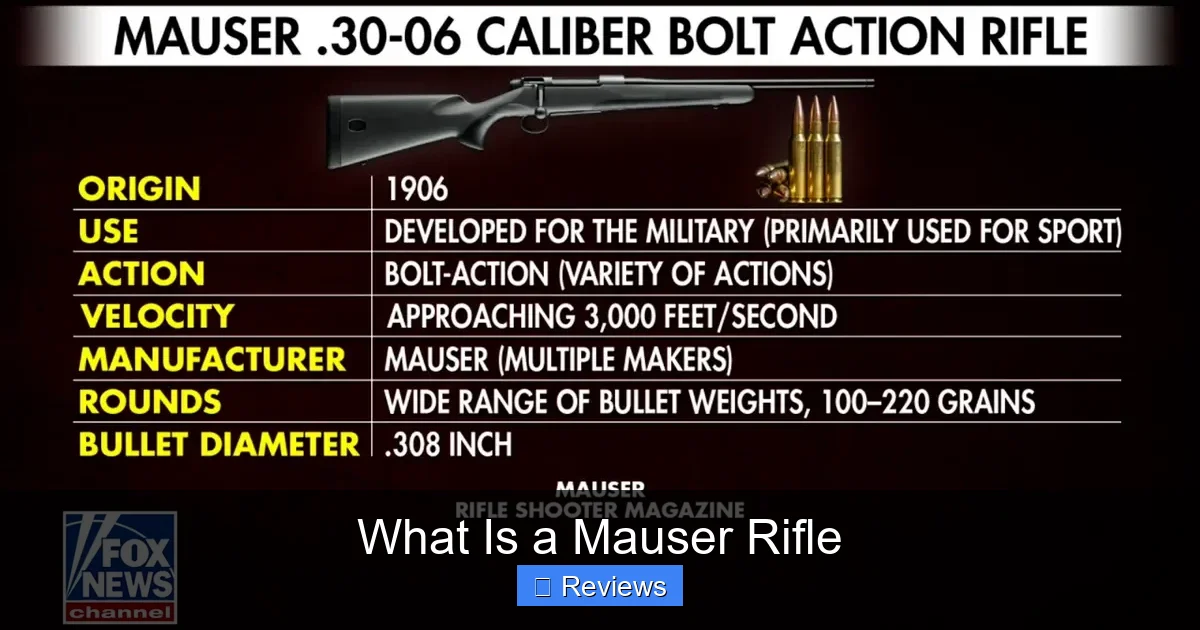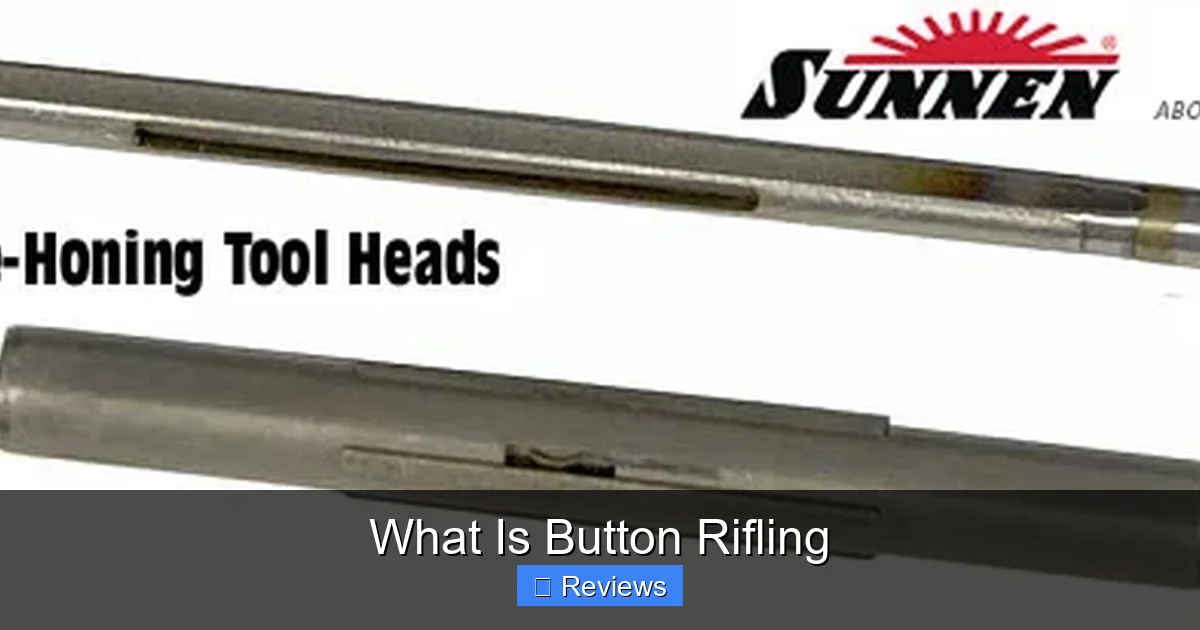
Have you ever wondered how those precise spiral grooves get into your firearm’s barrel? It’s all thanks to rifling, and one of the most common methods is button rifling. This ingenious process involves pushing or pulling a hardened carbide “button” through a drilled barrel blank, impressing the rifling grooves into the bore. It’s a fast, efficient, and cost-effective way to create accurate barrels for a wide range of firearms, making it a favorite among manufacturers and shooters alike.
When you hold a firearm, whether it’s a sleek hunting rifle or a trusty handgun, you’re holding a marvel of engineering. Every component works together, but perhaps none is as critical to accuracy as the barrel. Inside that barrel lies a secret to precision: rifling. These helical grooves carved into the bore are what give a bullet its stabilizing spin, sending it downrange with impressive predictability. Without rifling, bullets would tumble end-over-end, making hitting a target consistently almost impossible.
But how do these intricate grooves get there? There are several methods gun manufacturers use to create rifling, each with its own set of advantages and challenges. One of the most widely adopted and fascinating techniques is known as button rifling. It’s a process that balances speed, cost-effectiveness, and impressive accuracy, making it a cornerstone of modern firearm manufacturing. If you’ve ever owned a gun, chances are its barrel might have been made using this very method!
So, what exactly is button rifling, and why is it so prevalent? Let’s take a deep dive into this ingenious process, exploring how it works, what makes it so popular, and where it fits in the broader landscape of barrel manufacturing. Get ready to pull back the curtain on one of the unsung heroes of firearm accuracy.
Key Takeaways
- Core Process: Button rifling involves pushing or pulling a hardened carbide “button” through a pre-drilled barrel blank to create the spiral grooves that stabilize a projectile.
- Affordability & Speed: It’s one of the most economical and fastest methods for producing rifled barrels, making it highly popular in mass production.
- Excellent Surface Finish: The button’s polishing action often results in a very smooth bore finish, which can contribute to accuracy and ease of cleaning.
- Material Stress: The process causes cold working and stress in the barrel material, which requires stress relief (e.g., heat treatment) to prevent warping and ensure stability.
- Twist Rate Flexibility: While generally good, complex or very tight twist rates can be more challenging to achieve consistently with button rifling compared to cut rifling.
- Dominant Method: Button rifling is widely used for a vast array of firearms, from hunting rifles to handguns, due to its balance of cost, speed, and accuracy potential.
Quick Answers to Common Questions
What is the primary tool used in button rifling?
The primary tool is a hardened carbide “button” that has the inverse profile of the rifling grooves on its surface.
Is button rifling a cold-forming process?
Yes, button rifling is a cold-forming process. It displaces and compresses the barrel’s steel to form the grooves, rather than cutting material away.
Why is stress relief important for button-rifled barrels?
Stress relief, usually through heat treatment, is crucial because the cold-forming process introduces internal stresses into the steel. Relieving these stresses prevents barrel warping and ensures stability and consistent accuracy.
How does button rifling compare to cut rifling in terms of speed?
Button rifling is significantly faster than cut rifling, which involves a single-point cutter making multiple passes for each groove. This speed contributes to lower manufacturing costs.
Can button rifling achieve high levels of accuracy?
Absolutely. Well-executed button rifling can produce barrels capable of excellent accuracy, often comparable to more expensive methods, making it suitable for many precision firearms.
📑 Table of Contents
Understanding Rifling: Why It Matters So Much
Before we get into the specifics of button rifling, let’s quickly review the fundamental purpose of rifling itself. Imagine throwing a football without spinning it – it wobbles erratically and quickly loses accuracy. Now imagine throwing it with a perfect spiral – it flies straight and true. The same principle applies to bullets.
The Gyroscopic Stabilization Effect
When a bullet travels through a rifled barrel, the grooves impart a rotational spin on the projectile. This spin creates a gyroscopic effect, similar to a spinning top. The spinning top resists changes in its orientation, staying upright. Likewise, a spinning bullet resists aerodynamic forces that would otherwise cause it to tumble or veer off course. This stabilization is absolutely crucial for maintaining a predictable flight path and achieving accuracy over distance. Different firearms and bullet types require different “twist rates” – how quickly the rifling spirals – to stabilize them effectively.
What Exactly Is Button Rifling?
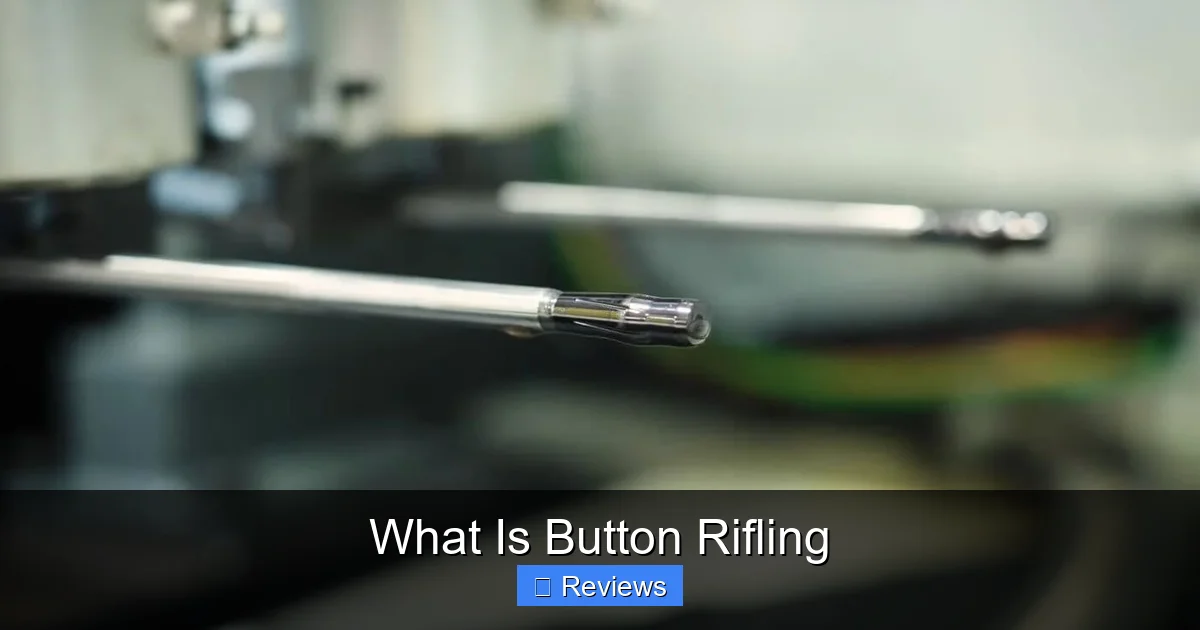
Visual guide about What Is Button Rifling
Image source: dropinblog.net
At its heart, button rifling is a cold-forming process. It doesn’t cut material away like traditional methods; instead, it shapes and displaces the existing metal within the barrel blank. This makes it a very efficient and clean way to create those vital helical grooves.
The Button: A Tiny, Mighty Tool
The star of the show in button rifling is, quite literally, the “button.” This is a super-hard, highly polished carbide tool, often shaped like a small cylinder with a slightly larger diameter than the barrel’s bore. Crucially, its outer surface features a raised profile that mirrors the negative image of the rifling grooves you want to create in the barrel. So, if you want six grooves, the button will have six corresponding raised ridges.
The Process Step-by-Step
Let’s break down the journey of a barrel blank through the button rifling process:
- Starting with a Blank: It all begins with a solid piece of high-quality steel – the barrel blank. This blank is carefully drilled down its center to create a smooth, straight bore, often slightly smaller than the desired final bore diameter. Precision in this initial drilling is paramount.
- Lubrication is Key: Before the button even touches the steel, the bore is thoroughly lubricated with specialized oils. This reduces friction, dissipates heat, and helps the button glide smoothly through the metal.
- Push or Pull: Now for the action! The hardened carbide button, attached to a long rod, is either pushed or pulled through the barrel blank. This is a controlled process, typically done at a relatively slow speed.
- Forming the Grooves: As the button moves through the bore, its raised profiles physically displace and compress the steel, forcing it into the shape of the rifling grooves. Because the button is slightly oversized, it literally “irons” the grooves into the metal. The rod rotates as the button moves, imparting the desired twist rate to the rifling.
- Stress Relief: This cold-forming process inherently introduces significant stress into the barrel material. Imagine squeezing a piece of play-doh – it holds its new shape, but the internal structure is under tension. To prevent the barrel from warping or changing shape over time (especially during heating from firing), it undergoes a stress-relief heat treatment. This annealing process relaxes the metal, stabilizing the rifling.
- Finishing Touches: After button rifling and stress relief, the barrel will undergo further machining – such as chambering, crowning the muzzle, and contouring the exterior – to become a finished firearm component.
The entire process of button rifling for a single barrel can be remarkably quick, often taking just a few minutes once the setup is complete.
The Advantages of Button Rifling
Button rifling didn’t become one of the industry’s go-to methods by accident. It offers several compelling benefits that make it highly attractive for both manufacturers and shooters.
Cost-Effectiveness and Speed
One of the biggest draws of button rifling is its efficiency. It’s significantly faster than traditional cut rifling, allowing manufacturers to produce a large volume of barrels in a shorter amount of time. This speed directly translates into lower production costs, making firearms more affordable for consumers. For mass-produced firearms, from popular hunting rifles like the Remington 700 or Ruger American to many semi-automatic pistols, button rifling is often the method of choice.
Excellent Surface Finish
The polishing action of the carbide button as it’s pushed or pulled through the bore leaves behind a very smooth, burnished surface finish. This smooth finish can reduce bullet friction, potentially contributing to higher muzzle velocities and easier cleaning. A smooth bore also tends to foul less quickly, which can mean more consistent accuracy over longer strings of fire before cleaning is needed.
Consistency in Production
Once the button is correctly designed and the process parameters are set, button rifling can produce highly consistent barrels. This repeatability is a huge advantage for manufacturers aiming for uniform product quality across large batches. While individual barrels may have minute differences, the overall consistency for button rifling is excellent.
Potential for High Accuracy
While sometimes debated, a well-executed button rifling process can produce barrels capable of outstanding accuracy. Many high-quality, precision rifles utilize button rifled barrels. The consistent geometry and smooth surface finish contribute significantly to a bullet’s ability to fly straight and true.
Challenges and Limitations of Button Rifling
No manufacturing process is perfect, and button rifling does come with its own set of challenges that manufacturers must address.
Introduced Stress in the Material
As mentioned, the cold-forming nature of button rifling introduces significant internal stress into the barrel steel. If not properly relieved through heat treatment, this stress can cause the barrel to warp during machining, or even shift its point of impact over time with repeated firing and heating. This is why a proper stress-relief cycle after rifling is absolutely critical for button-rifled barrels.
Tool Wear and Material Hardness
While carbide buttons are incredibly hard, they do wear down over time. As the button wears, its dimensions change, which can affect the consistency of the rifling grooves. Manufacturers must carefully monitor tool wear and replace buttons regularly to maintain quality. Extremely hard barrel steels can also accelerate button wear or make the process more challenging.
Limited Flexibility for Complex Twist Rates
While button rifling is excellent for common twist rates, very aggressive or complex twist rates (like gain twist rifling where the twist rate increases along the barrel) can be more difficult to achieve consistently. The button’s design is fixed, and changing the twist requires a new button and setup. Cut rifling, which removes material progressively, offers more flexibility in this regard.
Potential for Minor Variations
Though generally consistent, minute variations can occur with button rifling. Factors like slight inconsistencies in the barrel blank material, lubrication, or button wear can lead to microscopic differences in the rifling profile from barrel to barrel. However, for most applications, these variations are negligible and do not impact practical accuracy.
Button Rifling vs. Other Methods
To truly appreciate button rifling, it’s helpful to see how it stacks up against other popular methods of creating rifled barrels.
Cut Rifling: The Traditional Craftsman’s Choice
Cut rifling is the oldest method and is still highly regarded, particularly for extremely high-end, custom barrels. It involves using a single-point cutter that shaves off tiny curls of steel, one groove at a time, making multiple passes for each groove.
* Pros: Very precise, allows for custom twist rates (including gain twist), introduces minimal stress, often considered the “gold standard” for ultimate accuracy.
* Cons: Extremely slow, very labor-intensive, and therefore expensive.
* When it’s Used: Benchrest rifles, custom competition firearms, and barrels where cost is secondary to absolute precision.
Hammer Forging: The Industrial Powerhouse
Hammer forging is another cold-forming process, but on a much larger, more industrial scale. A barrel blank is inserted over a mandrel (a rod with the inverse image of the rifling on its surface), and then powerful hammers repeatedly strike the exterior of the blank, compressing the steel around the mandrel.
* Pros: Extremely fast, produces very durable barrels with excellent bore uniformity, often results in a “mirror finish” bore, work-hardens the steel.
* Cons: Requires very expensive, specialized machinery, limited to high-volume production, less flexibility in twist rates compared to cut rifling.
* When it’s Used: Military firearms, high-volume production for brands like Steyr, HK, and Glock, where durability and speed are paramount.
Button Rifling’s Niche
Button rifling generally sits comfortably between cut rifling and hammer forging in terms of cost, speed, and precision. It offers a significant step up in production efficiency compared to cut rifling while being more accessible and adaptable for medium-volume manufacturers than the massive capital investment required for hammer forging. For most recreational shooters and many competitive shooters, button-rifled barrels offer an outstanding balance of performance and value.
Practical Considerations and Choosing a Barrel
For the average firearm owner, understanding what button rifling is can help you appreciate the manufacturing process behind your gun. But does it influence your buying decisions?
Quality Over Method
It’s important to remember that the *quality of execution* of any rifling method is often more important than the method itself. A poorly executed hammer-forged barrel might perform worse than a well-made button-rifled barrel. Reputable manufacturers using button rifling have refined their processes to an art form, consistently producing highly accurate barrels.
What to Look For
When considering a firearm or aftermarket barrel, don’t just focus on the rifling method. Instead, research the manufacturer’s reputation for quality control, accuracy, and consistency. Look for reviews, forum discussions, and actual shooting reports. A good button-rifled barrel from a respected brand like Criterion Barrels, Shilen, or Lilja (though some of these also do cut rifling for specific needs) can easily outshoot many shooters’ capabilities.
Barrel Break-in and Cleaning
Button-rifled barrels, like all barrels, benefit from a proper break-in procedure. This typically involves firing a few shots, then cleaning thoroughly, and repeating the process. The idea is to smooth out any microscopic imperfections in the bore and condition the barrel. The smooth finish of button rifling often means less aggressive break-in is needed compared to some other methods. Regular, gentle cleaning will maintain accuracy and barrel life.
In conclusion, button rifling is a powerful and efficient technique that has revolutionized firearm barrel manufacturing. By cold-forming the rifling grooves with a hardened carbide button, manufacturers can produce high-quality, accurate barrels at a pace and cost that makes modern firearms accessible to millions. While other methods exist for specialized applications, button rifling remains a dominant force, underpinning the accuracy potential of countless firearms across the globe. So, the next time you pick up your rifle or pistol, take a moment to appreciate the ingenious “button” that helped put that spin on your shot!
🎥 Related Video: What Is Button Rifling Of A Gun Barrel? – Military History HQ
📺 Military History HQ
What Is Button Rifling Of A Gun Barrel? In this informative video, we will discuss the fascinating process of button rifling and its …
Frequently Asked Questions
What is the main advantage of button rifling for manufacturers?
The main advantage for manufacturers is its combination of speed and cost-effectiveness. It allows for high-volume production of accurate barrels at a lower per-unit cost compared to slower, more labor-intensive methods like cut rifling.
Does button rifling create a smooth bore surface?
Yes, one of the notable benefits of button rifling is that the polishing action of the carbide button often leaves a very smooth, burnished surface finish inside the bore. This can contribute to reduced fouling and easier cleaning.
Are all firearms barrels made with button rifling?
No, not all firearm barrels are made with button rifling. Other prominent methods include cut rifling (often for custom or high-end precision barrels) and hammer forging (common for military and high-volume production where durability is key).
How does button rifling impart the twist to the barrel?
During the button rifling process, the rod holding the button is rotated as it’s pushed or pulled through the barrel blank. This controlled rotation is what imparts the specific helical twist rate to the rifling grooves.
What materials are typically used for button rifling tools?
The buttons themselves are typically made from extremely hard, wear-resistant materials like tungsten carbide. This is necessary because they are deforming steel and need to maintain their precise shape over many uses.
Does button rifling affect barrel longevity?
When properly executed and stress-relieved, button-rifled barrels are very durable and offer excellent longevity. The cold-working process can even slightly harden the rifled surface, contributing to wear resistance over the barrel’s lifespan.