A sniper rifle is a highly specialized firearm, meticulously engineered for exceptional accuracy and reliability over long distances. Unlike standard rifles, it incorporates specific design elements like heavy, free-floating barrels, precision optics, and adjustable stocks, all working in concert to minimize variables and maximize shot placement. Understanding what a sniper rifle entails reveals a blend of advanced technology and rigorous marksmanship training.
Have you ever watched a movie where a lone marksman, with an almost supernatural calm, lines up a shot from an impossible distance and hits their target with pinpoint accuracy? The weapon in their hands, often depicted as sleek and powerful, is what we commonly refer to as a sniper rifle. But what exactly is a sniper rifle? Is it just any rifle with a scope, or is there something more profound, more specialized, about these firearms?
The term “sniper rifle” conjures images of covert operations and incredible feats of marksmanship. While Hollywood often exaggerates capabilities, the core truth remains: a sniper rifle is a tool designed for unparalleled precision. It’s not merely a rifle with an optic attached; it’s a system where every component, from the barrel to the trigger, is engineered to work together to achieve extreme accuracy at long ranges. Understanding what a sniper rifle truly is means diving deep into its design philosophy, its specialized features, and the symbiotic relationship it shares with the skilled individual who wields it.
This article will pull back the curtain on these fascinating firearms. We’ll explore the intricate details that set a sniper rifle apart, delve into its critical components, discuss the different types you might encounter, and even touch upon the vital role the marksman plays. By the end, you’ll have a clear, comprehensive picture of what defines a true sniper rifle and why it stands as a testament to precision engineering and dedicated skill.
Key Takeaways
- Specialized Design: A sniper rifle is purpose-built for extreme accuracy, differing significantly from standard service rifles in its design philosophy and component selection.
- Unrivaled Precision: Its defining characteristic is the ability to consistently achieve tight groupings and hit small targets at extended ranges, often exceeding 500 meters.
- Key Components: Essential elements include a heavy, free-floating barrel, a precise bolt-action or semi-automatic receiver, high-magnification optics, an adjustable stock, and a crisp trigger mechanism.
- Ammunition Matters: Sniper rifles are typically paired with match-grade ammunition, specifically manufactured to tight tolerances for consistent ballistic performance.
- The Human Element: The effectiveness of a sniper rifle is inextricably linked to the skill, training, and experience of the marksman, who must master ballistics, windage, and environmental factors.
- Beyond the Battlefield: While primarily associated with military and law enforcement, the principles of sniper rifle design and long-range precision shooting are also applied in competitive shooting sports.
Quick Answers to Common Questions
What is the primary purpose of a sniper rifle?
The primary purpose of a sniper rifle is to achieve extreme accuracy and reliability for precision shot placement at long ranges.
Are all rifles with scopes considered sniper rifles?
No, a rifle with a scope is not automatically a sniper rifle. A sniper rifle is purpose-built with specialized components and design features specifically for precision, unlike a standard rifle that simply has an optic mounted.
What is a “free-floating barrel”?
A “free-floating barrel” is a barrel that only touches the rifle’s receiver and does not make contact with the stock or forend, preventing any external pressure from affecting its accuracy.
What is match-grade ammunition?
Match-grade ammunition is specially manufactured to tight tolerances with consistent components to ensure superior accuracy and ballistic performance for precision shooting.
Do anti-material rifles target people?
Anti-material rifles are primarily designed to engage and destroy enemy equipment or light vehicles, though they can be used against personnel if necessary.
📑 Table of Contents
What Exactly Defines a Sniper Rifle?
At its heart, a sniper rifle is a firearm optimized for exceptional accuracy over extended distances. This isn’t just a slight improvement over a standard hunting or service rifle; it’s a fundamental difference in design philosophy. While a hunting rifle might be accurate enough to hit a deer at 200 yards, a true sniper rifle is expected to place shots within an inch or two at 500 yards or more, consistently.
Precision Above All Else
The paramount characteristic of a sniper rifle is its precision. Every design choice is made with the goal of minimizing external and internal factors that could cause a bullet to deviate from its intended path. This means tighter manufacturing tolerances, higher quality materials, and a focus on consistency that far exceeds what’s found in mass-produced firearms. For example, the barrel of a sniper rifle isn’t just rifled; it’s often heavy, precisely machined, and stress-relieved to maintain its integrity and accuracy shot after shot.
Purpose-Built for Accuracy
Think of it this way: a family sedan gets you from point A to point B reliably. A Formula 1 race car also gets you from point A to point B, but its entire design is optimized for speed, handling, and precision on a track. Similarly, a standard rifle is a general-purpose tool, while a sniper rifle is a highly specialized instrument. Its purpose isn’t just to launch a projectile; it’s to launch that projectile with surgical precision to a specific point, often under challenging conditions. This specialization makes a sniper rifle distinct.
Key Components and Features of a Sniper Rifle
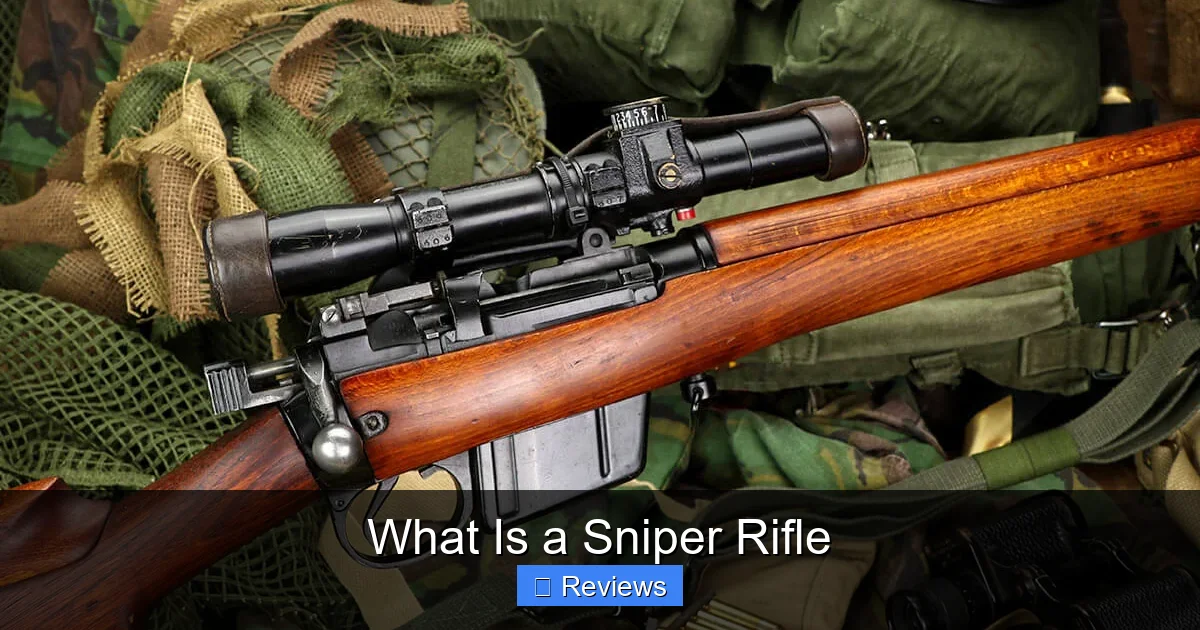
Visual guide about What Is a Sniper Rifle
Image source: content.osgnetworks.tv
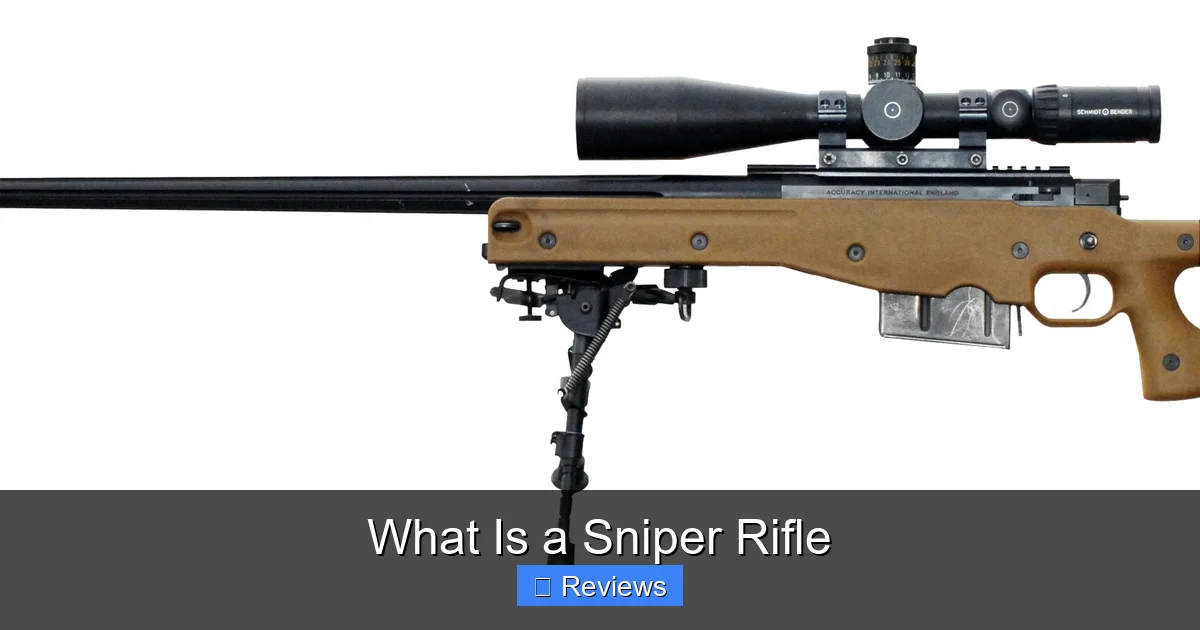
To understand *what* a sniper rifle is, we need to look at its constituent parts and how they contribute to its overall performance. Each component is chosen or designed with accuracy as the primary goal.
The Receiver and Action: Heart of Precision
The receiver is the central part of the rifle, housing the action (the mechanism that loads, fires, and ejects cartridges). In a precision sniper rifle, the receiver is typically machined from a single, robust block of steel or aluminum. This rigidity is crucial because any flex or movement in the receiver can negatively impact accuracy.
* **Bolt-Action:** Many traditional sniper rifles use a bolt-action mechanism. This manual system requires the shooter to cycle the bolt to load each round. The simplicity and fewer moving parts of a bolt-action contribute to its inherent accuracy and consistency compared to semi-automatic designs. The lock-up between the bolt and the receiver is extremely tight, ensuring consistent cartridge alignment.
* **Semi-Automatic:** While less common for extreme long-range, many modern military and law enforcement sniper rifles are semi-automatic. These allow for faster follow-up shots but can introduce more moving parts and vibrations, potentially impacting absolute precision. However, advancements in design have made these increasingly accurate.
Heavy, Free-Floating Barrel: The Accuracy Enabler
The barrel is arguably the most critical component for accuracy. A sniper rifle almost always features a heavy, free-floating barrel.
* **Heavy Barrel:** A thicker barrel dissipates heat more effectively, which reduces the point of impact shift that can occur as a barrel heats up during firing. It also adds stiffness, minimizing barrel whip or vibration as the bullet travels through it.
* **Free-Floating:** This means the barrel only touches the receiver and doesn’t make contact with the stock or forearm along its length. Any pressure or contact from the stock can subtly change the barrel’s harmonics and cause the bullet to exit at a slightly different angle, leading to inaccuracy. Free-floating eliminates this variable.
* **Chamber and Rifling:** The chamber, where the cartridge sits, is precisely cut to exact tolerances. The rifling (the helical grooves inside the barrel) is also manufactured to extremely high standards, ensuring consistent bullet spin and stability.
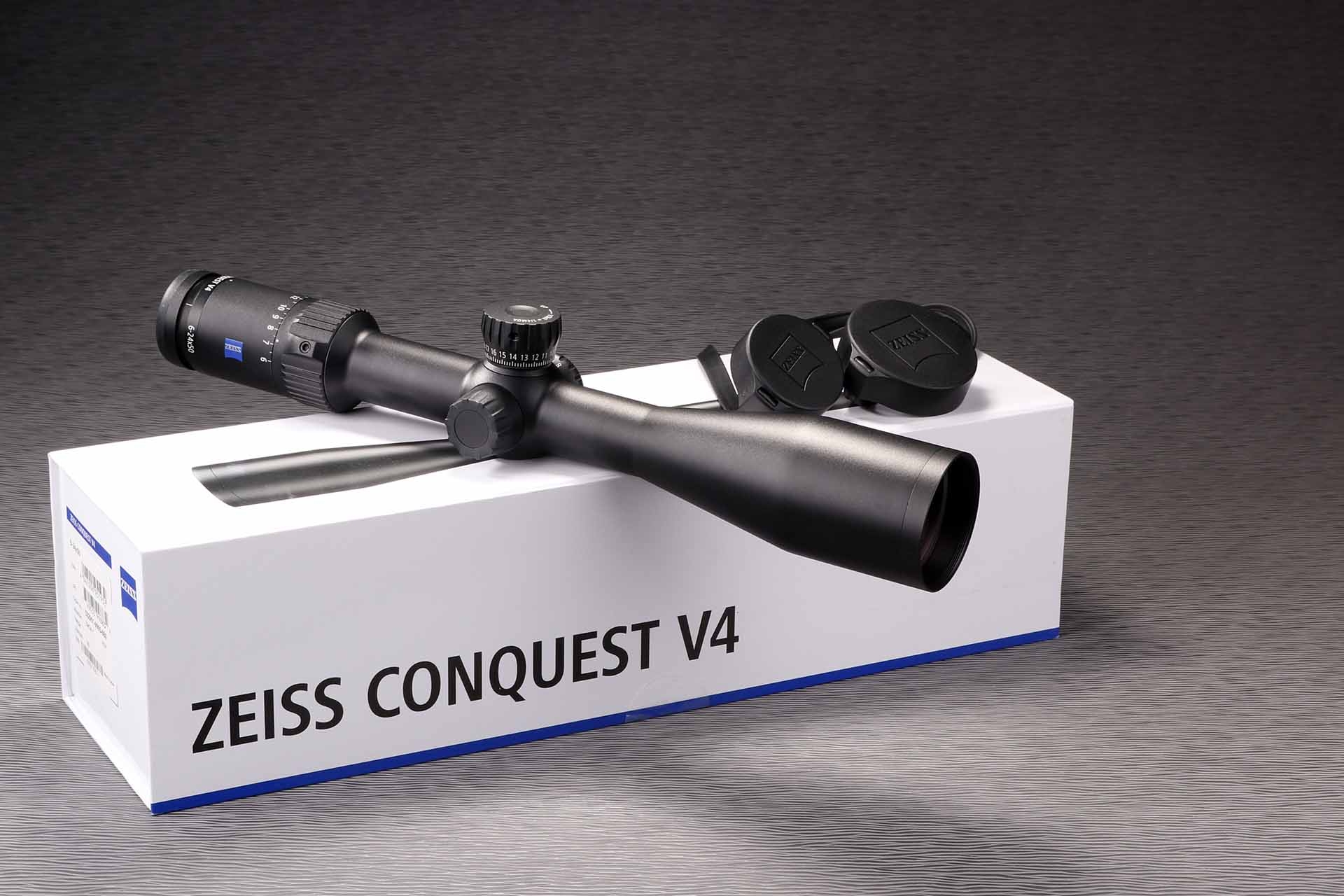
Specialized Optics: Magnification and Clarity
A sniper rifle without a high-quality scope is like a high-performance car without tires. The optic is essential for accurately seeing and ranging targets at long distances.
* **High Magnification:** Sniper scopes typically offer significant magnification (e.g., 10x to 25x or even higher) to clearly identify targets and aim precisely at small points.
* **Superior Glass Quality:** Clarity, light gathering, and resolution are paramount. High-quality glass minimizes distortion and allows the shooter to see fine details even in challenging light conditions.
* **Adjustable Turrets:** These allow the shooter to dial in precise adjustments for elevation (bullet drop) and windage (wind drift), compensating for external factors.
* **Reticle Features:** Many sniper scopes feature specialized reticles with markings for ranging targets, estimating bullet drop, and compensating for wind.
The Stock and Ergonomics: Stability and Comfort
The rifle stock connects the rifle to the shooter, and its design significantly impacts stability, comfort, and the shooter’s ability to maintain a consistent firing position.
* **Adjustability:** Sniper rifle stocks are often highly adjustable, allowing the shooter to customize length of pull (distance from trigger to shoulder), comb height (where the cheek rests), and sometimes even buttpad angle. This ensures a perfect, repeatable fit for different shooters and firing positions.
* **Rigid Construction:** Materials like reinforced polymers, aluminum, or composite laminates are used to create a stiff, stable platform that won’t flex under recoil or pressure.
* **Bedding:** The process of “bedding” precisely mates the receiver to the stock, eliminating any play and ensuring consistent alignment.
* **Bipods and Monopods:** Most sniper rifles are equipped with bipods (two legs at the front) for stability when shooting from a prone position, and often a monopod (single leg at the rear) for fine elevation adjustments.
Trigger System: Crisp and Predictable
The trigger is the shooter’s direct interface with the firing mechanism, and its quality is crucial for accurate shot placement.
* **Light Pull Weight:** Sniper rifle triggers typically have a very light pull weight (often 1 to 3 pounds), reducing the effort required to fire and minimizing disturbance to the rifle’s aim.
* **Crisp Break:** A good sniper trigger “breaks” cleanly and predictably, with no creep or overtravel. This means there’s no spongy feeling before the shot, and the firing pin releases precisely when expected.
* **Adjustability:** Many precision triggers are adjustable for pull weight and overtravel, allowing the shooter to fine-tune them to their preference.
Ammunition: The Right Fuel
Even the best sniper rifle is only as accurate as the ammunition it fires.
* **Match-Grade Ammunition:** Sniper rifles are almost exclusively used with match-grade ammunition. This ammo is manufactured to extremely tight tolerances, with precise bullet weights, consistent powder charges, and high-quality cases and primers. This consistency minimizes variations in muzzle velocity and ballistic trajectory.
* **Bullet Design:** Bullets designed for long-range precision often have a high ballistic coefficient, meaning they are aerodynamic and retain their velocity well, resisting wind drift.
Types of Sniper Rifles
While the core principles of precision remain, sniper rifles come in different configurations, each suited for particular roles or preferences.
Bolt-Action Sniper Rifles: The Traditional Choice
When most people envision a sniper rifle, they often picture a bolt-action. These are the gold standard for extreme long-range precision due to their mechanical simplicity and rigidity. Examples include the Remington 700-based systems (like the M24 SWS), Accuracy International Arctic Warfare (AW) series, and various custom builds. Their slow rate of fire is offset by their unparalleled accuracy potential, making them ideal for situations where a single, precise shot is critical.
Semi-Automatic Sniper Rifles (DMRs): Speed and Follow-up Shots
Increasingly, military and law enforcement units use semi-automatic precision rifles, often called Designated Marksman Rifles (DMRs) or Semi-Automatic Sniper Systems (SASS). While generally not as inherently accurate at extreme ranges as their bolt-action counterparts due to the moving parts of their gas-operating systems, they offer a significant advantage in terms of faster follow-up shots and engagement of multiple targets. The M110 SASS and various AR-10 platform derivatives are common examples. These rifles bridge the gap between a standard service rifle and a dedicated long-range precision bolt-action.
Anti-Material Rifles: Beyond Human Targets
A specialized category of sniper rifle is the anti-material rifle, typically chambered in very large calibers like .50 BMG (12.7x99mm NATO). These rifles are designed to engage targets beyond human scale, such as light armored vehicles, radar dishes, parked aircraft, or enemy equipment, at very long distances (often over 1,500 meters). They are characterized by their massive size, heavy recoil (often mitigated by large muzzle brakes), and immense power. While they can be used against personnel, their primary role is equipment destruction. The Barrett M82/M107 is a famous example of an anti-material sniper rifle.
The Role of the Sniper and Their Rifle
It’s crucial to understand that a sniper rifle, no matter how advanced, is only one part of the equation. The human element—the sniper—is equally, if not more, important.
Marksmanship: The Human Element
A sniper’s training goes far beyond merely pulling a trigger. They must master advanced marksmanship techniques, including breath control, trigger discipline, natural point of aim, and recoil management. They spend countless hours practicing to achieve perfect shot placement. Without an expert marksman, even the finest sniper rifle is just a fancy piece of metal. The synergy between the shooter and the sniper rifle is what unlocks its true potential.
Ballistics and Environmental Factors
Long-range shooting is a science. Snipers must have a deep understanding of external ballistics – how the bullet is affected by gravity, air resistance, and spin. They meticulously calculate bullet drop and wind drift based on factors like:
* **Distance:** The primary factor affecting bullet drop.
* **Wind:** Velocity and direction of wind can push a bullet significantly off course.
* **Temperature and Humidity:** Affects air density, which in turn affects bullet drag.
* **Barometric Pressure:** Another factor influencing air density.
* **Spin Drift/Coriolis Effect:** Subtle forces that become significant at extreme ranges.
* **Angle:** Shooting uphill or downhill requires specific adjustments.
Snipers use specialized tools like rangefinders, weather meters, and ballistic calculators to gather data and make precise adjustments to their scope settings. Mastering these calculations and reading the environment is a skill that takes years to develop.
Ethical Considerations and Training
The use of a sniper rifle, particularly in military or law enforcement contexts, carries immense ethical responsibility. Snipers are trained to make critical decisions, often under extreme pressure, and must adhere to strict rules of engagement. Their precision allows for surgical strikes that minimize collateral damage, making them a valuable asset in conflict resolution, but their training emphasizes responsible and ethical application of their unique capabilities.
Dispelling Myths About Sniper Rifles
The mystique surrounding sniper rifles often leads to common misconceptions, particularly fueled by popular media. Let’s clear some of them up.
“One Shot, One Kill” is Not Always the Rule
While precision is the goal, the idea that every shot from a sniper rifle is an instant, guaranteed kill is a simplification. Many factors can influence the outcome of a shot, including target movement, wind gusts, and human error. Snipers train for multiple engagements and follow-up shots, understanding that the battlefield is rarely as predictable as a shooting range. The phrase refers more to the *aim* and *intent* of precision shooting rather than an absolute guarantee of outcome.
Not Just for “Sniping”
While the name implies it, a sniper rifle isn’t exclusively used for military “sniping” in the traditional sense. These precision firearms are widely used in competitive long-range shooting sports, where marksmen strive for minute-of-angle (MOA) accuracy at distances exceeding 1,000 yards. Law enforcement sharpshooters use them for hostage situations or high-risk takedowns, where precise neutralization of a threat is paramount and minimizing harm to others is critical. The term “precision rifle” is often preferred in these civilian and non-military contexts to avoid negative connotations.
Hollywood vs. Reality
Movies often depict snipers making impossible shots without any calculation, seeing targets miles away as if through binoculars, and hitting targets effortlessly in high winds. The reality is far more grueling. Long-range shooting involves extensive data collection, meticulous calculations, careful observation of environmental conditions, and immense physical and mental discipline. The target acquisition and shot process for a trained sniper can take minutes, not seconds, especially at extreme distances. What you see in film is usually a heavily dramatized version of a very complex and demanding skill.
Conclusion
A sniper rifle is far more than just a gun with a scope. It is a highly specialized system, meticulously engineered and crafted for the singular purpose of achieving extreme accuracy and reliability at long distances. From its heavy, free-floating barrel to its precision trigger and high-magnification optics, every element of a sniper rifle is designed to minimize variables and maximize the likelihood of a perfect shot.
However, the true power of a sniper rifle is only unlocked when placed in the hands of a highly skilled and rigorously trained marksman. The human element, with its mastery of ballistics, environmental factors, and unwavering discipline, completes the system. Whether used in military operations, law enforcement, or competitive shooting, the sniper rifle stands as a testament to the pursuit of precision, a tool that, when wielded by an expert, can achieve feats of marksmanship that truly border on the extraordinary.
🎥 Related Video: One of the best sniper rifles in the world
📺 Polenar Tactical
Sako TRG is one of the best sniper rifles – made in Finland.
Frequently Asked Questions
What makes a sniper rifle more accurate than a regular hunting rifle?
A sniper rifle’s superior accuracy comes from a combination of specialized features: a heavy, free-floating barrel that minimizes vibration and heat distortion, a rigid receiver and action, a precise trigger, and high-quality, purpose-built optics. Every component is chosen and optimized for consistency and precision, which is not the primary design goal for a general-purpose hunting rifle.
How far can a typical sniper rifle shoot accurately?
The effective range of a sniper rifle varies significantly depending on the caliber, rifle design, ammunition, and the skill of the shooter. Many bolt-action sniper rifles are routinely accurate out to 800-1,000 meters (roughly half a mile to over half a mile), with some specialized anti-material rifles or extremely skilled marksmen achieving record shots beyond 2,000 meters (over a mile).
Is a Designated Marksman Rifle (DMR) the same as a sniper rifle?
Not exactly. While a DMR shares many characteristics with a sniper rifle, such as precision and optics, it’s typically a semi-automatic platform designed for faster engagements at slightly shorter ranges (often up to 600-800 meters) than a dedicated bolt-action sniper rifle. DMRs bridge the gap between standard infantry rifles and specialized bolt-action sniper rifles, providing precision fire support within an infantry squad.
What kind of training does a sniper undergo to use their rifle effectively?
Snipers undergo extensive and rigorous training that goes far beyond basic marksmanship. They learn advanced shooting techniques, ballistics, wind reading, range estimation, camouflage, observation skills, target acquisition, land navigation, and tactical deployment. Their training emphasizes mental discipline, patience, and the ability to make critical decisions under pressure, all essential for effectively utilizing a sniper rifle.
Why are bolt-action sniper rifles often preferred over semi-automatic ones for extreme precision?
Bolt-action sniper rifles are often preferred for extreme precision due to their inherent mechanical simplicity and rigidity. The manual action means fewer moving parts during the firing cycle, resulting in less vibration and a more consistent lock-up of the cartridge in the chamber. This reduced complexity helps maintain a higher level of accuracy compared to semi-automatic designs, which have gas systems and moving bolts that can introduce subtle inconsistencies.
Do sniper rifles use standard ammunition?
No, sniper rifles typically do not use standard mass-produced ammunition. Instead, they are almost exclusively paired with “match-grade” or “precision” ammunition. This ammunition is manufactured to much tighter tolerances, using higher quality components like consistent powder charges, precisely crafted bullets, and uniform cases, all of which contribute to superior accuracy and predictable ballistic performance, essential for long-range precision shooting.