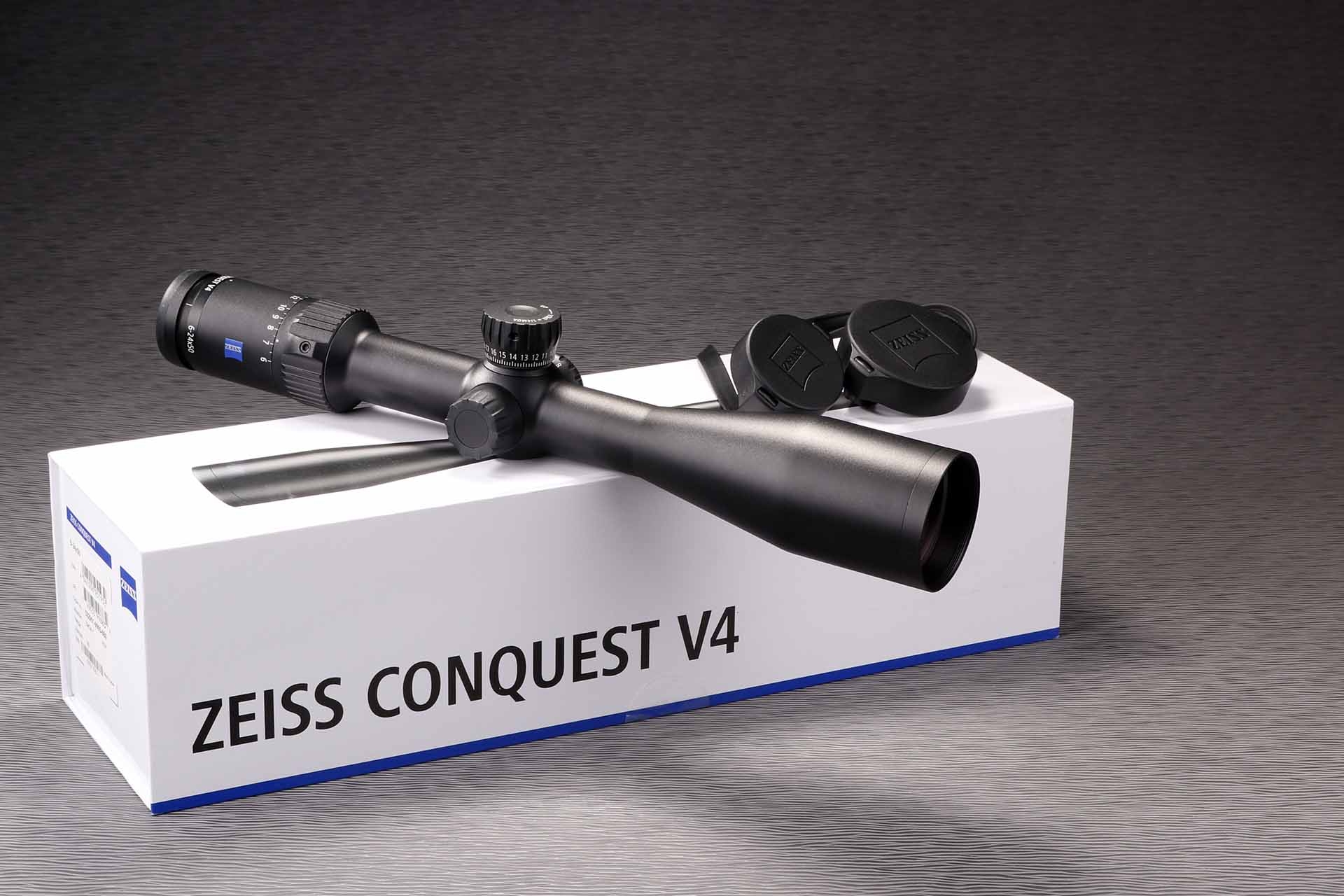
The rifle receiver is the core component of any rifle, housing critical parts like the trigger and firing mechanism. Legally, it’s designated as the “firearm” by serial number, making it the regulated part requiring registration and background checks. Understanding the receiver is crucial for responsible ownership and appreciating how a rifle functions.
Key Takeaways
- The Core Component: The rifle receiver is the central part of a rifle, acting as the foundation that connects all other major components.
- Legal Definition of a Firearm: Legally, the receiver itself is considered the “firearm” because it bears the serial number and contains the firing mechanism.
- Housing Critical Parts: Receivers house essential components like the bolt, trigger assembly, and often the magazine well, enabling the rifle’s function.
- Variety of Types: Rifle receivers come in many forms, tailored to different rifle actions such as bolt-action, semi-automatic (AR-style), lever-action, and more.
- Manufacturing and Customization: Receivers are manufactured through precise processes, with options for home-building (80% receivers) requiring careful legal consideration.
- Maintenance is Key: Proper care, cleaning, and inspection of your rifle receiver are vital for its longevity, reliability, and safe operation.
Quick Answers to Common Questions
What is the most important part of a rifle?
The rifle receiver is considered the most important part because it houses the essential firing mechanism and is legally defined as the firearm.
Does a rifle receiver have a serial number?
Yes, every commercially manufactured rifle receiver is required to have a unique serial number, which is its legal identifier.
Can you buy a rifle receiver separately?
Yes, in many jurisdictions, you can purchase a rifle receiver separately from a licensed dealer, but it requires the same background check and paperwork as buying a complete firearm.
Are upper and lower receivers the same thing?
No, on platforms like the AR-15, the lower receiver contains the trigger assembly and serial number (making it the legal firearm), while the upper receiver houses the barrel and bolt carrier group.
What is an 80% receiver?
An 80% receiver is an unfinished receiver blank that requires further machining by the end-user to become a functional firearm, and it is not legally considered a firearm until completed.
📑 Table of Contents
- What Is a Rifle Receiver?
- Why the Receiver Holds Legal Significance
- Deconstructing the Receiver: Parts and Functions
- A World of Receivers: Different Types and Their Characteristics
- From Parts to Precision: Manufacturing and Customization
- Maintaining and Modifying Your Rifle Receiver
- Conclusion: The Enduring Importance of the Rifle Receiver
What Is a Rifle Receiver?
Have you ever looked at a rifle and wondered about its inner workings? While many parts like the barrel, stock, and scope are easily identifiable, there’s one central component that’s often less understood but undeniably the most important: the rifle receiver. Think of it as the heart and soul of the firearm, the piece that holds everything together and makes the magic happen. Without a functional receiver, a rifle is just a collection of parts.
This crucial piece isn’t just mechanically vital; it also carries significant legal weight. In the eyes of the law, the receiver *is* the firearm. It’s the part that bears the serial number, the identifying mark that traces its origin and ownership. So, whether you’re a seasoned shooter, a curious enthusiast, or someone just starting to learn about firearms, understanding what a rifle receiver is, what it does, and why it’s so important is absolutely essential. Let’s dive in and demystify this critical component together!
The Heart of the Rifle: Understanding the Receiver
At its most basic, the rifle receiver is the structural frame of the firearm. It’s the central housing where the barrel, stock, trigger mechanism, and operating parts (like the bolt or bolt carrier group) all come together. Imagine building a house; the receiver is like the main frame or foundation that everything else attaches to. It provides the necessary strength and rigidity to contain the forces generated when a cartridge is fired, ensuring safe and reliable operation.
Different types of rifles have different receiver designs, but their core function remains the same: to integrate the firing mechanism and cycling parts into a single, cohesive unit. This integration allows the rifle to perform its primary tasks: loading a round, firing it, and then extracting and ejecting the spent casing, often preparing for the next shot. Without a properly designed and manufactured rifle receiver, the entire system would fail to function, or worse, be unsafe.
Why the Receiver Holds Legal Significance
Here’s where things get really interesting and, frankly, very important. In the United States, under federal law, the rifle receiver is the component that is legally classified as the “firearm.” This designation might seem a bit counterintuitive to some, as a receiver alone can’t fire a projectile. However, it’s because the receiver houses the critical components necessary to *complete* a functional firearm, and it’s the part that is serialized.
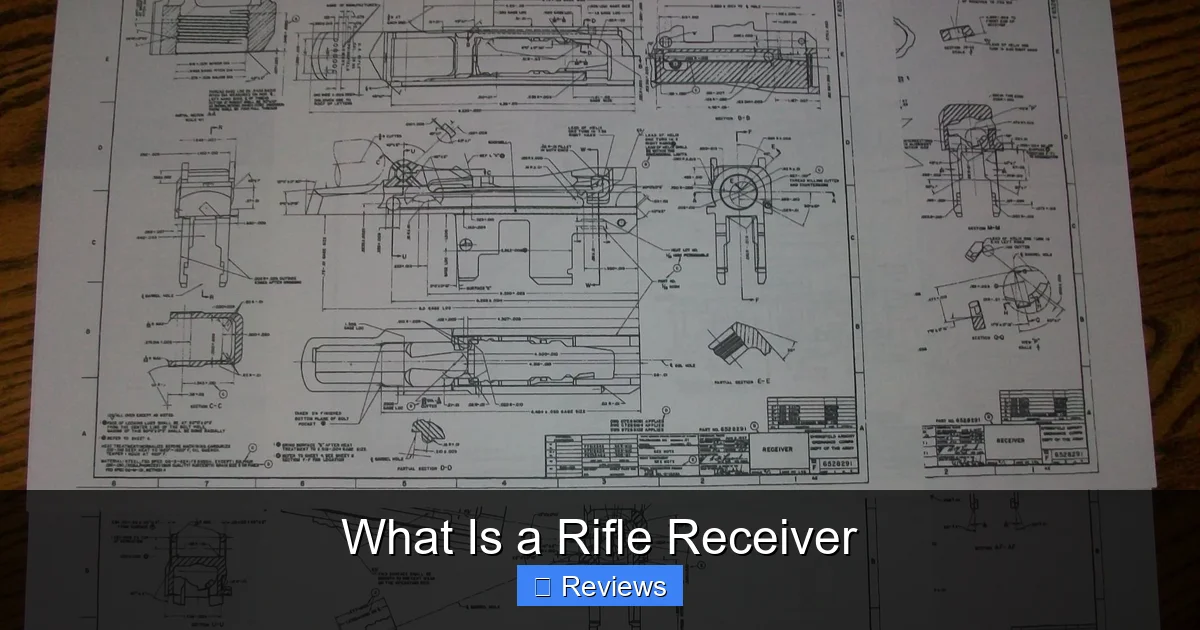
Visual guide about What Is a Rifle Receiver
Image source: pictures.abebooks.com
The Serial Number: Your Receiver’s ID
Every commercially manufactured rifle receiver has a unique serial number stamped or engraved onto it. This number is like the vehicle identification number (VIN) on your car; it’s how the rifle is identified, tracked, and registered. When you purchase a complete rifle or just a standalone receiver from a licensed dealer (an FFL), it’s the serial number on the rifle receiver that goes on the paperwork, and it’s this part that requires a background check.
This legal definition has profound implications for ownership, sales, and transfers. If you buy a rifle, you’re technically buying the receiver. All other parts – the barrel, stock, handguard, optics – can generally be bought and sold without specific federal firearm regulations (though state and local laws can vary). This is why you often see “lower receivers” for AR-15s sold as the regulated part; it’s the serialized piece that controls the entire transaction.
Deconstructing the Receiver: Parts and Functions
While the overall concept of a rifle receiver is straightforward, its internal and external features are quite complex and vital for a rifle’s operation. Let’s break down some of the key areas you’ll find on most rifle receivers, though specifics will vary greatly by firearm type.
Upper vs. Lower Receivers (AR-Platform Example)
One of the most common examples of a modular rifle receiver system is found in the AR-15 platform. Here, the receiver is actually split into two main components:
- The Lower Receiver: This is the legally defined “firearm.” It contains the fire control group (trigger, hammer, safety selector), the magazine well (where the magazine is inserted), and the pivot and takedown pin holes that connect to the upper receiver. The stock also typically attaches to the lower receiver.
- The Upper Receiver: This part typically houses the bolt carrier group, the charging handle, and the barrel. While integral to the rifle’s function, the upper receiver itself is *not* legally considered the firearm in most contexts, as it lacks the serial number and trigger components.
This modularity allows for extensive customization, where different uppers with various barrel lengths and calibers can be swapped onto a single lower receiver, transforming the rifle for different purposes.
Key Features Found on Most Receivers
- Action Housing: This is the main cavity where the rifle’s action (e.g., bolt, bolt carrier group) operates. It provides the rails or channels for these moving parts to cycle smoothly.
- Trigger Group Mounting: The receiver has specific cutouts and pinholes to securely mount the trigger assembly, which includes the trigger, hammer, sear, and safety mechanism.
- Magazine Well/Feed Ramp: For rifles that use detachable magazines, the receiver features a magazine well to accept and secure the magazine. Inside, a feed ramp guides cartridges from the magazine into the chamber.
- Ejection Port: This is an opening through which spent cartridge casings are ejected after firing.
- Barrel Threading/Mounting Point: The front of the receiver is where the barrel is securely attached, often using threads or a barrel nut, ensuring precise alignment and strength.
- Optic Mounting Solutions: Many rifle receivers feature integrated rails (like Picatinny or Weaver) or drilled and tapped holes to allow for the attachment of scopes, red dot sights, or other aiming devices.
- Stock Attachment Point: The rear of the receiver typically provides a sturdy interface for attaching the buttstock, which helps in aiming and absorbing recoil.
A World of Receivers: Different Types and Their Characteristics
Just as there are many types of rifles, there are many corresponding rifle receiver designs. Each is optimized for the specific action and purpose of the firearm. Let’s look at a few common examples:
Bolt-Action Receivers
Bolt-action rifles, famous for their precision and reliability, typically feature a robust, single-piece receiver. This type of rifle receiver is often cylindrical or box-shaped, milled from a solid block of steel. It precisely houses the bolt, which locks into the receiver’s front lugs to contain the immense pressure of firing. The receiver also integrates the magazine well (for internal or detachable magazines) and the attachment points for the barrel and stock. Precision bolt-action receivers are known for their tight tolerances, contributing to the rifle’s inherent accuracy.
Semi-Automatic Receivers (e.g., AR-15, AK-47)
As discussed, AR-15 style receivers are typically split into upper and lower components, offering unmatched modularity. The lower rifle receiver is the serialized part. AK-47 receivers, in contrast, are often stamped steel, folded and riveted, or milled from solid steel. They integrate the entire firing mechanism, bolt carrier guides, and barrel trunnion (where the barrel is pressed in). Their robust design is known for reliability in harsh conditions.
Lever-Action Receivers
Lever-action rifles, icons of the Old West, feature distinctive receivers that house a unique lever mechanism. These receivers are often a single, strong unit, sometimes with a side plate that can be removed for cleaning. They guide the operating lever and carrier system, which loads cartridges from a tubular magazine (often under the barrel) and ejects spent casings. Their design is a blend of strength and aesthetics, often featuring smooth, flowing lines.
Receiver Materials and Manufacturing
Rifle receivers are manufactured from a variety of materials, chosen for strength, weight, and cost:
- Steel: Extremely strong and durable, often used in bolt-action and some high-end semi-automatic receivers. Offers excellent resistance to wear and pressure.
- Aluminum Alloys: Lighter than steel, commonly used for AR-15 upper and lower receivers. Offers a great strength-to-weight ratio and is often anodized for corrosion resistance.
- Polymer: Increasingly popular for lower receivers (especially AR-15s) due to its light weight and lower manufacturing cost. Modern polymers are very strong and durable.
Manufacturing processes include machining from billet (solid blocks), forging (compressing metal into shape), stamping (shaping sheet metal), and casting (pouring molten metal into a mold). Each method has its advantages in terms of cost, strength, and design flexibility.
From Parts to Precision: Manufacturing and Customization
The journey of a rifle receiver from raw material to a functioning firearm component is a testament to modern engineering and manufacturing. Precision is paramount, as even tiny deviations can impact accuracy, reliability, and safety. But beyond factory production, there’s a fascinating world of customization and even home-building.
The Art of Receiver Manufacturing
High-quality rifle receivers are often made through meticulous CNC machining from solid blocks of steel or aluminum. This process allows for incredibly tight tolerances, ensuring that all internal components fit perfectly and operate smoothly. Forged receivers, made by hammering or pressing metal into shape, offer superior strength and grain structure, making them highly durable. Stamped receivers, while less expensive to produce, require careful design and assembly to ensure rigidity.
Every step, from material selection to final inspection, aims to create a receiver that can withstand the immense pressures of firing, guide the action flawlessly, and provide a stable platform for the barrel and sighting systems. The quality of the rifle receiver directly impacts the overall performance and longevity of the rifle.
Understanding 80% Receivers
Perhaps one of the most interesting aspects related to rifle receivers is the concept of an “80% receiver.” This refers to a receiver blank that is not yet fully machined to the point where it can function as a firearm. Because it’s incomplete, it doesn’t meet the legal definition of a firearm and therefore can be purchased without a background check or serial number, under current federal law.
- What is it? An 80% receiver typically lacks critical machining steps, such as drilling the pinholes for the trigger assembly or milling out the internal cavity where the trigger and hammer reside. It’s essentially a block of metal or polymer in the shape of a receiver, but not yet functional.
- Why are they popular? For enthusiasts, completing an 80% receiver offers the satisfaction of building a firearm from scratch. It also allows for a deep understanding of the rifle’s mechanics. When completed by an individual for personal use, the resulting firearm is not required to have a serial number under federal law (though some states have different regulations).
- Legal Considerations: It’s crucial to understand that while an 80% receiver itself is unregulated, *completing* it into a functional firearm makes it subject to all applicable laws. If you intend to sell or transfer a self-made firearm, it typically *must* be serialized and registered. State and local laws regarding 80% receivers and privately manufactured firearms vary widely, so always check your local regulations before embarking on such a project.
Maintaining and Modifying Your Rifle Receiver
Just like any other precision tool, your rifle receiver benefits greatly from proper care and attention. Regular maintenance not only prolongs the life of your rifle but also ensures its safe and reliable operation. Beyond maintenance, receivers are also key points for modification and upgrades.
Keeping Your Receiver in Top Shape
Caring for your rifle receiver involves a few key practices:
- Cleaning: After shooting, especially with corrosive ammunition, it’s vital to clean the receiver’s internal surfaces. Carbon buildup, gunpowder residue, and fouling can impede the smooth operation of the bolt or bolt carrier group. Use appropriate cleaning solvents and brushes, making sure to remove all debris.
- Lubrication: Moving parts within the receiver, such as bolt rails or contact points, require proper lubrication to reduce friction and wear. Follow the manufacturer’s recommendations for type and amount of lubricant.
- Inspection: Regularly inspect your receiver for any signs of wear, cracks, or damage. Pay close attention to areas around pins, locking lugs, and the barrel extension. If you notice anything unusual, consult a qualified gunsmith immediately.
- Storage: Store your rifle in a dry, temperature-controlled environment to prevent rust and corrosion. A light coat of oil on external surfaces, especially steel receivers, can offer protection.
Upgrades and Customization
The rifle receiver is often the starting point for customization. For AR-platform rifles, swapping out the lower receiver’s internal components (like triggers, safety selectors, and bolt releases) is a popular way to enhance performance and ergonomics. On bolt-action rifles, the receiver might be glass-bedded into a new stock to improve accuracy, or an aftermarket trigger might be installed for a crisper pull.
You can also upgrade aesthetic elements. Different finishes, such as cerakote or anodizing, can protect the receiver from environmental elements while giving your rifle a unique look. The possibilities for customization are vast, allowing you to tailor your rifle to your specific needs and preferences, all centered around that fundamental rifle receiver.
Conclusion: The Enduring Importance of the Rifle Receiver
So, what is a rifle receiver? It’s much more than just a piece of metal or polymer. It is the central nervous system, the backbone, and the legal identity of your rifle. From housing the firing mechanism to bearing the crucial serial number, the receiver orchestrates the entire operation of the firearm, ensuring safety, reliability, and precision. Whether you’re assembling a custom build from an 80% blank, maintaining a cherished family heirloom, or simply understanding the components of your first rifle, the rifle receiver demands respect and understanding.
Its legal significance means responsible ownership starts with understanding this key component. Its mechanical function means the performance of your rifle is intrinsically linked to its quality and design. And its adaptability allows for a world of customization, making each rifle truly your own. So the next time you hold a rifle, take a moment to appreciate the complex engineering and critical role played by that unassuming, yet indispensable, rifle receiver.
🎥 Related Video: What Is Receiver On A Gun? – Southern Culture Collective
📺 Southern Culture Collective
What Is Receiver On A Gun? In this informative video, we will take a closer look at one of the most important components of a …
Frequently Asked Questions
Is the rifle receiver the only part that’s regulated?
Under federal law in the U.S., the rifle receiver is the *only* part of a rifle that is legally classified as the “firearm” because it bears the serial number and contains or facilitates the firing mechanism. Other components like barrels, stocks, or handguards are generally unregulated.
Can I make my own rifle receiver?
Yes, individuals can generally manufacture their own firearms for personal use, including completing an 80% receiver, without needing a license or serial number under federal law. However, state and local laws vary greatly, and if you intend to sell or transfer it, it typically must be serialized and registered.
How does the type of receiver affect a rifle’s performance?
The type and quality of a rifle receiver significantly impact performance. A robust, precisely machined receiver contributes to accuracy, reliability, and durability by ensuring consistent alignment of components and securely containing firing pressures. Different designs also dictate the rifle’s action and modularity.
What materials are rifle receivers typically made from?
Rifle receivers are commonly made from steel, aluminum alloys, or polymer. Steel offers maximum strength, aluminum provides a good balance of strength and weight, and polymer is lightweight and cost-effective for certain applications. The choice of material often depends on the rifle’s design and intended use.
Why are AR-15 lower receivers so commonly discussed?
AR-15 lower receivers are frequently discussed because, on the AR platform, the lower receiver is the serialized component that legally constitutes the “firearm.” This modular design allows for extensive customization and interchangeability of upper receivers and other parts, making the lower receiver the central regulated piece.
Does cleaning a rifle receiver require special tools?
While basic cleaning kits with brushes, patches, and solvents are often sufficient, some rifle receivers, especially those with intricate internal components, may benefit from specific tools like small picks, bore snakes, or specialized brushes to reach all areas. Always consult your rifle’s manual for recommended cleaning procedures.