A pre-charged pneumatic (PCP) air rifle is a sophisticated airgun that uses a self-contained reservoir of highly compressed air to propel projectiles. Unlike pump-action or spring-piston models, PCPs offer exceptional accuracy, consistent power, and multi-shot capabilities, making them a top choice for target shooting, hunting, and pest control. They require external equipment to fill their air tanks but deliver a superior, recoil-free shooting experience.
What Is a Pre-charged Pneumatic Air Rifle?
Have you ever wondered about the pinnacle of airgun technology? If you’re a shooting enthusiast, or even just curious about the world of air rifles, you’ve likely come across the term “pre-charged pneumatic,” often shortened to PCP. These aren’t your grandpa’s old BB guns; they represent a significant leap forward in airgun performance, offering levels of accuracy, power, and consistency that were once thought impossible for air-powered firearms.
A pre-charged pneumatic air rifle stands out in a crowded field of airgun options. While spring-piston rifles use a powerful spring and piston to compress air, and pump-action rifles require manual pumping before each shot, PCPs take a different, more sophisticated approach. They utilize a self-contained reservoir that holds a significant volume of highly compressed air, ready to propel pellets downrange with remarkable precision and power, shot after shot. This design fundamentally changes the shooting experience, making PCPs a favorite among competitive shooters, serious hunters, and anyone who demands the best from their air rifle.
So, if you’re looking for an air rifle that combines cutting-edge engineering with an unparalleled shooting experience, understanding what a pre-charged pneumatic air rifle is, how it works, and what makes it special is your first step. Let’s dive deep into the fascinating world of these powerful and precise airguns, exploring everything from their inner workings to why they’ve become so popular among airgun aficionados worldwide.
Key Takeaways
- Definition: A pre-charged pneumatic (PCP) air rifle operates using a built-in reservoir of highly compressed air, offering a distinct advantage over other airgun types.
- Superior Performance: PCPs are renowned for their exceptional accuracy, consistent power output across multiple shots, and generally very low recoil, enhancing the shooter’s control and precision.
- Multi-Shot Capability: Many PCP air rifles feature magazines, allowing for rapid follow-up shots without needing to cock or pump the rifle between each shot.
- External Air Source Required: Unlike springers or pump-ups, PCP air rifles need an external high-pressure air source (like a hand pump, SCUBA tank, or compressor) to fill their internal air reservoirs.
- Higher Initial Investment: The upfront cost for a PCP air rifle and its necessary charging equipment is typically higher than for other types of airguns, but many find the performance justifies the expense.
- Quiet Operation: PCPs are generally quieter than firearms and many other airguns, especially when equipped with a suppressor, making them suitable for backyard plinking or stealthy hunting.
- Maintenance and Safety: Proper maintenance of seals and adherence to high-pressure air safety protocols are crucial for the longevity and safe operation of a PCP air rifle.
Quick Answers to Common Questions
What does PCP stand for in air rifles?
PCP stands for “Pre-Charged Pneumatic,” referring to air rifles that use a pre-filled, self-contained reservoir of highly compressed air.
Are PCP air rifles more powerful than springers?
Generally, yes. PCP air rifles typically offer higher and more consistent power levels than most spring-piston air rifles, especially in larger calibers.
How do you fill a PCP air rifle?
PCP air rifles are filled using external high-pressure air sources such as a manual hand pump, a SCUBA diving tank, or a specialized high-pressure air compressor.
Do PCP air rifles have recoil?
PCP air rifles have very little to no felt recoil, making them much smoother to shoot and easier to maintain accuracy compared to spring-piston air rifles or firearms.
Are PCP air rifles good for hunting?
Yes, many PCP air rifles are excellent for hunting due to their high accuracy, consistent power, and multi-shot capabilities, provided they are of an appropriate caliber and power for the game being pursued.
📑 Table of Contents
Understanding the Core Mechanism of a PCP Air Rifle
At its heart, a pre-charged pneumatic air rifle is an ingenious machine designed for efficiency and consistency. Instead of generating air pressure with each shot, it stores it. This fundamental difference is what gives the PCP its distinct characteristics. Let’s break down the key components that make a PCP air rifle tick.
The High-Pressure Air Reservoir
The most defining feature of a pre-charged pneumatic air rifle is its air reservoir. This is typically a cylinder, integrated into or attached beneath the barrel, designed to hold air at very high pressures—often ranging from 2,000 to 3,600 PSI (pounds per square inch), and sometimes even higher. This reservoir is filled externally using specialized equipment, which we’ll discuss later. Once filled, it stores enough energy for dozens, or even hundreds, of shots, depending on the rifle’s design and caliber. The material used for these reservoirs is robust, often high-grade steel or carbon fiber, ensuring safety and durability under extreme pressure.
Regulated vs. Unregulated Systems
One significant distinction within PCP air rifles is whether they are regulated or unregulated.
- Unregulated PCPs: In an unregulated pre-charged pneumatic air rifle, the air from the reservoir flows directly to the valve when the rifle is fired. This means that as the air pressure in the reservoir drops with each shot, the velocity of the pellets will gradually decrease. While still accurate, the “sweet spot” of consistent shots is usually a narrower band of the total fill pressure.
- Regulated PCPs: A regulated pre-charged pneumatic air rifle incorporates a small device called a regulator between the main air reservoir and the firing valve. The regulator’s job is to deliver a consistent, lower pressure of air to the valve for every shot, regardless of the fluctuating pressure in the main reservoir (as long as the reservoir pressure is above the regulator’s set point). This results in a much flatter shot string, meaning extremely consistent pellet velocities over a larger number of shots, significantly improving accuracy and consistency. Most high-end PCP air rifles feature regulators for this reason.
The Valve and Hammer System
When you pull the trigger of a pre-charged pneumatic air rifle, a mechanism releases a small hammer. This hammer strikes a poppet valve, which is spring-loaded and designed to keep the high-pressure air contained. The impact of the hammer briefly opens the valve, releasing a controlled burst of air that propels the pellet out of the barrel. The speed at which the valve opens and closes, and the volume of air released, are crucial for shot consistency and power. The design of this valve system is highly optimized to deliver just enough air for maximum efficiency, minimizing waste and maximizing the number of usable shots per fill.
Advantages of PCP Air Rifles: Why Shooters Love Them
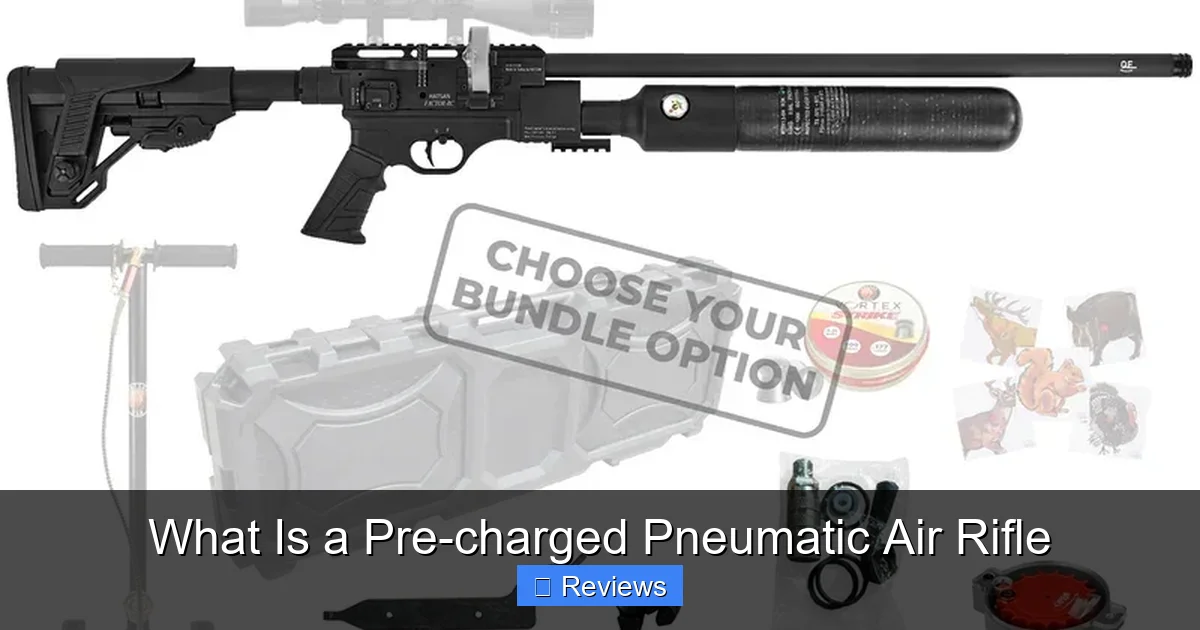
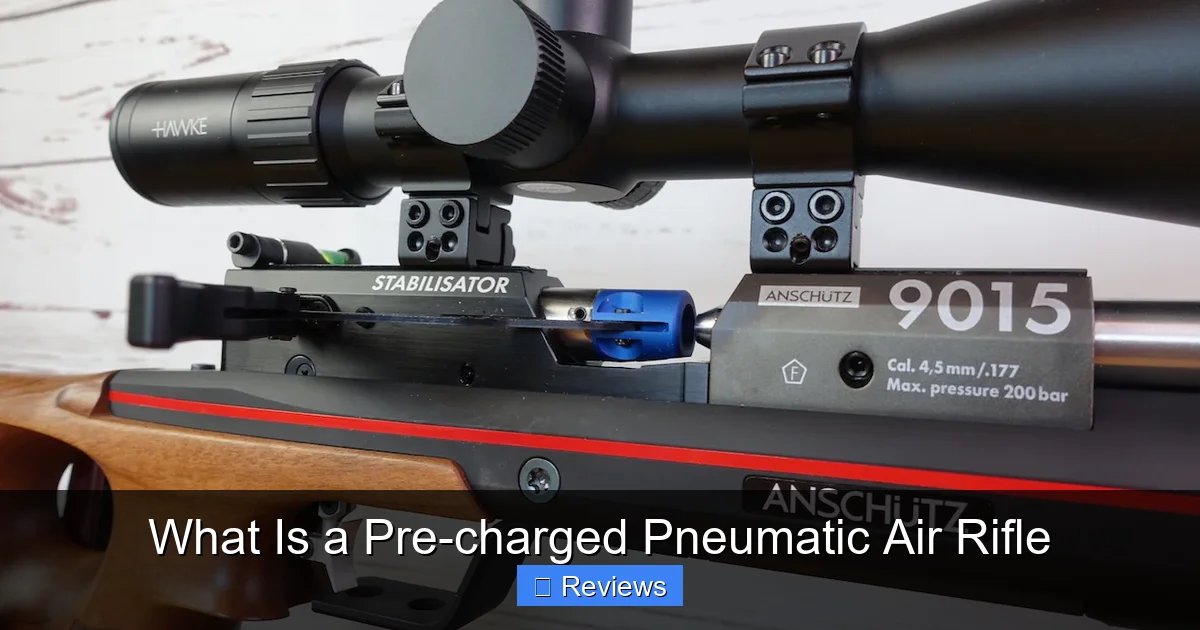
Visual guide about What Is a Pre-charged Pneumatic Air Rifle
Image source: 5.imimg.com
The unique operating principle of a pre-charged pneumatic air rifle translates into several compelling advantages that make them highly sought after by discerning shooters. These benefits often justify the higher initial investment and the need for external charging equipment.
Unmatched Accuracy
Perhaps the most significant advantage of a pre-charged pneumatic air rifle is its inherent accuracy. Because there are no large, heavy springs or pistons moving violently during the firing cycle, PCP air rifles produce very little recoil or vibration. This allows for a much smoother shooting experience, making it easier to hold the rifle steady and achieve tighter groups on target. The consistent air pressure (especially in regulated models) also ensures that each pellet leaves the barrel at virtually the same velocity, leading to predictable trajectories and superior precision. Many PCPs can rival the accuracy of rimfire firearms at comparable distances.
Consistent Power Delivery
As mentioned, regulated PCP air rifles deliver a consistent amount of air for each shot. This means that from the first shot to the last usable shot in a fill, the velocity and power remain remarkably stable. This consistency is vital for hunting, where shot placement and energy transfer are critical, and for target shooting, where precise ballistic performance is key to competitive success. Even unregulated PCPs have a substantial “sweet spot” of consistent shots, far outperforming other airgun types in this regard.
Multi-Shot Convenience
Most modern pre-charged pneumatic air rifles come equipped with a magazine system, allowing them to hold multiple pellets (from 8 to 20 or more, depending on caliber and model). This multi-shot capability means you can take several shots without having to manually load a pellet each time. This is a huge advantage for hunting, pest control, or rapid-fire target practice, where quick follow-up shots can make all the difference. Simply cycle the bolt or lever, and another pellet is loaded and ready to fire.
Low Recoil for Better Control
The absence of a large spring and piston slamming forward means that a pre-charged pneumatic air rifle produces almost no felt recoil. This low-recoil characteristic is a game-changer for several reasons. Firstly, it makes the rifle much more comfortable to shoot, reducing shooter fatigue during long sessions. Secondly, it allows for more precise shot placement, as the rifle isn’t jolted off target by recoil. This is particularly beneficial for shooters new to rifles or those who are recoil-sensitive. Furthermore, it preserves the longevity of scopes, as they are not subjected to the repeated jarring forces that springers can inflict.
Relatively Quiet Operation
Compared to firearms, and even many spring-piston air rifles, a pre-charged pneumatic air rifle is generally much quieter. The sound produced comes mainly from the air exhausting from the barrel and the pellet breaking the sound barrier (if traveling fast enough). Many PCPs come with integrated suppressors or are easily fitted with aftermarket ones, further reducing the muzzle report to a very discreet level. This quiet operation makes them ideal for backyard plinking without disturbing neighbors, or for hunting scenarios where minimal noise is preferred.
Disadvantages and Considerations Before Buying
While the advantages of a pre-charged pneumatic air rifle are compelling, it’s also important to be aware of the potential drawbacks and additional considerations before committing to a purchase. Understanding these factors will help you make an informed decision.
Initial Cost Investment
One of the most significant barriers for many is the initial cost. A good quality pre-charged pneumatic air rifle typically carries a higher price tag than most spring-piston or multi-pump airguns. Furthermore, the rifle itself is only part of the equation. You’ll also need to invest in an external air source to fill its reservoir, which adds considerably to the overall setup cost. This might include a hand pump, a SCUBA tank, or even a specialized high-pressure air compressor.
The Need for Charging Equipment
As mentioned, a pre-charged pneumatic air rifle cannot be used out of the box without first filling its air reservoir. This necessitates an additional purchase of charging equipment. This equipment, whether it’s a hand pump (which requires physical effort), a SCUBA tank (which needs to be refilled at a dive shop), or a dedicated compressor (the most convenient but also the most expensive option), adds another layer of complexity and cost to the PCP experience. This is a crucial distinction from other airgun types that are self-contained.
Maintenance and Seals
Given the high pressures involved, a pre-charged pneumatic air rifle relies on a series of robust O-rings and seals to prevent air leaks. While generally durable, these seals can eventually wear out or dry rot over time, requiring replacement. Proper maintenance, including regular lubrication of fill probes and moving parts, is essential to prevent issues. While not overly complicated, it does require a certain level of care and attention that might be more involved than with simpler airgun designs.
Not Always the Most Portable Option
While many modern pre-charged pneumatic air rifles are becoming lighter and more compact, the need for external air sources can sometimes make them less portable than other airgun types, especially if you’re venturing far from a refill station. If you’re going on an extended hunting trip or to a remote shooting location, you’ll need to consider how you’ll keep your rifle topped up with air. This often means bringing along a bulky air tank or a hand pump, which adds to your gear load.
Filling Your PCP: Methods and Safety
The defining characteristic of a pre-charged pneumatic air rifle is its reliance on a pre-filled air reservoir. Therefore, understanding how to safely and effectively fill your PCP is absolutely essential. There are several popular methods, each with its own pros and cons.
Manual Hand Pumps
This is often the most affordable entry point for new PCP owners. A high-pressure hand pump works much like a bicycle pump, but it’s designed to generate pressures up to 3,000-4,500 PSI. It requires significant physical effort, with many strokes needed to fill an average reservoir. While economical and portable, it can be tiring and generate heat, requiring breaks during filling. Hand pumps are great for occasional use or for topping off a partially filled reservoir on a pre-charged pneumatic air rifle.
Scuba Tanks and Carbon Fiber Bottles
For those who shoot frequently or have multiple PCP air rifles, a SCUBA tank (dive tank) or a dedicated carbon fiber HPA (High-Pressure Air) bottle is a popular choice. These tanks are pre-filled at dive shops or specialized airgun stores and can provide many fills for your PCP before needing a refill themselves. Carbon fiber tanks are lighter than SCUBA tanks of comparable capacity, making them more portable. They offer fast, effortless fills, but you need access to a fill station, and the tanks themselves represent a significant upfront cost. Always ensure your tank and fittings are rated for the pressure of your pre-charged pneumatic air rifle.
High-Pressure Air Compressors
The ultimate in convenience, a dedicated high-pressure air compressor allows you to fill your pre-charged pneumatic air rifle’s reservoir (or your larger HPA tank) from the comfort of your home. These units are highly efficient and can fill reservoirs quickly without manual effort. However, they are also the most expensive option by far, often costing as much as or more than the rifle itself. Compressors are an excellent investment for very active shooters, clubs, or those who value maximum convenience and independence.
Essential Safety Precautions
Regardless of the filling method you choose, safety is paramount when dealing with high-pressure air.
- Read Manuals: Always read and understand the instructions for your pre-charged pneumatic air rifle and your filling equipment.
- Check Ratings: Ensure all components (rifle reservoir, tank, hose, fittings) are rated for the pressure you intend to use. Never exceed the maximum fill pressure stated by the manufacturer.
- Inspect Equipment: Regularly check hoses, connections, and O-rings for wear, damage, or leaks.
- Slow Fills: Fill slowly to prevent excessive heat buildup, especially with hand pumps or large tanks.
- Beware of Moisture: High-pressure air can contain moisture, which can corrode your rifle’s internals. Use dry air (filters are common on compressors and some pumps).
- Never Point at Anyone: Treat a pre-charged pneumatic air rifle with the same respect as a firearm, even when filling.
Choosing the Right PCP Air Rifle for You
With a growing variety of pre-charged pneumatic air rifles on the market, selecting the perfect one can feel a bit overwhelming. However, by considering a few key factors, you can narrow down your choices and find a rifle that perfectly suits your needs and budget.
Determining Your Primary Use
The first question to ask yourself is: “What will I primarily use this pre-charged pneumatic air rifle for?”
- Target Shooting/Plinking: If accuracy and shot count are your main concerns for backyard plinking or competitive target shooting, you might prioritize a regulated rifle with a high shot count and excellent trigger. Caliber might be less critical, with .177 or .22 being common.
- Small Game Hunting/Pest Control: For hunting small game like squirrels, rabbits, or pest birds, you’ll need sufficient power and energy transfer. Calibers like .22, .25, or even .30 are popular choices. Look for reliable power, good accuracy, and perhaps a lighter, more maneuverable rifle.
- Large Game Hunting (where legal): In some regions, powerful big-bore PCP air rifles are legal for hunting larger game like wild hogs or deer. These require significant power, larger calibers (.30, .357, .45, .50), and specialized heavy pellets or slugs. This is a niche area and requires careful research and understanding of local laws.
Caliber Considerations
The choice of caliber for your pre-charged pneumatic air rifle directly impacts its performance characteristics:
- .177 Caliber: Offers the highest velocities and flattest trajectories, making it excellent for target shooting and pest control where precision is key. Pellets are lighter and cheaper.
- .22 Caliber: The most popular all-around caliber. It offers a good balance of velocity, energy, and pellet weight, making it versatile for both target shooting and small game hunting.
- .25 Caliber: Delivers more energy than .22, making it more effective for larger small game and offering better resistance to wind drift. Pellets are heavier and more expensive.
- .30 Caliber and Up (Big Bore): These are specialized for heavy-hitting power, typically used for larger game hunting or extreme long-range shooting. Pellets/slugs are significantly heavier and more costly.
Features and Ergonomics
Consider the features that will enhance your shooting experience with a pre-charged pneumatic air rifle:
- Regulator: As discussed, a regulator significantly improves shot consistency. While increasing cost, it’s often worth it for serious shooters.
- Magazine Capacity: How many shots do you need without reloading? Magazines typically range from 8 to 20+ rounds.
- Adjustability: Can you adjust the trigger pull, hammer spring tension, or power output? This allows for fine-tuning.
- Stock Design: Look for a comfortable and ergonomic stock that fits your body type and shooting style. Ambidextrous stocks, adjustable butt pads, and cheek risers can improve comfort.
- Scope Rails: Ensure the rifle has standard scope rails (Dovetail or Picatinny/Weaver) for easy mounting of optics.
- Weight and Balance: Handle the rifle if possible. A well-balanced rifle feels lighter and is easier to shoot accurately.
Setting Your Budget
Pre-charged pneumatic air rifles vary wildly in price, from entry-level models under $500 to high-end competition rifles costing several thousands. Remember to factor in the cost of charging equipment, a good scope, and pellets into your total budget. It’s often better to save a bit longer for a quality rifle that meets your needs than to buy a cheaper one that you’ll quickly outgrow or be disappointed with.
Conclusion
The pre-charged pneumatic air rifle truly represents the cutting edge of airgun technology. By efficiently storing high-pressure air, these rifles overcome many of the limitations of older designs, offering a shooting experience that is smooth, powerful, and remarkably accurate. From their consistent power delivery and multi-shot capability to their low recoil and quiet operation, PCPs provide a host of benefits that make them ideal for a wide range of applications, from competitive target shooting to serious hunting.
While the initial investment in a pre-charged pneumatic air rifle and its associated charging equipment might be higher, and some maintenance is required, the performance gains are often well worth it for those who demand precision and consistency. By understanding the core mechanics, the advantages, and the practical considerations, you can confidently choose a PCP that will bring you years of shooting enjoyment. So, whether you’re a seasoned shooter looking to upgrade or a newcomer eager to experience the best in airgunning, exploring the world of the pre-charged pneumatic air rifle is a journey sure to impress. Happy shooting!
🎥 Related Video: Hatsan Blitz .30 cal
📺 Freedom Channel
Full Auto.
Frequently Asked Questions
What is the maximum pressure for a PCP air rifle?
The maximum pressure for a PCP air rifle typically ranges from 2,000 PSI to 3,600 PSI (pounds per square inch), with some high-end models going up to 4,500 PSI. Always check the manufacturer’s specifications for your specific rifle and never exceed the recommended fill pressure.
How many shots can you get from a single fill on a PCP?
The number of shots from a single fill varies significantly depending on the rifle’s caliber, its power setting, the size of its air reservoir, and whether it’s regulated. You can expect anywhere from 20-30 powerful shots in larger calibers to well over 100 shots in smaller calibers or lower power settings.
Is a regulated PCP air rifle better than an unregulated one?
For most serious shooters, a regulated PCP air rifle is generally considered better because it provides a much flatter shot string with extremely consistent pellet velocities over more shots. This leads to superior accuracy and predictability, especially at longer ranges, although regulated rifles often come at a higher cost.
Can a PCP air rifle be left charged?
Yes, a PCP air rifle can typically be left charged, but it’s often recommended to store it with a moderate amount of air (not fully topped off or completely empty) to prolong the life of the internal seals. Always consult your rifle’s manual for specific storage recommendations.
What is the lifespan of a PCP air rifle?
With proper care, regular maintenance, and occasional replacement of seals, a quality PCP air rifle can last for many years, even decades. The main components like the barrel and receiver are very durable, with most wear-and-tear occurring in O-rings and valve components, which are usually replaceable.
Do PCP air rifles require specific pellets?
While PCP air rifles can technically shoot standard airgun pellets, they often perform best with high-quality, consistent pellets specifically designed for accuracy and power. Experimenting with different brands, weights, and head shapes is crucial to find the optimal pellet for your particular pre-charged pneumatic air rifle.