Finding what is a good hunting rifle is a deeply personal journey, dependent on your specific hunting needs, target game, and physical comfort. It’s not about the most expensive option, but rather the rifle that offers a reliable blend of accuracy, appropriate caliber, and ergonomic fit for your intended use. Prioritizing these factors, alongside crucial safety and maintenance practices, ensures a successful and responsible hunting experience.
What Is a Good Hunting Rifle?
Hunting is a timeless pursuit, connecting us with nature, providing sustenance, and testing our skills. At the heart of a successful and ethical hunt lies a critical piece of equipment: the hunting rifle. But if you’re new to the world of firearms, or even if you’re an experienced hunter looking to upgrade, you might find yourself asking, “What is a good hunting rifle?” It’s a question that doesn’t have a single, simple answer, because what’s “good” for one hunter might not be ideal for another.
Think of it like buying a car. A sports car is great for speed, an SUV for family trips, and a truck for hauling. Each is “good” in its own context. Similarly, what makes a good hunting rifle depends entirely on your specific needs, the type of game you pursue, the terrain you hunt in, and even your personal physical build and preferences. This guide aims to demystify the process, helping you understand the key factors that contribute to finding your ideal hunting companion. We’ll explore everything from rifle types and calibers to crucial features and maintenance tips, ensuring you can confidently answer the question for yourself.
The journey to finding what is a good hunting rifle for you begins with self-reflection and a clear understanding of your hunting goals. It’s an investment, not just of money, but of time and effort in learning to master your chosen tool. By the end of this article, you’ll have a solid framework for evaluating hunting rifles, enabling you to make an informed decision that enhances your time in the field and upholds the highest standards of responsible hunting.
Key Takeaways
- “Good” is Subjective: A good hunting rifle is highly personal, depending on the hunter’s specific needs, the game being hunted, and the environment.
- Prioritize Fit and Comfort: The rifle must feel comfortable and balanced in your hands, allowing for natural aiming and shooting, which significantly impacts accuracy.
- Caliber Must Match Game: Selecting the correct caliber for your target species is crucial for ethical and effective harvesting, ensuring humane kills and compliance with regulations.
- Accuracy and Reliability Are Paramount: A rifle must consistently place shots where intended, and operate flawlessly under various field conditions to be considered good.
- Consider Rifle Type: Bolt-action, lever-action, and semi-automatic rifles each offer distinct advantages; understanding these differences helps you choose the best type for your hunting style.
- Don’t Forget Optics and Accessories: While the rifle is key, a quality scope and appropriate accessories enhance its performance, making a significant difference in hunting success.
- Safety and Maintenance Are Non-Negotiable: A good hunting rifle is always handled safely and maintained properly to ensure longevity and consistent performance.
Quick Answers to Common Questions
What is the most versatile hunting rifle caliber?
Many hunters consider the .30-06 Springfield or the .308 Winchester to be among the most versatile calibers, capable of effectively hunting a wide range of medium to large game across varied conditions.
Is a lighter rifle always better for hunting?
Not necessarily. While a lighter rifle is easier to carry on long hikes, a heavier rifle often provides more stability for precision shots and helps mitigate recoil. The “best” weight depends on your hunting style and physical comfort.
How much should I spend on a good hunting rifle?
You can find a good hunting rifle starting from around $400-$600 for reliable entry-level models. Mid-range options typically run $800-$1500, offering enhanced features and accuracy. Remember to budget for a quality scope and accessories too.
What type of rifle is best for a beginner hunter?
A bolt-action rifle in a mild-recoiling caliber like .243 Winchester or 6.5 Creedmoor is often recommended for beginners. They are accurate, reliable, simple to operate, and promote good shooting fundamentals.
Do I need a scope for deer hunting?
While some hunters use iron sights, a high-quality scope is generally considered essential for deer hunting, especially at longer ranges or in low light. It significantly improves target acquisition and shot placement, leading to more ethical kills.
📑 Table of Contents
- Understanding Your Hunting Needs: The First Step
- Key Features of a Good Hunting Rifle
- Caliber Considerations: Matching the Round to the Game
- Popular Hunting Rifle Types and Brands
- Accessorizing Your Good Hunting Rifle
- Maintenance and Safety: Crucial Aspects
- Conclusion: Finding Your Ideal Hunting Rifle
Understanding Your Hunting Needs: The First Step
Before you even consider specific rifle models or calibers, the most important thing to do is define your own hunting profile. This foundational step will guide all subsequent decisions in determining what is a good hunting rifle for your unique situation.
Target Game Species
The type of animal you plan to hunt is arguably the most significant factor. Are you after small game like rabbits or squirrels? Medium game such as deer, pronghorn, or wild boar? Or are you dreaming of larger quarry like elk, moose, or bears? Different animals require different levels of kinetic energy to ensure a humane, ethical kill. A .22LR might be perfect for squirrels, but it would be utterly inadequate and unethical for an elk. Conversely, a .300 Win Mag would be overkill and destructive for a rabbit. Understanding the appropriate power level is key to a good hunting rifle selection.
Hunting Environment and Terrain
Where will you be hunting? Dense forests, open plains, mountainous regions, or thick brush?
- Dense Forests/Brush: A shorter, handier rifle is often preferred here. Quick target acquisition is crucial, and long-range accuracy is less of a concern. Lever-action rifles or compact bolt-actions shine in these conditions.
- Open Plains/Mountains: Here, longer shots are common. Accuracy at extended ranges becomes paramount. A rifle with a longer barrel, heavier build, and chambered in a flat-shooting caliber is often preferred. Weight might be less of a concern if you’re hunting from a stand, but a lighter rifle is better for extensive walking.
- Hunting from a Blind or Stand: A heavier rifle that’s more stable for precision shots can be advantageous, as you won’t be carrying it much.
- Spot and Stalk: A lighter rifle is often a better hunting rifle choice here, as you’ll be covering significant distances on foot.
Personal Physicality and Comfort
Your physical build and strength play a crucial role. Can you comfortably carry a heavy rifle all day? Can you manage the recoil of a powerful cartridge? A good hunting rifle for you will be one you can handle confidently and accurately.
- Recoil Tolerance: Higher power cartridges mean more recoil. If you flinch or struggle with heavy recoil, your accuracy will suffer. It’s better to shoot a milder cartridge accurately than a powerful one poorly.
- Weight and Balance: A rifle that feels balanced and not overly heavy will be more pleasant to carry and quicker to shoulder. For smaller-framed individuals, a lighter, more compact rifle is often a better hunting rifle.
- Length of Pull: This is the distance from the trigger to the buttstock. An improperly sized stock can make a rifle uncomfortable and difficult to shoot accurately. Many modern rifles offer adjustable stocks, which can be a game-changer.
Budgeting for Your Rifle
Hunting rifles range from a few hundred dollars to several thousand. Setting a realistic budget from the start helps narrow down your options. Remember, the rifle itself is just one part of the investment. You’ll also need a scope, mounts, ammunition, a sling, and potentially a case. Sometimes, a moderately priced rifle with a high-quality scope is a much better hunting rifle setup than an expensive rifle with cheap optics.
Key Features of a Good Hunting Rifle
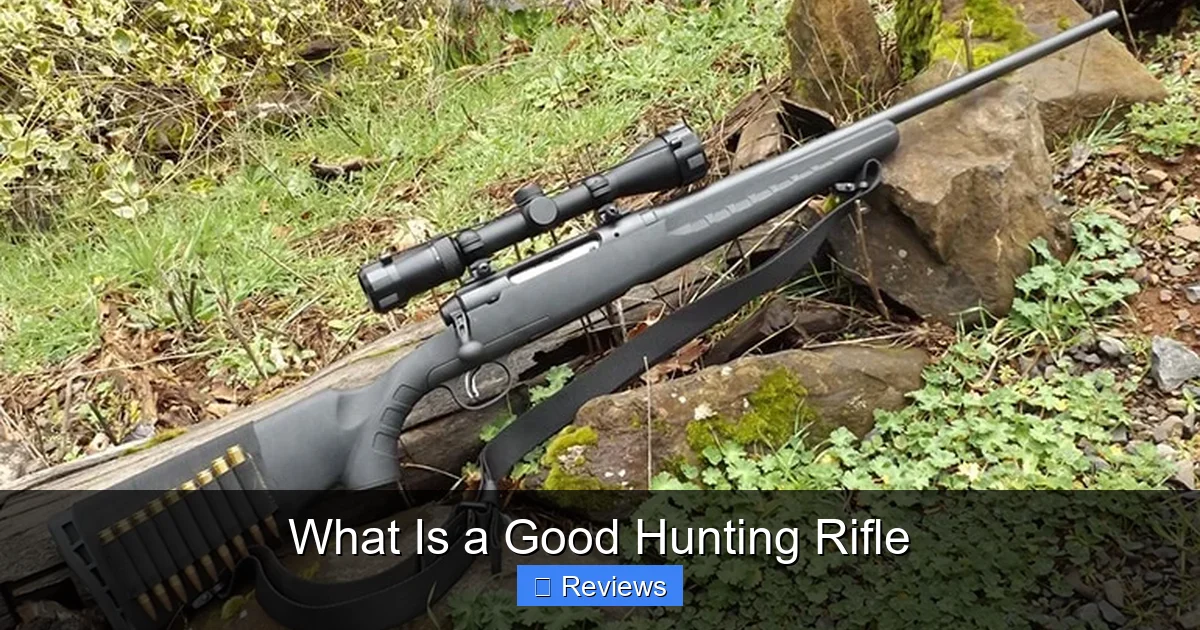
Visual guide about What Is a Good Hunting Rifle
Image source: huntingmark.com
Once you’ve assessed your personal needs, you can start looking at the characteristics that define a truly good hunting rifle. These features contribute directly to performance, reliability, and the overall hunting experience.
Accuracy: The Cornerstone
Above all else, a good hunting rifle must be accurate. This means it can consistently place shots precisely where the shooter intends. While shooter skill is a huge factor, the rifle itself must be capable.
- Barrel Quality: A high-quality barrel (often cold hammer-forged or button-rifled) is critical for accuracy. Its length can affect muzzle velocity and balance, but modern short barrels can be exceptionally accurate.
- Chambering: The way the barrel is chambered for the cartridge affects bullet seating and consistency.
- Trigger Quality: A crisp, clean trigger break with minimal creep and overtravel is essential for precise shooting. A heavy, mushy trigger is detrimental to accuracy. Many rifles offer adjustable triggers.
- Bedding: How the action is seated in the stock can impact accuracy. A properly bedded rifle ensures consistent contact and reduces movement between the action and stock.
Reliability and Durability
Hunting conditions can be harsh. A good hunting rifle must function flawlessly in rain, snow, dust, and cold. It needs to withstand bumps and scrapes without failing. Look for rifles with a reputation for robust construction and simple, effective mechanisms. Stainless steel finishes and synthetic stocks offer excellent weather resistance.
Weight and Balance
As discussed, this impacts portability and shooting comfort. A well-balanced rifle feels “alive” in your hands, pointing naturally towards the target. The balance point is often just forward of the receiver. For a walk-and-stalk hunt, a lighter rifle (6-8 pounds without optics) is often a better hunting rifle. For stand hunting, a heavier rifle can aid stability.
Ergonomics and Feel
How the rifle feels when you shoulder it is incredibly important. The grip, fore-end, and comb (the top part of the stock where your cheek rests) should allow for a natural, comfortable shooting position. This ensures proper eye alignment with the scope and recoil management. A rifle that doesn’t fit you well will be harder to shoot accurately and less enjoyable to use.
Optics Integration
Most hunting rifles will be paired with a scope. A good hunting rifle should have a reliable and stable platform for mounting optics. This usually means drilled and tapped receivers that accept standard scope bases. The quality of the scope and its mounts can be just as important as the rifle itself for achieving optimal accuracy.
Caliber Considerations: Matching the Round to the Game
Choosing the right caliber is a cornerstone of ethical hunting and a major factor in what is a good hunting rifle for your specific needs. The term “caliber” refers to the diameter of the bullet, but more broadly, it encompasses the entire cartridge (bullet, casing, powder, primer).
Small Game Calibers
For varmints, squirrels, rabbits, and other small critters, precision and minimal meat damage are key.
- .22LR: The ubiquitous rimfire round. Inexpensive, low recoil, and highly accurate for small game at close ranges. It’s a fantastic starting point for learning what is a good hunting rifle for beginners.
- .17 HMR: Faster and flatter shooting than the .22LR, offering slightly extended range and greater precision for small game.
Medium Game Calibers
This category includes popular species like deer, wild boar, antelope, and black bear. These calibers offer a good balance of power, recoil, and availability.
- .243 Winchester: A popular, light-recoiling option suitable for deer-sized game, especially for smaller hunters or those sensitive to recoil. Often seen as a good hunting rifle for younger hunters.
- .270 Winchester: A classic, flat-shooting cartridge excellent for deer and similar-sized animals at various ranges.
- .30-06 Springfield: A versatile, powerful cartridge that has been a benchmark for decades. It can handle a wide range of medium to large game.
- .308 Winchester: Known for its accuracy, moderate recoil, and compact design, the .308 is extremely popular for deer, bear, and other medium game, often found in a very good hunting rifle platform.
- 6.5 Creedmoor: A modern darling, revered for its exceptional long-range accuracy and mild recoil, making it ideal for deer and similar game.
Large Game Calibers
When pursuing animals like elk, moose, grizzly bear, or African plains game, more power is needed to ensure a quick, ethical kill.
- .300 Winchester Magnum: A powerful, flat-shooting magnum cartridge suitable for almost any North American game. It does come with significant recoil.
- 7mm Remington Magnum: Similar to the .300 Win Mag in power and range, often praised for its excellent ballistic coefficient.
- .338 Winchester Magnum: A step up in power, designed for very large and dangerous game.
Recoil Management
Always consider recoil. A good hunting rifle in the right hands delivers precise shots. If you can’t handle the recoil, you won’t shoot accurately. Techniques like proper form, recoil pads, muzzle brakes, and even rifle weight can help manage felt recoil.
Popular Hunting Rifle Types and Brands
Beyond calibers and features, the mechanical action of the rifle itself defines its type, each offering distinct advantages. Understanding these types will help you narrow down what is a good hunting rifle for your style.
Bolt-Action Rifles
These are by far the most popular type of hunting rifle, known for their exceptional accuracy, reliability, and strength. The bolt-action mechanism manually loads a cartridge, locks it into the chamber, fires it, and then ejects the spent casing.
- Pros: Excellent accuracy, very reliable, strong action for powerful cartridges, relatively simple to operate and maintain.
- Cons: Slower follow-up shots compared to semi-automatics.
- Examples: Remington 700, Winchester Model 70, Ruger American, Savage Axis, CZ 557, Tikka T3x, Bergara B-14. Many consider a well-made bolt-action rifle to be the quintessential good hunting rifle.
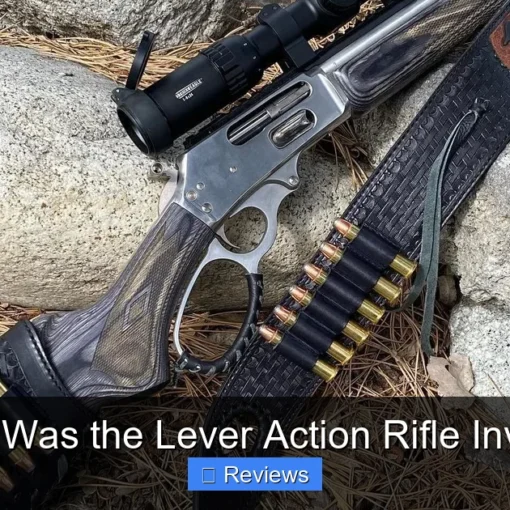
Lever-Action Rifles
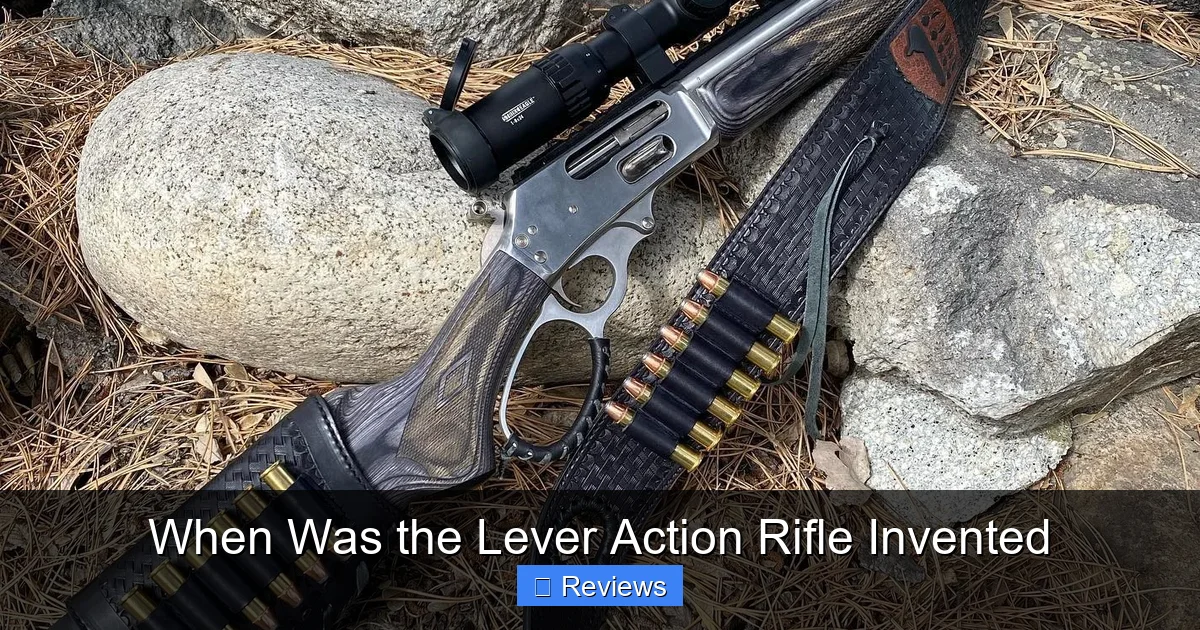
Iconic and classic, lever-action rifles operate by a lever below the receiver that cycles the action. They are typically shorter and handier, making them popular for hunting in dense brush or as saddle guns.
- Pros: Fast follow-up shots (compared to bolt-actions), compact, nostalgic appeal.
- Cons: Generally less accurate at long ranges than bolt-actions, limited to certain cartridge types (often rimmed cartridges or those with flat-nosed bullets in tube magazines).
- Examples: Marlin 336, Winchester 94, Henry Rifles. For many, a lever-action is a good hunting rifle for close-range brush hunting.
Semi-Automatic Rifles
These rifles automatically cycle a new round into the chamber after each shot, allowing for very rapid follow-up shots. While popular for sporting and tactical uses, their use for hunting may be restricted in some areas due to magazine capacity laws.
- Pros: Very fast follow-up shots, often lower perceived recoil due to gas operation.
- Cons: Can be less accurate than bolt-actions, more complex mechanisms (harder to clean), potential legal restrictions.
- Examples: AR-10 platform rifles, Browning BAR. An AR-style rifle can be a good hunting rifle for hogs or predator control.
Entry-Level Options (Budget-Friendly)
You don’t need to break the bank to get a good hunting rifle. Many manufacturers offer excellent entry-level packages that are surprisingly accurate and reliable. Look for bundled deals that include a rifle and a basic scope.
- Examples: Ruger American Rifle, Savage Axis II, Mossberg Patriot, Remington 783. These provide tremendous value and are often a very good hunting rifle for beginners.
Mid-Range and Premium Picks
As you move up in price, you typically get better materials, tighter tolerances, enhanced features (like adjustable triggers or higher-grade stocks), and often better out-of-the-box accuracy.
- Examples: Tikka T3x, Bergara B-14, Winchester Model 70, CZ-USA rifles (mid-range). Christensen Arms, Sako, custom builds (premium).
Accessorizing Your Good Hunting Rifle
A good hunting rifle isn’t just the firearm itself; it’s the complete system. The right accessories can dramatically improve your performance and overall hunting experience.
The Importance of Quality Optics
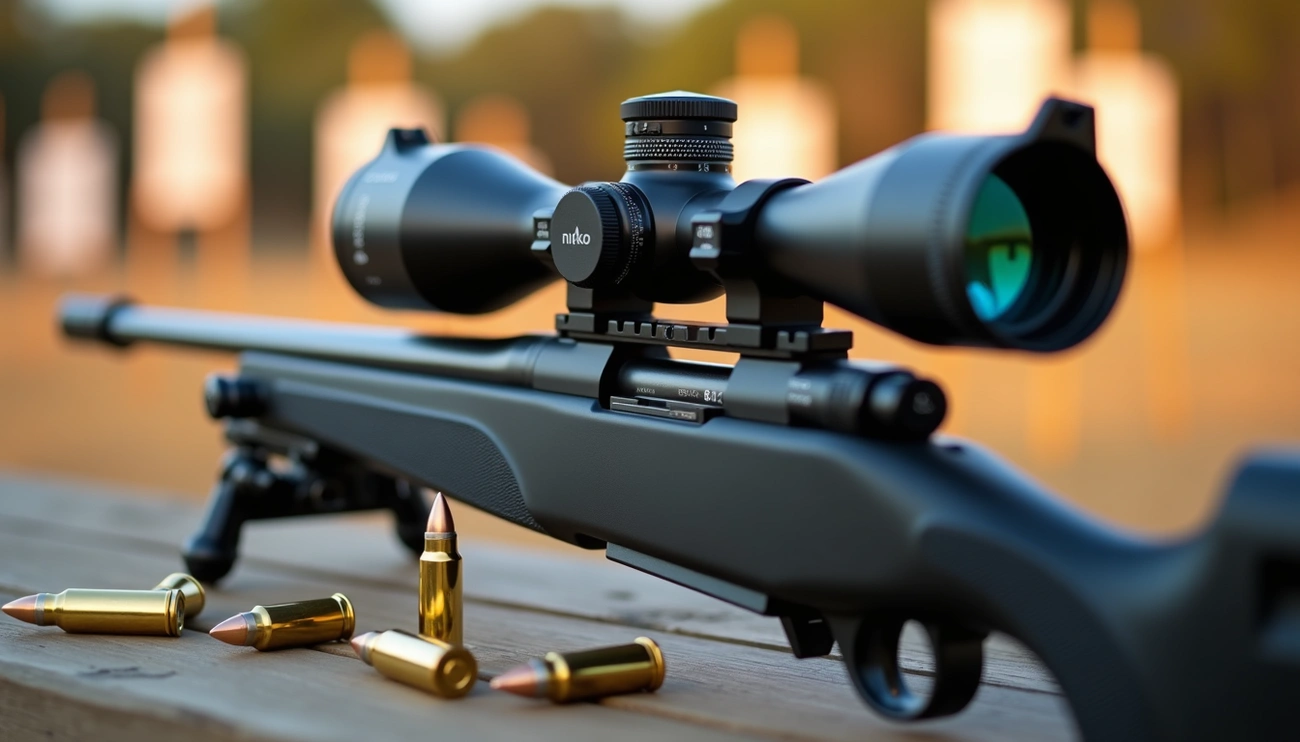
A high-quality scope is arguably as important as the rifle itself. It allows you to see your target clearly, estimate range, and place shots precisely. Don’t skimp on your scope; a cheap scope on an expensive rifle is a waste of potential. Look for scopes with clear glass, reliable adjustments, and appropriate magnification for your hunting distances.
Sling for Comfort and Carry
A good sling makes carrying your rifle significantly more comfortable, especially during long treks. It also allows you to keep your hands free for other tasks. Look for durable, comfortable materials and secure attachments.
Bipods and Shooting Rests
For precision long-range shooting or hunting from a fixed position, a bipod or shooting rest can provide invaluable stability, making a challenging shot much easier. Even simple shooting sticks can turn an impossible shot into a sure thing.
Ammunition Selection
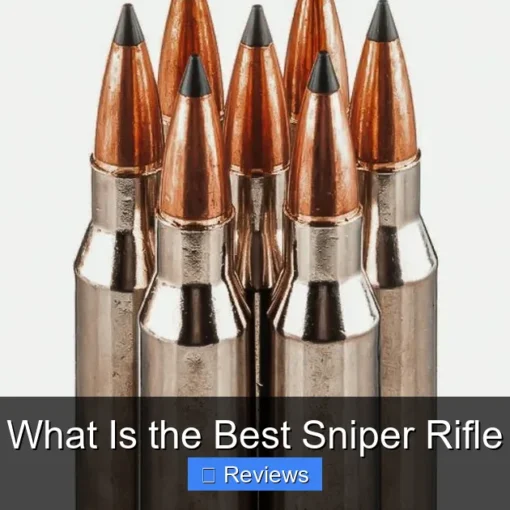
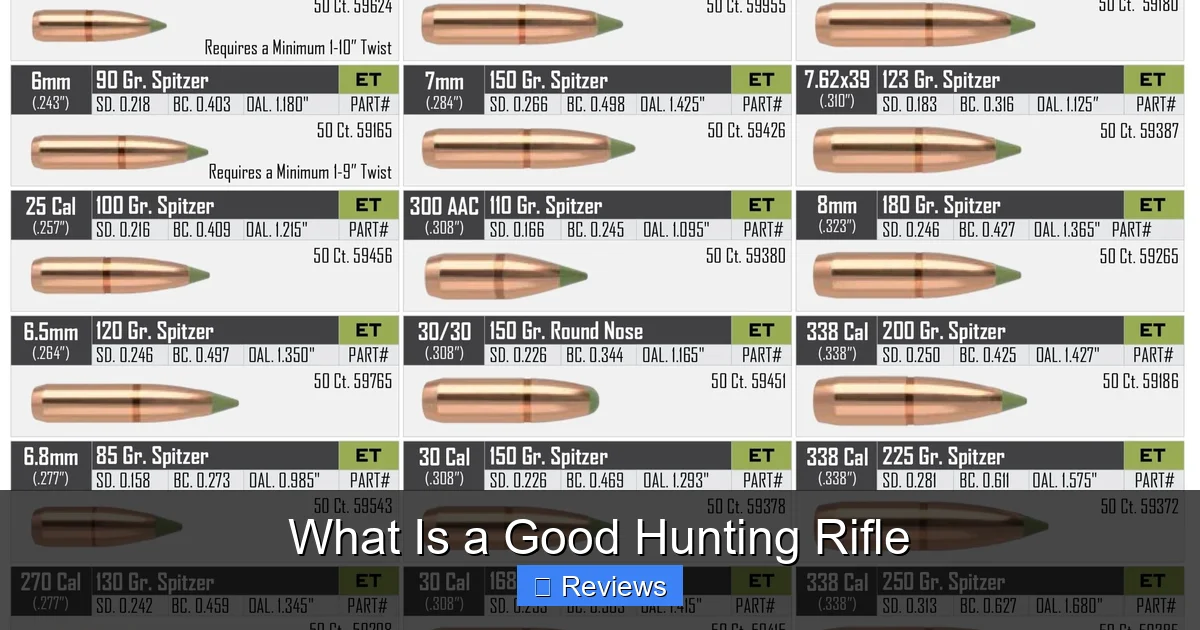
The type of ammunition you use is crucial. Different bullet designs are optimized for different purposes. For hunting, you want expanding bullets (like soft points or polymer tips) that transfer energy efficiently and cause humane kills. Experiment with different brands and bullet weights to find what shoots most accurately from your specific rifle. Even the most good hunting rifle won’t perform if you feed it inconsistent ammunition.
Maintenance and Safety: Crucial Aspects
Regardless of what you consider a good hunting rifle, its performance and longevity depend heavily on proper maintenance and safe handling. These are non-negotiable aspects of responsible firearm ownership.
Regular Cleaning
After every outing, especially in adverse weather, your rifle needs to be cleaned. This prevents rust, removes fouling from the barrel, and ensures the action operates smoothly. A clean rifle is a reliable rifle. Learn how to properly disassemble (to an extent), clean the bore, chamber, and action, and then lubricate key components.
Proper Storage
Store your rifle unloaded, ideally in a locked gun safe or cabinet, separate from ammunition. This prevents unauthorized access, reduces the risk of theft, and keeps your firearm in good condition. Consider a desiccant or dehumidifier in your safe to prevent rust.
Safe Handling Rules
These four rules are paramount and apply to every firearm, everywhere:
- Treat every firearm as if it were loaded.
- Never point the muzzle at anything you are not willing to destroy.
- Keep your finger off the trigger until your sights are on the target and you are ready to shoot.
- Be sure of your target and what is beyond it.
Adhering to these rules makes you a responsible hunter and ensures that what is a good hunting rifle remains a safe tool.
Conclusion: Finding Your Ideal Hunting Rifle
So, what is a good hunting rifle? It’s not a specific model, brand, or caliber. It is, instead, a thoughtful combination of factors tailored to *your* unique hunting journey. It’s the rifle that fits you well, is chambered in an appropriate caliber for your target game, boasts reliable accuracy, and functions flawlessly in the conditions you hunt. It’s a rifle that you can handle safely, shoot confidently, and maintain diligently.
Take your time in making a decision. Research, ask questions, visit local gun shops, and if possible, try shooting different models. Prioritize fit, function, and responsible use above all else. When you find that rifle – the one that feels like an extension of yourself, that you trust implicitly, and that helps you make ethical shots – you’ll know you’ve found a truly good hunting rifle. May your hunts be safe, ethical, and successful!
🎥 Related Video: What Is The BEST Deer Rifle? (I TEST THEM ALL !!!)
📺 Kentucky Ballistics
In today’s video we test multiple calibers against ballistics gel and find out which one is the best deer rifle! I hope you enjoy the …
Frequently Asked Questions
What factors determine if a hunting rifle is “good”?
A hunting rifle is considered “good” when it aligns with the hunter’s specific needs, offers reliable accuracy, is chambered in an appropriate caliber for the target game, fits the shooter comfortably, and is built to withstand field conditions. Its quality is subjective and depends on its intended use.
Can a budget-friendly rifle still be a good hunting rifle?
Absolutely. Many reputable manufacturers produce excellent entry-level hunting rifles that offer impressive accuracy and reliability for their price. Brands like Ruger, Savage, and Mossberg often provide great value for hunters on a budget, proving you don’t need to spend a fortune to get a good hunting rifle.
What’s the difference between a bolt-action and a semi-automatic rifle for hunting?
A bolt-action rifle requires manual operation of a bolt to load each round, known for its accuracy and reliability. A semi-automatic rifle automatically loads a new round after each shot, offering faster follow-up shots but sometimes sacrificing a degree of accuracy or being heavier and more complex.
How important is trigger quality for a good hunting rifle?
Trigger quality is extremely important. A crisp, light, and consistent trigger break prevents the shooter from disturbing the aim at the moment of firing, which is crucial for achieving high accuracy. A poor trigger can make even an otherwise good hunting rifle difficult to shoot precisely.
Should I prioritize rifle weight or barrel length for hunting?
The priority depends on your hunting style. For extensive walking and stalking, a lighter rifle is often preferred. For long-range precision from a fixed position, a longer barrel can offer slightly increased velocity and sight radius, but modern short barrels are very accurate. Balance and overall comfort usually take precedence over just one dimension.
What caliber is considered appropriate for deer hunting in most regions?
For deer hunting, popular and widely accepted calibers include the .243 Winchester, .270 Winchester, .30-06 Springfield, .308 Winchester, and 6.5 Creedmoor. These calibers offer a suitable balance of power and trajectory for ethical deer harvesting in most hunting scenarios.