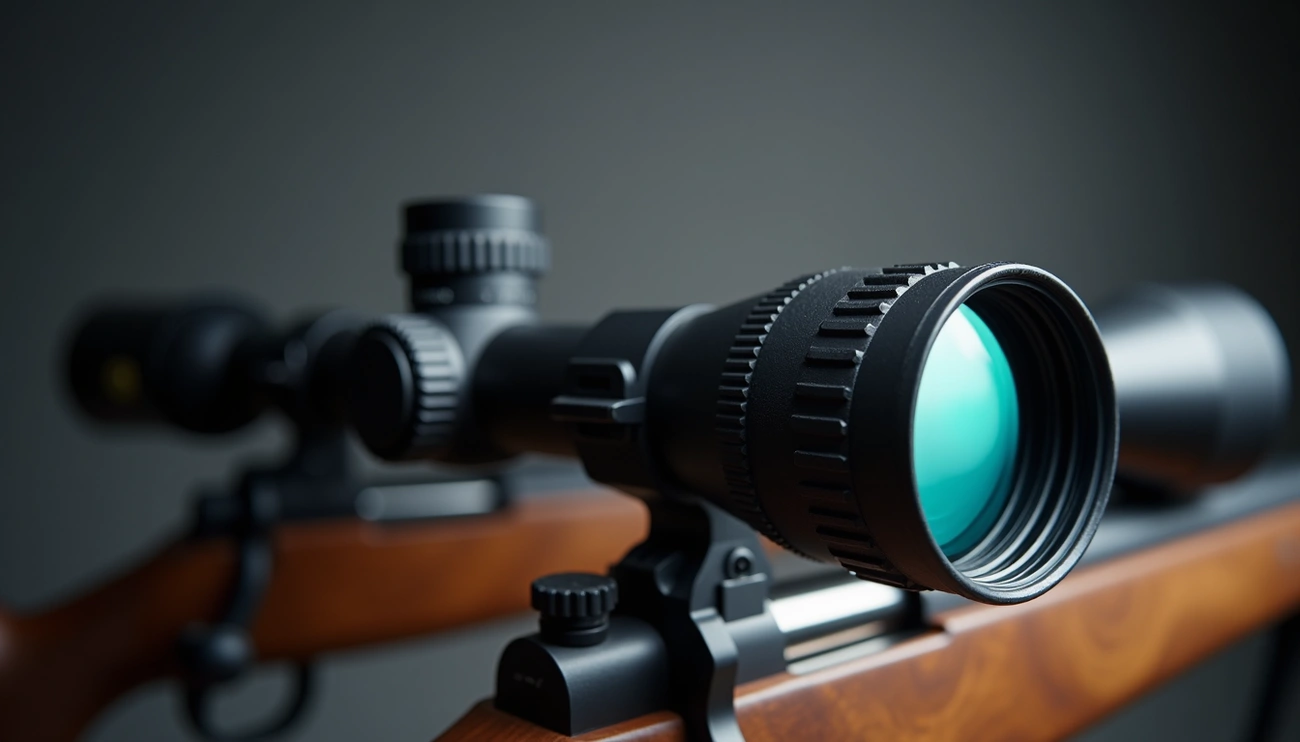
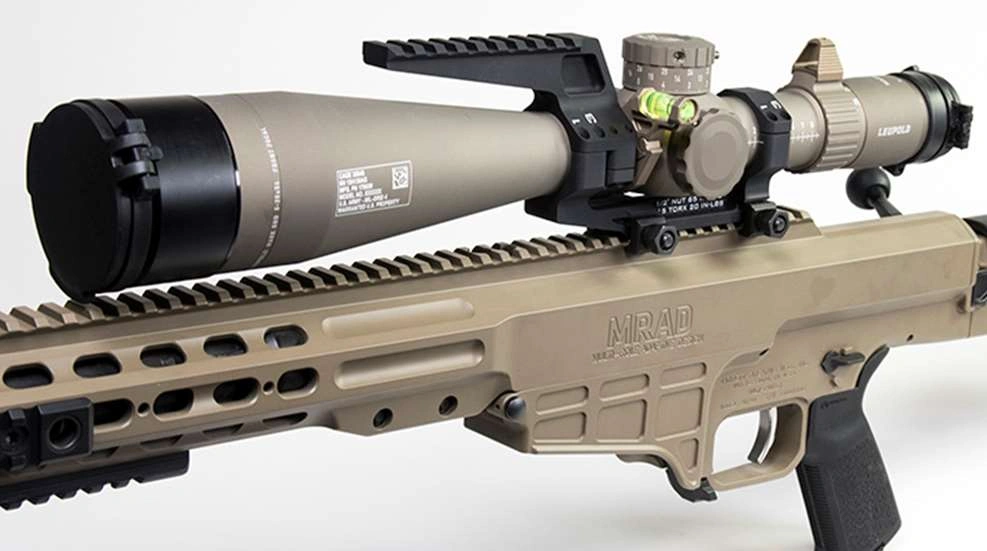
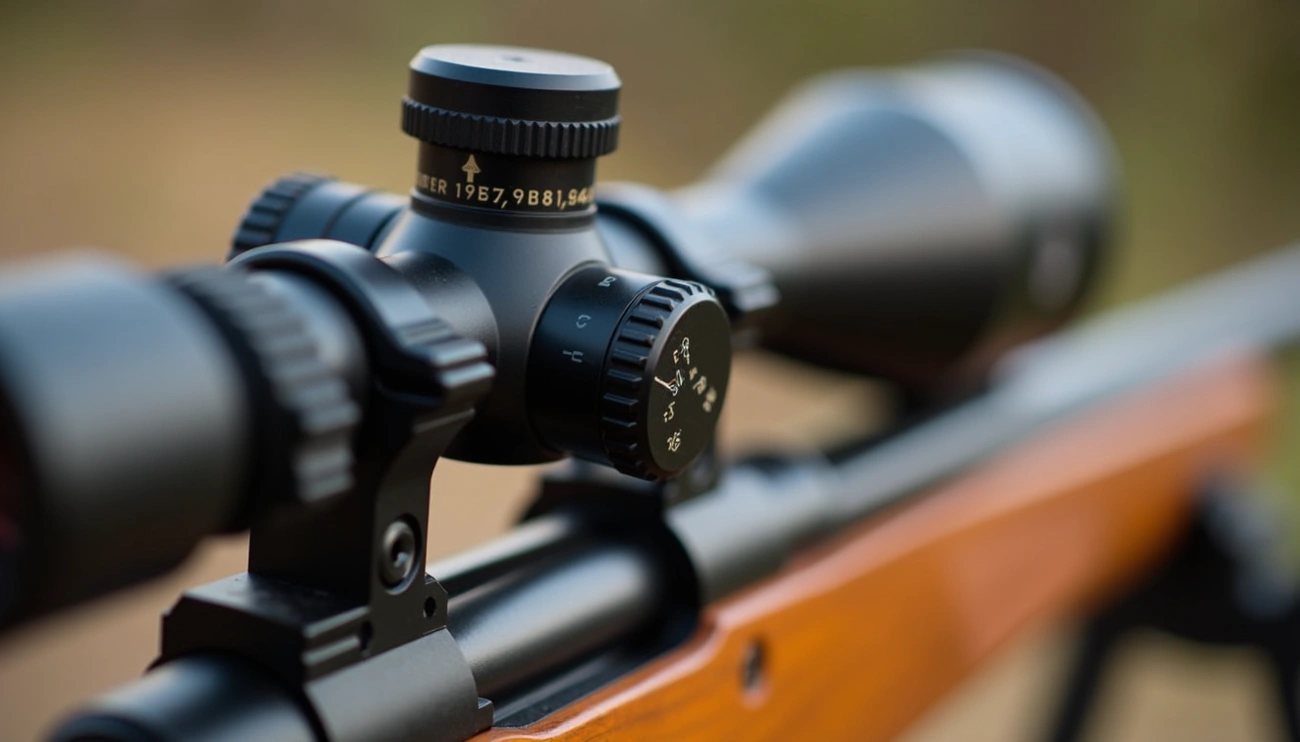
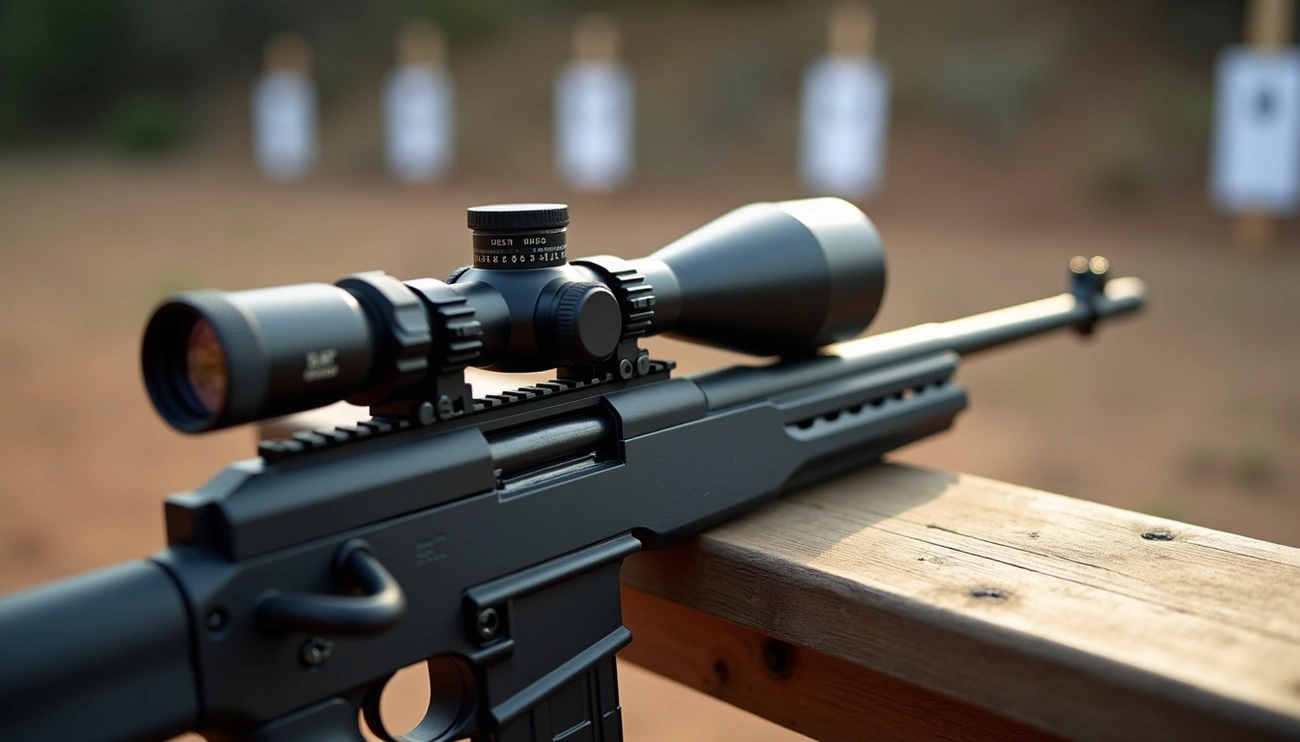
What does 4×32 mean on a scope? If you’ve shopped for rifle optics, you’ve likely encountered these numbers and wondered about their significance. Essentially, these figures represent two critical scope specifications that directly impact your shooting experience.
4×32 on a scope means the scope has fixed 4× magnification with a 32-millimeter objective lens. The 4× magnification makes targets appear four times closer, while the 32 mm objective lens controls light intake, image brightness, and overall clarity.
In this guide, we’ll break down everything you need to know about 4×32 scopes, their practical applications, and how to determine if this configuration meets your specific shooting needs.
What Does 4×32 Mean on a Rifle Scope?
The rifle scope designation “4×32” reveals crucial information about its optical properties and performance capabilities. Breaking down these numbers helps you understand exactly what you’re getting before making a purchase.
Understanding the ‘4x’ magnification
The first number in a 4×32 scope directly indicates the magnification power. With 4x magnification, your target appears exactly four times larger than what you would see with your naked eye. This “4” also indicates you’re dealing with a fixed-power scope, meaning the magnification cannot be adjusted.
Fixed magnification at 4x offers several advantages. Primarily, it provides a wider field of view compared to higher magnifications, making target acquisition faster and easier. Moreover, lower fixed magnification allows for steadier aiming since higher magnification tends to amplify every small movement when you’re holding the rifle. Consequently, despite its relatively modest power, a 4x scope enables consistent accuracy for most common shooting distances.
What the ’32’ objective lens size tells you
The “32” represents the diameter of the objective lens (the front-facing lens) measured in millimetres. This specification fundamentally determines how much light enters your scope. A 32mm objective lens strikes an excellent balance between light-gathering capability and practical size.
Generally, larger objective lenses collect more light, creating brighter images, especially in low-light conditions. However, the 32mm size remains popular because it creates a compact, lightweight scope that still performs well in varied lighting conditions.
An important concept related to these numbers is the “exit pupil,” which is calculated by dividing the objective lens diameter by the magnification (32mm ÷ 4 = 8mm). This 8mm exit pupil exceeds the human eye’s aperture, ensuring maximum brightness without unnecessary bulk.
Why these numbers matter in scope specifications
These specifications directly impact your shooting experience. A 4×32 configuration provides sufficient magnification for mid-range shooting while maintaining a wide field of view.
The combination specifically affects light transmission, thereby influencing image clarity and usability under different conditions. Although larger objective lenses can gather more light, a 4×32 scope already provides excellent light transmission – a 4×32 scope offers the same size exit pupil (8mm) as a scope with 7x magnification and a much larger 56mm objective.
Understanding these numbers helps you select optics that match your specific shooting needs without paying for unnecessary features or carrying excess weight.
How a 4×32 Scope Performs in the Field
In real-world shooting scenarios, a 4×32 scope delivers impressive performance that balances multiple critical factors. Understanding how these optics function in the field can help determine if they’re right for your specific needs.
Field of view and target acquisition
First and foremost, the 4×32 configuration offers an expansive field of view of 31.5 to 36.8 feet at 100 yards. This wider field of view provides a significant tactical advantage, allowing shooters to maintain situational awareness rather than succumb to tunnel vision. As a result, target acquisition becomes noticeably faster and more intuitive.
The fixed 4x magnification strikes an ideal balance—powerful enough for precision shooting yet modest enough to maintain situational awareness. This balance is particularly valuable during high-stress situations where the Bindon Aiming Concept (both-eyes-open shooting) shines, enabling shooters to stay aware of their environment while maintaining a clear sight picture.
Light transmission and image clarity
The optical quality of a 4×32 scope depends on several factors beyond lens diameter. Modern 4×32 scopes feature multi-coated lenses that maximize light transmission—with premium models achieving up to 99%. These coatings dramatically enhance image clarity and crispness across a range of lighting conditions.
The 32mm objective lens provides sufficient light-gathering capability without adding unnecessary bulk or weight. Furthermore, quality 4×32 scopes deliver exceptional clarity through premium glass combined with advanced lens arrangements that effectively transmit available light rather than “gathering” it.
4×32 scope distance and effective range
Regarding effective range, opinions vary according to the shooter’s skill level. For average shooters, a 4×32 scope performs optimally between 80-100 yards, offering fast target acquisition and a good field of view. Yet skilled marksmen regularly engage targets effectively at 300-500 yards with the same optic.
This versatility makes the 4×32 configuration particularly valuable for hunting in wooded environments, tactical applications, and other situations that require quick target engagement at moderate distances. Throughout these scenarios, the balanced approach of the 4×32 scope continues to prove its worth in practical field conditions.
Fixed Power vs Variable Power Scopes
Understanding the difference between fixed and variable scopes helps shooters make informed decisions about their optical needs. The 4×32 designation represents a classic fixed power configuration worth exploring.
What is a fixed power scope?
A fixed-power scope offers a single, unchangeable magnification level set during manufacturing. Simply put, with a 4×32 scope, you’re locked into 4x magnification—no adjustments possible. These scopes typically come with preset parallax and a more forgiving eye box, making target acquisition straightforward. The internal construction is notably simpler than variable alternatives, with fewer lenses and mechanical components.
Pros and cons of fixed magnification
Advantages of fixed power scopes:
- Lighter weight: Fixed scopes weigh approximately 1-2 ounces less than comparable variable models due to simpler internal mechanisms
- Superior light transmission: Fewer lenses mean better light-gathering capabilities, particularly valuable at dawn or dusk
- Enhanced durability: Fewer moving parts result in better reliability and zero retention
- Cost efficiency: Within the same price range, fixed scopes often offer better quality glass and sturdier construction
The primary drawback remains inflexibility—you cannot adjust magnification for varying distances. Moreover, with moving targets, you might need to physically relocate more frequently to maintain optimal viewing.
When to choose a variable scope instead
Variable scopes excel in situations requiring flexibility across different distances. If you regularly shoot beyond 400 yards, a variable option becomes practically necessary. Hunters traversing diverse terrains benefit from the adaptability of variable magnification—zooming out for close encounters or increasing power for distant targets.
Competitive shooters needing precise holds often prefer variable scopes with complex reticle systems for range estimation and windage adjustment. Additionally, variable optics make sense for rifles used across multiple applications rather than for dedicated scenarios.
Best Use Cases for a 4×32 Scope
The versatility of 4×32 scopes makes them ideal for numerous applications where reliability and quick target acquisition are paramount.
Tactical shooting and home defense
The 4×32 configuration truly shines in tactical environments where every second counts. With zero retention through recoil and field abuse, these optics maintain reliability when it matters most. Primarily valued for their durability, fixed 4×32 scopes contain fewer moving parts, making them inherently tougher. Throughout high-stress situations, their wide field of view—approximately 33 feet at 100 yards—allows shooters to maintain situational awareness. Indeed, many tactical professionals prefer these scopes because they function without batteries, offering an etched reticle that remains visible even when power fails.
Hunting in wooded or mid-range environments
Hunters often select 4×32 scopes for woodland environments where targets appear at moderate ranges. The fixed 4x magnification works effectively from about 25 yards to 400 yards, making it perfect for most hunting scenarios. With multi-coated lenses that provide maximum brightness and clarity, these scopes excel in the varied lighting conditions typically encountered while hunting. Their compact, lightweight design makes them practical companions during long treks through challenging terrain.
Target shooting and training scenarios
For training environments, the simplicity of 4×32 scopes becomes a significant advantage. Their straightforward operation makes them excellent teaching tools for beginners learning proper scope use. Meanwhile, experienced shooters appreciate their consistent performance in field training and competitions where stress-testing equipment is common.
Conclusion
The 4×32 scope stands as a testament to optical engineering that prioritizes practical performance over complex features. Throughout this guide, we’ve seen how this fixed-magnification system balances the critical factors most important to shooters. The 4x power provides enough magnification for precise shots while maintaining a generous field of view, making target acquisition faster and more intuitive.
Perhaps most importantly, this configuration excels across multiple shooting disciplines. Whether you need reliability for tactical applications, clarity for woodland hunting, or consistency for training purposes, the 4×32 delivers without unnecessary complications. The fixed power design eliminates potential failure points while enhancing light transmission and durability.
After all, choosing the right scope ultimately depends on your specific shooting requirements. For engagements between 25 and 400 yards, few options match the practical efficiency of a quality 4×32 scope. Though variable scopes offer flexibility, their added complexity comes with tradeoffs many shooters find unnecessary for common shooting scenarios.
Eventually, every shooter must decide between versatility and reliability. The enduring popularity of 4×32 scopes among experienced marksmen speaks volumes about their real-world effectiveness. As you consider your next optic purchase, remember that sometimes the simplest solution is the most effective. A quality 4×32 scope might just be exactly what you need.