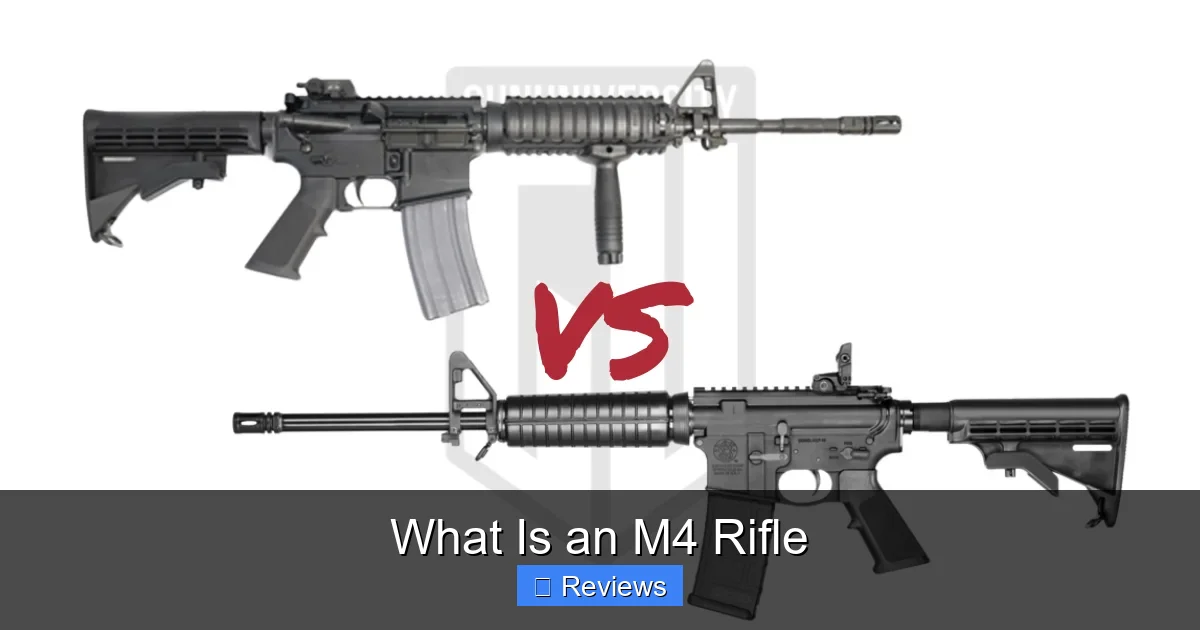
No, a shotgun is not a rifle; they are distinct types of firearms designed for different purposes. While both are long guns, rifles feature a rifled barrel that imparts spin to a single projectile for accuracy, whereas shotguns typically have a smoothbore barrel designed to fire multiple small pellets (shot) or a single large slug at closer ranges. Their ammunition, mechanics, and legal classifications fundamentally differentiate them.
Is a shotgun a rifle? It’s a common question, and one that often causes confusion, especially for those new to the world of firearms. At first glance, both shotguns and rifles are long guns, typically shoulder-fired, and capable of propelling projectiles at high speeds. This superficial similarity leads many to mistakenly group them together or even use the terms interchangeably. However, beneath their outward appearance, shotguns and rifles are fundamentally distinct firearms, engineered for entirely different purposes and operating on unique principles.
Understanding the differences between these two workhorses of the shooting world isn’t just a matter of semantics. It’s crucial for safe handling, effective use, and navigating the legal landscape surrounding firearms. From their historical development to their intricate mechanical designs, the ammunition they fire, and the specific tasks they are built to accomplish, shotguns and rifles carve out their own unique niches.
So, let’s settle the debate once and for all. By diving deep into their characteristics, we’ll uncover why a shotgun is definitely not a rifle, and why recognizing this distinction is key to appreciating the engineering marvels that both represent. We’ll explore everything from their barrels to their bullets, their hunting applications to their defensive roles, and even touch upon how the law sees them differently.
Key Takeaways
- Fundamental Difference: The primary distinction lies in the barrel; rifles have “rifling” (spiral grooves) for accuracy with single projectiles, while shotguns typically have “smoothbore” barrels for firing multiple pellets or slugs.
- Ammunition: Rifles fire single, aerodynamic bullets, optimized for long-range precision. Shotguns typically fire “shot” (many small pellets) for a spreading pattern, or large “slugs” for significant impact at shorter distances.
- Intended Use: Rifles are designed for precise targeting of specific points at medium to long ranges, often used for hunting small to large game, target shooting, or military/tactical applications. Shotguns are generally used for rapidly engaging moving targets (like birds in flight), close-quarters defense, or hunting game at shorter ranges.
- Range and Accuracy: Rifles are inherently more accurate at longer distances due to their rifled barrels stabilizing the bullet. Shotguns, with their spreading shot patterns, are most effective at closer ranges.
- Legal Definitions: While both are classified as firearms, legal definitions often separate shotguns and rifles based on their barrel type, ammunition, and minimum barrel/overall length, which can impact ownership and use regulations.
- Barrel Variations: While most shotguns are smoothbore, some can be fitted with rifled barrels specifically for firing slugs, blurring the functional lines but not their fundamental classification as a shotgun.
Quick Answers to Common Questions
Question 1?
Is the barrel the main difference between a shotgun and a rifle?
Answer 1?
Yes, the barrel is the most significant differentiating factor. Rifles have “rifled” barrels with spiral grooves for accuracy, while shotguns typically have “smoothbore” barrels.
Question 2?
Can a shotgun fire rifle bullets?
Answer 2?
No, a shotgun cannot fire rifle bullets. Shotguns are designed for shotgun shells (containing shot or slugs), and rifle bullets are entirely incompatible and unsafe to use in a shotgun.
Question 3?
Are shotguns more powerful than rifles?
Answer 3?
Not necessarily. While a shotgun slug delivers massive kinetic energy at close range, rifle bullets maintain their energy and velocity much further, often penetrating deeper and offering more stopping power at distance due to their higher velocity and precise placement capabilities.
Question 4?
Why do some shotguns have rifled barrels?
Answer 4?
Some shotguns have rifled barrels specifically designed to improve the accuracy of shotgun slugs. These “rifled slug barrels” impart spin to the slug, similar to how a rifle barrel stabilizes a bullet, extending the effective range of the slug.
Question 5?
Which is better for home defense, a shotgun or a rifle?
Answer 5?
Both shotguns and rifles can be effective for home defense, but they excel in different ways. Shotguns, especially with buckshot, offer a wide pattern for close-quarters engagement and significant stopping power. Rifles offer higher capacity and precision, but over-penetration can be a concern in some residential environments.
📑 Table of Contents
Historical Roots: Tracing Their Separate Paths
To truly understand why a shotgun is not a rifle, we need to glance back at their origins. Both firearms evolved from early smoothbore muskets, but their development paths diverged significantly to meet specific needs.
The Rifle’s Quest for Precision
The concept of “rifling”—spiral grooves cut into the inside of a barrel—emerged in the 15th century. Early rifles were slow to load, but the accuracy they offered, especially with a well-fitted ball, was revolutionary. This invention gave birth to the modern rifle, a firearm dedicated to precision. The rifling imparts a spin to the projectile, much like a quarterback throws a football, stabilizing it in flight and vastly improving accuracy over longer distances. This focus on accuracy made rifles indispensable for military sharpshooters and hunters targeting specific game at range.
The Shotgun’s Embrace of Spread
Meanwhile, the shotgun evolved from fowling pieces—firearms designed to hunt birds. Precision wasn’t the goal; rather, it was about increasing the chances of hitting fast-moving, small targets. By firing a pattern of multiple small pellets (shot), the shotgun created a wider “spread,” making it easier to connect with birds in flight or small game flushing from cover. The smoothbore barrel was perfectly suited for this, allowing the shot charge to exit without distortion. This design made shotguns kings of close-range engagements and aerial targets.
Core Differences: Barrels, Ammunition, and Their Impact

Visual guide about Is a Shotgun a Rifle
Image source: static.vecteezy.com
The heart of the “is a shotgun a rifle” debate lies in their fundamental mechanical distinctions, primarily the barrel and the ammunition.
The Barrel: Smoothbore vs. Rifled
This is the single most critical difference.
- Rifles: Every rifle has a “rifled” barrel. These spiral grooves, running down the length of the bore, engage the projectile as it travels through. This engagement causes the bullet to spin rapidly along its axis. This gyroscopic stability is what makes a rifle bullet fly straight and true over hundreds or even thousands of yards. Without rifling, a bullet would tumble end-over-end, losing accuracy very quickly.
- Shotguns: The vast majority of shotguns feature a “smoothbore” barrel. This means the inside of the barrel is completely smooth, with no grooves. This design is ideal for firing multiple pellets, as it allows the shot charge to exit the barrel without obstruction, ensuring an even spread. While some shotguns can be fitted with specialized “rifled slug barrels” for increased accuracy with slugs (which we’ll discuss later), their default and most common configuration is smoothbore.
Ammunition: Bullets vs. Shot/Slugs
The type of projectile fired is another clear differentiator.
- Rifle Ammunition (Cartridges): Rifle cartridges typically consist of a single bullet, a casing, propellant (gunpowder), and a primer. The bullet itself is typically made of lead, sometimes jacketed in copper, and designed to be aerodynamically efficient. They come in a vast array of calibers (e.g., .223 Rem, .30-06, .308 Win), each optimized for different ranges, target sizes, and purposes. The bullet’s design, combined with the rifled barrel, is what delivers pinpoint accuracy.
- Shotgun Ammunition (Shells): Shotgun shells (often called “shotshells”) are typically larger in diameter than rifle cartridges. They contain a primer, propellant, and then a payload of either multiple small spherical pellets (shot) or a single large projectile (a slug), all held within a plastic or paper hull.
- Shot: Comes in various sizes, from tiny birdshot (#9) to larger buckshot (#00 buck). The purpose is to create a spreading pattern to hit moving targets or multiple targets simultaneously.
- Slugs: A single, solid projectile designed for larger game or defense. While less accurate than rifle bullets, modern slugs fired from appropriate barrels can be effective at moderate ranges.
Shotgun shells are primarily measured by “gauge” (e.g., 12 gauge, 20 gauge), which relates to the diameter of the bore.
Mechanism, Design, and Ergonomics
While both firearms are designed to be shoulder-fired, their internal mechanisms and external designs often reflect their distinct functions.
Action Types
Both rifles and shotguns come in various action types:
- Bolt-Action: Common in hunting rifles for its simplicity, reliability, and accuracy. Less common in shotguns.
- Lever-Action: Popular in historic rifles (e.g., Winchester) and some shotguns.
- Pump-Action (Slide-Action): Extremely common for shotguns due to its reliability and rapid follow-up shots. Also seen in some rifles, but less prevalent.
- Semi-Automatic: Both rifles and shotguns are available in semi-auto versions, allowing for rapid firing with each pull of the trigger. Modern sporting rifles (MSRs) like the AR-15 are semi-automatic rifles, and many popular hunting and defensive shotguns are also semi-automatic.
- Break-Action: Very common in shotguns (single-shot, over/under, side-by-side) for simplicity and safety, but rare in rifles.
While they share some action types, the prevalence and specific designs often differ, tailored to the demands of their ammunition and usage.
Ergonomics and Sights
- Rifles: Often designed for precise aiming, rifles typically feature fine iron sights, or more commonly, are equipped with telescopic scopes for magnified views and precise aiming at distant targets. Their stocks are generally configured for a stable, deliberate shooting position.
- Shotguns: Many shotguns designed for wing shooting feature a simple bead sight at the end of the barrel, intended for pointing rather than precise aiming. Defensive or slug-shooting shotguns may have ghost ring sights or even red dot optics. The stock drop and comb height are often designed to quickly bring the shooter’s eye in line with the target for fast acquisition.
Intended Use and Application
The ultimate purpose for which a firearm is designed dictates its features. This is where the distinction between a shotgun and a rifle becomes even clearer.
Rifles: Precision and Range
Rifles are the champions of precision at distance.
- Hunting: From varmints like prairie dogs to large game like deer, elk, and bear, rifles allow hunters to place a shot accurately at specific vital organs from a safe distance. Different calibers are suited for different game sizes and terrain.
- Target Shooting: Competitive long-range shooting, benchrest shooting, and recreational plinking all rely on the rifle’s inherent accuracy.
- Military/Tactical: Modern military and law enforcement forces rely on rifles for engaging targets at varying distances, whether in open combat or urban environments.
Shotguns: Spread and Power at Close Range
Shotguns excel where a wide pattern or massive close-range impact is needed.
- Bird Hunting (Upland and Waterfowl): This is the classic shotgun role. The spreading shot pattern makes it feasible to hit fast-flying game like ducks, geese, pheasants, and doves.
- Small Game Hunting: Rabbits, squirrels, and other small game are often hunted with shotguns, especially in dense cover where precise rifle shots are difficult.
- Deer/Large Game Hunting (with Slugs): In areas where rifle hunting is prohibited (e.g., densely populated areas), shotguns firing slugs are a common alternative. They offer significant stopping power at ranges typically under 100-150 yards.
- Home Defense: The ability to fire a wide pattern of pellets (buckshot) makes shotguns highly effective for close-quarters defense, offering a greater chance of hitting a rapidly moving threat. The psychological impact and sheer stopping power are also significant.
- Sporting Clays/Trap/Skeet: These shotgun sports simulate hunting scenarios, challenging shooters to hit clay targets flung through the air.
Legal and Regulatory Distinctions
Understanding “is a shotgun a rifle” also involves looking at how the law defines them. While regulations vary significantly by country, state, and even local jurisdiction, there are common themes.
Classification and Definitions
Firearm laws typically define rifles and shotguns distinctly. The key often revolves around the barrel. A “rifle” is generally defined as a firearm designed to be fired from the shoulder and to use the energy of an explosive to fire a single projectile through a rifled barrel. A “shotgun” is typically defined as a firearm designed to be fired from the shoulder and to use the energy of an explosive to fire through a smoothbore barrel either multiple projectiles (shot) or a single projectile (slug).
Minimum Barrel and Overall Lengths
Both rifles and shotguns are subject to minimum barrel and overall length requirements in many places. For instance, in the U.S., a rifle generally must have a barrel at least 16 inches long and an overall length of 26 inches. A shotgun must have a barrel at least 18 inches long and an overall length of 26 inches. Altering these lengths without proper licensing and registration can lead to the firearm being classified as a “short-barreled rifle” (SBR) or “short-barreled shotgun” (SBS), which are subject to much stricter regulations.
Permitting and Licensing
While both are generally considered “long guns,” some jurisdictions might have different permitting requirements for purchasing or possessing rifles versus shotguns, especially concerning specific types like “assault weapons” classifications that often apply to certain semi-automatic rifles. The fundamental “is a shotgun a rifle” distinction helps lawmakers create targeted regulations.
The Blurring Lines: When Shotguns Act Like Rifles
While the core distinction is clear, the world of firearms is constantly evolving, and there are instances where shotguns can functionally mimic some aspects of a rifle. This can add to the confusion about whether “is a shotgun a rifle?”
Rifled Slug Barrels
This is the most significant area of overlap. A shotgun can be fitted with a specialized “rifled slug barrel.” This barrel has rifling just like a rifle barrel, but it’s designed to stabilize shotgun slugs, not rifle bullets. When firing sabot slugs (slugs encased in a plastic sleeve that peels away after exiting the barrel) from a rifled slug barrel, a shotgun can achieve accuracy out to 150-200 yards, which approaches the lower end of rifle performance.
However, even with a rifled slug barrel, it remains a shotgun. It still fires shotgun shells (albeit specialized ones), and it retains its fundamental design as a shotgun. It’s a shotgun optimized for a specific type of projectile, not a transformation into a rifle. You wouldn’t load a .308 rifle cartridge into a 12-gauge rifled slug barrel, nor would it function if you could.
Shotgun Gauges vs. Rifle Calibers
While rifle calibers (e.g., .22LR, .30-06) refer to the bore diameter, shotgun gauges (e.g., 12 gauge, 20 gauge) are based on an older system. Gauge refers to the number of lead balls of that diameter that would weigh one pound. So, a 12-gauge shotgun has a bore diameter equal to a lead ball where 12 such balls weigh a pound. A .410 “gauge” is actually an exception, being a true caliber (0.410 inches). This difference in measurement system further underscores their separate lineages.
Practical Tip: Always Verify Ammunition!
A crucial safety tip derived from this distinction is to *always* double-check that you are using the correct ammunition for your firearm. Attempting to load a rifle cartridge into a shotgun (or vice-versa) is extremely dangerous and can lead to catastrophic failure, severe injury, or even death. The chamber markings on your firearm will clearly indicate the specific gauge or caliber it is designed to accept.
Conclusion: Two Distinct Tools for Different Jobs
So, is a shotgun a rifle? The answer is a resounding no. Despite their superficial similarities as long guns, shotguns and rifles are fundamentally different firearms. They possess distinct barrel designs (smoothbore vs. rifled), fire different types of ammunition (shot/slugs vs. bullets), are engineered for different purposes (spread/close-range power vs. long-range precision), and are treated differently by legal systems.
Think of it like this: a hammer and a screwdriver are both tools, and both can drive fasteners, but they are designed for very different types of fasteners and different methods of doing so. Trying to use a screwdriver as a hammer, or vice-versa, would be inefficient at best and damaging at worst. Similarly, a shotgun excels in scenarios where a wide pattern or significant close-range impact is needed, while a rifle is unmatched for precise targeting at extended distances. Each is a masterpiece of engineering, perfectly suited for its intended role in hunting, sport, or defense. Understanding this core distinction is essential for any responsible firearm owner or enthusiast.
🎥 Related Video: How Early Multi-Shot Guns Worked 😮
📺 Zack D. Films
Frequently Asked Questions
What is “rifling” and why is it important for rifles?
Rifling refers to the helical (spiral) grooves cut into the interior surface of a rifle’s barrel. It’s crucial because it imparts a spin to the bullet as it travels down the barrel, stabilizing the bullet’s flight path and significantly improving its accuracy over long distances.
What is the difference between “shot” and a “slug”?
Shot refers to multiple small, spherical pellets contained within a shotgun shell, designed to spread out and hit a broader area. A slug, on the other hand, is a single, large, solid projectile also fired from a shotgun, intended for greater impact and accuracy than shot, typically at closer ranges.
Can you hunt deer with a shotgun?
Yes, you can absolutely hunt deer with a shotgun, especially when using slugs. In many areas, particularly those with higher population densities, hunting deer with shotguns (often with rifled slug barrels) is either preferred or legally mandated over using rifles due to concerns about projectile range.
Why are shotguns measured in “gauge” and rifles in “caliber”?
Shotgun gauge is an old measurement system based on the number of lead balls of that diameter that would collectively weigh one pound. Rifle caliber, however, typically refers to the diameter of the bullet or the bore of the barrel, usually expressed in inches (e.g., .22 caliber) or millimeters (e.g., 9mm).
Is a .410 “gauge” technically a gauge?
No, the .410 is actually an exception to the gauge rule; it is truly a caliber, measuring 0.410 inches in diameter. Despite its common designation as a “gauge,” it doesn’t follow the traditional lead ball weight system like 12 gauge or 20 gauge.
Can a shotgun be as accurate as a rifle?
Generally, no. A rifle, with its rifled barrel and aerodynamic bullets, is inherently designed for much greater precision and accuracy at longer ranges than a shotgun. While a shotgun fitted with a rifled slug barrel can achieve good accuracy with slugs, it still won’t match the long-range precision of a dedicated rifle.