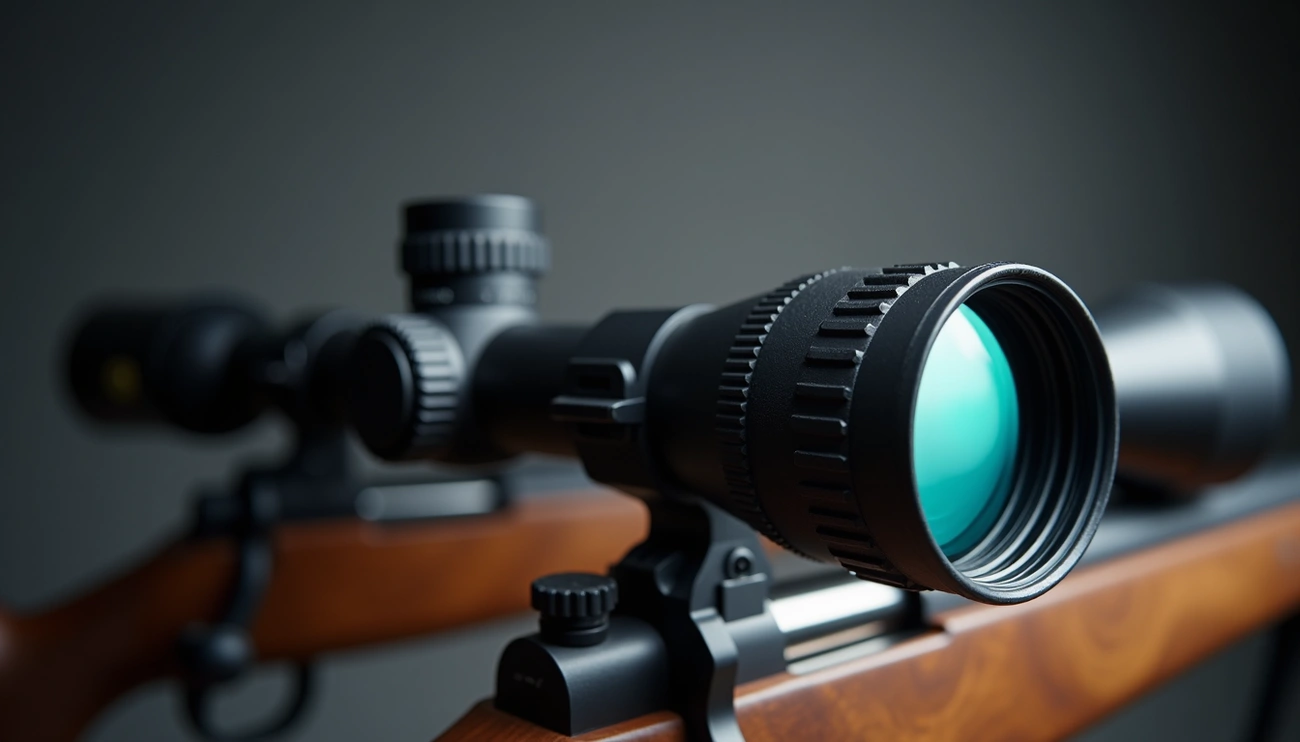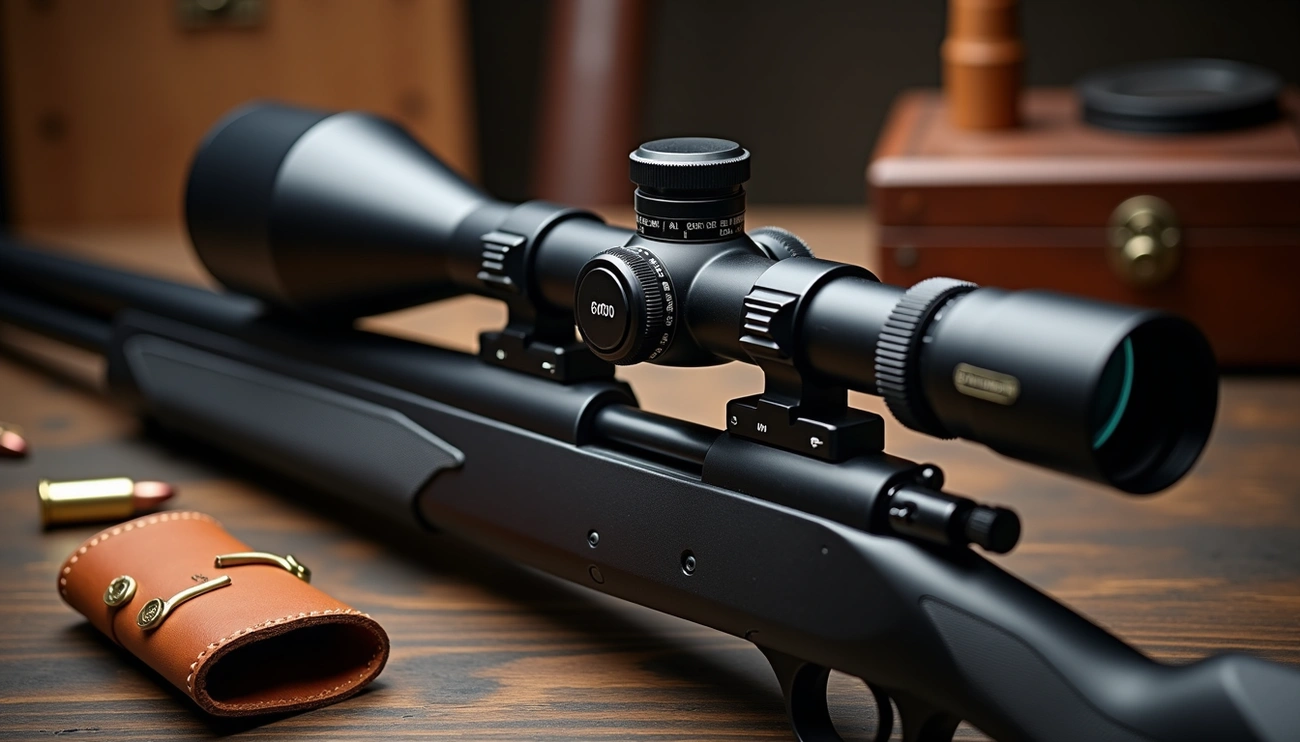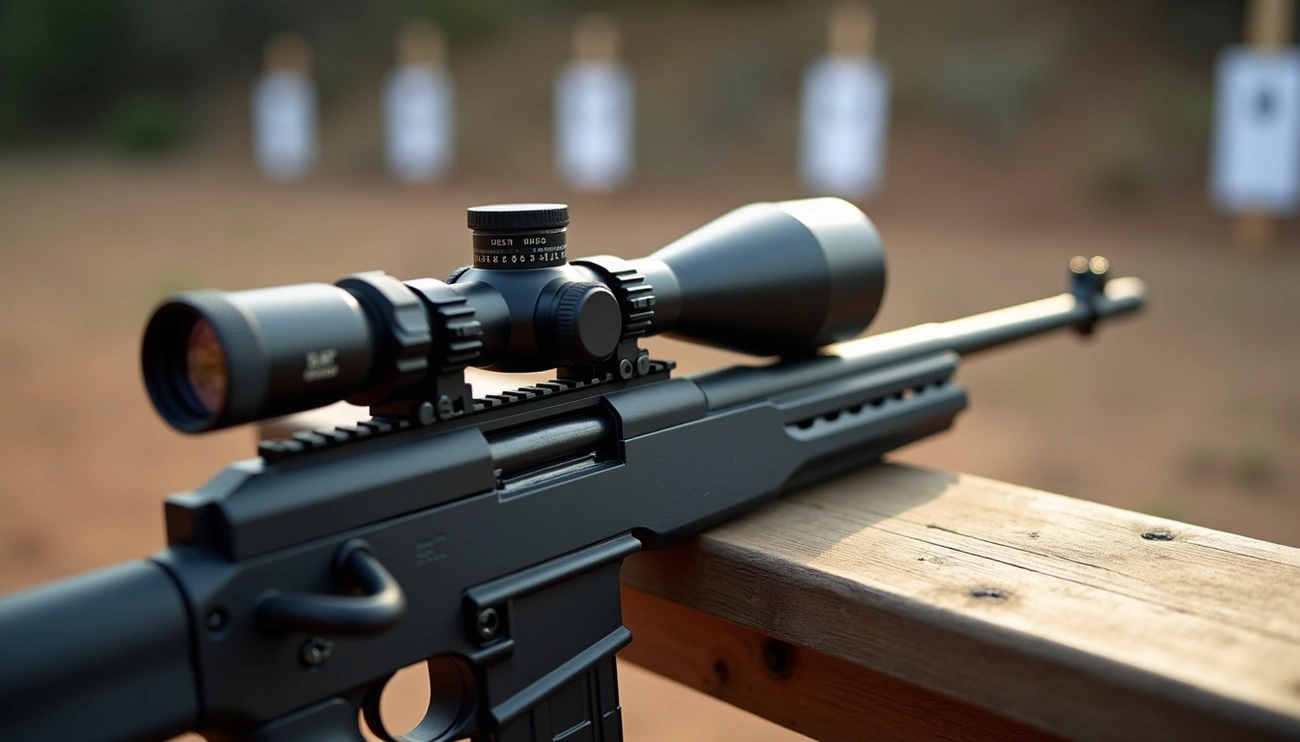
Rifle scope numbers show magnification and objective lens size. Read them in a “magnification × lens diameter” format, such as 3-9×40. The first numbers indicate zoom range from 3x to 9x power. The second number, 40, shows the objective lens diameter in millimeters, which affects light gathering.
Understanding Scope Numbers
Deciphering the numbers on rifle scopes is crucial for selecting the right optic for your shooting needs. These seemingly cryptic combinations provide vital information about your scope’s capabilities and limitations.
What do the numbers on a rifle scope mean?
The numbers on a rifle scope represent two fundamental characteristics: magnification power and objective lens diameter. The first set of numbers (everything before the “x”) indicates magnification—how much larger your target will appear compared to what you see with the naked eye. For instance, with a 4x scope, your target appears four times larger than normal.
The second number (after the “x”) specifies the objective lens diameter in millimeters. This front lens is responsible for gathering light and transmitting it to your eye. For example, in a scope labeled 4×32, the objective lens measures 32mm across. Larger objective lenses allow more light to enter, providing better visibility, especially in dim conditions.
Fixed vs variable magnification explained
Fixed power scopes offer a single, unchangeable magnification setting. If you have a 6X scope, you’ll only see your target magnified six times—no more, no less. These scopes tend to be more affordable, lighter, and simpler to use since they require no adjustment.
In contrast, variable power scopes allow you to adjust magnification within a specified range. They offer flexibility for different shooting scenarios, letting you zoom in for precise long-range shots or zoom out for a wider field of view at closer ranges. Furthermore, variable scopes typically display clearer images at higher magnifications compared to budget fixed scopes.
How to read a rifle scope model like 3-9×40
Let’s break down a common scope model:
In a 3-9×40 scope:
- “3-9x” indicates variable magnification, adjustable between 3x and 9x power
- “3” means at lowest setting, targets appear three times closer than with naked eye
- “9” represents maximum magnification—nine times closer than normal view
- “40” specifies the objective lens diameter in millimeters
The ratio between maximum and minimum magnification is called the zoom ratio. Consequently, a scope that goes from 3x to 9x has a 3:1 zoom ratio, while one ranging from 3x to 15x has a 5:1 zoom ratio.
Understanding these numbers helps you select the appropriate scope for your specific shooting style, whether you’re hunting in dense woods or making precision shots at extended ranges.
Magnification and Zoom Range
Magnification stands as the primary feature you should examine on any riflescope. The purpose of a scope is to enhance your sight by magnifying targets, making them appear closer than they actually are.
How magnification affects field of view
As magnification increases, field of view decreases proportionally. This creates an inverse relationship between these two critical factors. At higher powers, you’ll see less of your surroundings, which can make target acquisition more challenging, particularly with moving targets. Moreover, higher magnification amplifies your movements, potentially decreasing accuracy.
Consider this practical example: a scope built for 1,000-yard shots would prove unsuitable at 100 yards because its narrow field of view would make finding targets difficult, particularly moving ones.
Zoom ratio and its impact on performance
Zoom ratio determines how broad a scope’s magnification range can be. A 3:1 zoom ratio means the maximum magnification will be three times higher than the minimum – such as 3-9x, 4-12x, or 5-15x. Meanwhile, scopes with 5:1 ratios offer ranges like 2-10x or 3-15x, providing greater flexibility.
Nevertheless, higher zoom ratios often come with trade-offs including increased weight, complexity, and potential optical compromises. This explains why many precision rifle competitors rarely use their scopes’ maximum magnification during competitions.
Choosing the right magnification for your needs
The golden rule: select magnification that fits your primary shooting scenario 80-90% of the time.
For hunting in dense woodlands (under 200 yards), traditional 3-9x or 2.5-10x scopes work exceptionally well. Hunters in open terrain or western landscapes typically benefit from at least 2.5-10x magnification[92]. Meanwhile, precision rifle shooters might prefer 4-16x or higher, though many seldom exceed 18x even with 27x scopes.
Indeed, target distance dictates ideal magnification. For targets under 100 meters, 1-4x magnification suffices; 5-8x works well for distances up to 200 meters; 9-12x serves targets beyond 200 meters; and 13-24x becomes valuable for extreme distances.
Objective Lens and Light Transmission
The objective lens sits at the front of your scope, collecting light from your target. Understanding this component completes your knowledge of scope numbers.
What does the objective lens size mean?
The number after the “x” in scope specifications (like the 40 in 3-9×40) indicates the objective lens diameter in millimeters. This measurement directly affects how much light enters your scope. Larger diameters allow more light to pass through, yet size alone doesn’t tell the whole story.
How lens diameter affects brightness and clarity
Contrary to popular belief, objective lenses don’t “gather” light—they transmit it. At higher magnifications, scopes transmit less light to your eyepiece, making larger objectives valuable. The exit pupil (calculated by dividing objective diameter by magnification) represents the actual light beam reaching your eye. For instance, a 3-15×50 scope at 10x creates a 5mm exit pupil, ideal for low-light conditions.
Trade-offs between large and small objective lenses
Smaller objectives (28-36mm) offer lightweight, compact designs perfect for tactical shooting or quick target acquisition. Medium lenses (40-44mm) balance brightness with practicality, making them popular all-purpose choices. Larger lenses (50-56mm) excel in low light but require higher mounting rings and add bulk to your rifle.
Glass quality ultimately matters more than size—premium 42mm scopes often outperform average 50mm models in clarity and resolution.
Turrets, Reticles, and Parallax
Beyond magnification and objective lens size, precision rifle scopes feature adjustment systems that greatly impact accuracy. Let’s decode these critical components.
MOA vs MIL turret adjustments
Turrets allow precise aiming adjustments using two main measurement systems. MOA (Minute of Angle) equals approximately 1 inch at 100 yards, making mental calculations straightforward. Conversely, MIL (Milliradian) equals 3.6 inches at 100 yards. Most MIL scopes adjust in 0.1 mil increments, whereas MOA scopes typically use 1/4 MOA clicks. To convert between systems, multiply MILs by 3.5 to get MOA, or divide MOA by 3.5 for MILs.
Understanding parallax and how to adjust it
Parallax occurs when your reticle appears to move relative to your target as you shift your head position. This error becomes more pronounced at longer distances and higher magnifications. To eliminate parallax, use the side-focus adjustment knob to align the reticle and target on the same focal plane. For optimal adjustment, set your scope to maximum magnification, then turn the parallax knob until the reticle remains fixed on target regardless of head movement.
Reticle types and how they relate to scope numbers
Reticles range from simple crosshairs to complex “Christmas tree” designs. First Focal Plane (FFP) reticles maintain accurate measurements regardless of magnification, while Second Focal Plane (SFP) reticles maintain constant size. BDC (Ballistic Drop Compensation) reticles work with specific calibers for holdovers, whereas graduated reticles use standardized MOA or MIL measurements.
Field of view and eye relief explained
Eye relief—the optimal distance between your eye and scope—typically measures 3.5-4 inches for standard scopes and above 4.5 inches for long eye relief models. Standard eye relief offers higher magnification but narrower field of view, while long eye relief provides wider field of view at lower magnifications. Proper eye relief prevents “scope eye” injuries from recoil while ensuring a clear, full sight picture.
Conclusion
Understanding rifle scope numbers stands as a fundamental skill for any shooter looking to improve accuracy and make informed equipment choices. After all, those seemingly cryptic numbers hold the key to selecting the perfect optic for your specific shooting needs.
The magnification range significantly impacts your shooting performance. Consequently, you must balance higher power with field of view limitations. Your shooting environment and target distance should dictate your choice between fixed or variable magnification.
Objective lens diameter equally deserves your attention. Though larger lenses allow more light transmission, they add weight and bulk to your setup. Therefore, consider your shooting conditions and prioritize glass quality over sheer size for optimal results.