Measuring rifle barrel length is crucial for legal compliance, performance, and accessorizing your firearm correctly. This guide provides a detailed, step-by-step method, emphasizing safety first, using common tools like a cleaning rod and tape measure, and explaining how to account for the chamber and permanent muzzle devices. Understanding how to measure rifle barrel length ensures you meet federal and local regulations and get accurate results every time.
How to Measure Rifle Barrel Length
Ever wondered about the exact length of your rifle’s barrel? Maybe you’re looking to add a new muzzle device, ensure legal compliance, or simply understand your firearm better. Knowing precisely how to measure rifle barrel length is more than just a matter of curiosity; it’s a fundamental skill for any responsible rifle owner. It affects everything from legal standing to ballistic performance and even the handling characteristics of your beloved firearm.
This comprehensive guide is designed to walk you through the process step-by-step, making it easy for anyone to accurately measure their rifle barrel length. We’ll cover the “why,” the “how,” and the essential tips to ensure your measurements are precise and safe. So, grab your rifle (after ensuring it’s unloaded, of course!), a few simple tools, and let’s demystify how to measure rifle barrel length together. By the end of this article, you’ll be confident in your ability to get it right every time.
Key Takeaways
- Safety First: Always ensure your rifle is unloaded and safe before beginning any measurement process.
- Starting Point: Rifle barrel length is measured from the bolt face (where the cartridge sits) to the muzzle end.
- Essential Tools: A wooden or plastic cleaning rod, a reliable tape measure, and a marker are typically all you need.
- Permanent Muzzle Devices: If a muzzle device (like a flash hider or suppressor adapter) is permanently attached, it is included in the overall barrel length measurement.
- Legal Compliance: Accurate measurement is critical for complying with federal and state laws, especially regarding minimum barrel lengths.
- Chamber Inclusion: The chamber, which is an integral part of the barrel, is always included in the barrel length measurement.
- Method for Accuracy: Insert a cleaning rod until it touches the bolt face, mark the rod at the muzzle, then remove and measure the marked length.
Quick Answers to Common Questions
What is the most important first step before measuring a rifle barrel?
The absolute most important first step is to ensure the rifle is completely unloaded and safe. Remove the magazine, open the action, and physically and visually inspect the chamber to confirm it is empty.
Does the chamber count as part of the barrel length?
Yes, the chamber is an integral part of the barrel and is always included in the overall barrel length measurement. This is why you measure from the closed bolt face.
Are permanently attached muzzle devices included in the barrel length?
Yes, if a muzzle device is permanently attached to the barrel (e.g., pinned and welded), its length is included in the total barrel length measurement for legal purposes.
What tools do I need to measure rifle barrel length?
You primarily need a non-marring cleaning rod (wooden or plastic), a reliable tape measure or ruler, and a marker or pencil.
Why is measuring barrel length accurately so important?
Accurate barrel length measurement is crucial for legal compliance (especially concerning minimum barrel lengths for rifles), optimizing ballistic performance, and ensuring compatibility with accessories like suppressors.
📑 Table of Contents
Understanding the “Why” Behind Barrel Length Measurement
Before we dive into the “how,” let’s briefly touch upon why it’s so important to know how to measure rifle barrel length. There are several key reasons that go beyond mere technical specifications, impacting safety, legality, and performance.
Legal Compliance: Staying Within the Law
Perhaps the most critical reason to understand how to measure rifle barrel length is legal compliance. In the United States, federal law, specifically the National Firearms Act (NFA), dictates minimum barrel lengths for certain types of firearms. For rifles, a barrel shorter than 16 inches makes it a Short-Barreled Rifle (SBR), which is a heavily regulated item requiring special permits and taxes. State and local laws can also have their own specific regulations. Misunderstanding or mismeasuring your barrel length can lead to serious legal consequences, including hefty fines and imprisonment. Therefore, knowing exactly how to measure rifle barrel length is paramount to staying on the right side of the law.
Performance Implications: Velocity, Accuracy, and Handling
Barrel length significantly influences a rifle’s performance. Generally, longer barrels allow for more complete combustion of propellant, leading to higher muzzle velocities and potentially greater kinetic energy at the target. However, this isn’t always a linear relationship, and diminishing returns apply. Longer barrels can also contribute to a longer sight radius, which can aid in iron sight accuracy.
Conversely, shorter barrels typically result in lower muzzle velocities but offer superior maneuverability, especially in confined spaces. They are lighter and quicker to shoulder. The balance point of the rifle changes with barrel length, affecting how it feels and handles. When you decide to customize your rifle or purchase a new one, understanding how to measure rifle barrel length helps you make informed choices based on your intended use and desired performance characteristics.
Customization and Accessories: Muzzle Devices and More
Adding accessories like suppressors, muzzle brakes, or flash hiders often requires knowing your barrel length. Some suppressors have minimum barrel length requirements to prevent damage or ensure optimal performance. Installing a permanently attached muzzle device to reach the legal 16-inch minimum for a rifle is a common practice, making precise measurement essential. Without knowing how to measure rifle barrel length accurately, you might purchase an incompatible accessory or inadvertently create a legally problematic setup.
Essential Tools for the Job
You don’t need a high-tech lab to accurately measure rifle barrel length. Most of the tools you’ll need are likely already in your garage or range bag. The key is to use them correctly and safely.
The Right Measuring Devices
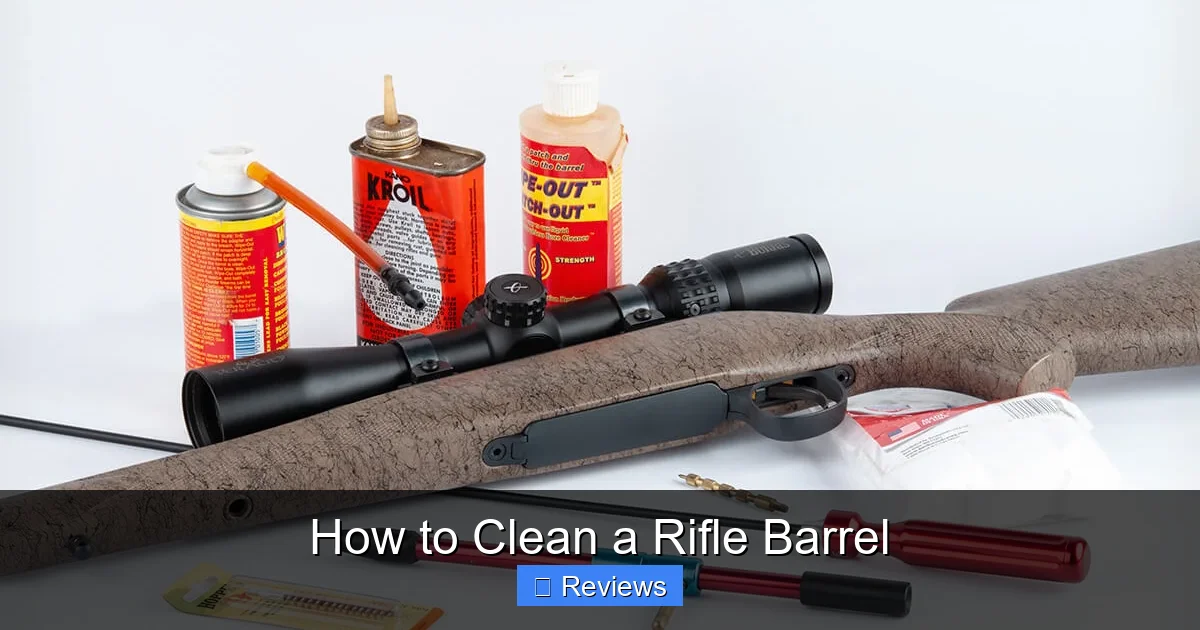
- Cleaning Rod (Wooden or Plastic): This is your primary tool. A sturdy, non-marring cleaning rod is ideal because it can be inserted down the barrel without damaging the rifling. Avoid metal rods if possible, or use extreme caution to prevent scratching.
- Reliable Tape Measure or Ruler: A standard household tape measure, a carpenter’s ruler, or even a yardstick will work perfectly for reading your measurement.
- Marker or Pencil: You’ll need this to mark the cleaning rod once it’s in position.
- (Optional) Calipers: While not strictly necessary for barrel length, calipers can be useful for more precise measurements of exterior barrel components or muzzle devices if needed.
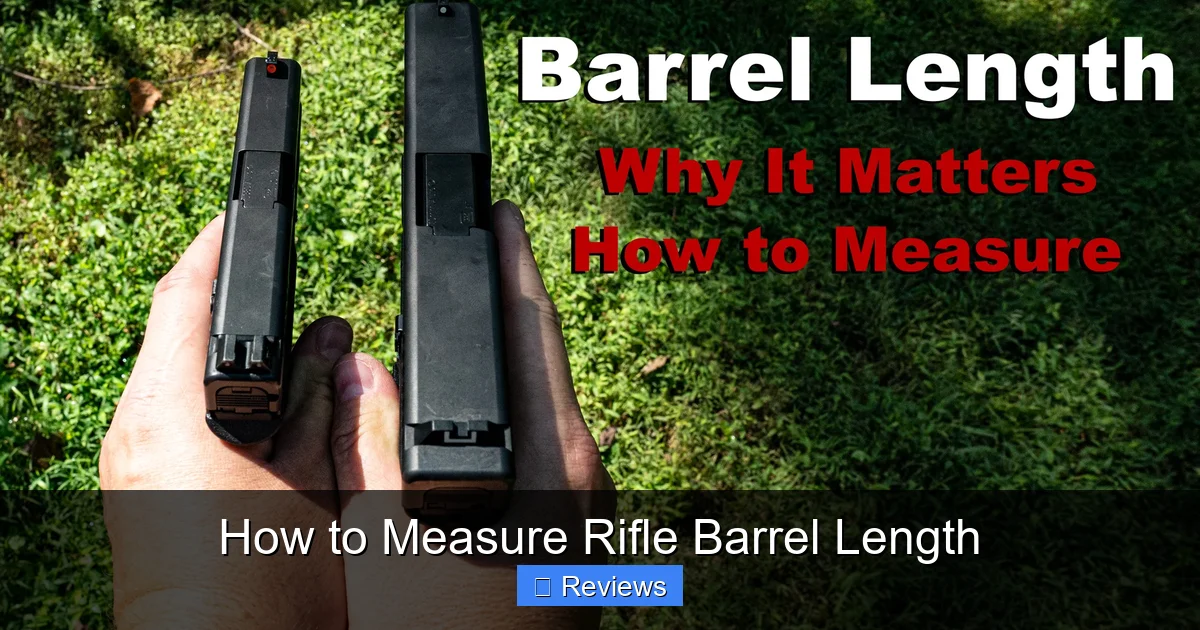
Visual guide about How to Measure Rifle Barrel Length
Image source: cdnammoclub.ammoforsale.com
Safety Gear
Always prioritize safety. While measuring a firearm might seem benign, it’s still a firearm.
- Eye Protection: Always a good idea when handling firearms.
- Gloves: Optional, but can help with grip and keep your hands clean.
The Proper Method: Measuring from the Bolt Face
This is the core of how to measure rifle barrel length. The standard, legally recognized method for measuring barrel length on a rifle involves measuring from the closed bolt face to the muzzle. This is crucial because the chamber, where the cartridge sits, is considered part of the barrel.
Step-by-Step Guide
Let’s walk through the process carefully.
Step 1: Safety First – Clear the Firearm
This step cannot be stressed enough. Before you touch anything, ensure your rifle is completely unloaded and safe. Remove the magazine (if applicable), open the action, and visually and physically inspect the chamber to confirm there is no round present. Point the firearm in a safe direction. Treat every firearm as if it were loaded, even when you know it’s not.
Step 2: Open the Action and Prepare the Bolt
With the rifle cleared, cycle the action to its fully closed position. For most bolt-action rifles, this means closing the bolt completely, as if a round were chambered. For semi-automatic rifles, this means letting the bolt go forward into battery. The goal is to have the bolt face in its normal firing position. This ensures you’re measuring from the true starting point of the barrel. If your rifle has a removable bolt, ensure it’s properly installed and locked.
Step 3: Insert the Cleaning Rod
Carefully insert your non-marring cleaning rod into the muzzle end of the barrel. Gently push the rod down the bore until it makes firm contact with the face of the closed bolt. You should feel it stop definitively. Do not force it, as this could damage the bolt face or the rod. Make sure the rod is as straight as possible, running centrally down the bore.
Step 4: Mark the Rod at the Muzzle
Once the rod is firmly against the bolt face, hold it steady. With your marker or pencil, make a clear mark on the cleaning rod exactly where it exits the muzzle. Be precise. This mark represents the exact length of the barrel from the bolt face. For rifles with permanently attached muzzle devices, the mark should be at the end of that device.
Step 5: Remove and Measure
Carefully remove the cleaning rod from the barrel. Now, using your tape measure or ruler, measure the distance from the end of the rod that was inside the barrel (the end that touched the bolt face) to the mark you just made. This measurement is your rifle’s barrel length. Read the measurement clearly and record it.
Tips for Accuracy
- Double-Check: Always perform the measurement at least twice to confirm your reading. If you get different results, repeat until you consistently get the same measurement.
- Steady Hands: Keep the rifle stable and your hands steady when inserting the rod and marking it. Any wobble can introduce errors.
- Straight Rod: Ensure the cleaning rod is straight and not bent, which could lead to an inaccurate measurement.
- Lighting: Good lighting helps you see exactly where to mark the rod at the muzzle.
Special Considerations and Common Pitfalls
While the basic method of how to measure rifle barrel length is straightforward, certain factors can complicate things. Being aware of these will help you get the most accurate and legally sound measurement.
Muzzle Devices: Permanent vs. Removable
This is one of the most common points of confusion when you learn how to measure rifle barrel length.
- Permanently Attached: If a muzzle device (like a flash hider, compensator, or suppressor mount) is permanently attached to the barrel, its length *is* included in the overall barrel length measurement. “Permanently attached” typically means it’s blind-pinned and welded, or high-temperature silver soldered, making removal impractical without specialized tools and often damaging the device or barrel. The ATF (Bureau of Alcohol, Tobacco, Firearms and Explosives) generally considers a muzzle device permanently attached if it’s secured in such a way that it cannot be readily removed, usually requiring more than simple hand tools, and if the attachment point is treated as part of the barrel itself.
- Removable: If a muzzle device is simply threaded on and can be removed with common tools, its length is *not* included in the barrel length measurement. In this case, you measure the barrel to the very end of the threaded portion, not the end of the muzzle device.
It is absolutely critical to understand this distinction for legal reasons, especially if you are using a muzzle device to meet the 16-inch minimum barrel length. When in doubt about whether a device is “permanently attached” according to legal definitions, consult a qualified gunsmith or legal expert.
The Chamber is Part of the Barrel
A common misconception is that the barrel measurement starts *after* the chamber. This is incorrect. The chamber, where the cartridge is seated before firing, is an integral part of the barrel assembly. That’s why the measurement starts from the closed bolt face, which is the rearmost point of the chamber. When you learn how to measure rifle barrel length, always remember to include the chamber.
Dealing with Integrated Components
Some rifles might have unusual designs, such as integral suppressors or unique muzzle treatments. If you encounter such a firearm, the principle remains the same: measure from the bolt face to the very end of the component that constitutes the projectile’s path exit point. If an integral suppressor is legally part of the barrel, then its full length is included. Always apply common sense and, if unsure, seek professional advice.
The Importance of Double-Checking and Documentation
Once you’ve gone through the steps of how to measure rifle barrel length, your job isn’t quite done. Verifying your work and keeping records can save you a lot of hassle down the road.
Verifying Your Measurements
As mentioned earlier, always measure at least twice. Better yet, have a friend or fellow shooter measure it independently if possible. Discrepancies should prompt you to repeat the entire process from step one. Consistency is key to accuracy. Remember, an inch or even a fraction of an inch can make a legal difference, so precision when you measure rifle barrel length is non-negotiable.
Keeping Records
For legal firearms (like SBRs), you’ll want to keep meticulous records, including your barrel length measurement, date, and method used. Even for standard rifles, having this information on hand can be useful for resale, insurance purposes, or when ordering custom parts. A simple note in your firearms logbook or a digital file will suffice. This practice reinforces your understanding of how to measure rifle barrel length and provides a verifiable record.
Conclusion
Mastering how to measure rifle barrel length is a fundamental skill for any responsible firearm owner. It’s not just about knowing a number; it’s about understanding the legal landscape, optimizing your rifle’s performance, and ensuring safe and informed customization. By following the straightforward steps outlined in this guide – prioritizing safety, using the correct tools, and measuring from the bolt face to the muzzle (including permanently attached muzzle devices) – you can confidently and accurately determine your rifle’s barrel length.
Remember, precision and safety are paramount. Always double-check your work and, when in doubt, consult a qualified gunsmith or legal expert. With this knowledge, you’re not just measuring a part of your rifle; you’re taking another step towards responsible and knowledgeable firearm ownership. Happy shooting!
🎥 Related Video: How to measure barrel length
📺 Murphy Firearms Training
In this video I show how to measure barrel length on a handgun, and also discuss how it applies to rifles and shotguns. With this …
Frequently Asked Questions
How does barrel length affect a rifle’s accuracy?
Barrel length can influence accuracy in several ways. A longer barrel provides a longer sight radius for iron sights, which can improve perceived accuracy. While not a direct correlation, longer barrels can also contribute to more consistent bullet stabilization due to increased velocity, potentially leading to better grouping for some cartridges, but optimal accuracy is a complex interplay of many factors.
Is it okay to use a metal cleaning rod to measure the barrel?
While a metal cleaning rod can technically be used, it’s generally not recommended. A metal rod could potentially scratch or damage the rifling in your barrel, especially if not used with extreme care. A wooden or plastic cleaning rod is much safer and just as effective for this purpose.
What is the minimum legal rifle barrel length in the US?
Under federal law (National Firearms Act – NFA), the minimum legal barrel length for a rifle is 16 inches. Any rifle with a barrel shorter than 16 inches is classified as a Short-Barreled Rifle (SBR) and requires special registration and a tax stamp.
Can I add a muzzle device to make my barrel legally long enough?
Yes, you can. If your barrel is shorter than 16 inches, you can permanently attach a muzzle device (like a flash hider or compensator) to bring the total length to 16 inches or more. However, the attachment must be permanent, typically via pinning and welding, to be legally counted towards the barrel length.
What if my rifle has an integral suppressor? How do I measure its length?
If your rifle has an integral suppressor that is legally considered part of the barrel, you would measure from the closed bolt face to the very end of the suppressor. The key is to measure the entire length through which the bullet travels from the chamber to the point it exits the firearm.
Why do different cartridges perform differently in varying barrel lengths?
Different cartridges are optimized for different burning rates of propellant. Some powders burn more slowly and require a longer barrel to achieve full combustion and maximum velocity. Others burn faster and reach optimal velocity in shorter barrels. This is why a 5.56 NATO round often benefits from longer barrels, while a pistol-caliber carbine round might not see significant gains past a certain length.