Embarking on the journey to buy a rifle requires careful consideration, research, and a commitment to safety. Our comprehensive guide breaks down everything from understanding your specific needs and choosing the right rifle type and caliber to navigating legal requirements and budgeting for your purchase. Learn how to make an informed decision and become a responsible firearm owner.
Thinking about how to buy a rifle? That’s an exciting journey, whether you’re new to firearms or looking to add to your collection. Buying a rifle isn’t just about picking out a cool-looking piece of equipment; it’s a significant decision that requires careful thought, research, and a strong commitment to safety and responsibility. You’re not just acquiring an object; you’re becoming part of a community that values precision, discipline, and respect for firearms.
For many, the idea of owning a rifle brings to mind images of hunting in the wilderness, honing skills at the target range, or simply appreciating the craftsmanship of these machines. Whatever your reason, navigating the options can feel a bit overwhelming at first. There are countless types, calibers, features, and legal considerations. But don’t worry, we’re here to break it all down for you. This comprehensive guide will walk you through every step of how to buy a rifle, making the process clear, understandable, and even enjoyable. Let’s make sure you find the perfect rifle for your needs and do it the right way.
Key Takeaways
- Define Your Purpose First: Before you even think about how to buy a rifle, clearly understand why you want one—be it for hunting, target shooting, self-defense, or collecting. This purpose will guide all subsequent choices.
- Research Rifle Types and Calibers: Familiarize yourself with bolt-action, semi-automatic, lever-action, and single-shot rifles, understanding their pros and cons. Match the caliber to your intended use, considering factors like recoil, range, and ammunition cost.
- Prioritize Safety and Legality: Always know and follow federal, state, and local firearm laws. Understand the process of FFL transfers, background checks, and age restrictions to ensure a legal and responsible purchase.
- Budget Beyond the Rifle: Remember that buying a rifle involves more than just the rifle itself. Factor in the cost of optics, ammunition, cleaning kits, cases, and potentially range fees or training courses.
- Seek Hands-On Experience: If possible, try different rifles at a range or handle them at a reputable dealer. Ergonomics, fit, and feel are crucial for comfortable and effective shooting.
- Invest in Responsible Storage: Secure storage, such as a gun safe or lockbox, is paramount for preventing accidents, theft, and unauthorized access, fulfilling your responsibility as a firearm owner.
Quick Answers to Common Questions
Can I buy a rifle if I’m under 21?
Federally, you must be at least 18 years old to buy a rifle or shotgun from a licensed dealer (FFL). However, some states may have stricter age requirements, so always check your local laws.
Do I need a background check to buy a rifle?
Yes, when purchasing a rifle from a Federal Firearm License (FFL) holder, you will undergo a NICS background check, as required by federal law.
What’s the best rifle for a beginner?
For a beginner, a .22LR caliber rifle (like a Ruger 10/22 or a simple bolt-action) is often recommended due to its low recoil, affordable ammunition, and ease of learning fundamental marksmanship skills.
Can I buy a rifle online?
You can purchase a rifle online, but it cannot be shipped directly to your home. It must be shipped to a local FFL dealer, where you will complete the necessary paperwork and background check before taking possession.
How much should I budget for a first rifle?
A reasonable budget for a first rifle, including the rifle itself, a basic scope, a case, cleaning supplies, and some ammunition, typically ranges from $600 to $1000, depending on the chosen type and accessories.
📑 Table of Contents
Understanding Your Needs: Why Do You Want a Rifle?
Before you even step foot in a gun store or browse online, the most important question to ask yourself is: “Why do I want to buy a rifle?” Your answer will heavily influence every other decision, from the type of rifle to its caliber and features. Different purposes demand different tools.
Hunting
If you’re planning to hunt, your target game will dictate many of your choices. Are you pursuing small game like squirrels or rabbits? A .22LR rifle might be perfect. Looking for deer or similar medium-sized game? Calibers like .308 Winchester, .30-06 Springfield, or 6.5 Creedmoor are popular and effective. For larger game like elk or bear, you’ll need something with more power, such as a .300 Winchester Magnum. Consider the terrain you’ll be hunting in—dense brush might favor a shorter, more maneuverable rifle, while open fields might call for a rifle optimized for long-range accuracy. When you buy a rifle for hunting, think about portability, weather resistance, and sufficient stopping power for ethical harvests.
Sport Shooting/Target Practice
For those interested in competitive shooting, plinking at the range, or developing marksmanship skills, the world of rifles offers a vast playground. Precision target shooting often involves highly accurate bolt-action rifles, sometimes with specialized stocks and heavy barrels, chambered in calibers like .223 Remington, .308 Winchester, or even specialized competition calibers. For casual plinking and inexpensive fun, a .22LR semi-automatic rifle is hard to beat due to its low recoil and very affordable ammunition. When you buy a rifle for sport, accuracy, customization options, and ease of use at the range are key.
Self-Defense/Home Protection
Choosing a rifle for self-defense is a serious decision with significant legal and ethical considerations. While shotguns are often recommended for home defense due to their versatility, many people opt for rifles, particularly AR-15 style semi-automatics, for their capacity, accuracy, and ease of use. If you plan to buy a rifle for this purpose, factors like maneuverability in tight spaces, ammunition effectiveness, and reliable operation under stress are crucial. Training is absolutely essential, as is secure storage to prevent unauthorized access.
Collecting/Enthusiasm
Some individuals buy a rifle not just for shooting, but for the history, craftsmanship, or uniqueness of the firearm itself. This might include historical military rifles, antique lever-actions, or limited-edition modern firearms. Collectors often prioritize originality, condition, and provenance. For enthusiasts, the joy might come from restoring a vintage piece or simply appreciating its mechanical design. If this is your passion, research into specific models, their rarity, and market values becomes important. Remember, even if it’s a collector’s item, safe handling and storage are still paramount.
Types of Rifles: Choosing Your Platform
Once you’ve nailed down your purpose, it’s time to explore the different types of rifles available. Each design has its strengths and weaknesses, making some better suited for certain tasks than others. Knowing these differences is critical when you decide to buy a rifle.

Visual guide about How to Buy a Rifle
Image source: riflepaperco.com
Bolt-Action Rifles
Bolt-action rifles are renowned for their accuracy, reliability, and simplicity. They operate by manually cycling a bolt to load a new cartridge into the chamber after each shot and extract the spent casing. This design minimizes moving parts and allows for a very rigid platform, which contributes to exceptional precision. They are a favorite among hunters and precision target shooters. When you buy a rifle for long-range accuracy, a bolt-action is often the top choice.
Semi-Automatic Rifles
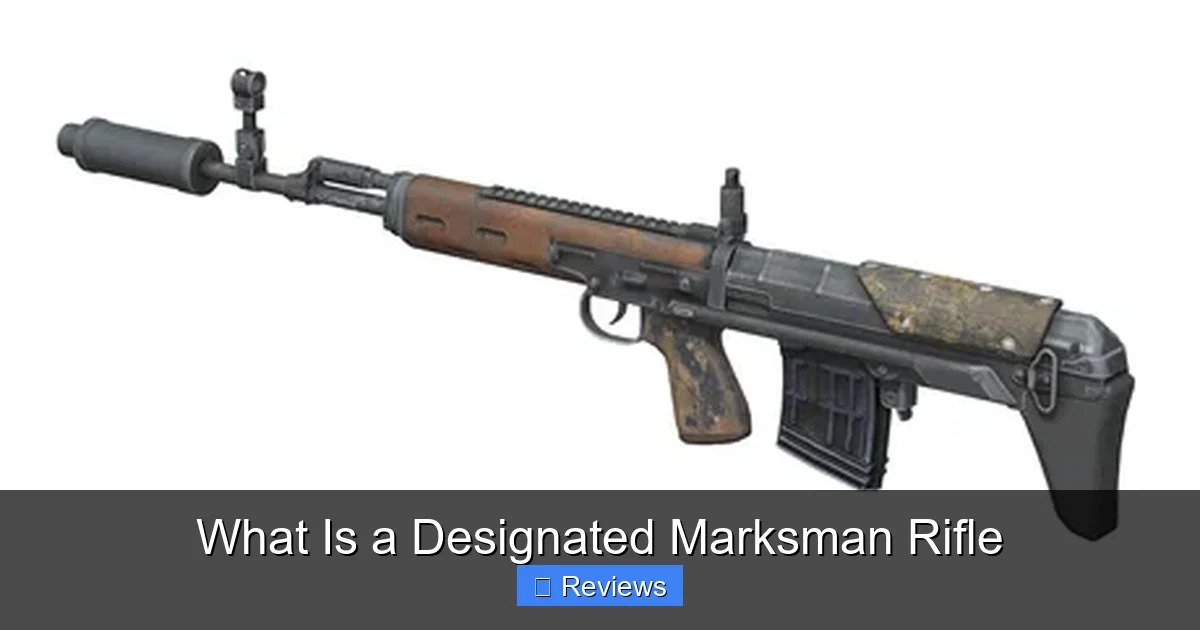
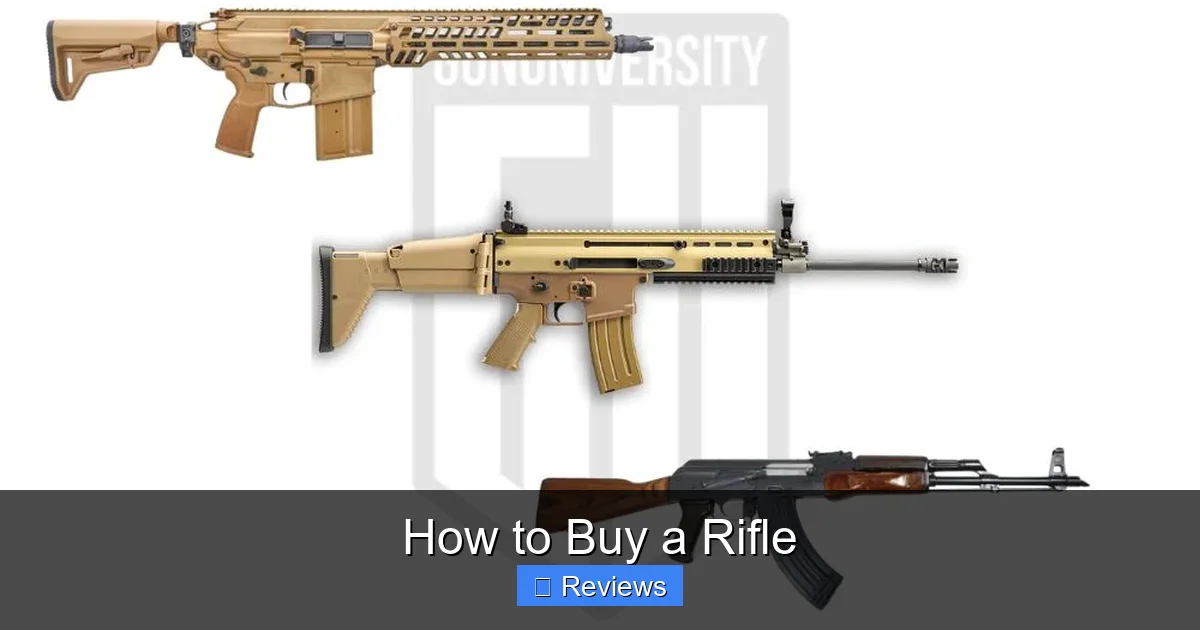
Semi-automatic rifles use the energy from a fired cartridge to automatically eject the spent casing and load a fresh round from a magazine into the chamber, allowing for rapid follow-up shots with each pull of the trigger. Iconic examples include the AR-15 platform and AK-47 variants. They are popular for sport shooting, tactical applications, and some forms of hunting where quick follow-up shots might be necessary. Their modularity often allows for extensive customization. If you’re looking to buy a rifle that offers speed and versatility, a semi-auto is a strong contender.
Lever-Action Rifles
Lever-action rifles embody classic American firearm design, often associated with the Old West. They are operated by manually cycling a lever beneath the receiver to eject a spent casing and load a new round. They are typically chambered in pistol calibers (e.g., .357 Magnum, .44 Magnum) or traditional rifle calibers (e.g., .30-30 Winchester). Lever-actions are popular for close-to-medium range hunting, cowboy action shooting, and their nostalgic appeal. They are generally lightweight and easy to handle. When you buy a rifle with a rich history and a distinctive feel, a lever-action is a great choice.
Pump-Action Rifles
Less common than other types, pump-action rifles operate much like pump-action shotguns. A slide or forearm is manually moved back and forth to cycle the action. They offer a relatively fast rate of fire for a manual action and are known for their reliability. While not as prevalent, some hunters prefer them for their familiarity and smooth operation. They are a niche choice for many, but still a viable option depending on personal preference. When you buy a rifle, it’s worth seeing if a pump-action fits your style.
Single-Shot Rifles
Single-shot rifles, as the name suggests, only hold one round at a time and must be manually reloaded after each shot. This simplicity often translates to exceptional accuracy and reliability, as there are fewer moving parts to affect barrel harmonics or cause malfunctions. They are popular among traditional hunters, beginners learning marksmanship fundamentals, and those who appreciate the challenge and discipline of making every shot count. They are typically lighter and less expensive than repeating rifles. If you want to buy a rifle that teaches patience and precision, a single-shot is an excellent starting point.
Caliber Considerations: Matching Power to Purpose
Choosing the right caliber is just as important as choosing the right rifle type. The caliber refers to the diameter of the bullet and often dictates the power, range, and recoil of the firearm. It’s a critical decision when you buy a rifle.
Common Hunting Calibers
- .223 Remington/5.56 NATO: Excellent for varmints, small predators, and some deer within shorter ranges. Light recoil and affordable ammunition.
- .308 Winchester: A versatile and widely popular caliber for medium-sized game like deer, boar, and even elk at moderate ranges. Good balance of power, recoil, and accuracy.
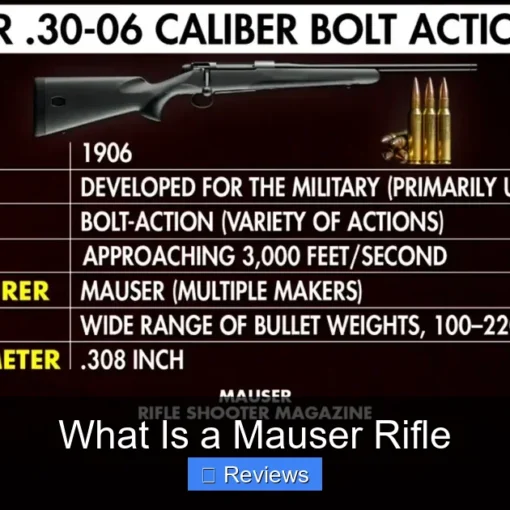
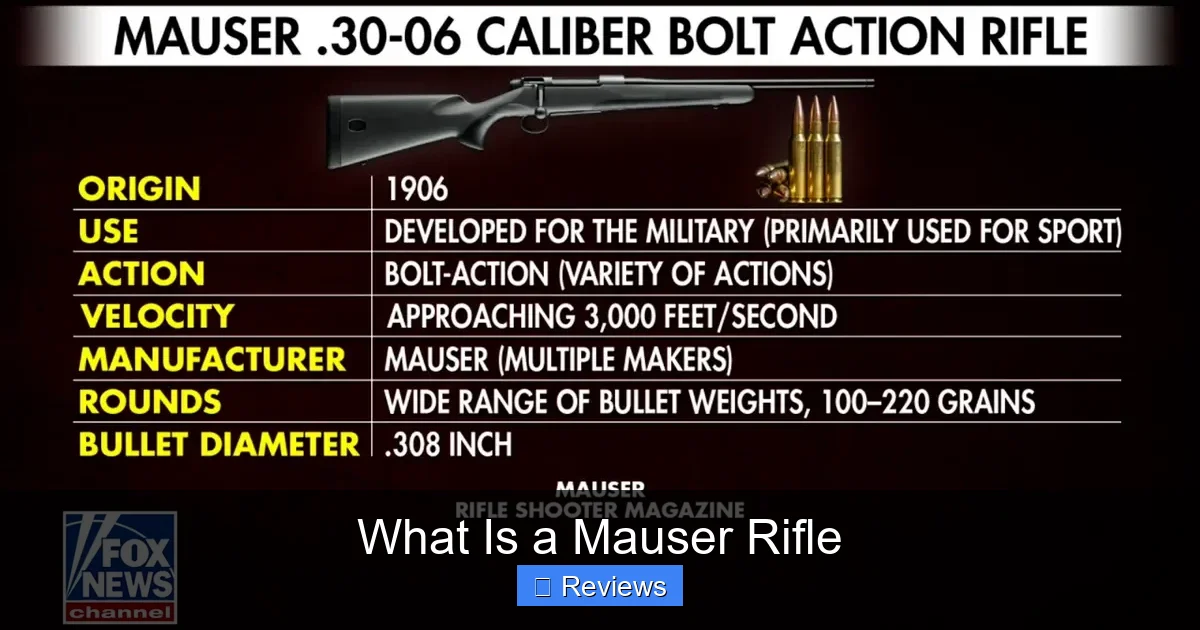
- .30-06 Springfield: A classic American hunting cartridge, highly effective for nearly all North American game. More powerful than the .308, with more recoil.
- 6.5 Creedmoor: Gained immense popularity for its excellent ballistics, low recoil, and accuracy at long ranges, making it superb for target shooting and deer-sized game.
Plinking/Small Game Calibers
The undisputed king here is the .22 Long Rifle (.22LR). It’s incredibly inexpensive, has almost no recoil, and is perfect for teaching new shooters, plinking cans, and hunting small game. Every shooter should consider owning a .22LR when they buy a rifle, as it’s a fantastic training tool.
Self-Defense Calibers
For self-defense, common choices often overlap with hunting calibers, such as .223 Remington/5.56 NATO (in AR-15 platforms) or .308 Winchester. The key here is effective terminal performance at close ranges, reliability, and manageable recoil for quick follow-up shots. Always research ammunition types designed for self-defense.
Ammunition Availability and Cost
Don’t just think about the initial cost to buy a rifle; consider the ongoing expense of ammunition. Common calibers like .22LR, .223 Remington, .308 Winchester, and .30-06 are usually widely available and more affordable than obscure or specialized calibers. If you plan on shooting frequently, ammunition cost can quickly add up, so factor this into your overall budget.
Essential Accessories and Features
A rifle is more than just the firearm itself. A smart buyer considers essential accessories and features that enhance performance, safety, and comfort. When you buy a rifle, think about these additions.
Optics (Scopes, Red Dots)
For most rifle applications beyond very close range, some form of optic is crucial.
- Rifle Scopes: Magnified optics used for precision shooting and hunting at various distances. They come in fixed power or variable power, with different reticle types.
- Red Dot Sights: Non-magnified sights that project a red dot onto a lens, allowing for quick target acquisition at close to medium ranges. Popular on semi-automatic rifles for sport shooting and self-defense.
Choosing the right optic can dramatically improve your accuracy and enjoyment. It’s often recommended to spend as much, if not more, on quality optics than on the rifle itself.
Sights (Iron Sights, Peep Sights)
Many rifles come equipped with traditional iron sights or peep sights. These are excellent for close-range shooting and as backup sights even if you use an optic. Learning to shoot with iron sights builds fundamental marksmanship skills.
Stocks and Materials
The stock is the part of the rifle that you hold and shoulder.
- Wood Stocks: Traditional, aesthetically pleasing, and can offer good recoil absorption. Requires more maintenance to protect against weather.
- Synthetic Stocks (Polymer, Fiberglass): Lightweight, durable, weather-resistant, and often more affordable. Common on modern hunting and tactical rifles.
Consider ergonomics: does the stock fit your body comfortably? Can you get a good cheek weld for consistent sighting?
Magazines and Capacity
Magazines hold the ammunition. Ensure your rifle uses reliable magazines that are readily available. Be aware of state and local laws regarding magazine capacity, as many jurisdictions have limits (e.g., 10 rounds). If you buy a rifle, verify its magazine compatibility.
Slings, Bi-pods, Cases
- Slings: Essential for carrying a rifle comfortably in the field and can aid in shooting stability.
- Bi-pods: Provide a stable rest for prone or bench shooting, especially useful for long-range accuracy.
- Cases: Necessary for safe transport and storage. Hard cases offer maximum protection, while soft cases are lighter and more convenient for range trips.
The Legal and Responsible Path to Purchase
Understanding the legal framework is non-negotiable when you decide to buy a rifle. Laws vary significantly between federal, state, and even local levels. Ignorance of the law is not an excuse.
Federal Laws (Background Checks, Age Limits)
Federally, you must be 18 years old to purchase a rifle or shotgun from a licensed dealer (FFL). To buy a rifle, you must pass a NICS background check (National Instant Criminal Background Check System). This check verifies that you are not prohibited from owning firearms due to felony convictions, domestic violence, certain mental health adjudications, or other disqualifying factors. This process is standard for all FFL purchases.
State and Local Laws (Variations, Specific Permits, Waiting Periods)
State and local laws can add further restrictions. Some states have longer waiting periods before you can take possession of your rifle. Others may require specific permits, licenses, or even registration for certain types of rifles (e.g., “assault weapon” bans). Some localities might have stricter zoning laws for gun stores or additional background checks. Always research the specific laws in your state and city before you buy a rifle.
Finding a Reputable Dealer (FFL)
Purchasing a rifle through a Federal Firearm License (FFL) holder (a licensed gun store) is the safest and most legally sound way to buy a rifle. Reputable dealers will guide you through the paperwork, conduct the necessary background check, and ensure all federal and state laws are followed. They can also offer valuable advice on rifle selection, accessories, and training.
Private Sales (Legalities Vary, Generally FFL Recommended)
Private sales between individuals are legal in some states without an FFL transfer or background check, as long as both parties are residents of the same state and the buyer is not prohibited from owning firearms. However, this varies wildly by state. Many states now require private sales to go through an FFL. To ensure you comply with all laws and to protect yourself, even in states where it’s not federally mandated, conducting a private sale through an FFL is often the recommended path. Never buy a rifle from someone you suspect is prohibited from owning one.
Safe Storage and Handling (Lock It Up!)
Your responsibility doesn’t end after you buy a rifle. Safe storage is paramount to prevent accidents, theft, and unauthorized access, especially by children.
- Gun Safes/Lockboxes: The best way to secure your rifle. They come in various sizes and security levels.
- Cable Locks/Trigger Locks: Can prevent unauthorized firing, but don’t secure the entire firearm from theft.
- Ammunition Storage: Store ammunition separately from firearms, ideally in a locked container.
Always treat every firearm as if it’s loaded, keep your finger off the trigger until ready to fire, and point the muzzle in a safe direction.
Budgeting and Making the Final Decision
Buying a rifle is an investment, and it’s important to budget not just for the rifle itself, but for everything that goes with it. Being prepared financially will make the experience much smoother.
Rifle Cost (Entry-Level to High-End)
Rifles range widely in price. You can find entry-level .22LR rifles for under $200. Basic hunting or sport-shooting rifles typically start around $400-$600. High-end precision rifles or collectible firearms can cost thousands. Set a realistic budget before you start shopping to avoid disappointment or overspending. Remember that a higher price doesn’t always mean “better” for your specific needs.
Ammunition Cost (Ongoing Expense)
This is where many first-time buyers underestimate their budget. Ammunition costs can quickly add up, especially if you plan to shoot regularly. A box of rifle cartridges can range from $20 to $60 or more, depending on caliber and quality. Factor in how much you anticipate shooting per month or year. It’s smart to buy a rifle chambered in a common, affordable caliber if you’re on a tight budget for consumables.
Accessory Costs (Scopes, Cases, Cleaning Kits)
As discussed, optics, cases, slings, and cleaning kits are essential. A good scope can easily cost as much as the rifle, if not more. A decent hard case might be $100-$300. Cleaning kits are usually $30-$50. Don’t forget ear and eye protection, which are mandatory for safe shooting. These add-ons can significantly increase your overall outlay when you decide to buy a rifle.
Training and Range Fees
If you’re new to shooting, professional instruction is highly recommended. Basic rifle courses can range from $100-$300. Range fees, whether per hour or through a membership, are also an ongoing cost. Investing in training is investing in your safety and skill.
Test Firing and Hands-On Experience
If possible, try to test fire different rifles at a shooting range before committing to a purchase. Many ranges rent firearms. This allows you to experience recoil, ergonomics, and overall feel. If test firing isn’t an option, at least handle different models at a gun store. Shoulder them, cycle the action, and see how they feel in your hands. Comfort and fit are subjective but vital for accurate shooting.
Buying a rifle is an exciting and empowering experience, but it’s one that comes with serious responsibilities. By taking the time to understand your needs, research your options, adhere to all legal requirements, and commit to safe handling and storage, you’re not just making a purchase—you’re becoming a responsible and informed firearm owner. Enjoy the journey, practice regularly, and always prioritize safety. With the right research, you’ll find the perfect rifle that serves your purpose for years to come.
🎥 Related Video: Rifle Basics for Absolute Beginners
📺 Guns & Accessories
This is not intended to be a substitute for taking classes and learning from people in person. I mention that very clearly in the video …
Frequently Asked Questions
What is an FFL, and why is it important when buying a rifle?
An FFL stands for Federal Firearm License. It refers to a licensed dealer (like a gun store) authorized by the Bureau of Alcohol, Tobacco, Firearms and Explosives (ATF) to sell firearms. Buying a rifle through an FFL ensures that all federal and state laws, including background checks, are properly followed.
What are the key differences between a bolt-action and a semi-automatic rifle?
A bolt-action rifle requires manual cycling of the bolt to load each round, known for its precision and reliability. A semi-automatic rifle, conversely, automatically loads the next round after each shot, offering a faster rate of fire and often larger magazine capacities, making it popular for sport shooting and self-defense.
How do I choose the right caliber for my rifle?
Choosing the right caliber depends primarily on your intended use. For small game and plinking, .22LR is ideal. For medium hunting game like deer, popular choices include .308 Winchester or 6.5 Creedmoor. Consider factors like recoil, ammunition cost, and local hunting regulations.
Are there waiting periods to buy a rifle?
Federal law does not mandate a waiting period for rifles, but many states and some local jurisdictions do impose waiting periods. These can range from a few days to several weeks, so it’s essential to check the specific laws in your area before making a purchase.
What accessories are essential when I buy a rifle?
Beyond the rifle itself, essential accessories include a quality rifle case for safe transport and storage, a cleaning kit to maintain functionality, ear and eye protection for shooting safety, and suitable optics (like a scope or red dot sight) or reliable iron sights for aiming. A sling can also be very useful for carrying.
What are the most important safety rules for rifle ownership?
The four fundamental rules of firearm safety are: always treat every firearm as if it’s loaded; always keep the muzzle pointed in a safe direction; always keep your finger off the trigger until you’re ready to shoot; and always be sure of your target and what’s beyond it. Additionally, responsible storage in a locked safe or container is crucial.