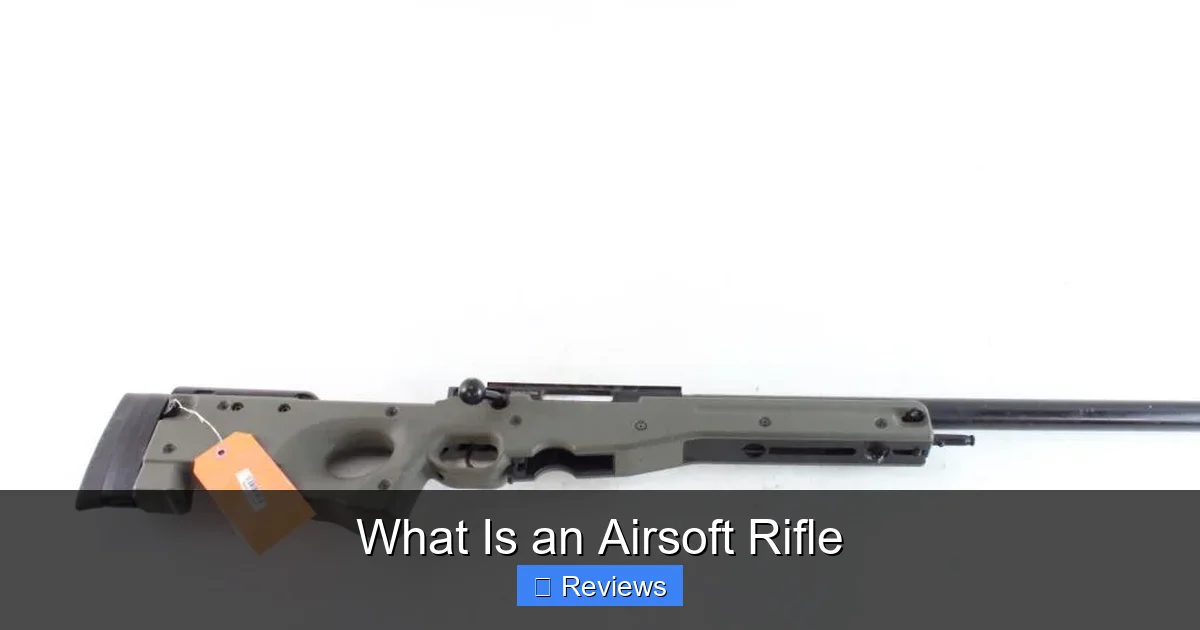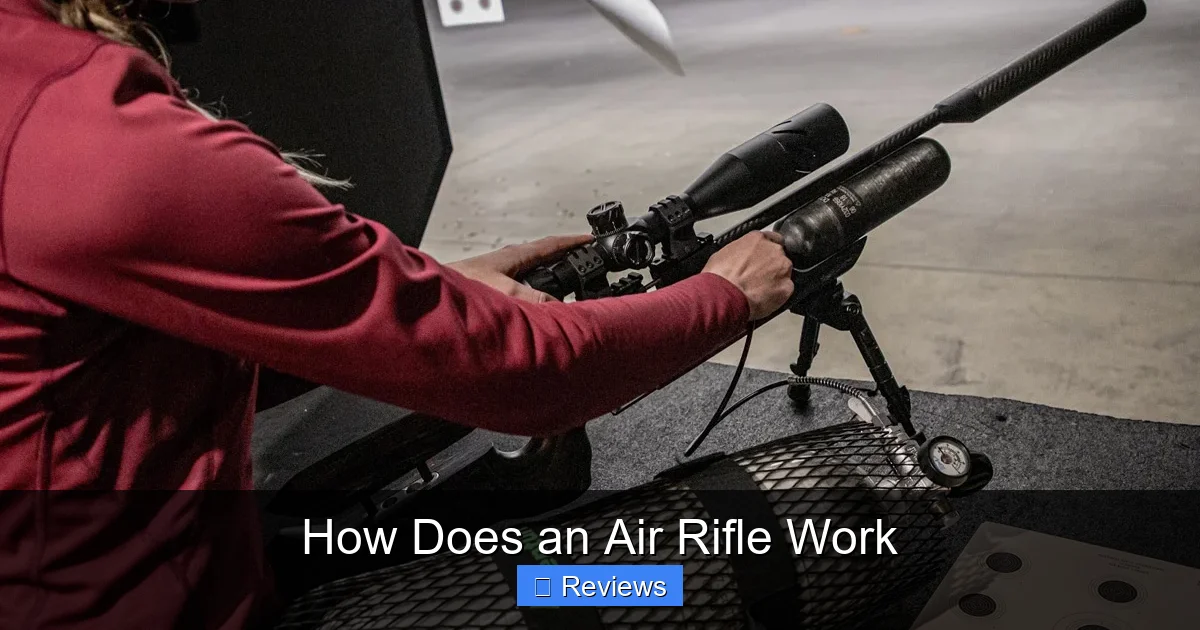
An air rifle operates by harnessing the power of compressed air or gas to propel a projectile, typically a pellet or BB. Different types achieve this in unique ways: spring-piston and gas ram models compress air mechanically with each shot, while multi-pump, PCP, and CO2 rifles use pre-stored or cartridge-based compressed gas. Ultimately, it’s the sudden release of this stored energy that launches the projectile with impressive speed and accuracy.
Have you ever wondered about the magic behind an air rifle? You see someone effortlessly cocking it, aiming, and *thwack!* – a pellet zips off towards its target. It seems simple enough on the surface, right? But beneath that sleek exterior lies a fascinating world of mechanical engineering, clever physics, and precise timing. Understanding how an air rifle works isn’t just for mechanics; it helps you appreciate your equipment, improve your shooting, and even troubleshoot minor issues.
Forget the gunpowder and loud bangs of traditional firearms. Air rifles operate on an entirely different principle: compressed air or gas. This fundamental difference is what makes them popular for target practice, pest control, and even small game hunting in many areas. They’re quieter, often more affordable to shoot, and incredibly versatile. So, whether you’re a seasoned shooter, a curious beginner, or just someone who loves to understand how things tick, let’s dive deep into the mechanics and explore exactly how an air rifle works.
Key Takeaways
- Core Principle: All air rifles work by using compressed air or gas to propel a projectile, but they achieve this compression and release in different ways.
- Spring-Piston Rifles: These classic models utilize a coiled steel spring to drive a piston, compressing air behind the pellet when fired.
- Gas Ram Rifles: Similar to spring-piston, but they replace the spring with a sealed gas cylinder (often nitrogen) for smoother operation and less recoil.
- Pneumatic Rifles: This category includes multi-pump models (manual compression per shot) and Pre-Charged Pneumatic (PCP) rifles, which store highly compressed air in an onboard reservoir for multiple shots.
- CO2 Rifles: These convenient rifles use small disposable CO2 cartridges, where the compressed gas expands rapidly to fire the pellet.
- Key Components: Regardless of type, essential parts include the barrel (for accuracy), the trigger mechanism (for firing control), and a system for compressing or storing air.
- Power Source Determines Performance: The choice of air rifle type directly impacts factors like shot consistency, power, shot count, and the effort required for operation.
Quick Answers to Common Questions
What is the main difference between a spring-piston and a gas ram air rifle?
The main difference is the power source for compressing air. A spring-piston rifle uses a coiled steel spring, while a gas ram rifle uses a sealed cylinder of compressed inert gas (usually nitrogen) in place of the spring.
Do PCP air rifles require an external air source?
Yes, Pre-Charged Pneumatic (PCP) air rifles require an external high-pressure air source, such as a hand pump, a scuba tank, or a specialized air compressor, to fill their onboard air reservoir.
Can CO2 air rifles be affected by cold weather?
Yes, CO2 air rifles are susceptible to temperature changes. Colder temperatures cause the CO2 gas to contract, leading to lower pressure, reduced power, and decreased pellet velocity.
What does “rifled barrel” mean in an air rifle?
A rifled barrel has spiral grooves cut into its interior surface. These grooves impart a spin on the pellet as it travels down the barrel, which stabilizes its flight and significantly improves accuracy.
Is it safe to leave a spring-piston air rifle cocked for extended periods?
It is generally not recommended to leave a spring-piston air rifle cocked for very long periods, as it can weaken the spring over time. Gas ram rifles, however, are usually designed to be left cocked without harm.
📑 Table of Contents
The Fundamental Principle: Compressed Air Power
At its heart, every air rifle, regardless of its specific design, relies on the rapid expansion of compressed air or gas to propel a projectile. Think of it like a miniature, controlled explosion, but instead of chemicals, we’re using physics. When air is squished into a smaller volume, its pressure increases. Release that pressure suddenly behind a pellet, and boom! (Or rather, *whoosh!*), the pellet is off.
The Role of Pressure
Pressure is the key player here. Imagine a balloon. When you blow air into it, the air inside is under more pressure than the air outside. If you pop the balloon, the air rushes out, seeking to equalize that pressure. An air rifle works on a similar, albeit much more controlled, principle. The energy stored in the compressed air is converted into kinetic energy for the pellet. The higher the pressure and the more efficiently it’s released, the faster and more powerfully the pellet will fly.
The Projectile
Most air rifles shoot pellets, which are small, diabolo-shaped (like a hourglass) projectiles usually made of lead or lead-free alloys. This shape is optimized for stability and accuracy when traveling through the air. Some air rifles also shoot BBs, which are small spherical steel balls. The interaction between the compressed air and the base of the pellet is what gives it the initial push down the barrel. Understanding how an air rifle works really starts with this basic concept of using air pressure.
Spring-Piston Air Rifles: The Classic Mechanism
When most people think of an air rifle, they often picture a spring-piston model. These are perhaps the most common type, especially for beginners and those looking for a self-contained, robust system. The beauty of a spring-piston air rifle lies in its elegant simplicity and the fact that it doesn’t require any external air tanks or CO2 cartridges.

Visual guide about How Does an Air Rifle Work
Image source: airgundepot.com
Cocking and Loading
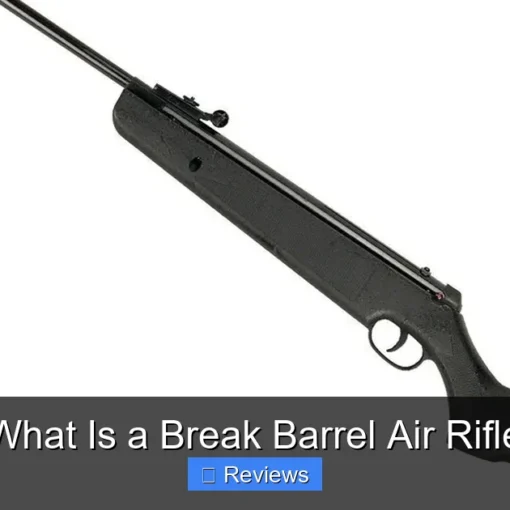
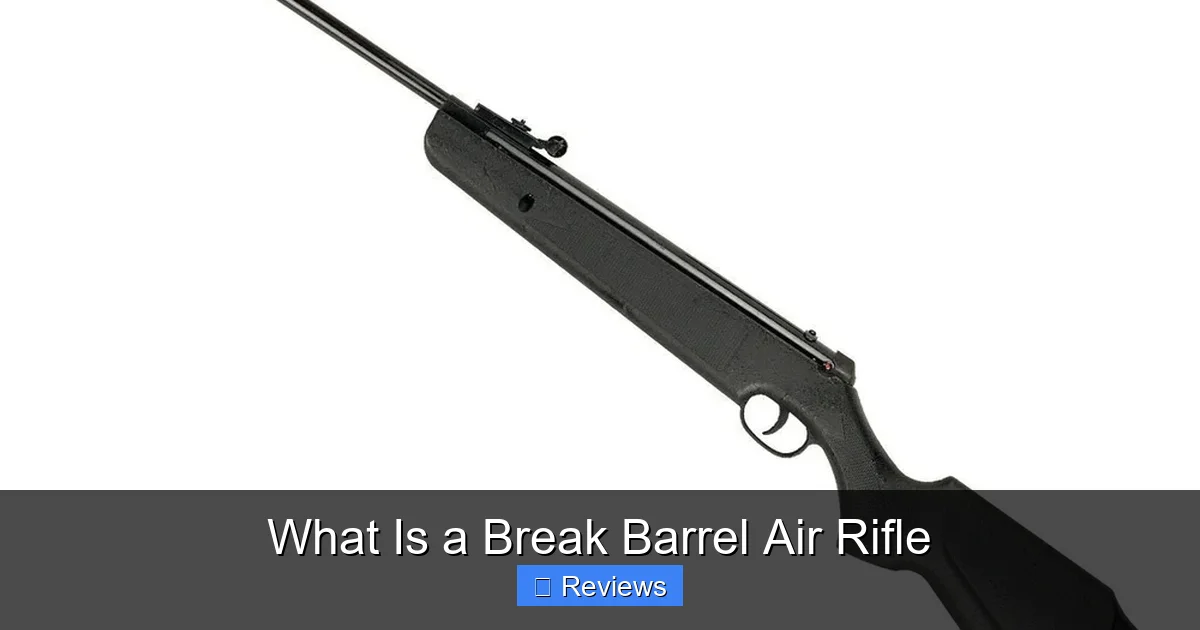
The process usually begins with cocking the rifle. This often involves breaking the barrel (a “break-barrel” design) or using an underlever or sidelever. As you apply force to cock the rifle, you’re doing two things: you’re pushing a piston rearward, and you’re compressing a powerful coiled steel spring. This spring is held under tension by a sear mechanism. Once the rifle is cocked, you load a single pellet directly into the breach of the barrel.
The Firing Sequence
When you pull the trigger, the sear releases the compressed spring. This spring then rapidly pushes the piston forward. As the piston hurtles down the compression chamber, it compresses a pocket of air in front of it to an extreme degree. This high-pressure air quickly builds up behind the loaded pellet. Once the pressure is great enough to overcome the pellet’s resistance to moving, the pellet is forced out of the barrel at high speed. The entire firing cycle happens in a fraction of a second, a true testament to how an air rifle works with mechanical precision.
Recoil Characteristics
One distinct characteristic of spring-piston rifles is their recoil. Unlike firearms, which recoil backward, springers have a unique “double recoil” or “two-way” recoil. The spring launching forward causes a jolt, and then the pellet exiting the barrel causes another. This makes them a bit challenging to shoot accurately for beginners, but with practice and a proper “artillery hold,” it becomes manageable.
Gas Ram Air Rifles: A Modern Twist
Building upon the spring-piston design, gas ram (or “gas spring” or “nitro piston”) air rifles offer a significant improvement in feel and performance for many shooters. While they operate on a very similar principle of compressing air to propel a pellet, they achieve that initial compression differently.
Nitrogen vs. Steel Spring
Instead of a coiled steel spring, a gas ram air rifle uses a sealed cylinder containing compressed inert gas, typically nitrogen. When you cock the rifle, you’re compressing this gas inside the cylinder, much like compressing the air in a bicycle pump. When the trigger is pulled, the gas expands rapidly, pushing the piston forward to compress the air behind the pellet. This is where the magic of how an air rifle works gets a bit more refined.
Advantages for Shooters
Gas ram systems offer several advantages. They tend to have a smoother cocking cycle and a more consistent shot-to-shot velocity because the gas pressure is less affected by temperature changes than a steel spring’s tension. The biggest benefit, however, is often felt in the firing cycle. Gas rams produce less vibration and a more linear, forward recoil pulse compared to the twang and double recoil of a steel spring. This can lead to improved accuracy and a more pleasant shooting experience. Plus, they can often be left cocked for longer periods without damage, unlike some steel springs.
Pneumatic Air Rifles: Stored Air Power
Pneumatic air rifles represent a different approach to generating power: they store compressed air either by manual pumping or from an external source. This category splits into two main types: multi-pump pneumatics and Pre-Charged Pneumatics (PCP).
Multi-Pump Air Rifles: Manual Compression
Multi-pump air rifles are often entry-level models, popular for their simplicity and variable power output. To operate one, you manually pump a lever, typically located under the barrel or forearm. Each pump forces air into a small, internal compression chamber. You can usually pump between 3 and 10 times, with more pumps resulting in more power. When you pull the trigger, a valve opens, releasing the stored, compressed air behind the pellet, sending it down the barrel. The beauty here is that you control the power, making them very versatile for different shooting scenarios. It’s a hands-on way to understand how an air rifle works by directly feeling the compression build.
Pre-Charged Pneumatic (PCP) Air Rifles: High-Pressure Tanks
PCP air rifles are considered the top tier in airgun technology, offering incredible accuracy, power, and consistency. They don’t require any pumping or cocking effort per shot. Instead, they feature an onboard air cylinder (often integrated into the stock) that is pre-filled with highly compressed air from an external source. This source could be a hand pump, a scuba tank, or a specialized high-pressure air compressor. These rifles typically operate at pressures ranging from 2,000 to 3,000 PSI (pounds per square inch) or even higher.
When you fire a PCP rifle, a small hammer strikes a valve, briefly opening it and releasing a precisely metered amount of high-pressure air behind the pellet. This sophisticated system allows for many shots from a single fill, often 30 to over 100, with remarkable shot-to-shot consistency, especially if the rifle has a regulator. A regulator ensures that the same pressure is delivered to the pellet for each shot, regardless of the overall pressure remaining in the main air tank, optimizing how an air rifle works for precision.
Filling and Maintenance
Filling a PCP air rifle involves connecting it to your chosen air source and carefully monitoring the pressure gauge. Safety is paramount when dealing with such high pressures. Regular maintenance includes ensuring the seals are in good condition and keeping the air reservoir free from moisture, which can cause internal corrosion. Understanding these aspects is crucial to fully grasp how an air rifle works when it’s a PCP model.
CO2 Air Rifles: Cartridge Convenience
CO2 air rifles offer perhaps the most convenient and easiest shooting experience. They are incredibly popular for plinking, target shooting, and often come in realistic replica designs of firearms. Their operation is wonderfully straightforward.
The CO2 Cartridge
These rifles use small, disposable cartridges containing compressed carbon dioxide (CO2). The most common size is a 12-gram cartridge, though larger 88-gram or 90-gram cartridges are also available for some models. When you load a CO2 cartridge into the rifle, a piercing mechanism punctures the cartridge, allowing the CO2 gas to fill a small internal reservoir or pathway within the rifle.
Operation and Limitations
When the trigger is pulled, a hammer strikes a valve, briefly releasing a burst of this compressed CO2 gas behind the pellet (or BB), propelling it out of the barrel. One of the main advantages is the rapid firing capability; many CO2 rifles are semi-automatic or even full-auto, as there’s no need to manually recompress air after each shot. Simply load your next pellet or BB, and you’re ready to go.
However, CO2 performance can be sensitive to temperature. Colder temperatures cause the CO2 gas to contract, resulting in lower pressure and thus less power and slower pellet velocity. Conversely, very warm temperatures can increase pressure beyond safe operating limits in some instances, though modern designs typically account for this. Shot count also varies significantly depending on the rifle and temperature, but typically you’ll get 40-60 good shots from a 12-gram cartridge before power drops off. It’s an accessible way to experience how an air rifle works.
Common Components and Maintenance
While the internal mechanisms for compressing and releasing air vary wildly between types, all air rifles share some fundamental external components that are crucial for their function and user experience. Learning about these helps round out your knowledge of how an air rifle works.
Barrel Types and Accuracy
The barrel is perhaps the most critical component for accuracy. Most quality air rifles feature a rifled barrel, meaning there are spiral grooves cut into the inside surface. As the pellet travels down the barrel, these grooves impart a spin, stabilizing the pellet’s flight and greatly improving accuracy. Smoothbore barrels, often found on cheaper BB guns, don’t provide this spin and are less accurate. Keeping the barrel clean from lead fouling and debris is vital for consistent performance.
Trigger Mechanisms
The trigger assembly connects the shooter’s finger to the firing mechanism. A good trigger is crucial for accuracy. Triggers can range from simple, single-stage mechanisms to sophisticated, adjustable two-stage units found on high-end PCP and competition rifles. A crisp, predictable trigger break allows the shooter to release the shot without disturbing the aim. Understanding how an air rifle works from a user’s perspective heavily involves mastering the trigger.
Essential Maintenance Tips
- Cleaning the Barrel: Use appropriate cleaning kits and patches, always cleaning from the breach to the muzzle if possible to avoid damaging the crown.
- Lubrication: Apply specific airgun lubricants to pivot points, springs (if applicable), and seals as recommended by the manufacturer. Avoid petroleum-based oils on seals.
- Storage: Store your air rifle in a cool, dry place, ideally in a case, to protect it from dust, moisture, and accidental damage.
- Safety Checks: Regularly inspect for loose screws, worn seals, or any signs of damage. Always treat an air rifle with the same respect and safety precautions as a firearm.
By understanding these common elements and practicing good maintenance, you ensure that your air rifle continues to operate safely and effectively, providing years of shooting enjoyment. It reinforces the practical knowledge of how an air rifle works day-to-day.
Conclusion
From the robust simplicity of a spring-piston rifle to the high-tech precision of a PCP, the world of air rifles is diverse and fascinating. Each type offers a unique method of harnessing compressed air or gas to send a pellet downrange, catering to different needs, budgets, and shooting styles. Whether you prefer the satisfying thump of a springer, the smooth shot of a gas ram, the adaptable power of a multi-pump, the consistency of a PCP, or the convenience of CO2, the underlying principle remains the same: controlled, rapid expansion of gas.
Understanding exactly how an air rifle works not only demystifies these powerful tools but also empowers you to choose the right rifle for your purposes, maintain it properly, and ultimately become a better and safer shooter. So next time you pick up an air rifle, take a moment to appreciate the ingenious engineering that transforms a simple squeeze of the trigger into a precise and powerful shot.
🎥 Related Video: World's Most Powerful Break Barrel Air Rifle! #gun #airgunning #airgun #shorts
📺 BLOCKETH OUTDOORS
Frequently Asked Questions
What kind of maintenance does a typical air rifle need?
Regular maintenance for an air rifle includes cleaning the barrel to prevent lead buildup, periodically lubricating moving parts and seals with appropriate airgun oils, and inspecting for any signs of wear or damage. Proper storage in a dry environment is also crucial.
Are air rifles considered firearms?
In most jurisdictions, air rifles are not classified as firearms because they do not use gunpowder or an explosive charge to propel a projectile. However, they are still powerful tools and should always be handled with the same respect and safety precautions as a firearm.
What determines the power of an air rifle?
The power of an air rifle is primarily determined by the volume of compressed air/gas, the pressure at which it’s released, and the efficiency of the mechanism. Factors like barrel length and pellet weight also play a role in the final muzzle energy and velocity.
Can different types of air rifles shoot different calibers?
Yes, air rifles are available in various calibers, with the most common being .177 (4.5mm) and .22 (5.5mm). Some powerful models also come in .25 (6.35mm), .30 (7.62mm), or even larger big-bore calibers, each designed for specific uses like pest control or hunting.
How does a regulator work in a PCP air rifle?
A regulator in a PCP air rifle takes the high pressure from the main air reservoir and reduces it to a consistent, lower pressure for each shot. This ensures that every pellet is propelled by the exact same force, leading to much greater shot-to-shot consistency and accuracy.
What is “diesel effect” in an air rifle?
The “diesel effect” occurs when residual oil or lubricant in the compression chamber of an air rifle ignites due to the rapid compression of air. This can cause a louder report, excessive smoke, and potentially damage the rifle or seals, and is typically a sign of over-lubrication or an issue with the rifle’s internals.