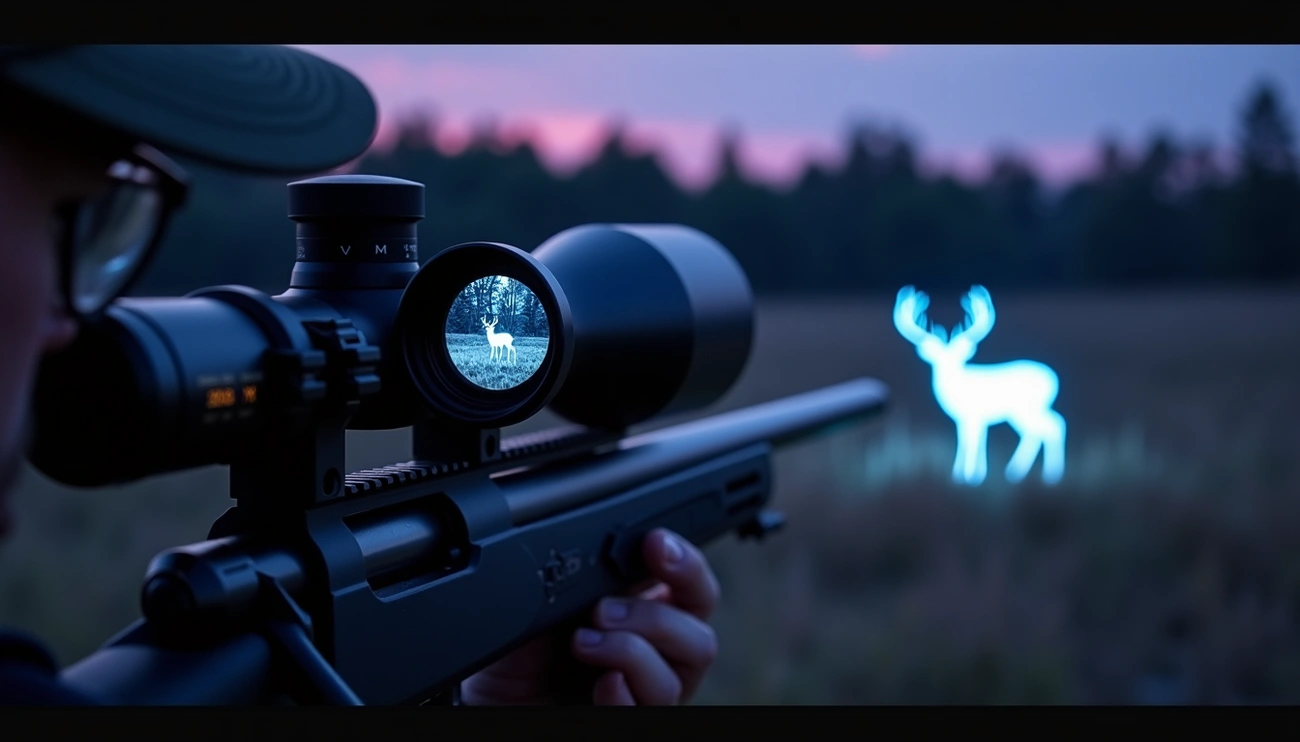
A bolt action rifle operates through a simple yet ingenious manual cycle. The shooter manipulates a bolt to load a cartridge into the chamber, cock the firing mechanism, fire the round, and then extract and eject the spent casing. This straightforward design is renowned for its exceptional accuracy, reliability, and robust construction, making it a favorite among hunters and precision shooters for generations.
Welcome, fellow firearm enthusiasts and curious minds! Have you ever found yourself watching a hunter in a movie, or perhaps a precision shooter at the range, and wondered about the mechanics behind their trusty rifle? Specifically, have you ever asked yourself, “how does a bolt action rifle work?” It’s a question that delves into the heart of a truly classic firearm design, one that has stood the test of time for well over a century.
The bolt action rifle is an icon, revered for its simplicity, robustness, and unparalleled accuracy. From the vast plains of Africa to the competitive shooting ranges, its silhouette is instantly recognizable, and its reputation for reliability is legendary. But what exactly is going on inside that elegant piece of machinery when you cycle the bolt and pull the trigger? Let’s take a journey together to demystify the inner workings of this remarkable firearm.
A Brief History of Reliability
Before we dive into the nuts and bolts (pun intended!), it’s worth appreciating the legacy of the bolt action. Designs like the Mauser K98, the Springfield 1903, and the Mosin-Nagant played pivotal roles in military conflicts throughout history, proving their mettle under the harshest conditions. Today, modern bolt actions, like the Remington 700 or the Winchester Model 70, continue this tradition, albeit with refinements in materials and manufacturing. This rich history is a testament to the fundamental soundness of the bolt action principle. So, let’s explore how does a bolt action rifle work, layer by layer.
Key Takeaways
- Manual Operation: A bolt action rifle is entirely manually operated; the shooter cycles the bolt to perform all loading, firing, and extraction functions.
- Precision & Accuracy: The rigid locking mechanism of the bolt action design contributes significantly to its inherent accuracy, making it a top choice for long-range shooting and hunting.
- Simplicity & Reliability: With fewer moving parts compared to semi-automatic firearms, bolt actions are less prone to malfunctions and easier to maintain, especially in harsh conditions.
- The “Four Actions”: Understanding how does a bolt action rifle work involves mastering the four core actions: loading a cartridge, firing the round, extracting the spent casing, and ejecting it.
- Key Components: Essential parts like the bolt (with its locking lugs, extractor, and ejector), receiver, barrel, and trigger group all work in concert to achieve its function.
- Safety First: Operating a bolt action rifle requires strict adherence to safety protocols, including understanding its mechanical safeties and safe handling practices.
Quick Answers to Common Questions
What is the primary advantage of a bolt action rifle?
The primary advantage of a bolt action rifle is its exceptional accuracy and reliability, largely due to its strong, rigid locking mechanism.
How is a bolt action rifle loaded?
A bolt action rifle is loaded by manually cycling the bolt forward, which strips a cartridge from the magazine and pushes it into the chamber, then rotating the bolt handle down to lock it.
What are locking lugs for?
Locking lugs are protrusions on the bolt that engage with recesses in the receiver, providing a strong lock-up that contains the high pressures generated when a cartridge is fired.
Is a bolt action rifle good for beginners?
Yes, a bolt action rifle can be an excellent choice for beginners due to its simpler manual operation, which encourages careful shot placement and reinforces safety fundamentals.
Can you attach a scope to all bolt action rifles?
Most modern bolt action rifles are designed with provisions (like drilled and tapped holes or integrated rails) for attaching an optic or scope, though some older models may require specialized mounts.
📑 Table of Contents
The Anatomy of a Bolt Action Rifle: A Guided Tour
To understand how does a bolt action rifle work, we first need to get acquainted with its main components. While designs vary, the core parts remain consistent across virtually all bolt action rifles.
The Stock
This is what you hold onto. Typically made from wood, synthetic polymers, or laminated materials, the stock provides the shooter with a stable platform for aiming and managing recoil. It usually includes a buttstock (rests against your shoulder) and a forend (where you support the rifle with your non-dominant hand).
The Barrel
The barrel is the long tube through which the projectile (bullet) travels. It’s usually made of steel and is precisely bored and rifled. Rifling refers to the helical grooves cut into the barrel’s interior, which impart a spin to the bullet, stabilizing it in flight and making it accurate. The front end is the muzzle, and the rear end, connected to the receiver, is where the chamber is located.
The Receiver
Often called the “action,” the receiver is the central frame of the rifle. It houses the bolt, the trigger mechanism, and connects the barrel and the stock. It’s the sturdy foundation where all the critical actions — loading, firing, and ejecting — take place. Many receivers also include mounting points for optics, like scopes.
The Bolt
This is the heart of the bolt action system, and arguably the most crucial component for understanding how does a bolt action rifle work. The bolt is a cylindrical steel mechanism that moves back and forth within the receiver. It’s responsible for feeding cartridges, locking into the receiver during firing, extracting spent casings, and cocking the firing pin. We’ll delve into the bolt in more detail shortly.
The Trigger Mechanism
This assembly includes the trigger, sear, and often a safety mechanism. When the trigger is pulled, it releases the firing pin, allowing it to strike the primer of the cartridge. Modern trigger mechanisms are often adjustable for pull weight and overtravel.
The Magazine
A bolt action rifle can be fed either from an internal magazine (fixed, often loaded from the top) or a detachable box magazine (removable). The magazine holds the cartridges, presenting them one by one to the bolt for loading into the chamber.
The Core Mechanism: Unpacking the Bolt
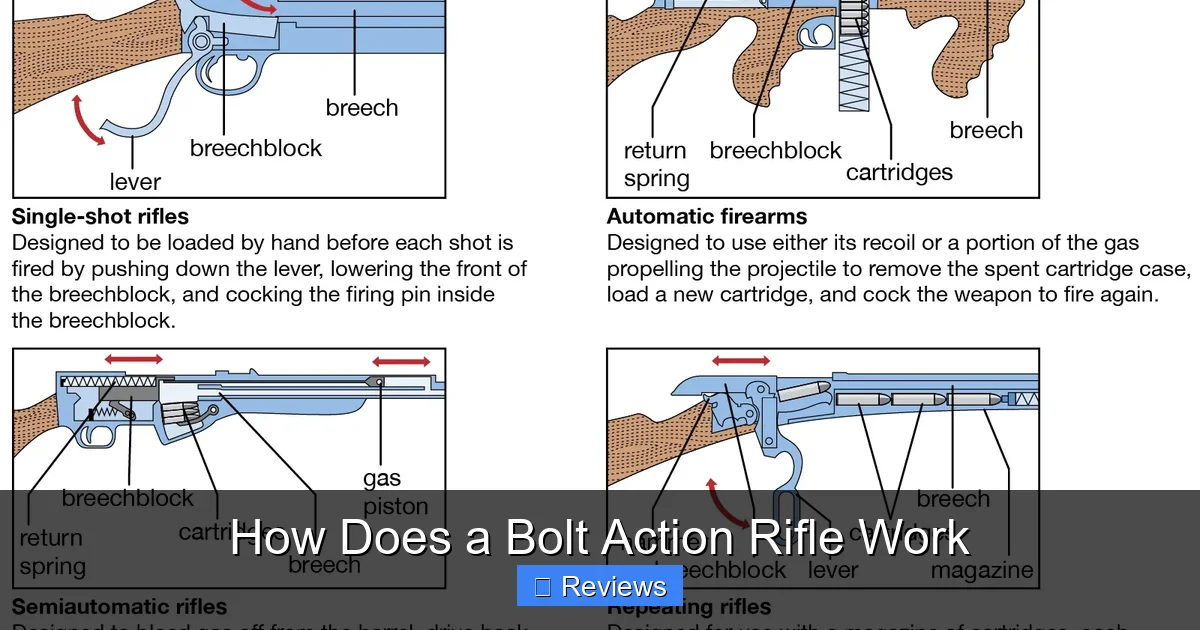
Visual guide about How Does a Bolt Action Rifle Work
Image source: app.dropinblog.com
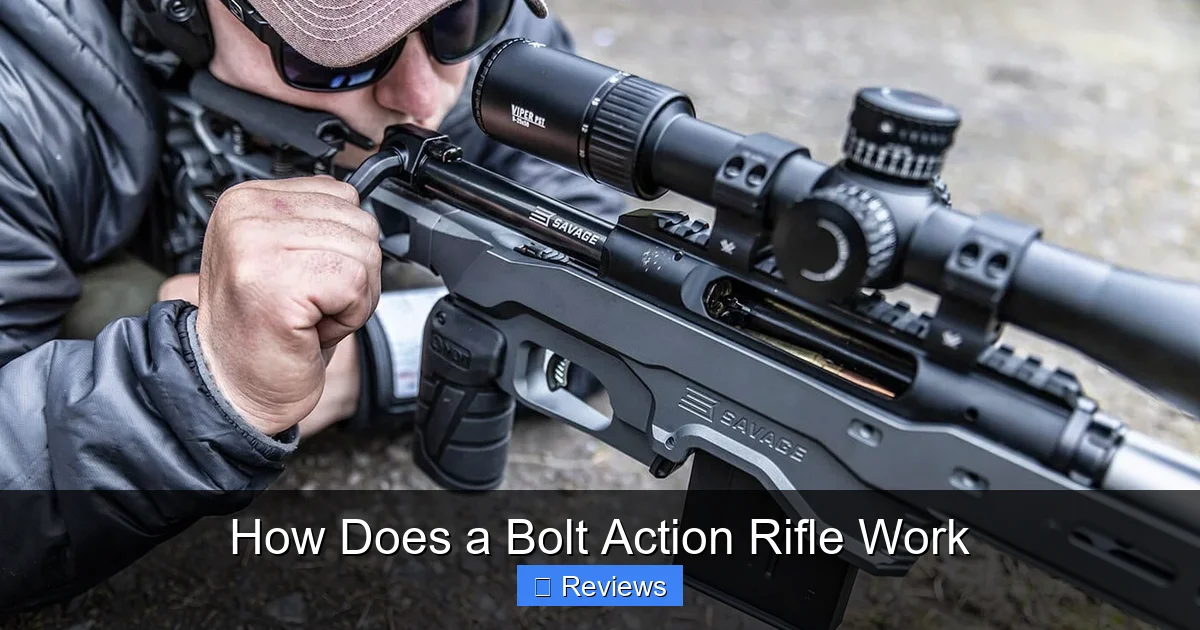
Now that we’ve seen the major players, let’s zoom in on the bolt itself, as its clever design is central to explaining how does a bolt action rifle work.
Bolt Body
This is the main cylindrical part of the bolt, which slides inside the receiver. It often has grooves or fluting to reduce weight and friction.
Bolt Handle
Attached to the bolt body, this is what the shooter grasps to manually operate the bolt. It usually extends outwards and often has a knob for a secure grip.
Locking Lugs
These are robust protrusions, usually at the front of the bolt, that engage with corresponding recesses (locking lug abutments) in the receiver. When the bolt is rotated into its locked position, these lugs firmly secure the bolt against the rearward force generated by firing. This incredibly strong lock-up is a key reason for the bolt action’s reputation for safety and accuracy.
Extractor
A small, spring-loaded claw or hook located on the bolt face. After a cartridge is fired, the extractor grabs the rim of the spent casing. As the bolt is pulled rearward, the extractor holds onto the casing, pulling it out of the chamber.
Ejector
Also on the bolt face or within the receiver, the ejector is a small pin or lever that, as the bolt is pulled fully rearward, pushes the spent casing away from the rifle, usually through an ejection port in the receiver. Some ejectors are spring-loaded, others are fixed, relying on the bolt’s motion to ‘throw’ the casing.
Firing Pin and Striker
Inside the bolt body is the firing pin. It’s a pointed rod that, when released by the trigger, springs forward to strike the primer of the cartridge. The primer then ignites the propellant (gunpowder) inside the cartridge. The firing pin assembly also includes a mainspring and a cocking piece or striker, which is the part that is manually or automatically cocked when the bolt is operated.
The Four Actions: How Does a Bolt Action Rifle Work, Step-by-Step
The operation of a bolt action rifle can be broken down into four distinct, manually executed actions. This is where the magic of “how does a bolt action rifle work” truly becomes clear.
1. Loading (Feeding and Chambering)
Imagine you have an empty chamber and a loaded magazine.
- Opening the Action: First, you grasp the bolt handle and rotate it upwards (usually 90 degrees). This unlocks the locking lugs from the receiver.
- Rearward Motion: Next, you pull the bolt straight back. As the bolt moves rearward, it clears the breech (the opening of the chamber).
- Feeding a Cartridge: If the magazine is loaded, the top cartridge is pushed up by the magazine spring, aligning it with the chamber.
- Forward Motion: You then push the bolt forward. The bolt face, with its extractor, pushes against the base of the top cartridge, stripping it from the magazine and guiding it into the chamber.
- Locking the Action: Finally, you push the bolt fully forward and rotate the bolt handle downwards. This engages the locking lugs with the receiver’s abutments, securing the cartridge firmly in the chamber and closing the breech. During this forward and locking motion, the firing pin mechanism is typically cocked, making the rifle ready to fire.
2. Firing
Once the rifle is loaded and the bolt is locked, it’s ready to fire.
- Safety Off: Assuming you’ve taken appropriate safety precautions and are ready to shoot, you disengage the rifle’s safety mechanism.
- Trigger Pull: You place your finger on the trigger and apply steady pressure.
- Firing Pin Release: When enough pressure is applied, the trigger mechanism releases the sear, which in turn releases the cocked firing pin.
- Primer Strike: The firing pin, propelled by its spring, slams into the primer at the base of the cartridge.
- Ignition: The primer ignites the propellant, creating a rapid buildup of gas pressure.
- Bullet Propulsion: This gas pressure forces the bullet down the barrel, out of the muzzle, and towards the target. The rifling imparts spin to stabilize the bullet.
3. Extracting
After the bullet has left the barrel, the spent cartridge casing remains in the chamber.
- Unlocking and Rearward Motion: To prepare for the next shot, you again grasp the bolt handle, rotate it upwards to unlock the action, and begin to pull it rearward.
- Casing Withdrawal: As the bolt moves back, the extractor, which has a firm grip on the rim of the spent casing, pulls the empty shell out of the chamber.
4. Ejecting
The final step in the cycle is to get rid of that empty casing.
- Ejector Engagement: As the bolt continues its rearward travel, the spent casing, still held by the extractor, makes contact with the ejector.
- Casing Ejection: The ejector, either by spring pressure or by leveraging the bolt’s motion, pushes the casing away from the bolt face and out through the rifle’s ejection port. This clears the action for the next cartridge to be loaded.
And with that, the cycle is complete, and the rifle is ready to repeat the loading, firing, extracting, and ejecting sequence for another shot. This precise, manual operation is fundamentally how does a bolt action rifle work.
Why Bolt Actions Endure: Advantages & Considerations
Understanding how does a bolt action rifle work also means understanding *why* it works so well for specific purposes, and what its limitations might be.
Advantages: The Pillars of Bolt Action Excellence
- Exceptional Accuracy: The rigid, secure lock-up of the bolt into the receiver minimizes movement and flex during firing. This stability, combined with often heavier, free-floated barrels, is the primary reason bolt actions are synonymous with precision. The direct manual operation also allows for greater consistency in chambering and seating cartridges.
- Unrivaled Reliability: With fewer moving parts than semi-automatic or automatic firearms, there’s simply less to go wrong. Bolt actions are less susceptible to fouling, adverse weather conditions, and ammunition inconsistencies. They are workhorses that can perform in extreme environments.
- Enhanced Safety: The robust locking mechanism and manual operation often provide a greater sense of control. Many bolt actions also feature positive, easily understood safety mechanisms that physically block the firing pin or sear.
- Power Handling: The strong action of a bolt action rifle is ideal for handling powerful cartridges that generate immense pressure. This makes them perfect for hunting large game or long-range shooting with high-performance ammunition.
- Simplicity of Maintenance: Cleaning and maintaining a bolt action is generally straightforward. The bolt assembly is usually easy to remove for thorough cleaning, and there are fewer intricate parts to worry about.
Considerations: Where Bolt Actions May Not Be Optimal
- Slower Rate of Fire: The most obvious drawback is the manual operation. Each shot requires the shooter to manually cycle the bolt, which is significantly slower than a semi-automatic rifle. This isn’t usually an issue for hunting or precision shooting where one well-placed shot is paramount, but it’s a limitation for defensive or high-volume shooting scenarios.
- Limited Magazine Capacity: While some bolt actions use detachable box magazines with higher capacities, many traditional designs have internal magazines holding 3-5 rounds.
- Ergonomics for Rapid Follow-Up Shots: Operating the bolt can disrupt the shooter’s natural point of aim, requiring a slight re-alignment for subsequent shots, especially when shooting from prone or unsupported positions.
Practical Tips for Bolt Action Shooters
Now that you have a solid grasp of how does a bolt action rifle work, let’s touch upon some practical advice for those who own or aspire to own one.
Mastering the Bolt Cycle
Practice makes perfect. Smoothly operating the bolt is crucial for both speed and maintaining your sight picture. Practice cycling the bolt with an empty chamber or snap caps (dummy rounds) until it becomes second nature. Focus on a fluid, consistent motion – up, back, forward, down. A jerky motion can throw you off target.
Maintenance is Key
While reliable, bolt actions still need care. Regularly clean the bore, especially after shooting, to prevent copper and carbon fouling. Keep the bolt body and locking lugs lightly lubricated for smooth operation. Pay attention to the firing pin channel and extractor for buildup. A clean rifle is a happy, accurate rifle.
Ammunition Selection Matters
Bolt actions are precise instruments. Experiment with different brands and bullet weights of ammunition to find what your specific rifle “likes” best. Even subtle differences in bullet design or powder charge can significantly impact accuracy.
Safety Above All
Always treat every firearm as if it were loaded. Keep the muzzle pointed in a safe direction. Keep your finger off the trigger until you are ready to fire. Be absolutely sure of your target and what is beyond it. Understand and utilize your rifle’s safety mechanism. Proper gun handling is paramount when you’re interacting with a powerful tool like a bolt action rifle, no matter how does a bolt action rifle work.
Optics are Your Friend
For most bolt action applications, especially hunting and precision shooting, a good quality scope is invaluable. Ensure it’s properly mounted and zeroed. The precision of the rifle is best utilized when you can clearly see and aim at your target.
Conclusion: The Enduring Legacy of the Bolt Action
From its historical roots on battlefields to its modern-day dominance in hunting camps and long-range shooting competitions, the bolt action rifle remains a testament to effective, robust engineering. Understanding how does a bolt action rifle work reveals a marvel of mechanical simplicity combined with unparalleled strength and accuracy.
Its manual operation, while a disadvantage in terms of rapid fire, is precisely what contributes to its reliability and precision, demanding deliberate action and rewarding careful marksmanship. This intimate connection between shooter and rifle, where every action is a conscious choice, fosters a unique appreciation for the firearm. The bolt action isn’t just a rifle; it’s a tool that has shaped history and continues to provide generations of shooters with a reliable, accurate, and deeply satisfying shooting experience. So the next time you see one, you’ll know exactly what makes this classic firearm tick.
🎥 Related Video: Bolt-Action Rifle | how does a gun works 🔥☠️ #masonggun
📺 MasongGun
This video done using the Very nice Application! “ Weapon Stripping” ☑️IOS …
Frequently Asked Questions
What makes a bolt action rifle so accurate?
A bolt action rifle’s accuracy stems primarily from its rigid design. The bolt locks firmly into the receiver, minimizing any flex or movement during the firing process. This solid foundation, combined with precise manufacturing and often heavier barrels, ensures consistent bullet flight paths.
Are bolt action rifles safe?
Yes, bolt action rifles are considered very safe due to their robust construction and typically simple, positive safety mechanisms. Their manual operation also means the shooter is deliberately in control of each step of the firing sequence, which encourages responsible handling.
What’s the difference between an internal and a detachable magazine in a bolt action?
An internal magazine is built directly into the rifle’s receiver and is usually loaded from the top (or sometimes from a hinged floor plate). A detachable magazine, on the other hand, is a removable box-like component that can be loaded off the rifle and then inserted into the magazine well.
How often should I clean my bolt action rifle?
It’s generally recommended to clean your bolt action rifle after every shooting session, especially if you’ve fired many rounds or if the rifle has been exposed to harsh conditions. Regular cleaning prevents carbon and copper fouling buildup, which can negatively impact accuracy and reliability.
Can bolt action rifles be used for self-defense?
While a bolt action rifle *can* be used for self-defense, it is not typically the ideal choice due to its slower rate of fire and limited magazine capacity compared to semi-automatic firearms. Its strengths lie more in precision, hunting, and long-range applications.
What is “short action” vs. “long action” in bolt action rifles?
Short action and long action refer to the length of the rifle’s receiver and bolt, designed to accommodate different cartridge lengths. Short actions are for shorter cartridges like .308 Winchester, while long actions are for longer cartridges like .30-06 Springfield or .300 Winchester Magnum.