When it comes to firearms in the Sunshine State, the general rule is that openly carrying a rifle in Florida is largely prohibited in public places, with very specific exceptions. While many people associate Florida with strong Second Amendment rights, the state has a clear stance against the open display of long guns for the average citizen. Understanding these nuances is crucial to staying on the right side of the law and ensuring public safety.
Can You Open Carry a Rifle in Florida?
Hey there, fellow Floridians and anyone curious about gun laws in the Sunshine State! Let’s dive into a topic that often sparks a lot of questions and sometimes a little confusion: can you open carry a rifle in Florida? It’s a common query, especially given Florida’s reputation for being a relatively pro-gun state. However, when it comes to open carrying rifles, the reality might be a bit different from what you expect.
Many people envision images of cowboys or freedom fighters openly displaying their long guns. In some states, that sight might not be uncommon. But Florida has its own set of rules, and they’re quite specific. It’s not as simple as just slinging your rifle over your shoulder and walking down Main Street. We’re going to break down Florida’s laws regarding open carry, specifically for rifles and other long guns, so you can understand exactly what’s permissible and what’s not.
Navigating gun laws can feel like walking through a legal maze, but it doesn’t have to be intimidating. My goal here is to make it as clear and straightforward as possible, using plain language and practical examples. We’ll explore the general prohibitions, the specific exceptions, how transportation works, and what could happen if you accidentally step on the wrong side of the law. So, let’s get started and clear up the question: can you open carry a rifle in Florida?
Key Takeaways
- General Prohibition: Florida Statute 790.053 generally prohibits the open carrying of all firearms, including rifles, in public places for most citizens.
- Specific Exceptions Exist: While broad open carry is forbidden, there are clear, limited circumstances where open carry of a rifle in Florida is legal, such as during hunting, fishing, or target practice, when traveling to and from these activities, or on private property with permission.
- “Open Carry” vs. “Concealed Carry”: Florida primarily operates as a concealed carry state for handguns (with a CWFL), but this permit does not extend to the open carry of rifles.
- Transportation Rules: When transporting a rifle in a vehicle, it must generally be securely encased (e.g., in a gun case, snapped holster, or closed box) or otherwise not readily accessible for immediate use.
- Penalties Are Significant: Illegally open carrying a rifle in Florida can lead to misdemeanor charges, potential fines, and even jail time, emphasizing the need for strict adherence to the law.
- Know Before You Go: It is paramount for residents and visitors to thoroughly understand Florida’s complex gun laws, as ignorance of the law is not a valid defense.
Quick Answers to Common Questions
Can I open carry a rifle on my own property in Florida?
Yes, you can generally open carry a rifle on your own private property in Florida, as the public open carry prohibition does not apply there.
Does a Florida CWFL allow me to open carry a rifle?
No, a Florida Concealed Weapon or Firearm License (CWFL) only permits the concealed carry of a handgun and does not authorize the open carry of any firearm, including rifles.
What are the main exceptions for open carrying a rifle in Florida?
The main exceptions include lawful hunting, fishing, or trapping activities, traveling to and from a shooting range or gun safety course, or on private property with the owner’s permission.
Is it legal to transport an unloaded rifle in my car in Florida?
When transporting a rifle in your car in Florida, it must generally be “securely encased” (e.g., in a gun case, snapped holster, or closed box) or otherwise not readily accessible for immediate use.
What is the penalty for illegally open carrying a rifle in Florida?
Illegally open carrying a rifle in Florida is typically a first-degree misdemeanor, carrying potential penalties of up to one year in jail and a fine of up to $1,000.
📑 Table of Contents
The General Rule: Open Carry of Rifles is Generally Prohibited in Florida
Let’s cut right to the chase: in most public situations, you generally cannot open carry a rifle in Florida. Florida Statute 790.053, titled “Open carrying of weapons; penalties,” is the core of this regulation. This statute broadly prohibits the open carrying of any firearm by individuals, with very narrow and specific exceptions that we’ll discuss in detail. This means that walking around with your AR-15 or hunting rifle openly visible in public is, for the average citizen, against the law.
This law applies to all firearms, whether it’s a handgun, a shotgun, or a rifle. Florida has traditionally been a “concealed carry” state for handguns, meaning if you have the proper permit (a Concealed Weapon or Firearm License, or CWFL), you can carry a handgun, but it must be hidden from plain view. However, this CWFL *does not* authorize the open carry of rifles or other long guns. It’s a key distinction that many people miss. The state’s position is largely about public peace and reducing potential alarm from openly displayed weapons.
Understanding Florida Statute 790.053
Florida Statute 790.053 lays out the general prohibition pretty clearly. It states that “a person may not openly carry any firearm on or about his or her person” in public. The law then lists a series of exceptions where the prohibition does *not* apply. It’s these exceptions that are critical to understanding when you *can* legally open carry a rifle in Florida. For instance, if you’re out hunting, the rules change significantly. But for everyday errands or a stroll in the park, your rifle needs to stay put or be properly secured.
Why the Prohibition?
You might wonder why a state like Florida, known for its strong Second Amendment protections, has such strict rules against open carrying rifles. The primary reason often cited by lawmakers and courts relates to public order and safety. The sight of someone openly carrying a rifle in Florida, especially in urban or suburban areas, can cause significant alarm and fear among the general public. While gun rights advocates argue for the right to open carry, the state has balanced this against its interest in maintaining peace and preventing situations that could be misconstrued as threats. This isn’t about restricting gun ownership; it’s about regulating how firearms are carried in public spaces.
Specific Exceptions: When Open Carry of Rifles IS Permitted
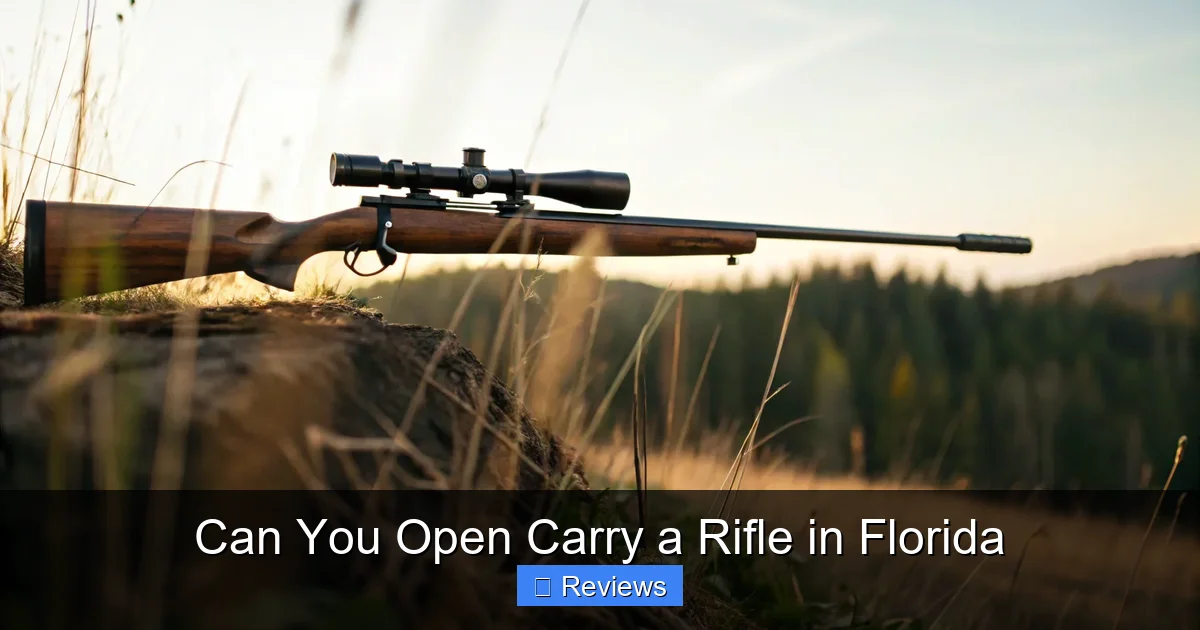
Visual guide about Can You Open Carry a Rifle in Florida
Image source: battlbox.com
Alright, now for the good news – or at least, the “it’s not always a no” news. While the general rule is no, there are very specific circumstances where you *can* open carry a rifle in Florida. These exceptions are carved out to allow for legitimate activities where firearms are a necessary tool. It’s important to remember that these exceptions are precisely defined, and straying outside their bounds can lead to legal trouble.
Hunting, Fishing, and Trapping
One of the most common and clear exceptions allows you to open carry a rifle in Florida when engaged in lawful hunting, fishing, or trapping activities. This isn’t just during the act itself; it also covers the time spent traveling to and from your hunting or fishing spot. For example, if you’re walking across private property (with permission) to reach a hunting blind, or moving from your vehicle to a fishing spot, carrying your rifle openly is typically fine. The key here is that you must actually be participating in or directly traveling for these activities. You can’t just claim you’re “going hunting sometime later” while openly carrying your rifle around town.
Target Shooting and Practice
Similar to hunting, if you’re heading to or from a public or private shooting range, or a recognized gun safety course, you can typically open carry your rifle. This exception recognizes the need to transport and handle firearms for sport and training. Once you’re at the range, open carry is generally expected and perfectly legal within the designated shooting areas. Again, the travel must be directly related to the activity. You can’t stop off for groceries with your rifle openly displayed if you’re “on your way to the range.”
On Your Own Property or with Permission
This is a crucial one. You absolutely can open carry a rifle in Florida on your own private property. Your home, your yard, your farm – it’s your domain, and the general prohibition doesn’t apply there. Furthermore, you can open carry a rifle on the private property of another person if you have their express permission. This means if your friend invites you to their ranch for some target practice, and they say it’s okay to open carry your rifle, you’re good to go. Always get permission beforehand to avoid any misunderstandings or legal issues.
Law Enforcement, Military, and Security Guards
Naturally, sworn law enforcement officers, active military personnel performing official duties, and licensed security guards while on duty fall under exceptions. These individuals are authorized to carry firearms, including rifles, openly as part of their official responsibilities. This exemption is tied to their professional capacity and specific training.
Transportation in a Vehicle
This isn’t strictly “open carry” in the sense of walking around with it, but it’s a vital part of owning a rifle. When transporting a rifle in a vehicle in Florida, it generally needs to be “securely encased” or not “readily accessible for immediate use.” “Securely encased” can mean in a gun case, a snapped holster, a zippered bag, or a closed box. It can also be unloaded and kept in a vehicle trunk. An unloaded rifle lying on your back seat, even if visible, might be permissible as long as it’s not readily accessible. However, it’s safer to always have it in a case or trunk. This rule helps ensure that firearms aren’t easily grabbed or accidentally discharged during transit. Always aim for the safest and most secure method of transport to avoid any legal ambiguities.
Understanding “Concealed” vs. “Open Carry” for Long Guns
When we talk about carrying firearms in Florida, there’s a significant distinction between “concealed carry” and “open carry.” While these terms are most frequently applied to handguns, it’s important to understand how they relate (or don’t relate) to rifles and other long guns in Florida.
Concealed Carry and Handguns
Florida is fundamentally a concealed carry state for handguns. With a Concealed Weapon or Firearm License (CWFL), individuals can carry a handgun that is not openly displayed. This means it must be hidden from the view of the ordinary observer. This permit is relatively easy for eligible citizens to obtain and is widely used throughout the state. However, it’s crucial to understand that this CWFL *does not authorize the open carrying of any firearm*, let alone a rifle. If you have a CWFL, it only permits you to carry a *handgun* in a *concealed* manner.
Open Carry and Long Guns: A Legal Minefield
For rifles and shotguns, the concept of “concealed carry” is less common and often impractical. Most rifles are simply too large to be effectively concealed on one’s person. Therefore, discussions around rifles usually revolve around “open carry.” And as we’ve established, open carry of a rifle in Florida is generally prohibited in public. This means you cannot rely on a CWFL to openly carry your rifle. The law treats long guns differently than handguns in this specific aspect of carry. The only times you can openly carry a rifle are under those strict exceptions we just discussed, such as hunting or going to a range.
What Constitutes “Open Carry” for a Rifle?
Open carry means the firearm is plainly visible to the public. If your rifle is slung across your back, held in your hands, or otherwise clearly on display while you are in a public place, that’s open carry. The intent of the law is to prevent the public display of firearms that could cause alarm or a breach of peace. So, even if you think you’re “just moving it,” if it’s openly visible in public outside of a specific legal exception, you could be in violation. This is why properly securing and transporting your rifle, even for short distances, is so important.
Penalties and Consequences of Illegal Open Carry
Understanding the law is one thing, but knowing the potential consequences of violating it is just as important. Illegally open carrying a rifle in Florida is not a minor infraction, and the penalties can be quite serious. You definitely don’t want to find yourself in this situation.
Misdemeanor Charges
In most cases, a first offense of unlawfully open carrying a firearm, including a rifle, is a first-degree misdemeanor. This might not sound as severe as a felony, but don’t let that fool you. A first-degree misdemeanor in Florida carries significant potential penalties. This can include:
* Up to one year in county jail.
* A fine of up to $1,000.
* Probation for up to one year.
Beyond these immediate legal consequences, having a criminal record, even for a misdemeanor, can affect your future in many ways. It could impact job opportunities, housing applications, and even your ability to own firearms in the future, depending on the specifics.
Felony Charges in Aggravated Situations
While generally a misdemeanor, there are situations where illegally open carrying a rifle could escalate to a felony charge. For example, if you are openly carrying a rifle while committing another crime, or if the circumstances suggest a more malicious intent, prosecutors could pursue more severe charges. Similarly, certain individuals, such as convicted felons, are prohibited from possessing firearms at all. For them, open carrying a rifle would lead to immediate felony charges for illegal possession, which carry much harsher sentences, including lengthy prison terms.
Other Consequences
Even if you avoid a conviction, the process itself can be incredibly costly and stressful. You’ll likely face:
* **Arrest and detention:** Law enforcement will detain you, and you’ll go through the booking process.
* **Legal fees:** Hiring an attorney to defend against criminal charges can be very expensive.
* **Seizure of your firearm:** Your rifle will likely be confiscated as evidence and may not be returned, even if you’re acquitted, depending on the circumstances.
* **Public attention:** Such incidents can attract local media attention, which can be damaging to your reputation.
The takeaway here is clear: it is absolutely critical to know and follow Florida’s gun laws when it comes to open carrying a rifle. The potential negative impacts on your freedom, finances, and future are simply not worth the risk of non-compliance.
Important Considerations and Best Practices
Navigating Florida’s gun laws requires not just knowledge, but also a healthy dose of common sense and responsibility. Here are some important considerations and best practices to ensure you stay safe and on the right side of the law when dealing with rifles.
Always Know the Law
This cannot be stressed enough. Laws can change, and interpretations can vary. Before you ever decide to carry any firearm, especially a rifle in public, make sure you are absolutely certain of the current laws and regulations in Florida. Don’t rely on hearsay or outdated information. Consult official Florida Statutes, legal resources, or speak with an attorney specializing in gun law. Ignorance of the law is never a valid defense.
De-escalation and Interaction with Law Enforcement
Even in situations where you are legally open carrying a rifle (e.g., while hunting), you might encounter law enforcement or concerned citizens. Always be prepared to explain your actions calmly and respectfully. If approached by law enforcement, follow their instructions, keep your hands visible, and avoid any sudden movements. Politely explain that you are engaged in a lawful activity and understand their concern. Remember, their primary goal is to ensure public safety, and an openly carried rifle can understandably draw attention.
Secure Transport is Key
As discussed, when you are *not* engaged in an activity that permits open carry, your rifle must be transported securely. Always use a proper gun case or ensure it is otherwise securely encased and not readily accessible. An unloaded rifle in a trunk is generally the safest bet for transport. This practice not only keeps you compliant with the law but also prevents accidental discharges and theft.
Safety First, Always
Whether you’re open carrying in a legal context or transporting your rifle, fundamental firearm safety rules always apply:
* Treat every firearm as if it’s loaded.
* Never point a firearm at anything you’re not willing to destroy.
* Keep your finger off the trigger until your sights are on target and you’ve made the decision to shoot.
* Be sure of your target and what’s beyond it.
These rules are the bedrock of responsible firearm ownership and prevent tragic accidents.
Local Ordinances and Preemption
Florida has strong state preemption laws regarding firearms. This generally means that local governments cannot create their own gun laws that are more restrictive than state law. However, it’s always wise to be aware of any local nuances or specific rules regarding where firearms might be prohibited (e.g., courthouses, schools, polling places). While state preemption prevents cities from making their own open carry laws, specific locations might still have bans on firearms generally.
Conclusion
So, can you open carry a rifle in Florida? The definitive answer for most public situations is generally no, with very specific, limited exceptions. Florida Statute 790.053 prohibits the open carrying of firearms, including rifles, for the average citizen in public places. The exceptions are primarily tied to legitimate activities like hunting, fishing, target shooting, and authorized professional duties.
It’s easy to get confused with different state laws, but Florida’s stance on open carry for rifles is quite clear: if you’re not actively engaged in one of the specific exempted activities or on private property with permission, your rifle needs to be securely cased and out of sight. The penalties for violating these laws are significant, ranging from serious misdemeanors to potential felonies, along with hefty fines and possible jail time.
The most important takeaway is to always be informed, responsible, and prioritize safety and legal compliance. Before you handle or transport any firearm, especially a rifle, take the time to understand the current laws. Being a responsible gun owner means knowing your rights and, perhaps more importantly, knowing your legal boundaries. Stay safe, stay informed, and enjoy your Second Amendment rights responsibly within the framework of Florida law.
Frequently Asked Questions
Is Florida an open carry state for rifles?
Generally, no. Florida Statute 790.053 prohibits the open carrying of firearms, including rifles, in public places for most citizens. There are specific, limited exceptions, such as during hunting or when at a shooting range.
Can I walk down the street with a rifle if it’s unloaded?
No, simply being unloaded does not negate the prohibition against open carrying a rifle in Florida. Unless you are engaged in a specifically exempted activity like hunting or traveling to a range, walking down the street with an openly displayed rifle is illegal.
What does “securely encased” mean for transporting a rifle in Florida?
“Securely encased” typically means the rifle is in a gun case, a closed box, a snapped holster, or another container that fully encloses the firearm. It ensures the firearm is not readily available for immediate use during transport.
Are there any places where rifles are completely prohibited, even if unloaded and cased?
Yes, certain places like courthouses, polling places, schools, airports (sterile areas), and federal buildings generally prohibit firearms, even if unloaded and securely cased. Always check specific location rules before transporting a firearm there.
Do I need a license to own a rifle in Florida?
No, Florida does not require a specific license to simply own a rifle. However, you must be at least 18 years old to purchase a long gun from a licensed dealer and pass a background check.
What should I do if a law enforcement officer sees me open carrying a rifle in Florida under an exception?
If a law enforcement officer sees you legally open carrying a rifle (e.g., while hunting), remain calm, follow all instructions, and politely explain your activity. Keep your hands visible and avoid sudden movements to ensure a safe interaction.