Navigating whether a felon can own an air rifle is complex, primarily because federal law typically doesn’t classify air rifles as “firearms.” However, state and local regulations vary wildly, with some jurisdictions imposing strict restrictions on air rifle ownership for individuals with felony convictions. Always consult legal counsel and research specific state and local laws before making any purchase to ensure compliance and avoid severe legal repercussions.
Hey there! Thinking about getting an air rifle? Maybe you’re into target shooting, plinking, or pest control, and an air rifle seems like a great option. But what if you have a felony conviction in your past? This isn’t a simple yes or no question, and getting it wrong could lead to serious legal trouble. So, let’s explore the ins and outs of whether a felon can own an air rifle, making sure you understand the nuances.
The legal landscape surrounding firearm ownership for individuals with felony convictions is already a complex maze. When you throw air rifles into the mix, it adds another layer of confusion. Many people assume an air rifle is just a toy or not powerful enough to be considered a serious weapon. However, legal definitions can be tricky, varying significantly from federal guidelines down to specific state and even local ordinances. Our goal here is to shed some light on these distinctions, helping you understand where you stand.
This article isn’t legal advice, but it’s designed to give you a comprehensive overview, highlighting the critical areas you need to investigate. We’ll dive into what federal law says, why state laws are often more important, the potential risks of making assumptions, and what steps you absolutely *must* take before even thinking about purchasing an air rifle. Understanding these details is crucial for anyone with a felony conviction considering whether they can lawfully own an air rifle.
Key Takeaways
- Federal Law Generally Permits: Federally, an air rifle is typically not considered a “firearm,” meaning the federal prohibition on firearm ownership for felons usually doesn’t apply to air rifles.
- State Laws Are Paramount: Despite federal guidelines, state and even local laws can (and often do) classify air rifles differently, potentially restricting or prohibiting felon ownership. This is the most crucial factor.
- “Look-Alike” Weapons: Some states have “look-alike” weapon statutes that might treat air rifles, especially powerful ones, similarly to firearms, especially in the context of felon possession.
- Severity of Felony Matters: While not universally true, some jurisdictions might differentiate restrictions based on the nature of the felony (e.g., violent crimes vs. non-violent).
- Penalties Are Severe: Violating state or local laws regarding air rifle ownership as a felon can lead to new felony charges, fines, and significant prison time.
- Restoration of Rights: In some cases, felons may have their civil rights restored, which could impact their ability to own certain weapons, but this process is complex and not automatic.
- Seek Legal Advice: Given the complexity and severe consequences of non-compliance, anyone with a felony conviction considering air rifle ownership *must* consult with an attorney specializing in firearms law in their specific state.
Quick Answers to Common Questions
Can a felon own an air rifle under federal law?
Generally, yes. Federal law typically does not classify air rifles as “firearms” because they operate by compressed air or gas, not by the action of an explosive. Therefore, the federal prohibition on firearm ownership for felons usually doesn’t apply to air rifles.
Are air rifles considered firearms in all states?
No, definitely not. This is where the complexity lies. Some states, like New Jersey, and some local jurisdictions, do classify certain air rifles as firearms or dangerous weapons, especially for individuals with felony convictions.
What are the potential consequences if a felon illegally owns an air rifle?
If a felon owns an air rifle in a jurisdiction where it’s prohibited, they could face new felony charges, substantial fines, and significant prison time. This can lead to further loss of civil rights and severe collateral consequences.
Can my felony conviction be expunged to allow air rifle ownership?
Expungement or sealing of records is a complex legal process that varies by state. If successful, it might restore certain rights. However, you must consult an attorney to understand if your specific felony is eligible and if it would, in fact, allow for air rifle ownership under your state’s laws.
Who should I consult for definitive legal advice on felon air rifle ownership?
You should consult an attorney specializing in firearms law in your specific state and local jurisdiction. They can provide tailored advice based on your conviction and the precise laws in your area.
📑 Table of Contents
- The Federal Standpoint: Are Air Rifles “Firearms”?
- State Laws Matter Most: The Shifting Sands
- Understanding Your Felony Conviction and Its Impact
- What Are the Risks? Penalties for Non-Compliance
- Essential Steps Before You Buy: Your Due Diligence Checklist
- Beyond Ownership: Usage and Transportation
- Conclusion
The Federal Standpoint: Are Air Rifles “Firearms”?
Let’s start at the top with federal law. This is often where the biggest misconception lies, and understanding it is the first step in figuring out if a felon can own an air rifle. The federal government, through laws like the Gun Control Act of 1968, prohibits individuals with felony convictions from owning “firearms.” Sounds straightforward, right? Well, the devil is in the definition.
What is a “Firearm” Federally?
Under federal law, specifically 18 U.S.C. § 921(a)(3), a “firearm” is generally defined as:
- Any weapon (including a starter gun) which will or is designed to or may readily be converted to expel a projectile by the action of an explosive;
- The frame or receiver of any such weapon;
- Any firearm muffler or firearm silencer; or
- Any destructive device.
Notice anything missing from that definition when you think about air rifles? The key phrase is “by the action of an explosive.” Air rifles, pneumatic guns, BB guns, and pellet guns operate by compressed air or gas, not by the ignition of gunpowder or other explosives. This distinction is incredibly important.
Why Air Rifles Are Different
Because air rifles do not use an explosive to propel a projectile, they typically fall outside the federal definition of a “firearm.” This means that, *federally speaking*, the prohibition on felons owning firearms does not apply to air rifles. So, if you were only to look at federal law, you might conclude, “Yes, a felon can own an air rifle.” But hold on – this is only part of the story, and arguably, the less important part for most individuals. Relying solely on federal law can lead to severe consequences because state and local laws often have different ideas. It’s crucial not to stop your research here if you’re a felon considering an air rifle.
State Laws Matter Most: The Shifting Sands

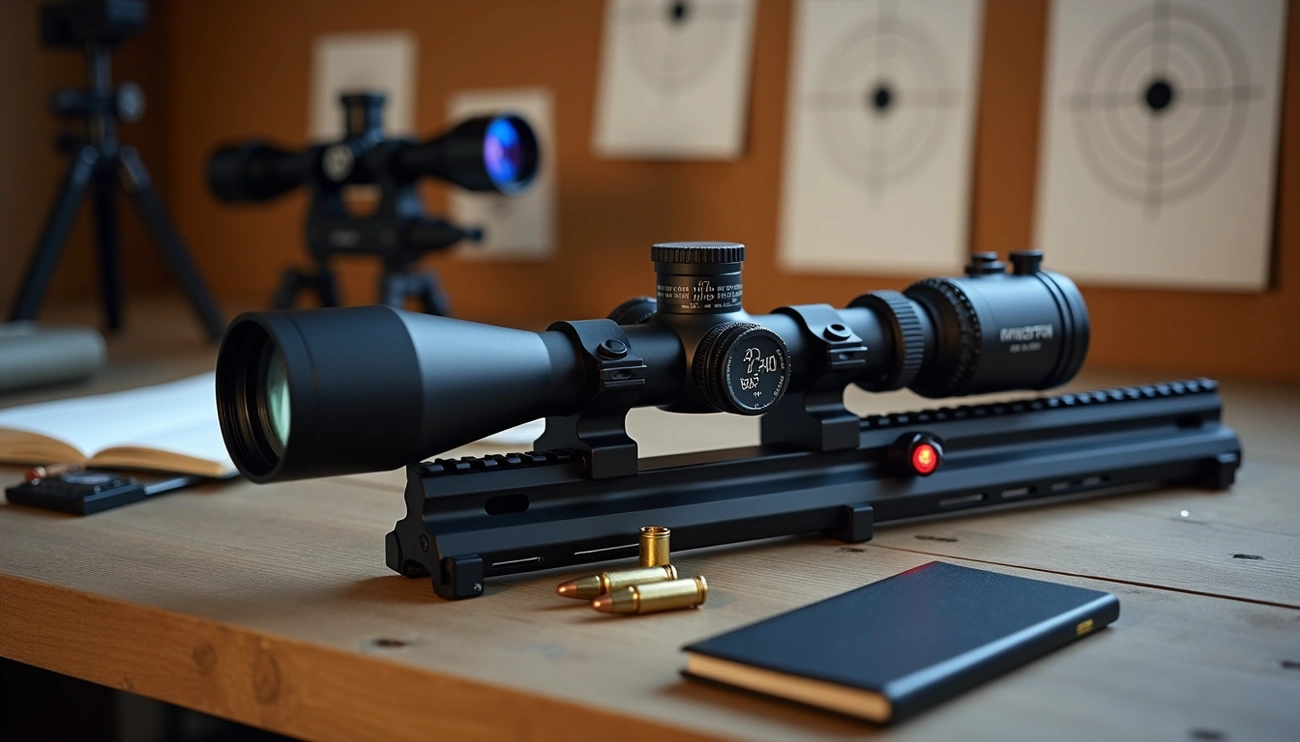
Visual guide about Can a Felon Own an Air Rifle
Image source: gunscorner.com
While federal law might give a general green light, it’s absolutely critical to understand that state and even local laws are the primary drivers when answering the question: “can a felon own an air rifle?” This is where the legal landscape becomes a patchwork quilt, with vastly different rules depending on where you live. What’s perfectly legal in one state could land you in serious trouble just across the border.
States Where Air Rifles Are Regulated Like Firearms
Some states, unfortunately for those with felony convictions, take a much broader view of what constitutes a “weapon” or even a “firearm.” For example:
- New Jersey: New Jersey law defines “firearm” very broadly and includes air guns, spring guns, and BB guns if they are “readily capable of lethal use.” For felons, this means the state’s strict firearm possession laws often apply to air rifles, making it generally illegal for a felon to own an air rifle in New Jersey.
- Rhode Island: Similar to New Jersey, Rhode Island’s definition of a “firearm” can encompass air rifles or BB guns, especially if they are powerful enough to be considered dangerous weapons.
- Other States with “Dangerous Weapon” Statutes: Many states have laws that prohibit felons from possessing “dangerous weapons.” An air rifle, particularly a high-powered one, might be classified as a dangerous weapon under certain circumstances or by specific statutory language, even if it’s not explicitly called a “firearm.”
It’s vital to remember that these state laws are not merely suggestions; they carry the full force of the law, and violating them can result in new felony charges, hefty fines, and significant prison sentences.
States with Specific Air Rifle Restrictions for Felons
Beyond classifying air rifles as firearms, some states have specific statutes addressing air gun ownership for felons or individuals with certain types of criminal records. These might not outright ban all air rifles but could restrict specific types (e.g., those exceeding a certain muzzle velocity) or prohibit possession only for felons convicted of violent crimes. To know whether a felon can own an air rifle in these states, you need to dive deep into the specific wording of the laws.
Local Ordinances: The Unexpected Hurdles
Just when you thought you had state law figured out, you need to consider local ordinances. Cities, counties, and municipalities often have their own rules regarding weapons, including air rifles. These local laws might regulate where air rifles can be discharged, how they can be transported, or even who can own them within their jurisdiction. For instance, a city might prohibit the possession of any weapon by a convicted felon within city limits, regardless of state law distinctions about air rifles versus firearms. Always check with your local police department or city clerk’s office. It’s another layer of complexity that can trip up someone trying to determine if they can lawfully own an air rifle.
Understanding Your Felony Conviction and Its Impact
It’s not just about the gun; it’s also about the specific felony conviction you have. The legal system sometimes differentiates between various types of felonies, and these distinctions can, in rare cases, influence whether a felon can own an air rifle, particularly at the state level.
Violent vs. Non-Violent Felonies
While federal law doesn’t distinguish between types of felonies for firearm possession, some state laws might. For example, a state might have stricter prohibitions on weapon possession for individuals convicted of violent felonies (e.g., assault, robbery) compared to those with non-violent felony convictions (e.g., certain white-collar crimes, drug possession without violence). However, this isn’t a universal rule, and in many states, *any* felony conviction will trigger the same restrictions. You cannot assume that because your felony was non-violent, you have different rights regarding air rifle ownership. The safest assumption is that a felony is a felony when it comes to weapon possession until proven otherwise by specific statute.
Restoring Your Rights: A Path Forward?
For some individuals with felony convictions, there might be a path to restoring their civil rights, which could include the right to possess certain weapons. This process is often complex and varies greatly by state. It usually involves:
- Waiting Period: A specified number of years must pass after completing your sentence, including parole or probation.
- Petition to the Court: You typically need to formally petition a court to have your rights restored.
- Executive Clemency/Pardon: In some cases, a pardon from the governor might be required.
Even if your rights are restored for general firearm ownership, you still need to verify if that restoration specifically covers air rifles under your state’s laws. It’s not a given. And remember, a state-level restoration of rights does not automatically restore your federal rights, though federal law does have provisions for relief from disabilities if state rights are restored and the individual is not prohibited for other reasons. This area is incredibly nuanced and absolutely requires legal consultation. Without proper legal guidance, attempting to navigate the restoration of rights, especially with the intent to own an air rifle, is a risky endeavor for any felon.
What Are the Risks? Penalties for Non-Compliance
Let’s be blunt: attempting to own an air rifle as a felon without thoroughly understanding and complying with all applicable laws is incredibly risky. The consequences for getting it wrong are severe and can dramatically impact your life. This isn’t just about a slap on the wrist; we’re talking about serious criminal charges.
Federal and State Penalties
If you are a felon and are found to be in possession of an air rifle in a jurisdiction where it is prohibited (either because it’s defined as a “firearm” or falls under other “dangerous weapon” statutes for felons), you could face:
- New Felony Charges: This is the most significant risk. Depending on the state, illegal possession of a weapon by a felon can be a serious felony offense, carrying potential prison sentences of several years, substantial fines, and a new criminal record that compounds your existing one.
- Federal Charges (in rare cases): While less common for typical air rifles, if an air rifle is modified to be considered a destructive device or falls under some other federal definition due to its power or specific features, federal charges could potentially be brought. However, the primary concern for felons and air rifles usually stems from state law.
- Loss of Other Rights: A new felony conviction can further impact your civil rights, making it even harder to vote, hold certain jobs, or secure housing in the future.
Imagine you, a felon, purchase an air rifle for backyard target practice, thinking it’s harmless because it’s not a “firearm.” Then, your neighbor reports you, or you’re pulled over for a minor traffic violation with the air rifle in your vehicle. If your state or local laws prohibit felons from possessing air rifles, you could be arrested, charged with a new felony, and face years in prison. This scenario is not theoretical; it happens. This is why understanding whether a felon can own an air rifle in your specific location is paramount.
Collateral Consequences
Beyond direct legal penalties, there are numerous collateral consequences. A new felony conviction can affect:
- Employment: Making it even harder to find or keep a job.
- Housing: Limiting your options for renting or buying property.
- Social Stigma: Further impacting your reputation and community standing.
- Financial Burden: Legal fees, fines, and lost income can be devastating.
The potential damage to your life simply isn’t worth taking a chance or making an assumption. The question “can a felon own an air rifle” demands a definitive, legally sound answer for your situation.
Essential Steps Before You Buy: Your Due Diligence Checklist
So, after all this information, what’s the bottom line? How do you, a felon, responsibly determine if you can own an air rifle? The answer is not to guess or rely on internet forums. It requires proactive, specific legal research and advice.
Consult Legal Counsel: Non-Negotiable
This is the single most important piece of advice: **YOU MUST CONSULT WITH AN ATTORNEY SPECIALIZING IN FIREARMS LAW IN YOUR SPECIFIC STATE.** An attorney will be able to:
- Review Your Specific Conviction: They can look at the exact details of your felony conviction and its impact under current law.
- Interpret State and Local Statutes: Laws are complex, and an attorney understands the nuances and how they apply to your situation, especially regarding how an air rifle might be defined.
- Advise on Case Law: Sometimes, court decisions (case law) clarify ambiguities in statutes. Your attorney will be aware of these.
- Provide a Definitive Answer: They can give you a clear, legally sound opinion on whether a felon can own an air rifle in your jurisdiction without risking further legal trouble.
Do not rely on friends, family, gun shop owners, or general online advice. Only a licensed attorney in your state can provide tailored legal advice. Spending a bit on a consultation now could save you years in prison later.
Research State and Local Statutes Thoroughly
While you should always consult an attorney, familiarizing yourself with the laws yourself can be beneficial. Look up your state’s criminal statutes regarding “weapons,” “firearms,” “dangerous weapons,” and “air guns” or “pneumatic guns.” Also, check your city and county ordinances. Many state government websites provide access to their codified laws. Look specifically for definitions of these terms and any sections pertaining to “prohibited persons” or “persons with felony convictions.” Remember, the language can be dense, which is why legal interpretation is so important.
Verify Your Conviction Details
Ensure you have accurate records of your felony conviction, including the exact charge, the date of conviction, and the date of release from supervision (parole/probation). These details can be crucial for an attorney to assess your legal standing and whether any waiting periods or restoration-of-rights options might apply. Having this information ready will make your consultation with an attorney more efficient and effective.
Beyond Ownership: Usage and Transportation
Let’s say, after thorough research and legal advice, you confirm that a felon can own an air rifle in your area. Great! But the legal considerations don’t stop at ownership. You also need to understand the rules for using and transporting it.
Where Can You Use It?
Just because you can own an air rifle doesn’t mean you can use it anywhere.
- Discharge Laws: Many cities and counties have strict ordinances against discharging any projectile weapon within city limits, even air rifles.
- Private Property: Using an air rifle on your own private property is generally allowed, but only if you have a safe backstop and are not violating noise ordinances or creating a public nuisance.
- Hunting Regulations: If you intend to hunt with an air rifle, you must check your state’s hunting regulations. Air rifles are often permitted for small game, but specific caliber and power requirements apply. Also, hunting licenses and felon restrictions might still apply.
How Can You Transport It?
Transportation laws for air rifles are usually less restrictive than for firearms, but it’s still wise to:
- Keep it Unloaded: Always transport an air rifle unloaded.
- Secure It: Keep it in a case or container, out of immediate reach, preferably in the trunk of your vehicle.
- Avoid Display: Never openly carry or display an air rifle in public, as it can cause alarm and lead to law enforcement interaction.
Again, local laws might have specific requirements, so a quick check with your local police department can save you trouble.
Conclusion
The question “can a felon own an air rifle” is far from simple. While federal law generally doesn’t classify air rifles as firearms, state and local laws often impose significant restrictions, sometimes equating air rifles with firearms or dangerous weapons, especially for individuals with felony convictions. The variability in legal definitions across different jurisdictions means that what’s legal in one place might be a serious felony offense in another.
The risks of misinterpreting the law are enormous, potentially leading to new felony charges, imprisonment, and further erosion of civil liberties. Therefore, if you are a felon considering whether you can own an air rifle, the most crucial step you can take is to seek professional legal advice from a qualified attorney specializing in firearms law in your specific state and locality. Do not guess, do not assume, and do not rely on anecdotal evidence. Your freedom and future depend on a clear, legally sound understanding of your rights and restrictions.
🎥 Related Video: What kind of weapons can a felon have?
📺 Science·WHYS
More About What States Can Felons Own Guns? • What kind of weapons can a felon have?
Frequently Asked Questions
Is an air rifle considered a “weapon” legally?
Yes, even if not classified as a “firearm” under federal law, many states and local ordinances consider air rifles to be “weapons” or “dangerous weapons” due to their projectile-firing capability and potential for harm.
Does the power of the air rifle matter in its legal classification?
Absolutely. Some state laws consider air rifles capable of lethal use or exceeding a certain muzzle velocity to be more strictly regulated, potentially classifying them as firearms or dangerous weapons, especially when it comes to felon possession.
If my state allows felon air rifle ownership, are there still restrictions on where I can use it?
Yes, even if ownership is legal, there are often strict restrictions on discharge. Many cities prohibit firing any projectile weapon within city limits. Always check local ordinances regarding usage.
Do I need a special license to own an air rifle as a non-felon?
Generally, no. Most states do not require a license or permit to own a standard air rifle for individuals without felony convictions. However, some states might have age restrictions for purchase or possession.
Can an air rifle be legally modified to become a “firearm”?
It is generally illegal to modify an air rifle to expel a projectile by the action of an explosive. Such modifications would almost certainly classify it as a “firearm” under federal law, potentially leading to severe federal charges.
What if I inherited an air rifle as a felon? Is possession still illegal?
Yes, the means of acquisition typically do not change the legality of possession. If a felon is prohibited from owning an air rifle in their jurisdiction, inheriting one does not grant them an exemption, and possession would still be unlawful.