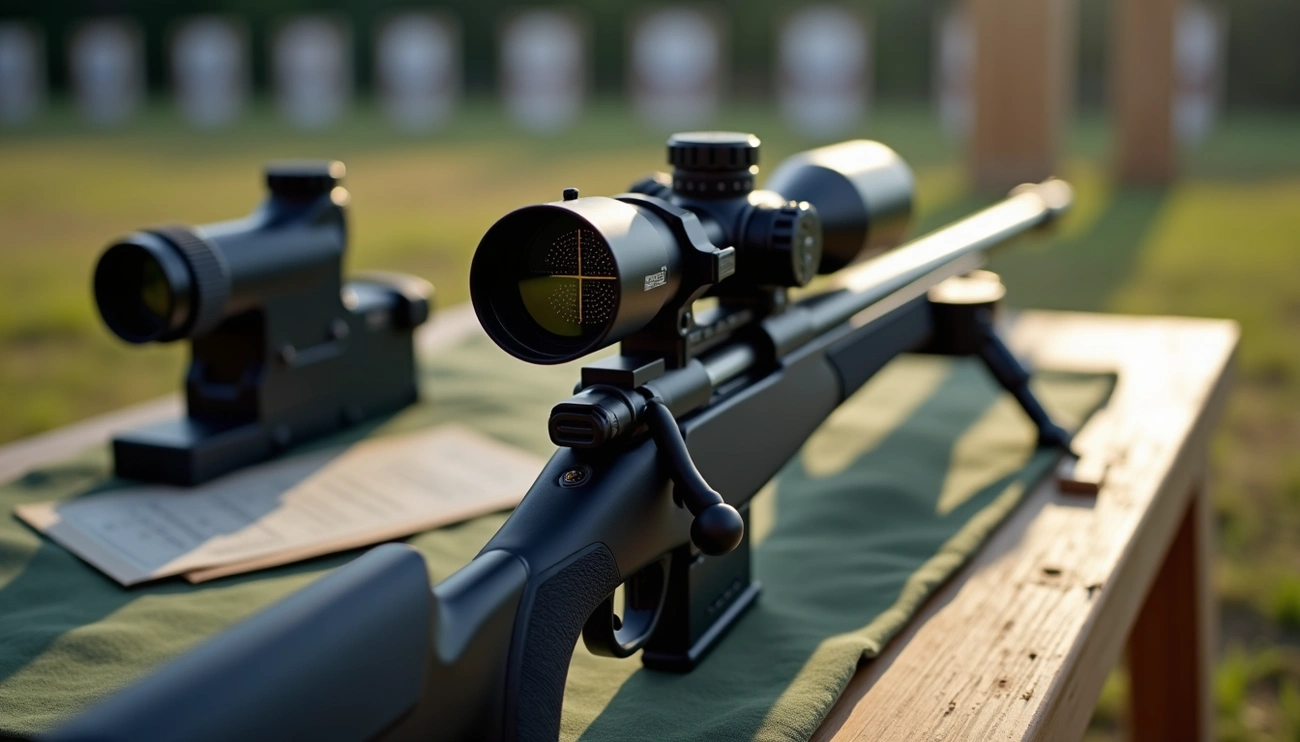
Clean a rifle scope by removing loose dust with a blower or soft brush, then wiping the lenses gently from center to edge using a microfiber cloth and lens cleaner or 90%+ isopropyl alcohol. Avoid ammonia-based cleaners like Windex. Finish with a dry wipe and clean the scope body with a separate cloth.”
Build Your Scope Cleaning Kit
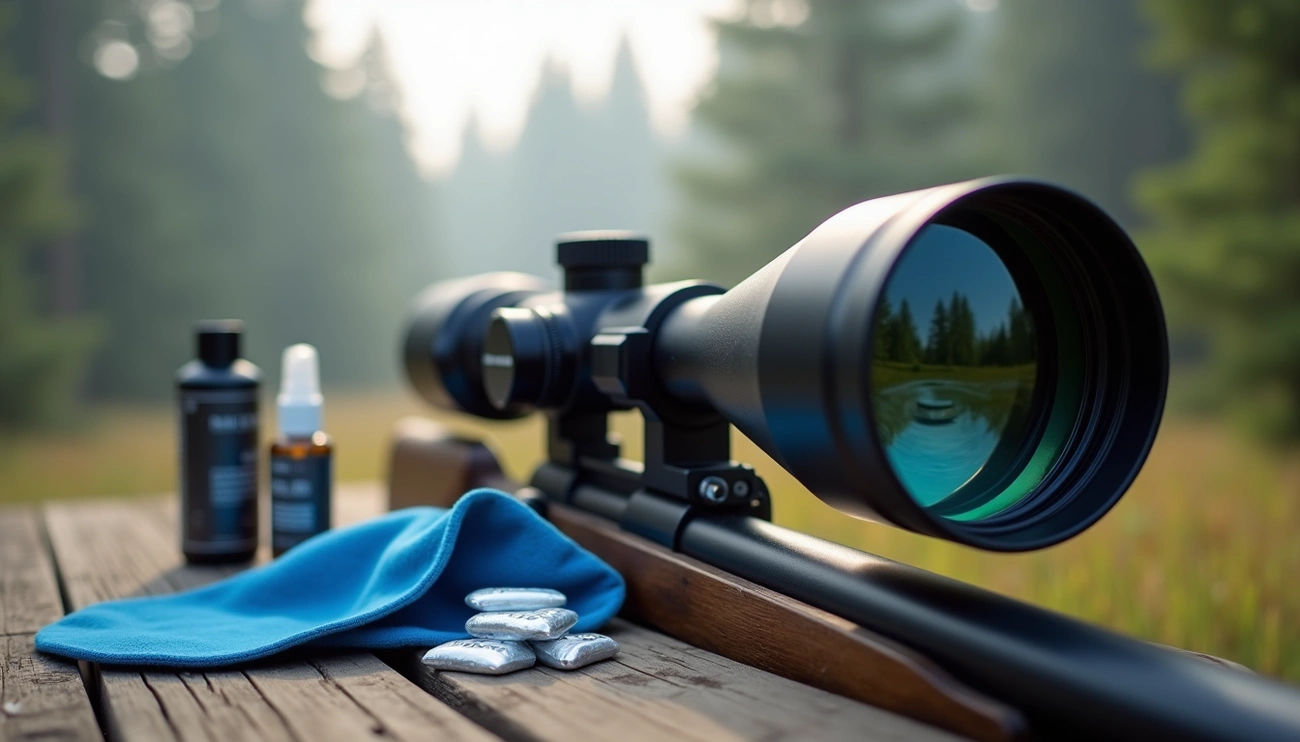
Before cleaning your rifle scope, gathering the right tools is crucial for preventing damage while ensuring crystal-clear optics. Let me show you what belongs in a proper scope cleaning kit.
Essential tools for cleaning optics
First and foremost, a complete rifle scope cleaning kit should include:
- Portable air blaster or blower: Removes loose debris without contact. The Giottos Rocket Air Blaster is excellent for field use.
- Soft lens brush: Gently sweeps away particles from your lenses. A lens pen with soft bristles works perfectly for this purpose.
- Microfiber cleaning cloths: Essential for smudge removal without scratching lenses.
- Lens cleaning solution: Specifically formulated for optical equipment.
- Pretreated lens wipes: Convenient for quick field cleanings.
A soft-bristled toothbrush can also be useful for cleaning stubborn debris from the scope body without damaging the finish.
Choosing the right scope lens cleaner
Finding the appropriate cleaning solution is essential since many common household cleaners can damage your scope. Safe options include:
- Water: The safest liquid for both the body and lenses.
- Isopropyl alcohol (70% or higher): Evaporates quickly without leaving residue.
- Specialized optics cleaning solutions: Formulated specifically not to degrade optical coatings.
For heavily soiled scopes, warm soapy water can be effective, especially for the exterior body. Many manufacturers also offer premade cleaning kits containing all necessary components.
What not to use on your scope
Equally important is knowing what to avoid:
- Paper products: Paper towels, facial tissues, and newspaper contain wood fibers that can scratch lens coatings.
- Ammonia-based cleaners: Products like Windex will dissolve protective coatings on lenses.
- Household cleaners with harsh chemicals: These lead to discoloration and damage.
- Your shirt or other clothing: Even seemingly soft fabrics can be abrasive to optical coatings.
Additionally, never use your breath to fog a lens before cleaning – it leaves water droplets that spot the lens. Remember that silica in dust is harder than glass, so wiping without proper preparation can cause microscopic scratches.
Proper equipment makes all the difference between maintaining your scope’s clarity and unintentionally damaging an expensive piece of equipment.
Step-by-Step: How to Clean a Rifle Scope Lens
Proper lens cleaning requires a systematic approach to avoid damage. Following these steps will help maintain your scope’s clarity without risking its delicate optical coatings.
Start with an air duster to remove debris
Initially, point your scope’s lens downward and use an air blower or duster to remove loose particles. This positioning allows dust to fall away from the lens rather than deeper into the scope. Never use canned air, as it can spurt propellant or bitterant onto your lens even when held upright. Instead, opt for a bulb-type blower like the Giottos Rocket Air Blaster.
Use a lens brush for stubborn particles
Once loose debris is removed, a soft lens brush becomes your next tool. Gently sweep away remaining particles using a dedicated optical brush or the brush end of a lens pen. Move from the center outward in a circular motion to avoid pushing debris across the lens. Prior to each use, check your bristles for accumulated dust to prevent scratching your lens.
Apply optics-grade cleaning solution
For smudges or fingerprints, use appropriate cleaning solution on a cloth—never apply liquid directly to the lens. Safe options include water, eyeglass cleaner, or isopropyl alcohol (90%+). Apply only a small amount to your cloth, as excess moisture can damage seals.
Wipe with microfiber or lens cloth
Subsequently, wipe the lens using gentle circular motions, starting from the center and working outward. This technique helps prevent streaks and dilutions. Avoid applying pressure that could scratch the lens or remove coatings. For hard-to-reach areas, carefully wrap your microfiber cloth around a Q-tip.
Finish with a pretreated lens wipe
Finally, a pretreated lens wipe can provide the finishing touch for stubborn smudges or oil. These wipes are pre-moistened with appropriate cleaning solution and are excellent for field maintenance. Store your cleaning tools properly afterward to prevent cross-contamination with oily or dusty items.
Cleaning Other Parts of the Scope
Beyond lens care, proper maintenance of your scope’s body and mechanical parts ensures longevity and consistent performance.
Exterior body and adjustment rings
The scope body needs much less attention than lenses, nevertheless, regular cleaning prevents corrosion and buildup. I gently wipe down the exterior with a damp cloth after field use. For stubborn dirt on the main tube, a simple degreaser like 409 works effectively—albeit never use this on lenses. During wet conditions, thoroughly dry the exterior before storage to prevent corrosion on metal components.
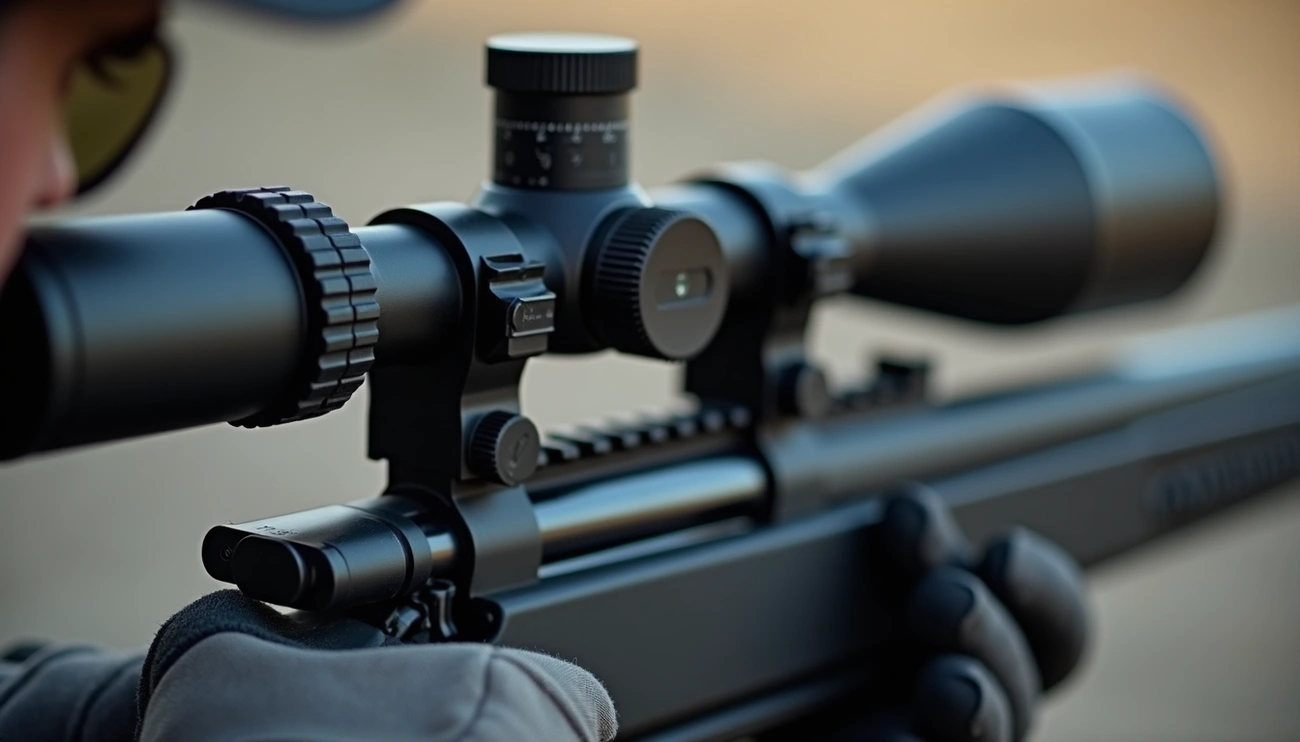
Magnification ring and turrets
Turrets require special attention as they see more hands-on action than other parts:
- Use a soft-bristled toothbrush to remove debris from adjustment knobs and rings
- Unscrew turret caps and clean underneath with a Q-tip or microfiber cloth
- Remove any built-up dirt in ridges using cotton buds
Importantly, don’t use the same brush on turrets that you use on lenses. Furthermore, avoid cleaning solvents around turrets as they can leak through joints and damage internal O-rings.
Lens caps and rubber seals
Rubber components demand careful inspection and maintenance:
- Ensure caps and O-rings seal tightly to prevent internal fogging
- Check that rubber gaskets remain in good condition
- For scopes with illuminated reticles, clean battery compartments with a dry cotton bud to prevent corrosion damage
Throughout maintenance, inspect mounting components as well. Over time and repeated firing, ring screws loosening by mere fractions can shift your zero point of impact. Consequently, checking screw tension using a torque wrench maintains proper alignment and ensures consistent performance.
Field Maintenance and Best Practices
Field conditions often demand different cleaning approaches than those used at your workbench. Let me share practical advice for maintaining your optics when you’re far from home.
How to clean a scope lens in the field
Keeping a compact cleaning kit in your hunting pack prevents missed opportunities due to soiled optics. My field kit typically includes:
- A lens pen with both brush and cleaning pad ends for dust removal and smudge cleaning
- Small microfiber cloths in sealed bags to prevent contamination
- Pretreated lens wipes for quick touch-ups
When cleaning in the field, I always start with air to dislodge particles—a blower bulb works perfectly. Accordingly, I follow with the brush side of a lens pen to sweep away stubborn debris. For rain droplets or mud splatter, a gentle wipe with a clean microfiber cloth usually suffices.
How often should you clean your scope?
Undeniably, most shooters clean their optics too frequently. The golden rule: clean your rifle scope only when you see a problem that affects visibility. Minor dust on lenses rarely obstructs your view, particularly on the objective lens.
Moreover, every cleaning, no matter how careful, introduces microscopic scratches. Periodically test your optics (every few months) to confirm they still track precisely and deliver acceptable groups.
Avoiding common cleaning mistakes
Despite good intentions, these errors can damage your scope:
- Using clothing or paper towels instead of proper lens cloths
- Breathing on lenses and wiping (“huff-and-buff” method)
- Applying cleaning solution directly to lenses instead of to the cloth
- Failing to remove dust before wiping (each dust particle creates scratches)
Likewise, remember to keep lens caps on when cleaning your rifle, as solvents and powders can damage lens coatings and seals.
Conclusion
Taking proper care of your rifle scope ultimately comes down to knowing when and how to clean it effectively. After all, your scope represents a significant investment that deserves appropriate maintenance. Though minor dust rarely affects performance, understanding the correct cleaning techniques makes all the difference between preserving your optics and causing irreparable damage.
Remember that less is often more when it comes to scope maintenance. Most shooters clean their optics too frequently, but unnecessary cleaning introduces microscopic scratches that accumulate over time. Therefore, only clean your scope when visibility becomes genuinely affected.
Your cleaning kit should remain simple yet effective – an air blaster, soft brush, microfiber cloths, and appropriate cleaning solutions will handle most situations. Additionally, keeping a compact field kit ensures you’re prepared for unexpected conditions during hunting trips.