Keep a rifle scope from fogging up by managing temperature changes and moisture exposure. Allow the scope to acclimate before use, use lens covers to block humidity, and apply anti-fog sprays or wipes to exterior lenses. For long-term prevention, store the rifle in a dry, climate-controlled environment.
Identify the Type of Fogging
Before attempting any fixes, I need to properly diagnose what type of fogging issue my scope is experiencing. Determining if the problem is external or internal will guide me toward the appropriate solution.
Check for external vs internal fog
External fogging occurs on the outside of the lenses and is generally easier to fix. Initially, I look for condensation on the outer lens surfaces that can be wiped away with a cloth. Conversely, internal fogging happens inside the sealed tube and appears as moisture that cannot be wiped off.
Temperature changes primarily trigger fogging – cold air retains less moisture than warm air. If I’ve moved from a warm environment to a cold one, or vice versa, external condensation is likely. My body heat and breath can also cause external fogging, particularly if I hold the eyepiece close to my face.
Test for lens looseness or seal failure
A loose lens often indicates seal failure. To test this, I gently shake the scope while listening and feeling for movement. Any rattling suggests a loose lens that requires attention. Furthermore, I examine the seals around lenses, adjustment turrets, and the main tube for cracks or degradation.
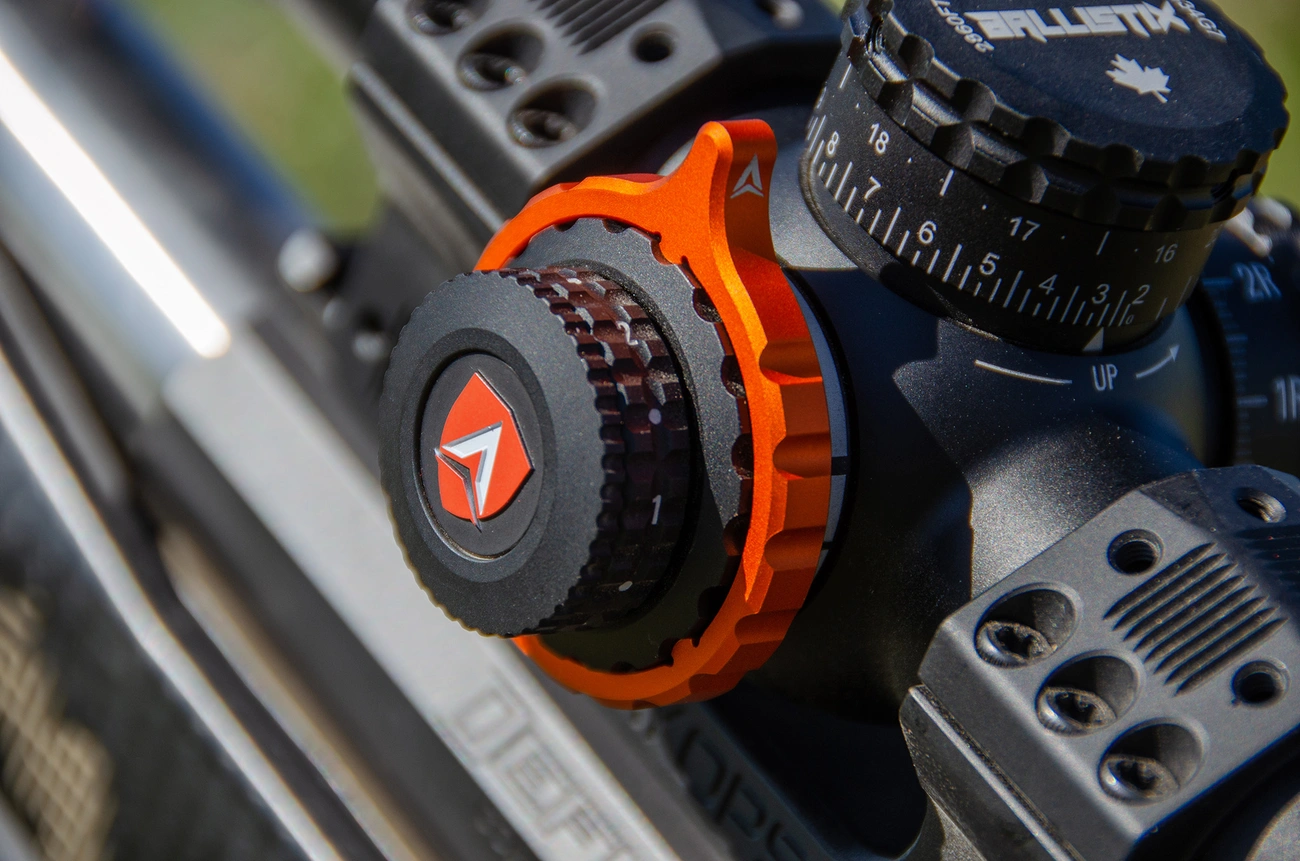
Another reliable test is checking for stiffness in the turrets – unusual resistance when adjusting elevation or windage may indicate moisture damage.
Look for signs of moisture inside the tube
Several telltale signs reveal internal moisture problems:
- Persistent fogging that doesn’t clear with external wiping
- Visible water droplets in the field of view
- Decreasing image quality, including reduced brightness or clarity
- Mold or mildew development inside the scope (indicates long-term moisture exposure)
- Corrosion or discoloration on internal metal components
To confirm internal fogging, I can place the scope in the freezer for 24 hours – if internal lenses fog during this process, moisture is trapped inside. Additionally, I might submerge the scope in water and look for rising bubbles, which would indicate a seal leak.
Tools and Materials You May Need
To properly tackle scope fogging issues, I’ll need to gather several specialized tools and materials. Having these items on hand ensures I can both fix current fogging problems and prevent future occurrences.
Microfiber cloth and lens cleaner
Proper lens cleaning is crucial for maintaining clear optics. A high-quality microfiber cloth serves as the foundation of scope maintenance – most quality scopes include one with purchase. For stubborn smudges, I’ll use a soft lens brush like the Leupold Optics Lens Pen to gently remove particles without scratching.
As for cleaning solutions, water remains the safest option for both lenses and scope body. However, isopropyl alcohol (90%+) or specialized eyeglass cleaner offers faster drying times. When applying these solutions, I’ll wipe lenses in a spiral pattern from center to edge using minimal pressure.
Desiccant packs and moisture absorbers
Silica gel packs effectively combat internal moisture problems. Rechargeable options like LOCKDOWN Silica Desiccant Dehumidifiers offer excellent value – each 40-gram bag features color-changing indicators (blue to pink) signaling when recharging is needed.
For larger storage solutions, the Case Club Dehumidifying Silica Gel Canister actively absorbs moisture while preventing rust, corrosion, and mildew. These reusable canisters include built-in moisture indicator windows for monitoring effectiveness.
Anti-fog spray or coatings
Several proven anti-fog solutions exist specifically for optics. Alpine Fogz Off (2oz spray) prevents fogging while remaining safe for all optics including scopes. This NASA-derived technology minimizes surface tension on lenses, eliminating fogginess while keeping lenses cleaner longer.
Other trusted options include:
- Parker’s Perfect (recommended by Swarovski)
- Life Art dry anti-fog lens cloth (reusable up to 700 times)
- MotoSolutions FogTech
- Zeiss anti-fog
Screwdrivers and seal grease
For internal moisture issues requiring disassembly, high-quality hollow-ground screwdrivers prevent fastener damage. Specialized sets from Chapman Manufacturing, Brownell’s, or Wheeler Engineering provide firearm-specific bits including Allen and Torx options. Additionally, a quality torque wrench measuring in inch pounds helps prevent over-tightening components when reassembling.
Step-by-Step Fixes for a Foggy Scope
Once I’ve identified the fogging type, it’s time to take action with these proven fixes to keep my scope from fogging up in various conditions.
Inspect and clean the lens surfaces
First, I use an air duster to blow away loose debris on the glass and exposed parts. For external fogging, I spray the optic’s exterior with mild soapy water, then clean the body with a paper towel. For stubborn oil or dirt on lenses, I irrigate them with soapy water, subsequently using the sponge end of a lens pen to lift away residue. Finally, I wipe with an optics-rated cloth to remove remaining moisture.
Dry out internal moisture with desiccants or warm air
When dealing with internal condensation, I place the scope in a warm, dry environment for several hours to allow fog to evaporate naturally. Alternatively, I use a hairdryer on low setting, carefully warming the scope tube without overheating it. For persistent moisture, I place desiccant packs alongside the scope inside its packaging.
Apply anti-fog products to the lens
Next, I apply specialized anti-fog spray designed for optics. These products create a slick surface where moisture rolls off rather than sticking. Certain manufacturers offer anti-fog repair kits that temporarily displace moist air with dry gas like nitrogen.
Replace damaged seals if needed
Upon discovering degraded seals, I examine the areas around lenses, adjustment turrets, and the main tube. With basic disassembly skills, I can replace just the seals myself. When reinstalling components, I add quality grease to sealing rings and threads to prevent future water vapor infiltration.
Use a moisture-proof box for drying
Essentially, a DIY solution involves creating a sealed container with moisture-absorbing materials. I place uncooked rice or dried newspapers in a box, add my scope, then seal it tightly. After several days, the moisture should be completely absorbed.
How to Prevent Scope Fogging in the Future
First and foremost, prevention is always easier than fixing a foggy scope. After addressing current fogging issues, I follow these practices to keep my optics crystal clear in all conditions.
Store your scope in a dry place
Moisture remains the primary enemy of quality optics. I always store my rifle scope in a cool, dry environment with humidity below 50%. Ideal storage temperatures range between 60°F-75°F (15°C-24°C). For extended storage, I remove batteries and position the scope vertically to maintain proper internal orientation. Never leave optics exposed to direct sunlight for prolonged periods.
Avoid sudden temperature changes
Rapid temperature fluctuations cause condensation that leads to fogging. I gradually acclimate my scope when moving between different environments. Cold air holds less moisture than warm air, so extreme temperature shifts allow condensation to form. This constant freezing-thawing cycle stresses materials at the molecular level and can cause seals to fail.
Use lens covers when not in use
Quality covers protect both lenses from weather conditions without failing. I keep lens caps secured whenever my scope isn’t in use to guard against dust, moisture, and scratches. Moreover, leaving covers on during storage preserves the scope’s value.
Add silica gel packs to your storage case
Silica gel packets are remarkably effective moisture absorbers. They can absorb up to 40% of their weight in water without leaking. I place several packets in my gun case and replace or recharge them when their color changes, indicating saturation. For maximum protection, I include desiccants in both scope cases and gun safes.
Conclusion
Keeping your rifle scope from fogging up requires both preventive maintenance and quick fixes when issues arise. Throughout this guide, we’ve explored how to identify different types of fogging problems, gather the right tools, and apply effective solutions. Undoubtedly, the difference between a successful shot and a missed opportunity often comes down to crystal-clear optics.
Regular maintenance stands as your first line of defense against fogging issues. Accordingly, storing your scope in dry environments, avoiding temperature shocks, using quality lens covers, and adding silica gel packs to your storage case will significantly reduce fogging problems. These simple habits protect your investment while ensuring your scope remains ready for action.
When fogging does occur, you now possess the knowledge to address both external condensation and internal moisture problems. Rather than letting a foggy scope ruin your hunting trip, you can quickly diagnose the issue and apply the appropriate fix. Additionally, understanding the importance of quality seals and proper cleaning techniques helps extend your scope’s lifespan.