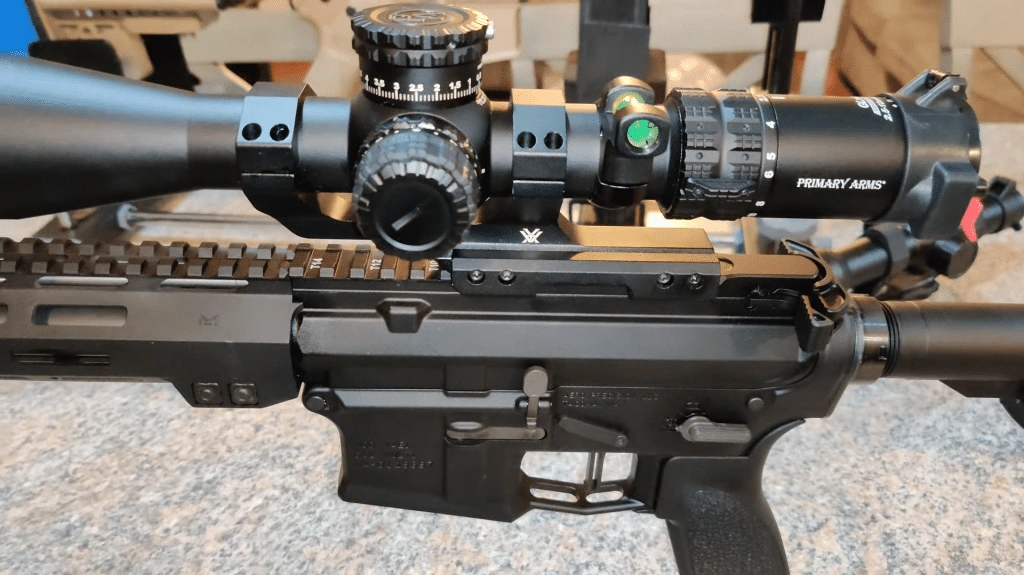
Yes, an over-tightened scope on a rifle can get foggy, especially internally. Excessive torque on scope rings can deform the scope tube, causing seal failure. When seals fail, nitrogen or argon gas escapes and moisture enters, leading to internal fogging.
Can You Over Tighten a Rifle Scope?
Many rifle owners wonder about proper scope mounting. Yes, you absolutely can over tighten a rifle scope—and the consequences can be serious for your expensive optics.
What happens when scope rings are too tight
Excessive torque on scope rings doesn’t just affect the exterior of your scope. The performance of both mechanical and optical components inside can significantly deteriorate. When you crank those screws beyond their recommended limits, you risk permanently damaging the tube, creating “crimping” or even crushing the tube in extreme cases.
Inside your optic, the delicate mechanical and optical components responsible for sharp images and accurate aiming become restricted. This limitation doesn’t just reduce your dialing range—it can seriously diminish your riflescope’s ability to hold zero. Consequently, your optic will fail to perform consistently.
Quality matters tremendously here. Higher-end rings provide uniform contact between the rings and scope tube. In contrast, poor-quality rings often have sharp edges where they contact the scope tube, which amplifies damage from overtightening.
Signs your scope may be overtightened
Identifying an overtightened scope requires careful observation. First, look for visible indentations on the scope tube—actual dents rather than mere ring marks. These physical deformations indicate excessive pressure.
Additionally, watch for functional issues. The parallax adjustment may bind or completely cease to function properly. Furthermore, your scope might suddenly struggle to hold zero or deliver consistent accuracy.
Most manufacturers recommend torque settings around 15-20 inch-pounds. If you’ve been tightening “as tight as you could” without using a torque wrench, chances are you’ve exceeded these specifications.
Can overtightening cause internal fogging?
Regarding the connection between overtightening and fogging, the relationship is indirect yet important. When you overtighten rings, you risk compromising the scope’s sealed system. Excessive pressure can distort O-rings and damage seals that maintain the scope’s waterproof and fogproof integrity.
Modern scopes are nitrogen or argon purged to prevent internal fogging. Nevertheless, when seals become compromised through physical distortion from overtightening, moisture can potentially enter the sealed environment. Once inside, this moisture causes the frustrating internal fogging that ruins your sight picture during temperature changes.
Therefore, proper mounting techniques aren’t just about maintaining the scope’s mechanical integrity—they directly impact its ability to remain clear and fog-free throughout your hunting or shooting sessions.
How Overtightening Affects Scope Seals and Fogging
Modern rifle scopes rely on precise engineering to remain waterproof and fog-free. Overtightening creates a domino effect that begins with physical damage and ultimately leads to that frustrating fogging that ruins your shooting experience.
Pressure on O-rings and seal integrity
The hidden danger of cranking your scope rings too tight lies in what happens to the scope’s internal seals. Excessive force on scope rings can physically damage your scope’s tube. These tubes are lightweight aluminum designed for proper clamping, but excessive force can distort them.
This distortion directly affects the O-ring seals that maintain waterproof integrity. As the scope tube deforms under pressure, these critical seals can become pinched, twisted, or completely damaged. In extreme cases, overtightening can actually crack the outer tube or break the moisture seal. Even minor seal damage compromises the scope’s waterproof barrier, essentially creating microscopic pathways for moisture to enter.
Impact on nitrogen or argon purging
Quality scopes undergo a purging process where normal air (containing moisture) is removed and replaced with dry nitrogen or argon. This creates positive pressure that eliminates moisture-laden ambient air. Some manufacturers like Bushnell repeat this process around 24 times per optic to ensure thoroughness.
Once a seal fails from overtightening, this carefully maintained internal environment becomes compromised. The purging gas gradually escapes, particularly as the scope experiences barometric pressure changes from weather shifts or altitude changes. As pressure outside increases, the scope literally sucks outside air into the tube. Over several pressure cycles, dry gas inside gets displaced by moist external air.
How moisture enters a compromised scope
After seal compromise, moisture enters through microscopic gaps created by the damaged seals. Even minor leaks allow ambient air containing moisture to infiltrate your scope.
Moreover, rapid temperature changes accelerate this issue. Taking a cold scope into warm environments virtually guarantees fogging with compromised seals. As temperature drops below dew point, moisture condenses on internal lenses. Since you’ve lost the protective nitrogen environment, that moisture has nowhere to go, resulting in persistent internal fogging that ruins your sight picture precisely when you need clear vision most.
Fixing a Foggy Scope Caused by Overtightening
Discovering that your can a over tightened scope on a rifle get foggy is a frustrating experience for any shooter. Fortunately, several steps can help restore your optics to proper working condition.
Step 1: Inspect for seal damage
Begin by thoroughly examining the seals around your scope’s lenses, adjustment turrets, and main tube. Look for cracks, deterioration, or any signs that the seals have failed due to overtightening. Pay special attention to areas where scope caps connect, as these rubber gaskets are critical for preventing moisture intrusion.
Step 2: Remove internal moisture safely
Once moisture has entered your scope, place it in a warm, dry environment for several hours to allow condensation to evaporate. Many shooters successfully use silica gel desiccant packs or uncooked rice in a sealed bag with the scope. For persistent moisture, some experienced hunters use a hair dryer on low heat—being careful not to overheat the optic.
Step 3: Use anti-fog treatments
Specialized anti-fog solutions designed for optics can provide temporary relief. These products create a thin protective layer that prevents condensation from forming on lens surfaces. Some manufacturers offer specific repair kits that temporarily displace moist air with dry gas.
Step 4: Seek professional repair if needed
For severely damaged scopes, professional service remains the best option. Authorized repair facilities can completely disassemble your scope, clean internal components, replace damaged seals, and properly purge the system with nitrogen or argon gas to restore fogproof performance.
How to Prevent Scope Fogging and Mounting Errors
Preventing scope fogging begins with proper mounting techniques and continues through correct maintenance practices. Proper care and mounting can eliminate the question of can a over tightened scope on a rifle get foggy before it becomes an issue.
How to keep a rifle scope from fogging up
Moisture is the primary enemy of clear optics. For external fogging, quality anti-fog wipes or solutions applied to the lenses create a protective barrier. Notably, several manufacturers offer specialized anti-fog treatments specifically formulated for optical equipment.
Beyond chemical solutions, proper handling prevents fogging. Never breathe directly on your scope in cold weather. Additionally, allow gradual temperature acclimation when moving between environments. This prevents the rapid condensation that occurs when cold glass meets warm air.
Proper torque settings for scope rings
Most scope manufacturers recommend 15-18 inch-pounds of torque for scope rings. Higher-end scopes with thinner tubes sometimes require even less torque—as low as 15 inch-pounds. Always check your specific scope’s requirements before mounting.
Base screws typically require 20-25 inch-pounds for steel receivers and approximately 15 inch-pounds for aluminum receivers. Under-torquing risks slippage during recoil, whereas over-torquing can damage your scope tube or strip screws.
Using threadlocker and torque wrenches
Despite common practice, manufacturers generally advise against using thread locker on scope ring screws. Thread-locking compounds act as lubricants, causing you to over-torque even when using proper settings. This creates the exact crushing pressure that damages scopes.
Instead, invest in a quality inch-pound torque wrench specifically designed for gunsmithing. These precision instruments provide the exact tension needed without guesswork.
Avoiding extreme temperature shifts
Rapid temperature changes trigger condensation. When a cold scope enters a warm environment (or vice versa), moisture in the air condenses on lens surfaces. Accordingly, always allow your optics to gradually acclimate to new environments.
In extremely cold weather, store optics away from your body heat and breath. Ironically, a scope kept at consistent cold temperature functions better than one repeatedly warmed by body heat then exposed to cold again.
Storing your rifle scope correctly
For long-term protection:
- Store in dry environments with silica gel packets to absorb moisture
- Use lens caps to protect both objective and eyepiece lenses
- Keep at consistent room temperature whenever possible
- Avoid storage in vehicles where extreme heat can damage electronics and seals
Following these guidelines ensures your scope remains fog-free and properly functioning through years of service.
Conclusion
Properly mounting your scope remains essential for maintaining clear vision during those critical shooting moments. Throughout this guide, we’ve seen how overtightening scope rings directly affects internal fogging. Excessive force distorts the scope tube, compromises vital seals, and ultimately allows moisture to replace carefully purged nitrogen or argon gas.
Remember, even high-quality scopes advertised as fogproof can fail when improperly mounted. Therefore, investing in a quality torque wrench calibrated for inch-pounds pays dividends through years of reliable performance. Most manufacturers recommend 15-18 inch-pounds for scope rings—significantly less force than many shooters apply without proper tools.
Additionally, temperature management plays a crucial role in preventing both internal and external fogging. Gradual acclimation between environments prevents condensation that ruins your sight picture at the worst possible moment. Coupled with proper storage practices and occasional seal inspection, these habits ensure your optics remain clear regardless of weather conditions.