Burris rifle scopes are made in multiple countries. Burris manufactures high-end rifle scopes in the United States, while other models are produced in the Philippines and China. The company designs and engineers its optics in Greeley, Colorado, ensuring consistent performance and quality control across product lines.
Where are Burris scopes made?
Burris optics production spans multiple countries with different manufacturing processes for various product lines. Understanding where are Burris rifle scopes made helps buyers make informed decisions based on their preferences for country of origin.
Burris manufacturing locations explained
The Burris headquarters sits nestled near the Colorado Rockies in Greeley, where premium optics production takes place in a specialized facility. Contrary to common belief, not all Burris scopes come from this American facility. The company currently manufactures across three locations: United States, Philippines, and more recently, China.
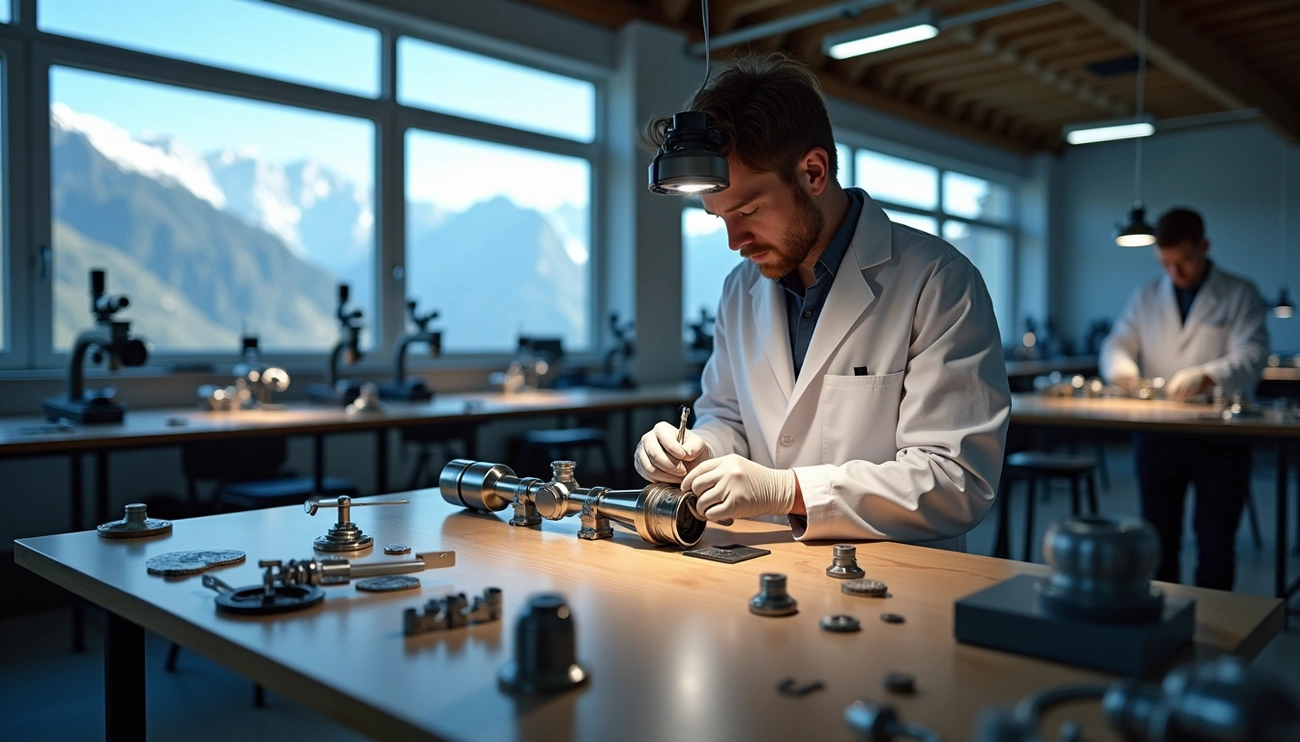
The Colorado facility stands out for its “remarkable cleanliness and organization combined with machine technology and skilled craftsmen/women, with purposeful focus on build quality in a safe manufacturing environment”. Here, high-quality aluminum blanks undergo precision CNC machining before washing, anodizing, and assembly in specialized clean rooms to create premium optics.
Which Burris scopes are made in the USA?
Currently, only two premium Burris product lines are fully manufactured in the United States:
- XTR Pro scopes – Machined and assembled in Greeley, Colorado
- XTR III scopes – Also produced in the American facility
These high-end models represent Burris’ flagship offerings. According to industry publications, “All of the engineering, manufacturing, assembly and quality control is also done in Greely. The only components not made in Colorado are the lenses”. This distinction sets these models apart as the company’s premium American-made optics.
Scopes made in the Philippines and China
Burris previously manufactured their popular Fullfield II line in the Philippines after transferring production from the USA. During this transition, “they took the machinery and set up the factory while training the workers to do a great job”. Many reviewers noted these Philippine-made scopes matched or exceeded their American predecessors in quality despite the manufacturing location change.
More recently, Burris has shifted production of several lower-end scopes to China, including the newest Fullfield IV models. This manufacturing change disappointed some long-time customers who remembered when all Burris optics were “Proudly Made in the USA”.
The transition follows a common pattern in the optics industry. As noted by industry observers, this shift occurred due to “corporate strategy changes driven by ownership, cost structure, and global manufacturing realities”. Burris changed ownership multiple times, with new parent companies often centralizing manufacturing with existing global suppliers to reduce complexity and cost.
Who makes Burris scopes and how are they built?
The legacy of Burris Optics began with a vision to improve riflescope technology. Founded by former Redfield design engineer Don Burris in 1971, the company has grown into a respected name in the optics industry.
Burris company background
Don Burris launched his company after spending 12 years at Redfield, where he developed several industry innovations, such as the first constantly centered non-magnifying reticle in variable power scopes—a design now used in 99% of all scopes today. Initially producing rings, bases, and open sights, the company introduced its first optic—the iconic Fullfield riflescope—in 1975. Following Don’s passing in 1987, the company continued to innovate under new leadership. Eventually, in 2002, Burris became part of the prestigious Beretta Holdings Group. Nowadays, Burris operates as one of more than 50 Beretta subsidiaries with a global workforce exceeding 6,200 employees.
Design and engineering in Colorado
Even as manufacturing locations have diversified, Burris maintains its engineering headquarters in Greeley, Colorado. The company’s design philosophy centers on a “hunter first” approach. Through the decades, Burris has pioneered numerous innovations, including:
- First American-made scopes with multi-coated lenses (1980)
- First variable power handgun scope (1983)
- Patented Posi-Lock system for repeatable accuracy (1993)
- Ballistic Plex reticle with trajectory compensation (2000)
Assembly and quality control processes
Manufacturing high-quality optics involves meticulous attention to detail. The Burris-Steiner factory near the Colorado Rockies operates with “remarkable cleanliness and organization combined with machine technology and skilled craftsmen/women, with purposeful focus on build quality”. The production process begins with high-grade aluminum blanks machined by precision CNC equipment. After milling, the tubes undergo washing to remove oils and dirt before anodizing—creating a corrosion-resistant finish.
A hallmark of Burris quality control is their static- and dust-free clean rooms where technicians install precision glass components. Furthermore, each scope undergoes rigorous testing against distant targets to verify optical quality and reticle alignment. Additionally, Burris employs steel-on-steel click adjustments, dual adjustment springs, and quad ring seals—superior to standard O-rings—ensuring long-term reliability. This dedication to quality explains why every Burris riflescope comes backed by their Forever Warranty.
How Burris compares to other scope brands
Comparing Burris scopes with other major brands reveals interesting differences in manufacturing approaches and country of origin.
Leupold vs Burris: Made in USA comparison
Unlike Burris with only its XTR Pro and XTR III models made in America, Leupold manufactures more of its catalog in the USA. Leupold proudly produces scopes in Beaverton, Oregon, where they “manufactured more riflescopes in 2018 than any year in company history”. Notably, Leupold’s VX-3 line and above delivers exceptional clarity, often competing with any scope in any price range. Conversely, Burris offers comparable optical performance at more accessible price points. In direct comparisons between similarly priced models, users found “they are tied dead even for clarity and brightness”.
Vortex, Trijicon, and Nightforce sourcing
Vortex changed the optics world by offering quality scopes with lifetime warranties, using glass from China and Japan with assembly primarily overseas. Meanwhile, Nightforce—known primarily for exceptional durability—assembles many scopes in Idaho using Japanese glass. Similarly, Trijicon’s reputation stems from most products being “fully made in the USA,” though their Accupoint and Accupower lines incorporate Japanese and Czech components.
What makes a scope truly ‘American-made’?
The definition of “American-made” varies significantly within the industry. Consequently, many scopes labeled as USA-made still incorporate international components—particularly lenses. Even with American assembly, “some components—such as glass lenses or small electronics—may be sourced internationally”. The US Optics Foundation line meets the Buy American Act standard of “51% or more of the parts and labor sourced in the USA”. Generally, specifications and tolerances matter most for performance, regardless of manufacturing location. As one industry expert notes, “the brand dictates the specification of materials, design and tolerance”.
Why scope origin matters to buyers
For many shooters, knowing where are Burris rifle scopes made influences purchasing decisions beyond mere specifications. The manufacturing origin carries significant weight for various reasons.
Concerns about Chinese manufacturing
Chinese-made optics often face skepticism among serious shooters. Many consumers express reservations about quality control standards, with forum discussions highlighting “high return rates” and “high defect rates” from Chinese facilities. One industry observation notes that achieving consistent quality “requires the optics company to self-manage quality control on site at the Chinese factory”. Moreover, even when one production line maintains standards, this “doesn’t guarantee good quality on another line”. Some enthusiasts express frustration that Chinese-made scopes command premium prices despite lower production costs.
Patriotism and supporting local jobs
Buying American-made optics resonates with many shooters who value supporting domestic manufacturing. The preference for USA-made scopes often stems from a desire to preserve skilled American jobs in precision manufacturing. Nonetheless, as more production shifts overseas, finding truly American-made options becomes increasingly challenging.
Does country of origin affect quality?
Manufacturing location certainly influences reliability expectations. Products from “the USA or Japan, where there are strict quality controls and skilled workers, tend to be more reliable”. These scopes typically “endure regular use and perform well over time, even with strong firearms”. Japanese optics have earned global recognition for “great optical quality, careful mechanics, and good prices”. In essence, while Chinese manufacturing has improved—offering “a wide range of options, including some nice budget choices”—buyers should select brands with robust quality control measures.
Conclusion
Understanding where Burris rifle scopes are manufactured proves more complex than many shooters initially assume. Contrary to popular belief, most Burris scopes aren’t made in America, despite the company’s Colorado headquarters. Only the premium XTR Pro and XTR III lines can truly claim American manufacturing credentials, while other models originate from facilities in the Philippines and China.
This manufacturing reality reflects broader industry trends. Most scope companies face similar economic pressures pushing production overseas. Nevertheless, Burris maintains its engineering excellence through American design teams who oversee specifications regardless of where final assembly occurs.
Quality ultimately depends on a brand’s commitment to standards rather than simply geographic location. Though concerns about Chinese manufacturing persist among shooters, proper oversight can yield excellent products from any country. Japanese facilities generally earn high marks for precision, while American-made optics often command premium prices partly due to higher labor costs.