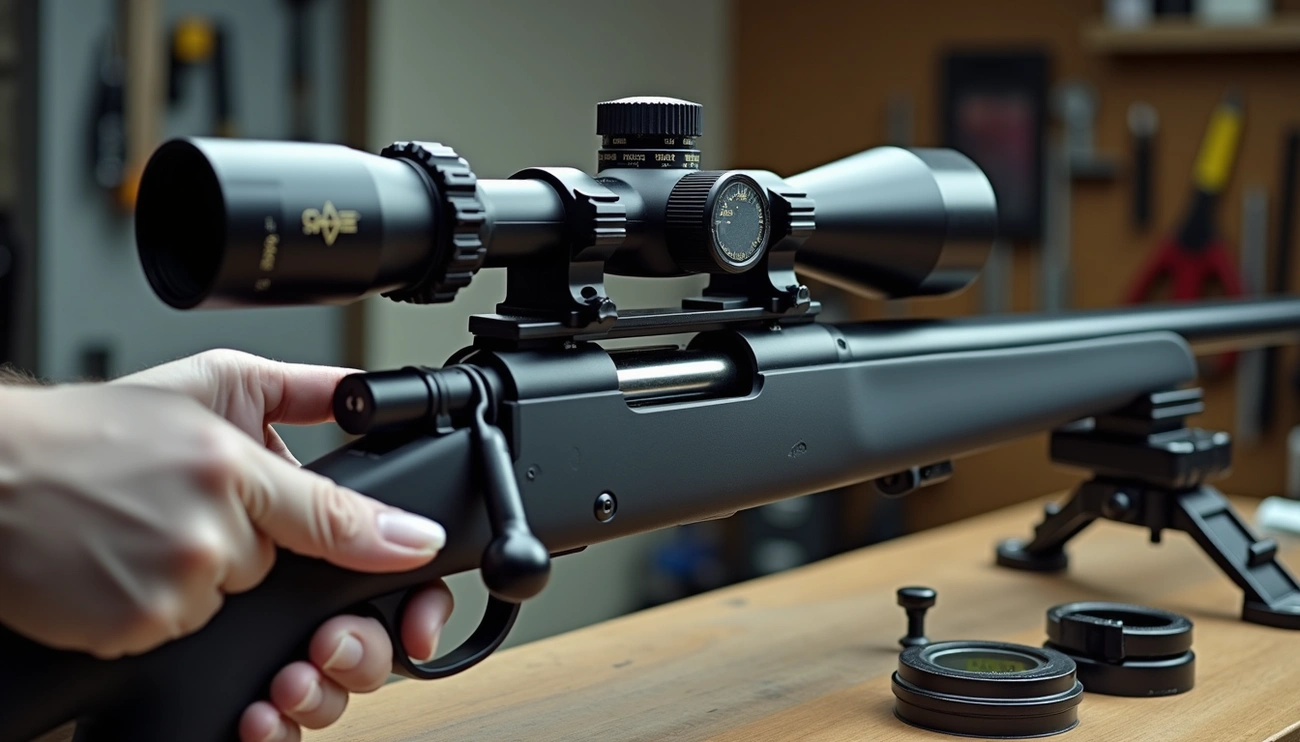
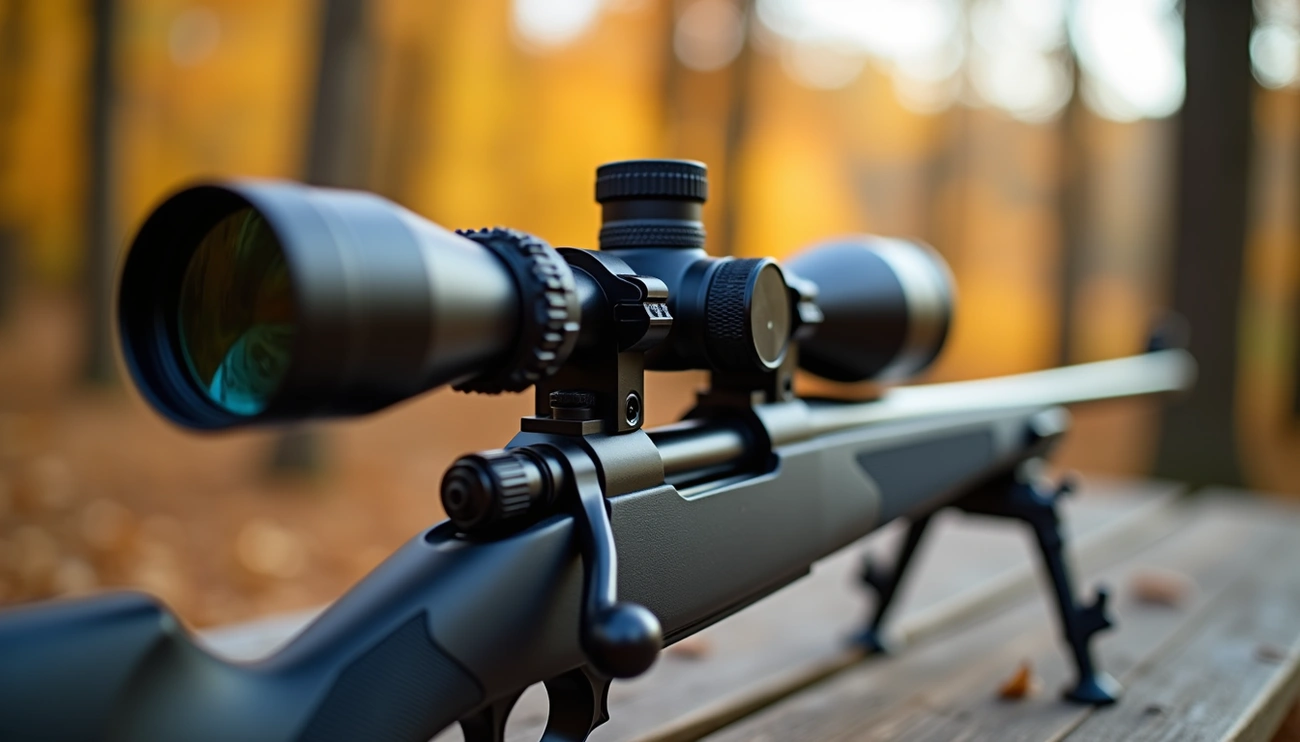
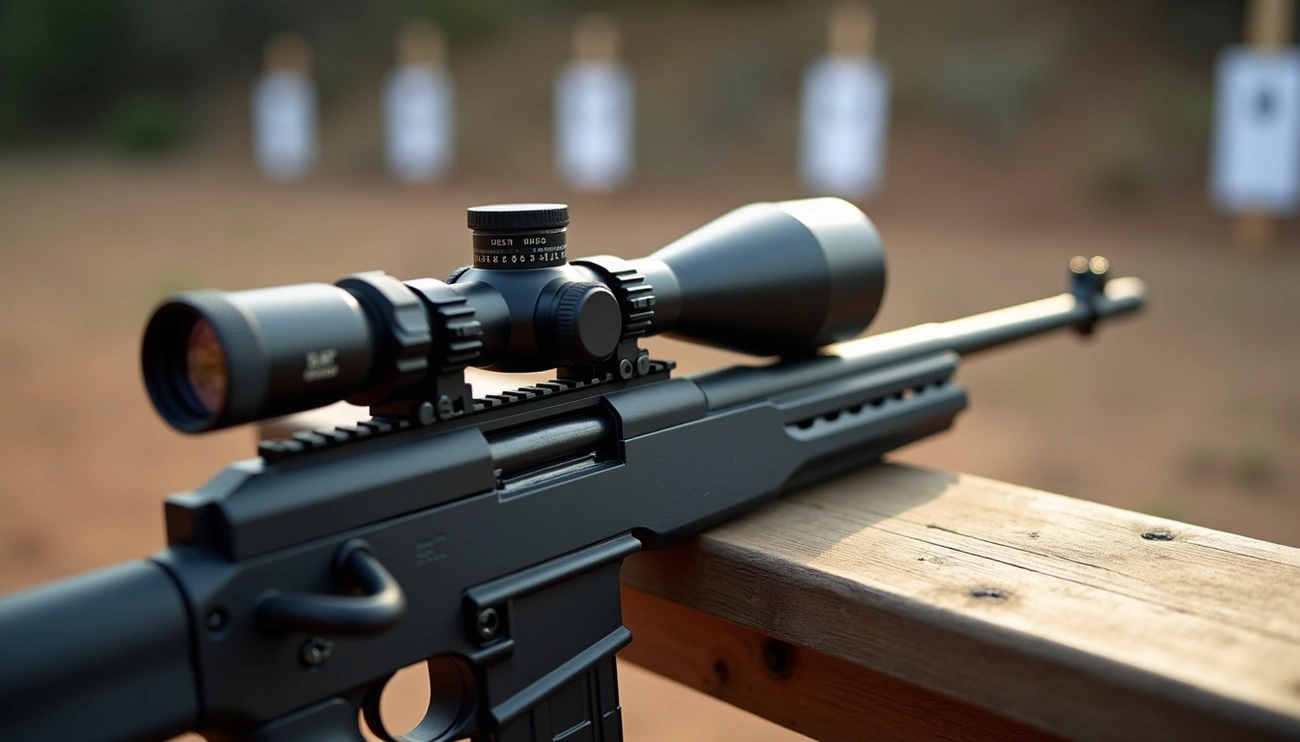
One end of a rifle scope cover is often yellow to enhance contrast and improve visibility in various lighting conditions. Many rifle scope covers are made with a yellow or yellowish tint because this colour helps filter out blue light, brightening the view in low-light situations such as haze, overcast weather, or shadowy areas like woods—similar to the effect of yellow shooting glasses. In addition to improving visibility, the yellow cover protects the lens and reduces glare, helping shooters quickly line up accurate shots when needed.
What is the yellow cap on a rifle scope?
If you’ve handled a rifle scope, you’ve likely seen the protective caps that come with it. One of them often has a yellow lens, and this isn’t a random design choice—it serves a specific purpose for shooters.
Understanding the visible yellow lens
The yellow lens on a scope cover is a clear filter that adds a light yellow tint to your view. Unlike black caps that block vision, it lets you see through it. These covers aren’t just for protection—they’re meant to be used while shooting in certain conditions. The tint is light, similar to shooting glasses, so you can keep the cover on and still take a shot, which is useful during sudden hunting moments or bad weather.
Common placements: objective vs. ocular end
Manufacturers don’t always place the yellow cover in the same spot. Some shooters say it usually goes on the ocular end (the eyepiece), while others find it on the objective end (the front lens). This suggests the placement depends on the brand or scope model.
No matter where it’s placed, the purpose is the same: to improve visibility in certain conditions. The objective lens collects light from the target, while the ocular lens magnifies the image for your eye. A yellow filter affects the view differently at each end, which is why manufacturers carefully choose its placement.
Why is it only on one side?
Using a yellow tint on only one end of the scope is intentional. If both ends were yellow, the view could become too tinted, distorting colours. Since most shooting situations don’t need colour filtering, keeping one lens clear helps maintain versatility.
The single yellow cap gives you flexibility. You can use it for better contrast or remove it for a natural view, depending on conditions. Some scopes also have a clear cap on the other end, offering more options. This design protects both lenses while adding filtering only where it’s useful.
Some shooters remove both caps before shooting, especially if they wear tinted glasses. Others prefer using the yellow lens in poor light or bad weather. Overall, the single yellow cap balances special use with flexibility.
Because these covers are transparent, you can still take a shot even if you forget to remove them. This is a big advantage over solid caps, which would completely block your view and cost you a quick shot.
Why are the scopes’ covers yellow?
The yellow colour on some scope covers isn’t a random design choice. It serves several practical purposes for shooters in different conditions. Here’s the science and benefits behind it.
Enhancing contrast in low light
Manufacturers use yellow scope covers to improve visibility in poor lighting. The yellow tint brightens the image, similar to the effect of yellow shooting glasses. This is especially helpful during dawn or dusk when the light is low.
Yellow lenses improve contrast, making targets stand out more clearly against their background. This added contrast is especially helpful on overcast days, making it easier to see terrain details and camouflaged targets, so many hunters keep the yellow cap on rather than removing it.
Filtering blue light for clarity
Yellow scope covers do more than brighten images—they filter out excess blue light, reducing haze and improving contrast on overcast days.
The science is simple: blue light scatters easily, causing haze, especially in fog, snow, or dust. Yellow filters block this blue light, helping other colours appear clearer.
This filtering is especially useful in digital optics, as yellow tints make red or green dots stand out more clearly, which is why many competitive shooters use them in mixed lighting.
Reducing glare and eye strain
Long shooting sessions can strain your eyes, but yellow scope covers reduce glare and help lessen eye fatigue.
The warm yellow tint improves clarity and cuts glare, making it especially helpful during long shooting sessions, particularly when:
- Shooting in environments with reflective surfaces, like snow or water
- Transitioning between areas of shade and bright sunlight
- Maintaining focus on distant targets for prolonged periods
Many shooters find they stay focused and see more clearly with yellow-tinted optics, as the covers filter blue light and help reduce eye strain during long shooting sessions.
So, that yellow cap isn’t just for protection—it’s a designed optical tool that can improve your shooting in the right conditions.
How the yellow scope covers affect visibility
A yellow scope cover changes how everything looks compared to a clear lens. It doesn’t just protect the scope—it changes how you see your target and surroundings.
Impact on target acquisition
Looking through a yellow-tinted scope cover helps you spot targets faster. The yellow filter increases contrast and depth perception, making targets stand out from the background. Many shooters say it feels like seeing an “HD” version of normal vision.
In real shooting situations, this helps you find and focus on targets faster, especially when they blend into the background. The yellow tint makes the target stand out, leading to more confident shots. It also allows you to shoot with the cover on when there’s no time to flip it open, without losing clear visibility.
Colour perception and contrast
Yellow scope covers work by filtering out blue light, which scatters easily in the air. This reduces haze and improves clarity, though it does change the colour you see.
The colour enhancement is most noticeable with:
- Black and white targets (showing the greatest contrast improvement)
- Dark targets against light backgrounds
- Subtle colour variations in natural environments
Despite the benefits, there’s a downside. As one shooter pointed out, see-through covers can reduce image sharpness. So while they improve contrast, they also lower clarity and colour accuracy.
Situational benefits: dusk, dawn, fog
Yellow scope covers work best in tough lighting. They gather light well in low-light conditions, making them especially useful at dawn and dusk when visibility is poor, and animals are most active.
In addition, yellow filters perform exceptionally well in:
- Foggy environments, where they “penetrate fog and haze better.”
- Dusty or snowy conditions, where they improve visibility
- Overcast or cloudy days
Yellow works well because of how its light wavelength interacts with the air. This lets yellow light pass through haze and atmospheric interference better than normal light.
Yellow lenses also reduce eye strain during long use. This is helpful on all-day hunts or long shooting sessions in changing light. They soften harsh light while still letting you see and engage targets clearly.
When and where to use yellow scope covers
Knowing when to use a yellow scope cap can improve your shooting performance. Because conditions vary, understanding when it works best helps you get the most benefit from it.
Best environments for yellow filters
Yellow scope covers shine primarily in challenging weather and lighting conditions. They prove exceptionally valuable during:
- Rain, snow, or dusty environments – The see-through yellow cover keeps your lens clean and dry while still allowing you to use the scope.
- Overcast days – Yellow filters enhance contrast by filtering excess blue light
- Dawn and dusk hunting – The yellow tint brightens the image in darker conditions.
- Foggy mornings – Yellow lenses help cut through atmospheric interference
Its effectiveness depends on your location and the weather. Many experienced hunters leave the yellow cover on in changing conditions and remove it only when a critical shot is needed.
Hunting and tactical use cases
For hunters, a yellow scope cap offers more than lens protection. It lets you take quick shots without opening the cover, which is important when the game appears suddenly.
Additionally, hunters who go out early in the morning or evening—when large game is most active—benefit from the yellow lens’s image-brightening effect. Like yellow shooting glasses at the range, the tint improves target visibility and can make the difference between success and failure.
From a tactical standpoint, the yellow filter acts as a backup for unexpected situations. While shooting without a cover is ideal, in fast reactions or bad weather, being able to shoot accurately through the yellow lens can be crucial.
When to remove the yellow cap
Despite their advantages, yellow scope covers should sometimes be removed. Many shooters prefer to take them off entirely before shooting, especially:
- In bright daylight, when maximum clarity is needed
- When using already tinted shooting glasses, the combined effect can decrease brightness too much.
- During competitions or precision shooting, where colour accuracy is critical
- When maximum light gathering is essential in extremely low-light conditions
While the yellow lens can brighten the image in some conditions, it also blocks some light. For the clearest view, it’s best to remove both lens covers when lighting and weather allow.
Are there alternatives to yellow scope covers?
Besides yellow-tinted covers, there are many other scope cover options designed for different shooting needs. Exploring them can improve your shooting experience in various conditions.
Clear and tinted lens covers
Clear lens covers let through over 99% of light while protecting your objective lenses, without changing colour or contrast. Some manufacturers also offer amber or polarized covers for different needs. Amber lenses boost contrast like yellow ones but mainly filter blue light, with a less noticeable yellow tint.
Flip-up vs. full cap designs
Scope covers come in different designs. Flip-up covers stay attached when opened, so they’re easy to use and won’t get lost. Traditional “bikini” covers fully detach but protect the entire lens when in place.
Some shooters find flip covers annoying because they can open at the wrong time. Others debate whether they should flip up or to the side, with some preferring side-flip covers for better downrange visibility.
Custom filters and aftermarket options
For specialized needs, custom filters can be designed according to user specifications. These include:
- Polarized filters for reducing glare
- Anti-reflection coatings
- Oleophobic and hydrophobic treatments
Premium brands like Tenebraex offer high-quality covers that some see as a worthwhile investment to protect expensive optics. Other trusted brands, such as Aadland, are also well regarded, while many shooters feel cheaper options aren’t worth buying.
In the end, the best choice depends on your shooting conditions, preferences, and budget. Many serious shooters own several types of covers for different situations.
Conclusion
After examining why one end of a rifle scope cover is yellow, it’s clear that it serves a specific purpose rather than being a random design choice. The yellow tint improves contrast in difficult lighting, such as at dawn, dusk, or on cloudy days. It also reduces blue light, which can cause visual haze, helping targets stand out more clearly.
Although yellow covers slightly reduce overall light, they are very useful in certain conditions. Hunters shooting in foggy weather or changing light can gain a noticeable advantage, and the tint can also reduce eye strain during long shooting sessions.
Whether to use the yellow cover depends on the situation. In bright daylight, removing the covers provides the clearest view. In poor weather or fast-paced situations, shooting through the yellow cover can improve visibility and accuracy.
There are also other options, such as clear, amber, or polarized covers, each suited to different needs. Understanding the purpose of the yellow cover helps shooters decide when to use it and how it can improve performance in the field.