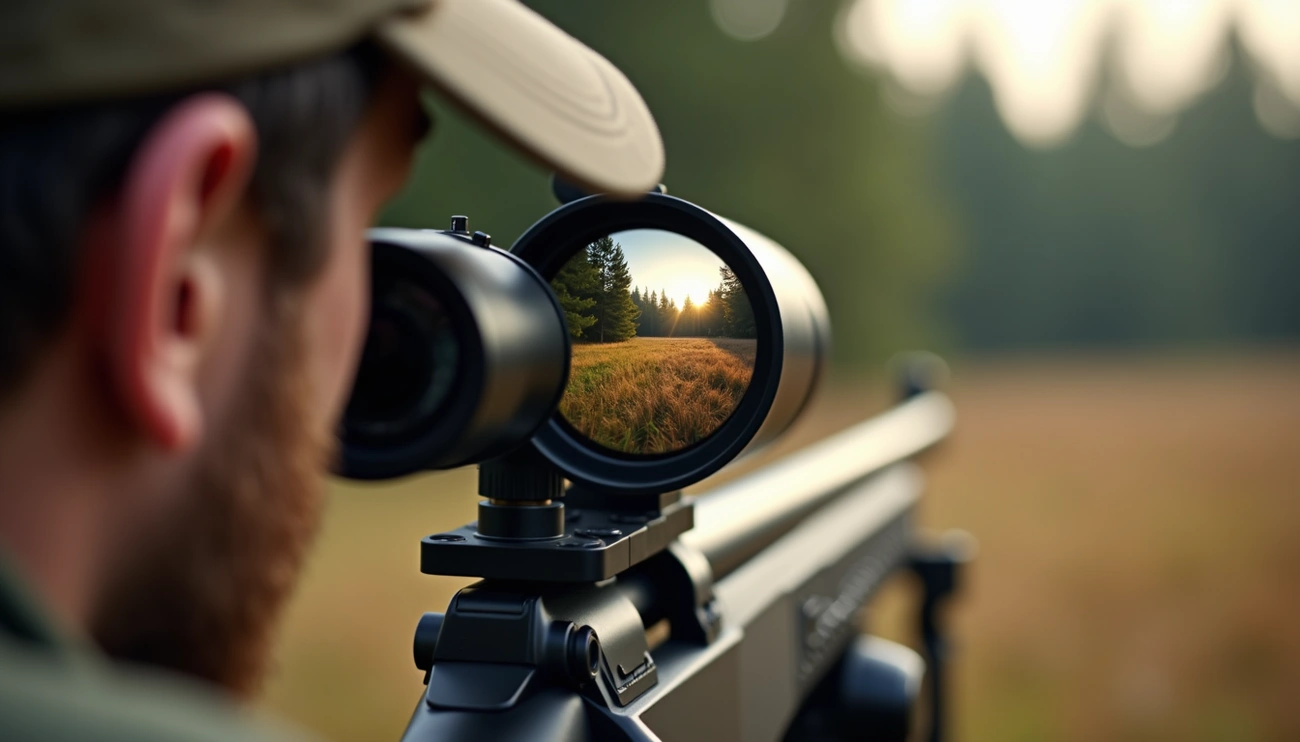
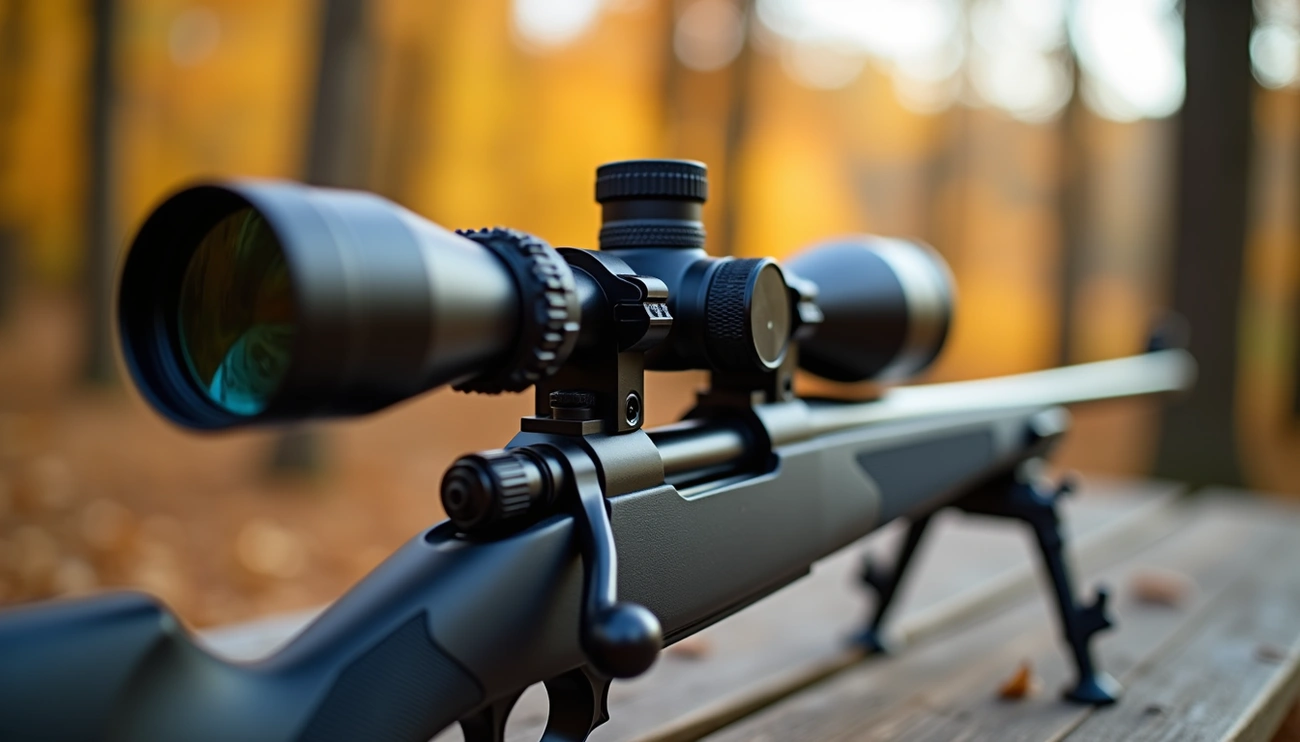
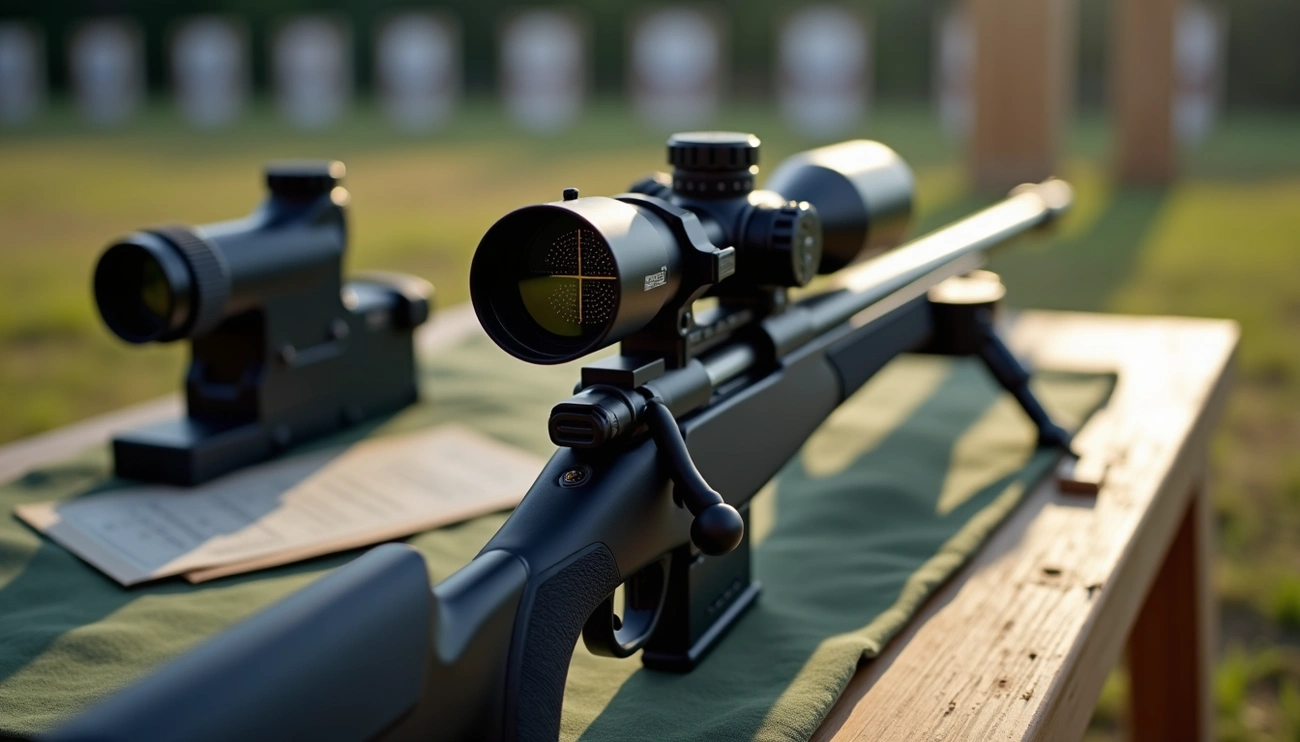
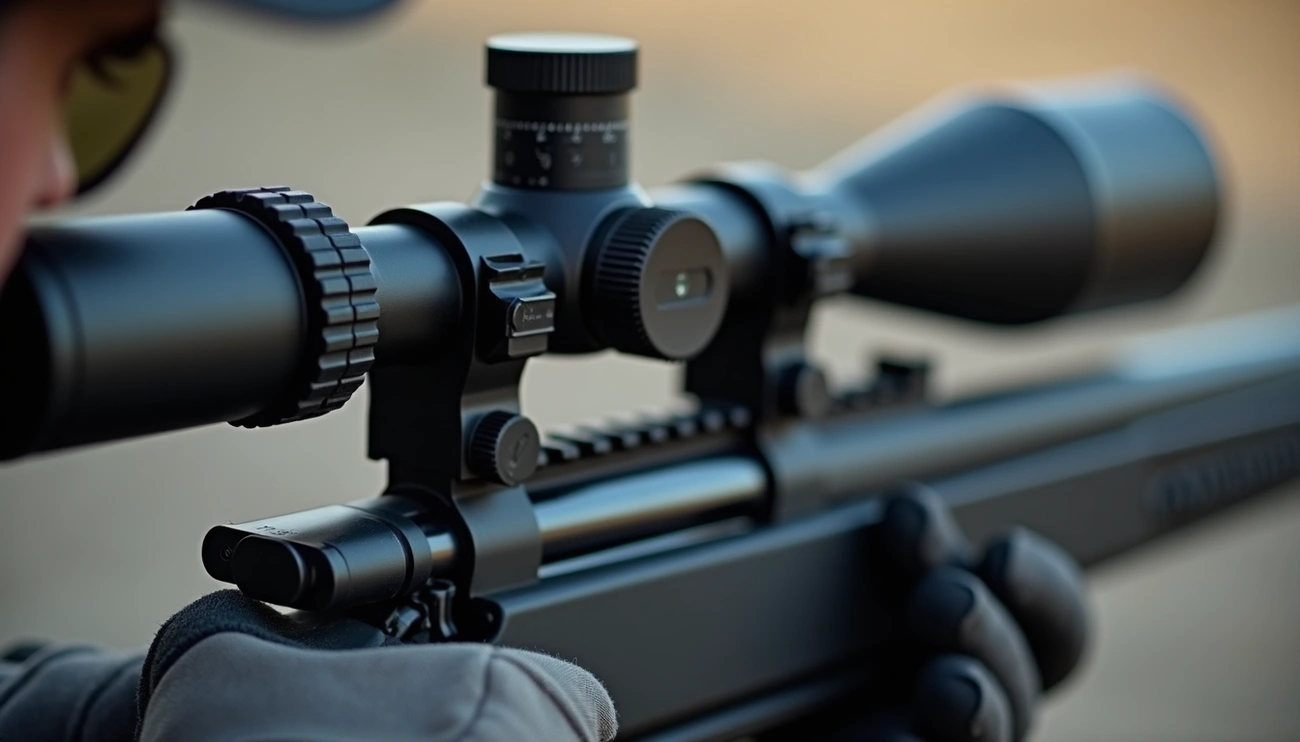
Rifle scopes are often expensive for three main reasons. First, they are made from high-quality materials. Second, they are produced using advanced engineering technology. Third, the brand also plays a significant role in the price. Let’s break this down.
The body of a rifle scope is typically made from aircraft-grade aluminum or magnesium, which can withstand extreme conditions. The glass used in these scopes is not ordinary glass; it is specially engineered for precision, ensuring accurate tracking and reliable zero stops, crafted by skilled technicians. Additionally, a good LPVO (Low Power Variable Optic) contributes to the higher cost of some rifle scopes. These factors together explain why rifle scopes tend to be expensive.
Key Reasons
- Expensive rifle scopes use superior materials that improve performance.
- High-end scopes often feature advanced glass types, such as ED (Extra-low Dispersion) or HD (High Definition).
- Premium scopes use aircraft-grade aluminum or magnesium, making them more durable and lightweight.
- Most hunters are fine with a $500 scope, but there is a noticeable quality difference compared to premium models.
- Accurate shooting relies heavily on a quality rifle scope, which is important for both hunting and target shooting.
- There is a balance between what is necessary and what is desirable in optics.
What makes rifle scopes so expensive?
The rifle scope market is projected to reach $1,193.6 million by 2028. Prices range from around $50 to over $3,100, raising the question of what makes some scopes so expensive.
The myth of matching scope and rifle cost
For years, hunters believed a scope should cost no more than the rifle, or at most half its price. By this logic, a $300 rifle was usually paired with a $150 scope because their quality was thought to match.
However, this old belief is becoming outdated. Modern manufacturing has made today’s $400 rifles nearly as accurate as $1,200 models, and using a cheap scope on such a rifle limits its full potential.
Also, a higher price doesn’t always mean better results. Many shooters gain more from a $700 scope and good training than from a $3,000 scope they don’t know how to use.
Why are optics so expensive compared to other gear?
Unlike many hunting accessories, scope prices truly reflect real quality differences. These price gaps mainly come from three key factors:
First, precision engineering greatly increases cost. Making high-tolerance glass is very difficult and requires advanced manufacturing, and internal parts—especially the erector system—must be built with extreme accuracy and consistency.
Second, materials play a major role in price. High-end scopes use better glass and precision-machined metal parts, while cheaper models often rely on plastic components.
Third, the scope’s purpose affects its price. Scopes designed for tactical use, competition, or specialized hunting require additional features and stronger construction.
In simple terms, as one manufacturer put it, improving the human eye’s abilities by many times sounds easy, but it isn’t.
Most hunters will do just fine with a $500 scope, but the biggest quality improvement usually comes at around $1,000, when scopes feature higher-quality glass made in Japan or Europe.
Glass quality and clarity differences
Glass quality is the main difference between budget and premium scopes, and the improvement in an expensive scope is immediately obvious, like moving from standard definition to 4K TV.
High-end glass types: ED, HD, and Schott
Premium rifle scopes use advanced glass to improve performance. Extra-Low Dispersion (ED) glass reduces colour distortion and creates brighter, more accurate images, while High Definition (HD) glass enhances sharpness and detail, even at high magnification.
German Schott glass, especially the HT (High Transmission) type, is known for exceptional clarity. It lets in more light, keeps images bright at high magnification, and is often paired with advanced lens coatings for top-level performance.
Light transmission and low-light performance
Better light transmission is a key benefit of expensive scopes, especially at dawn and dusk, and it mainly depends on the quality of the glass and lens coatings.
Tube diameter doesn’t affect brightness—a 30 mm tube gathers no more light than a 1-inch tube. Brightness comes from high-quality glass, effective lens coatings, and the size of the exit pupil.
Edge-to-edge clarity and chromatic aberration
Expensive scopes provide clear, distortion-free images from edge to edge. They also reduce chromatic aberration, which causes blue or yellow colour fringes that become more noticeable at high magnification.
High-quality scopes use ED glass to reduce this problem. Without it, fine details are harder to see, which is why better glass is essential—not optional—for precise long-range shooting.
Durability, tracking, and build quality
Beyond glass quality, how a scope is built affects its durability and accuracy. Premium scopes are designed to handle harsh conditions while staying precise shot after shot.
Materials used in expensive scopes
High-end scopes are made from aircraft-grade aluminum. Most use 6061-T6 for solid strength, while premium brands use stronger 7075-T6 aluminum, which is nearly twice as strong yet still lightweight.
Turret tracking and zero retention
Tracking accuracy is what separates average scopes from top-tier ones. Premium brands rigorously test their turrets—Tangent Theta scopes, for example, are tested for 30,000 revolutions (4.5–6 million clicks)—to ensure perfect precision through:
- Box testing – confirming the scope returns exactly to zero after multiple adjustments
- Click precision – ensuring each adjustment moves exactly as specified.
- Mechanical consistency – maintaining accuracy across the entire adjustment range
Weather resistance and shockproofing
Top-tier scopes face extreme testing. Tangent Theta tests theirs with rapid pressure changes, temperatures from −55°C to +85°C, and repeated high-impact shocks, while ZEISS scopes are tested under heavy recoil loads and still hold zero.
These strict standards explain why premium optics cost more—they’re built to last for decades in conditions that would ruin lesser scopes.
When does an expensive scope make sense?
Whether premium optics are worth the cost depends on your shooting needs. Let’s look at when the extra expense makes sense.
Hunting in low-light conditions
Expensive scopes perform best at dawn and dusk, when game is most active. High-quality glass lets in more light, improving brightness and contrast, which helps you clearly see vital areas in low light.
Long-range shooting and competitions
For competitive shooters, mechanical precision is essential. Matches depend on small details, so reliable turret tracking is critical when adjusting between targets. That’s why top competitors often use durable, high-magnification scopes from brands like Nightforce or Vortex.
Do you need it or just want it?
If you rarely shoot past 125 yards or in very low light, a reliable $300–$500 scope is usually enough. You don’t need premium glass on every rifle—decide whether the extra cost truly improves performance or is just a luxury.
Conclusion
In the end, scope prices reflect real differences in performance and durability. Premium optics use better materials and construction, but most hunters are well served by a quality $500 scope. Noticeable improvements usually appear around $1,000, especially for low-light hunting.
Before spending more, think about how you shoot. Long-range and competitive shooters benefit most from premium precision, while short-range hunters may not use those extra features. You don’t need top-tier glass on every rifle—but on your main rifle, a good scope can make a real difference if it fits your needs.