The main difference between a muzzleloader and a rifle is how they are loaded and used. A muzzleloader loads powder and projectile from the muzzle, offering slower reloads and effective ranges of about 100–200 yards. A modern rifle uses cartridges, fires faster, and delivers greater accuracy and longer range.
What differentiates muzzleloaders from other firearms
Fundamentally, a muzzleloader is defined by its loading method—the projectile and propellant are loaded from the open, forward end of the barrel rather than through the breech. This seemingly simple distinction creates a cascade of differences that affect everything from performance to hunting application.
How muzzleloaders work
The operation of a muzzleloader follows a specific sequence: first, measured black powder or a substitute like Pyrodex is poured down the barrel. Next, wadding or a patch is added, followed by the projectile—typically a round ball or conical bullet. Finally, the ignition system is primed, either with a percussion cap, 209 primer, or priming powder for flintlocks. This entire assembly is firmly seated using a ramrod before firing. Modern inline muzzleloaders have streamlined this process, but the basic principle remains unchanged since the 1600s.
Key differences from rifles and shotguns
The most notable distinctions between muzzleloaders and modern firearms include:
- Velocity and range: Muzzleloaders propel projectiles at lower velocities, reducing their effective hunting range to approximately 100 yards or less, whereas conventional rifles typically remain effective beyond 200 yards.
- Reload speed: After firing, reloading a muzzleloader requires a methodical multi-step process that can take 30-60 seconds, making follow-up shots much slower than with magazine-fed firearms.
- Projectile characteristics: Muzzleloaders fire heavier projectiles with a reduced trajectory, making accurate shot placement more challenging.
- Maintenance demands: Black powder and many substitutes are corrosive, requiring thorough cleaning after use—often after every shooting session.
Why these differences matter in hunting
These unique characteristics create distinct hunting considerations. Given that muzzleloaders are less efficient than modern firearms, hunters must develop superior stalking and tracking skills to close the distance to game. This limitation transforms the hunting experience into something more akin to what our ancestors practiced.
Moreover, the single-shot nature of muzzleloaders demands greater shot discipline and accuracy. Since many states offer dedicated muzzleloader seasons that precede regular firearms seasons, using a muzzleloader can effectively extend your hunting opportunities by several weeks. In certain jurisdictions, muzzleloaders are even permitted in areas where conventional firearms are prohibited, creating unique access to hunting grounds.
Pros and cons of using a hunting muzzleloader
Hunting with a muzzleloader presents a unique set of advantages and challenges that differ substantially from modern firearms. Understanding these pros and cons will help you determine if a muzzleloader suits your hunting style.
Pros: Extended seasons and legal access
One of the most compelling reasons to use a muzzleloader is the opportunity to extend your time in the field. Many states offer dedicated muzzleloader seasons that either precede regular firearm seasons or occur after them. For instance, in Georgia, almost 30,000 hunters take advantage of the primitive weapons season annually.
Furthermore, special permits for muzzleloader hunts are often easier to obtain than comparable rifle or archery tags. Some states like Arizona offer HAM (Handgun, Archery, and Muzzleloader) hunts that provide better drawing odds than general hunts. Consequently, you can access hunting grounds where conventional firearms may be prohibited.
Pros: Traditional and rewarding experience
Undeniably, there’s something deeply satisfying about the traditional aspects of muzzleloader hunting. The process connects you to hunting heritage in a way modern firearms cannot. The methodical loading procedure and the challenge of making that one shot count create a more immersive experience.
Indeed, many hunters report that using a muzzleloader slows them down, allowing them to better appreciate all aspects of the hunt. The distinctive cloud of smoke after firing adds to the authenticity of the experience.
Cons: Slower reload and limited range
Generally, reloading a muzzleloader takes anywhere from 20 seconds to 2 minutes depending on your skill level and the specific firearm. This slower reload time means follow-up shots are rarely possible if your first attempt misses.
Additionally, most muzzleloaders have an effective range of only 100-200 yards, compared to modern rifles that can ethically take game at much greater distances. This limited range necessitates superior stalking skills to close the distance to your target.
Cons: More maintenance and cleaning
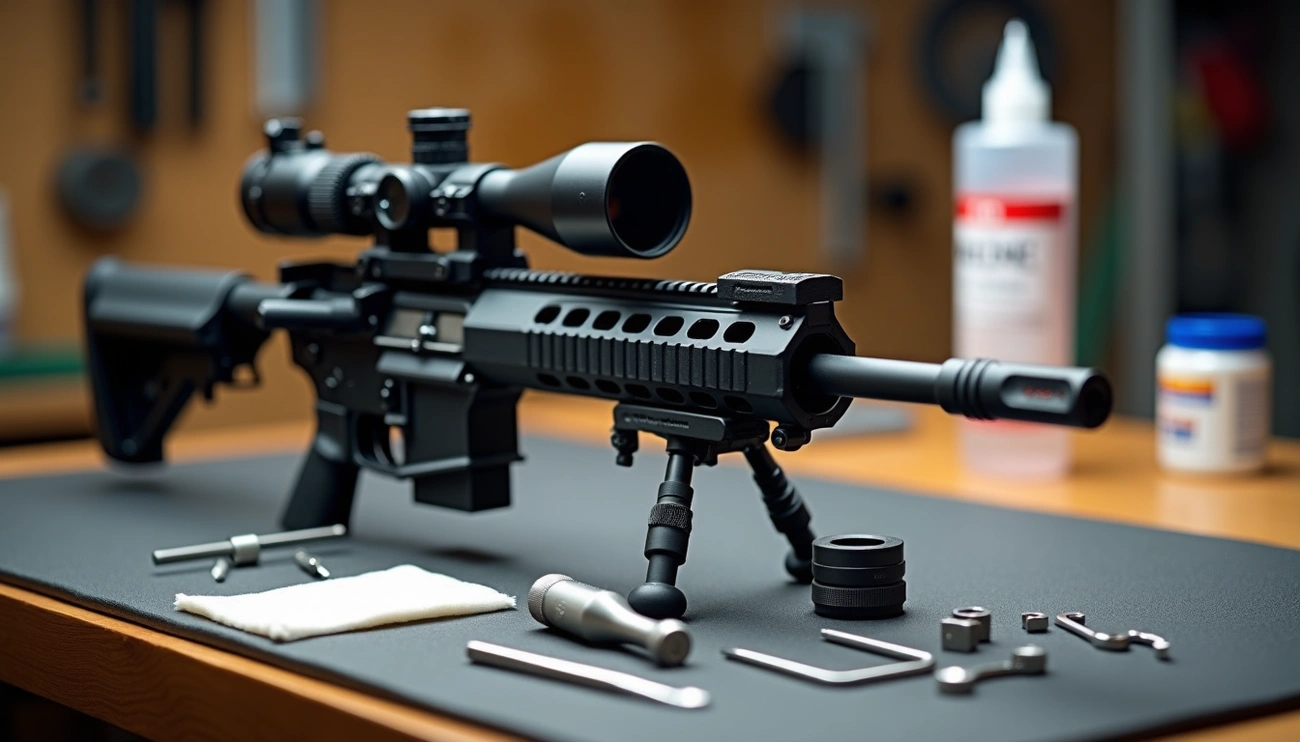
Lastly, muzzleloaders demand more rigorous maintenance than modern firearms. Black powder and many substitutes are highly corrosive. Failure to clean your muzzleloader thoroughly after use can result in misfires, corroded parts, and expensive repairs.
The breech plug requires special attention—it must be removed and cleaned to prevent seizure to the barrel. This maintenance extends beyond occasional cleaning; it’s an essential routine after each use to ensure reliability and longevity.
Muzzleloader vs rifle: which is better for hunting?
When comparing muzzleloaders and rifles for hunting effectiveness, several key factors come into play that determine which option might better suit your specific hunting needs.
Accuracy and effective range comparison
Modern muzzleloaders can achieve impressive accuracy, with quality models capable of shooting one-inch groups at 100 yards. In contrast, the effective hunting range of muzzleloaders typically extends to about 100-150 yards, unlike conventional rifles that remain effective beyond 200 yards. This difference stems from the slower velocities and heavier projectiles characteristic of muzzleloaders, creating a more arched trajectory that affects precision at distance.
Ease of use and reload speed
The practical logistics of loading and firing are much slower with muzzleloaders, making follow-up shots almost impossible in most hunting scenarios. Essentially, this slower reload time forces hunters to make their first shot count. Rifles offer the advantage of quick magazine changes or chambering another round almost instantly.
Ammunition availability and cost
Rifle ammunition is typically more accessible, though often more expensive. A cost comparison reveals muzzleloader rounds can be more economical—approximately $0.53 per shot compared to $0.76-$0.99 for popular rifle cartridges. Actually, hunters who cast their own balls can reduce costs even further to about $0.40 per shot.
Safety and legal considerations
Muzzleloaders require additional safety precautions, including never smoking nearby and properly handling powder to prevent accidental explosions. Many states restrict high-powered rifles in certain areas due to safety concerns about long-range missed shots, making muzzleloaders a practical alternative.
How to choose the best hunting muzzleloader for your needs
Selecting the perfect hunting muzzleloader starts with honest assessment of your specific needs rather than blindly following trends. First and foremost, your decision should align with practical hunting considerations.
Consider your hunting environment
The terrain and typical shot distances in your hunting area should dictate your choice. For hunters pursuing game in dense brush where 50-75 yard shots are common, a basic model like the Thompson Center Impact provides adequate performance. In contrast, if you anticipate longer shots in open country, consider specialized models like the Remington 700 Ultimate Muzzleloader or CVA Paramount, both capable of ethical shots at 200-300 yards.
Match the muzzleloader to your skill level
Beginners should start with modern inline muzzleloaders, which are more user-friendly and reliable. These firearms ensure more dependable firing while reducing misfires and hangfires. Traditional sidelock rifles, although available, demand substantially more practice and can prove unreliable in harsh weather conditions.
Evaluate modern vs traditional models
When comparing options, remember that inlines typically cost less than traditional counterparts. Above all, inlines shoot farther, more accurately, and are significantly easier to clean. Good budget-friendly options include the CVA Wolf V2 and the Traditions Buckstalker XT, both offering excellent performance at ranges of 150-200 yards.
Check local hunting regulations
Prior to purchase, thoroughly review your state’s muzzleloader regulations. These rules vary dramatically between states—some restrict scope use, ignition systems, or powder types. Many states like Idaho and Oregon have specific requirements regarding what constitutes a legal muzzleloader for hunting seasons. Most importantly, understanding these regulations beforehand prevents disappointing discoveries after your purchase.
Conclusion
Choosing between a muzzleloader and a conventional rifle ultimately comes down to your personal hunting style and objectives. Muzzleloaders certainly offer distinct advantages that many hunters find appealing. Most compelling evidence points to the extended seasons and special hunting opportunities as primary reasons to consider these traditional firearms. Additionally, the satisfaction of making that single, well-placed shot creates a more authentic and rewarding hunting experience.
However, muzzleloaders require significant trade-offs. The limited effective range—typically 100-150 yards compared to 200+ yards for rifles—demands superior stalking skills and patience. Furthermore, the slower reload process essentially makes each hunt a one-shot affair, forcing us to become more disciplined marksmen. The increased maintenance requirements also mean we must commit to thorough cleaning after each use.
Modern inline muzzleloaders have undoubtedly closed the performance gap with conventional rifles, especially regarding accuracy at moderate ranges. Still, rifles maintain clear advantages for hunters who value simplicity, range, and follow-up shot capability.