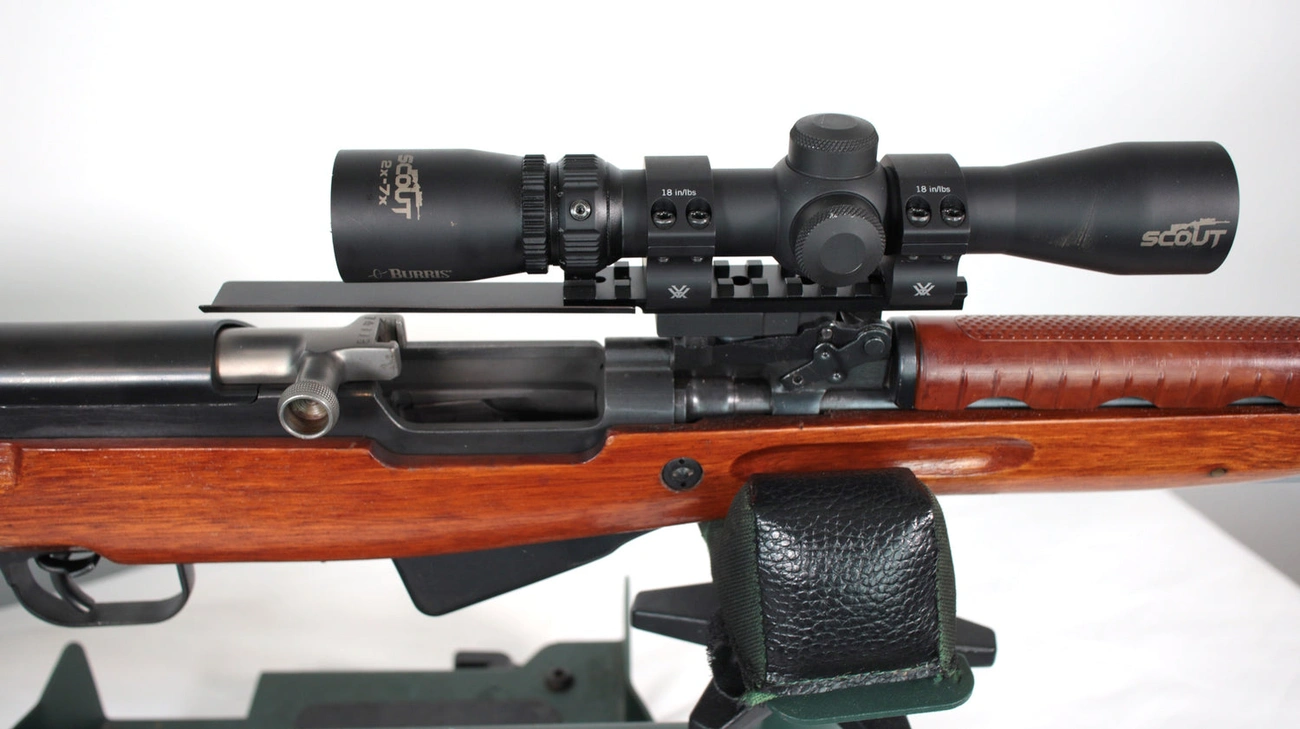
Yes, you can put a rifle scope on a crossbow if it has a Picatinny or Weaver rail. However, it is not recommended because rifle scopes are designed for faster bullets and longer distances. Crossbow scopes use specialized reticles to match bolt drop and deliver accurate results at closer ranges.
Why Rifle Scopes Aren’t Ideal for Crossbows
Most hunters looking to repurpose their existing gear often wonder about mounting rifle scopes on crossbows. However, fundamental differences between these weapons create serious incompatibilities worth understanding.
Recoil direction and its impact on optics
Unlike rifles that generate rearward recoil, crossbows produce a distinctive forward recoil motion. This forward-moving energy creates what experts call “reverse recoil.” Consequently, when you fire a crossbow, the limbs snap forward, pushing energy in the opposite direction of traditional firearms.
This reverse recoil pattern can damage rifle scopes not specifically designed to handle this motion. Moreover, many rifle scopes have internal mechanisms calibrated for traditional recoil direction, making them vulnerable when subjected to crossbow firing patterns over time.
Differences in projectile speed and trajectory
Perhaps the most significant compatibility issue involves the dramatically different projectile characteristics. Rifle bullets travel at velocities ranging from 2,000-4,000 feet per second, whereas crossbow bolts typically move at just 300-450 feet per second.
Due to this speed disparity, crossbow projectiles follow a much more pronounced arched trajectory compared to rifle bullets. Furthermore, this slower speed means crossbow bolts experience:
- Greater influence from gravity
- More susceptibility to wind drift
- Steeper drop over distance
Therefore, using a rifle scope designed for flatter trajectories often results in inaccurate aiming points beyond close ranges.
Reticle calibration mismatch
Standard rifle scopes feature reticles (crosshairs) calibrated for bullet trajectories and velocities. Additionally, most rifle scope reticles lack the specialized features needed for accurate crossbow shooting.
Proper crossbow scopes include:
- Multiple aim points calibrated for specific distances
- Reticles specifically designed for arrow drop compensation
- Speed-rated configurations matched to crossbow velocities
Even high-quality rifle scopes rarely account for the substantial drop that arrows experience past 30 yards. Subsequently, trying to mentally adjust for this mismatch becomes frustratingly difficult, especially during hunting situations when quick, accurate shots matter most.
Considering these incompatibilities, despite the temptation to save money by using existing rifle optics, investing in a purpose-built crossbow scope ultimately provides better accuracy, proper calibration, and optimal performance for your crossbow hunting needs.
Hidden Risks of Using Rifle Scopes on Crossbows
Beyond the compatibility issues with rifle scopes on crossbows, there are several serious hidden risks that could cost you both money and accuracy in the field.
Scope damage from reverse recoil
Mounting a rifle scope on your crossbow exposes it to forces it simply wasn’t designed to handle. Slow-motion videos of crossbows being fired reveal shocking amounts of flexing that’s hard to believe until you see it. First and foremost, crossbows produce what experts call “reverse recoil” – a forward motion opposite to what rifle scopes are built to withstand. This reverse direction places enormous stress on internal scope components.
The damage occurs gradually yet inevitably. On most crossbows, the picatinny rail is only supported at one end, meaning it wobbles and flexes during firing, creating twisting stresses on the scope. One hunter reported that his Bushnell rifle scope functioned perfectly for about 500 shots on his rifle, yet suffered eye bell loosening after just 30 shots when mounted on his crossbow.
Loss of zero and accuracy issues
As a direct result of this incompatible recoil pattern, rifle scopes typically develop accuracy problems when used on crossbows. The primary issue involves crosshairs coming loose from the adjusting knobs. Essentially, you might turn the windage adjustment fully left then fully right without the crosshair moving at all.
Other hunters notice their once-precise optic suddenly producing unexplained windage errors. Instead of tight groupings, shots begin landing in unpredictable patterns. Generally speaking, this zero loss occurs because the internal components weren’t engineered for the unique multi-directional forces crossbows generate. As one experienced shooter noted, “A scope that won’t hold zero is less than useless. It damages your shooting psyche and destroys your subconscious confidence in making the kill shot”.
Warranty voids and manufacturer warnings
Perhaps the most telling evidence comes from the manufacturers themselves:
- Swarovski explicitly warns users to “NEVER use one of their scopes on a crossbow,” stating it will void the warranty
- Kahles similarly advises against mounting their scopes on crossbows
- Leupold representatives reportedly laugh off concerns, stating their scopes will work fine
Nonetheless, regardless of what some manufacturers claim, many experts recommend only using scopes specifically designated for crossbows. The general consensus seems to be that any scope under approximately $300 is considered “cheap” and more likely to fail under crossbow stresses. Ultimately, saving money initially by repurposing a rifle scope often leads to greater expenses when that scope fails at the worst possible moment.
What Makes Crossbow Scopes Different
Specialized crossbow scopes offer custom features built specifically for archery’s unique demands. Unlike rifle optics, these purpose-designed scopes provide precision features that standard rifle scopes simply lack.
Speed compensation and arrow drop reticles
Crossbow scopes excel primarily through speed-calibrated reticles that match your crossbow’s velocity. Many models feature speed selectors allowing adjustment for crossbows shooting between 250-450 feet per second. This calibration creates unsurpassed accuracy with holdover points at exact 10-yard intervals from 20-100 yards. Indeed, some advanced models like the TenPoint EVO-X Marksman Elite provide variable speed and arrow drop-compensation settings for crossbows shooting between 380-550 FPS.
Illumination and low-light performance
Given that most hunting occurs at dawn or dusk, quality crossbow scopes feature dual illumination options. The XBR-2 reticle, for instance, comes equipped with both red and green illumination for accuracy in low light. Coupled with multi-coated lenses that enhance clarity and reduce glare, these features ensure optimal visibility when light is scarce. As many hunters note, “If you’ve ever tried to line up a crosshair against a dark animal in fading light,” illumination makes all the difference.
Crossbow scope mounts and compatibility
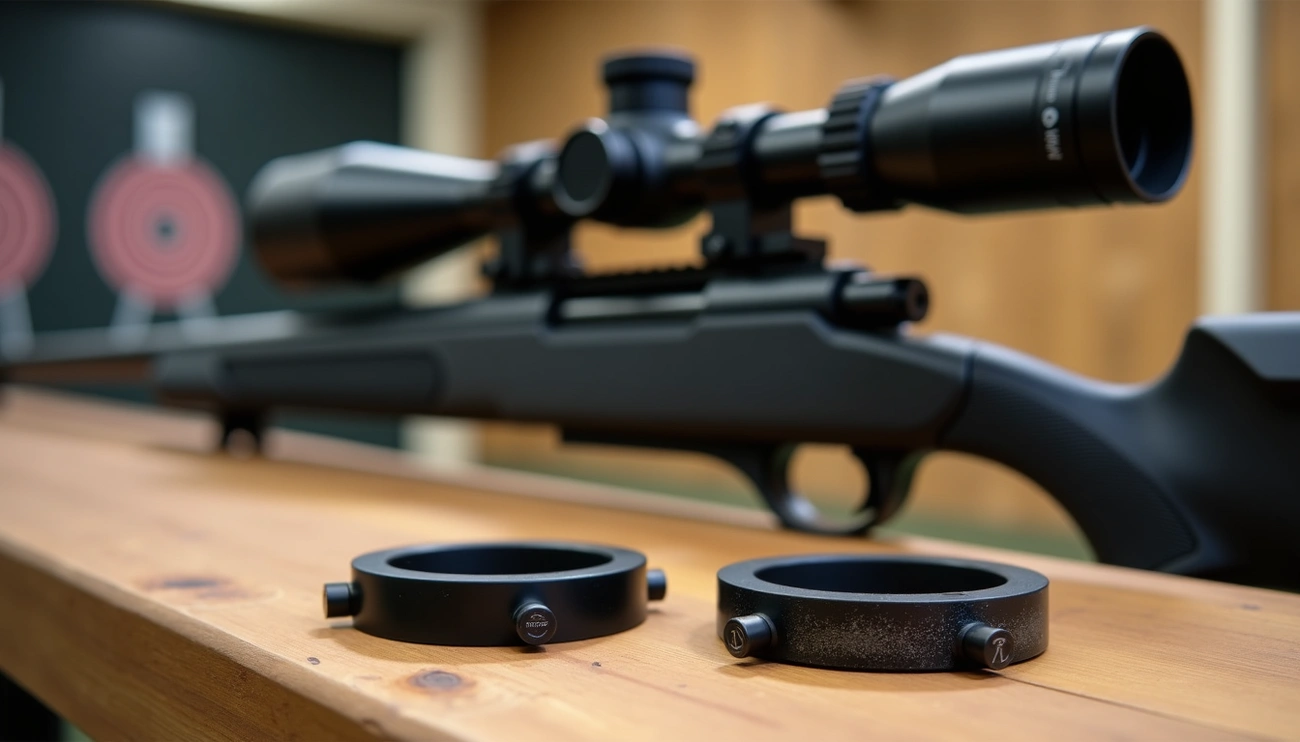
Proper mounting remains critical for crossbow accuracy. Most scopes come with Picatinny or Weaver-style rings, but verification before purchase is essential. Meanwhile, some models include 30mm rings with a height of 1.1″ (28mm). For optimal results, scopes should be mounted perfectly level, with crosshairs aligned horizontally and vertically to the crossbow’s rail.
Better Scope Options for Crossbows
After exploring why rifle scopes aren’t suitable for crossbows, let’s examine purpose-built alternatives that offer optimal performance without risking damage to your equipment.
1. Vortex Crossfire II
The Vortex Crossfire II stands out as an excellent value option with 2-7x magnification and a 32mm objective lens. Its XBR-2 BDC dual illuminated reticle is calibrated for a 40-yard zero with holdover points extending to 100 yards. Accordingly, the fully multi-coated lenses deliver bright, clear sight pictures even in challenging conditions. Notably, this 14-ounce scope includes flip caps and rings right out of the box.
2. Ravin Illuminated Scope
Ravin’s Illuminated Scope features variable speed settings for crossbows shooting between 300-425 FPS. The reticle offers nine aiming dots calibrated for 20-100 yards with red and green illumination options for improved visibility during dawn and dusk hunts. Presently, this scope is available for both standard and high-speed crossbow models up to 550 FPS.
3. Garmin Xero X1i with rangefinder
Uniquely, the Garmin Xero X1i combines a 3.5x magnification scope with an auto-ranging laser that measures distances up to 250 yards to game and 500 yards to reflective targets. This sophisticated unit automatically calculates precise aim points based on your crossbow’s speed and arrow configuration. Essentially, it eliminates the need for a separate rangefinder while weighing just 1.9 pounds.
4. TruGlo Compact (budget option)
At under $100, the TruGlo 4x32mm Compact Crossbow Scope offers remarkable value. This fixed 4x magnification scope features a range finder/BDC reticle for quick distance estimation. Straightaway, you’ll appreciate the 4-inch eye relief and aircraft-grade aluminum construction that’s fog-proof, water-resistant, and shock-resistant.
5. TenPoint EVO-X Marksman Elite
The TenPoint EVO-X Marksman Elite provides variable 2-8x magnification with both red and green illumination options. Its innovative reticle configuration consists of illuminated dots and crosshairs from 20-70 yards, plus non-illuminated chevrons out to 100 yards. Furthermore, the external micro-adjustable turrets make windage and elevation adjustments effortless for unmatched long-range accuracy.
Conclusion
Mounting a rifle scope on your crossbow might seem like a cost-effective solution, but this approach carries significant risks that outweigh any potential savings. Crossbows generate unique forward recoil patterns that standard rifle scopes simply weren’t designed to withstand. Additionally, the dramatic differences in projectile speed and trajectory between rifles and crossbows make rifle scopes fundamentally incompatible with accurate crossbow shooting.
Most telling, perhaps, are the warnings from manufacturers themselves. Many premium optics companies explicitly state that using their rifle scopes on crossbows voids warranties. This stance reflects the reality that internal components can suffer damage from the reverse recoil forces, eventually leading to frustrating accuracy issues and loss of zero.
Specialized crossbow scopes offer features specifically engineered for archery applications. These purpose-built optics provide speed-calibrated reticles matched to arrow velocities, appropriate arrow drop compensation, and illumination options for low-light hunting conditions. The five recommended options we examined range from budget-friendly choices to advanced models with integrated rangefinders, giving every crossbow hunter viable alternatives.