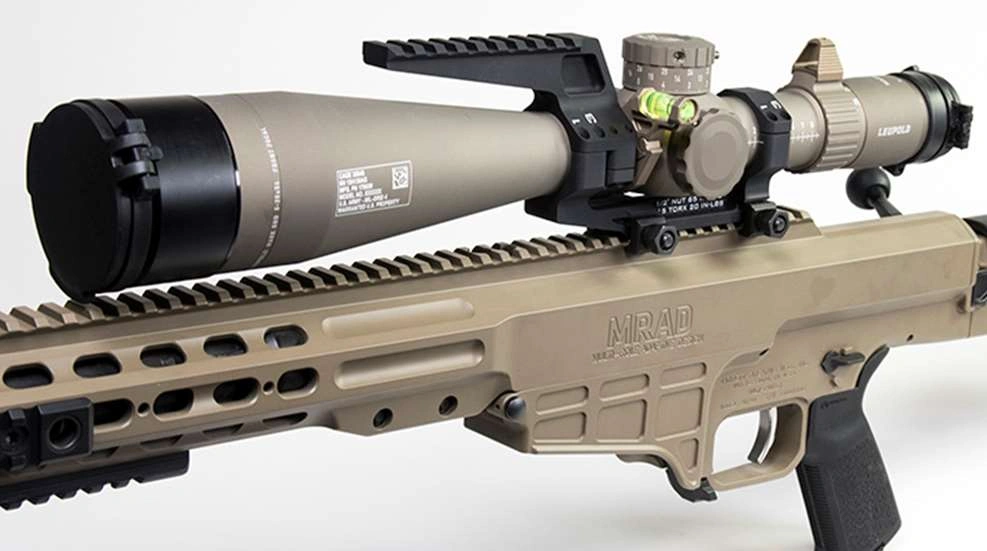
The military uses rifle scopes such as the Trijicon ACOG, Leupold Mark 5HD, and advanced systems like the Vortex XM-157. Common optics include LPVOs for general combat, high-magnification scopes for sniping, and red dot or holographic sights like Trijicon RMR and EOTech, depending on mission and weapon system. Close-Quarters Combat […]
Yearly Archives: 2026
104 posts
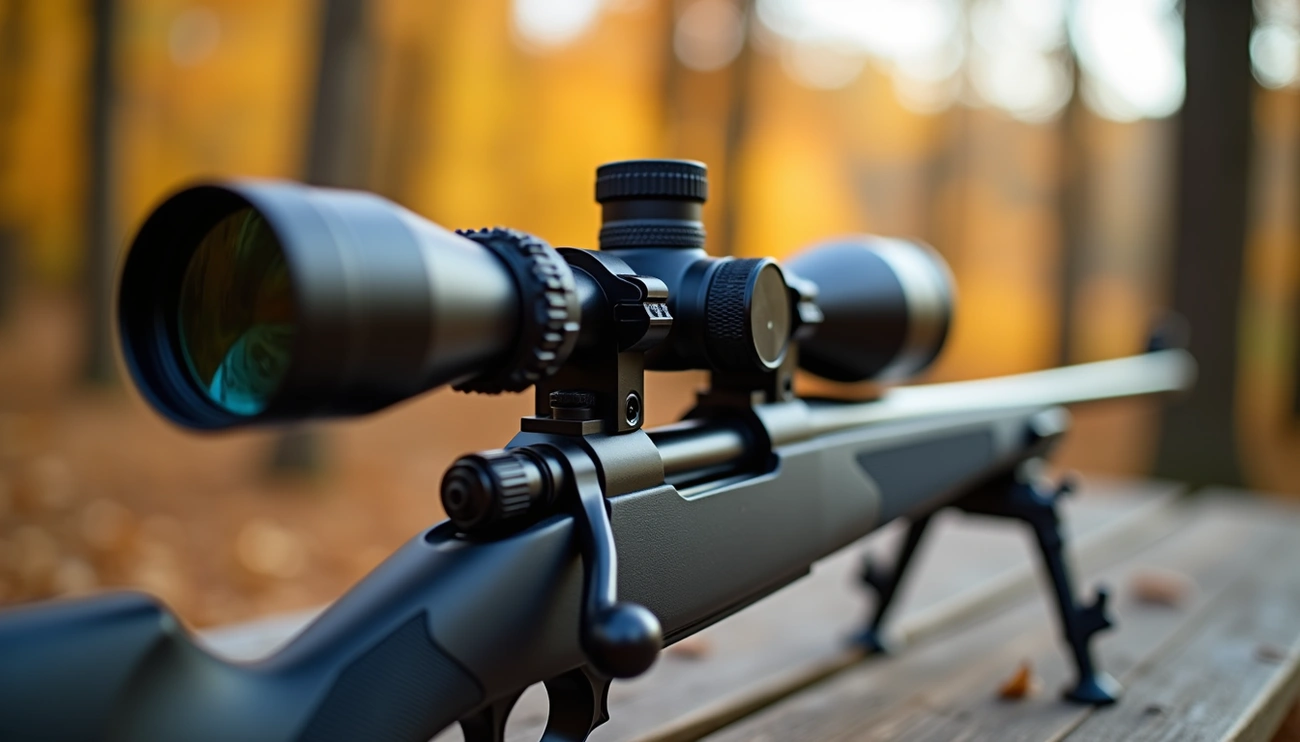
Choose a rifle scope for deer hunting by prioritizing low-light clarity, durability, and versatile magnification. A 3-9x40mm or 3-9x50mm scope is the standard choice. A 3-9x zoom balances close shots in thick cover and longer shots in open fields, while a 30mm tube improves dawn and dusk light transmission.” Understand […]
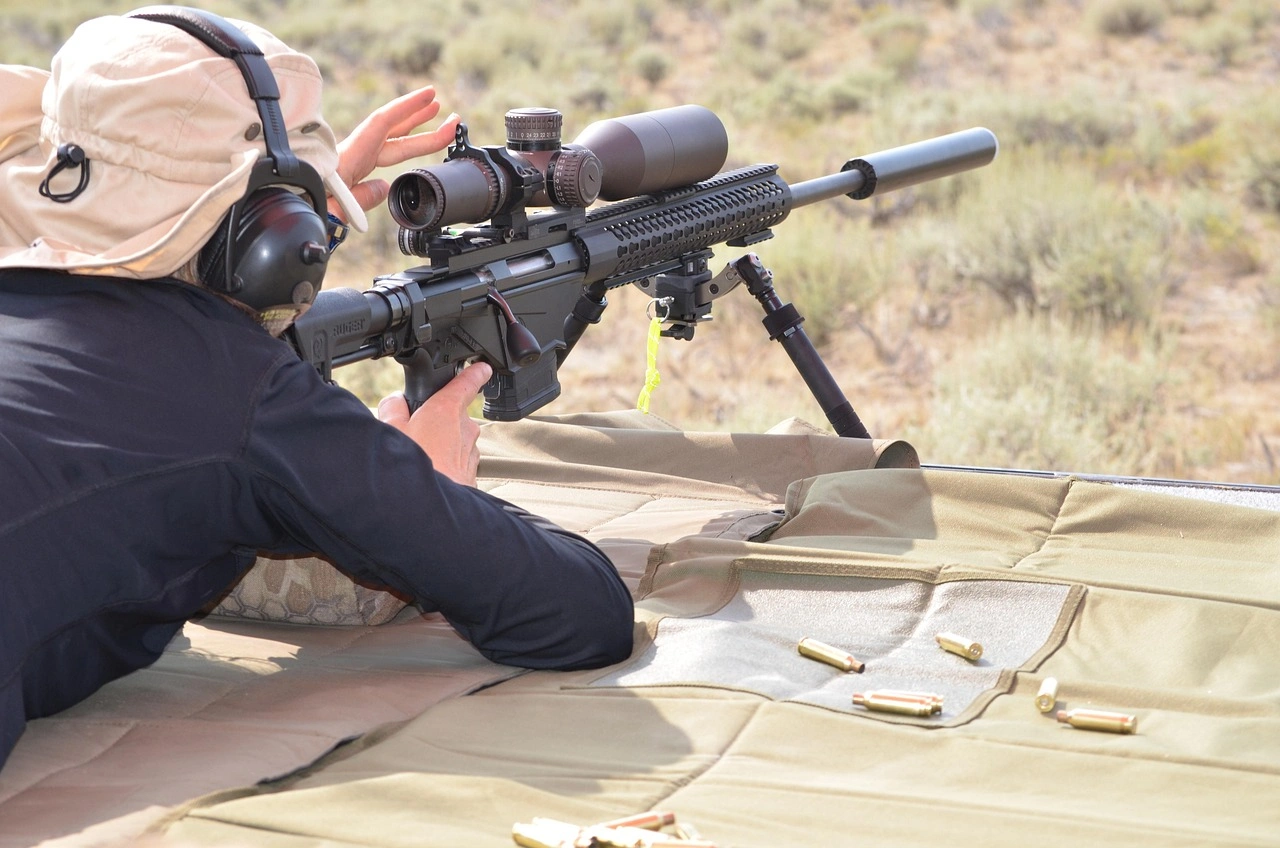
The best long range rifle scope for 2025–2026 is the Zero Compromise Optic 5-27×56 for elite precision. Top alternatives include the Nightforce ATACR 7-35×56 and Vortex Razor HD Gen III 6-36×56 for tracking and durability. Choose the Leupold Mark 5HD 5-25×56 for lighter weight and balanced performance. What qualifies as […]
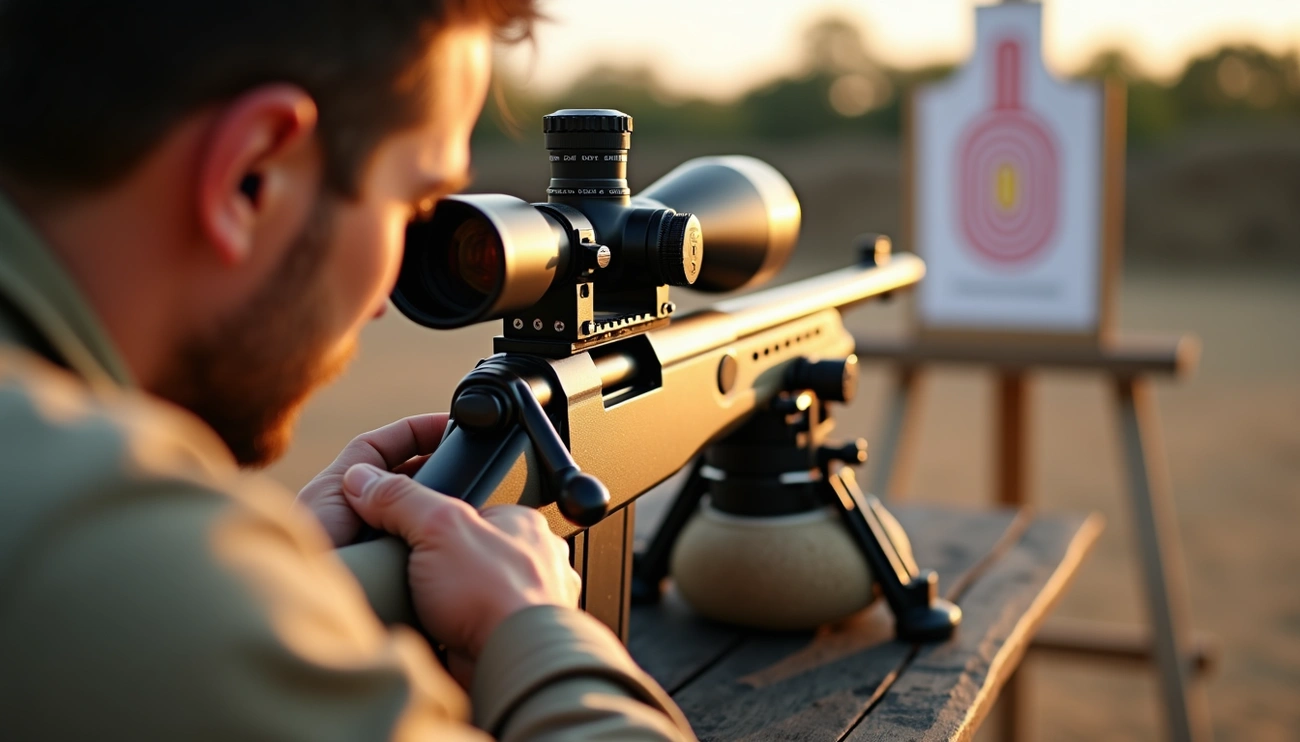
Calibrate a rifle scope by mounting it securely, bore sighting for initial alignment, and shooting groups to adjust the turrets. Turn windage and elevation turrets until the point of aim matches the point of impact. Finalize calibration by setting the turrets to zero and confirming reticle alignment. Understand Your Scope […]
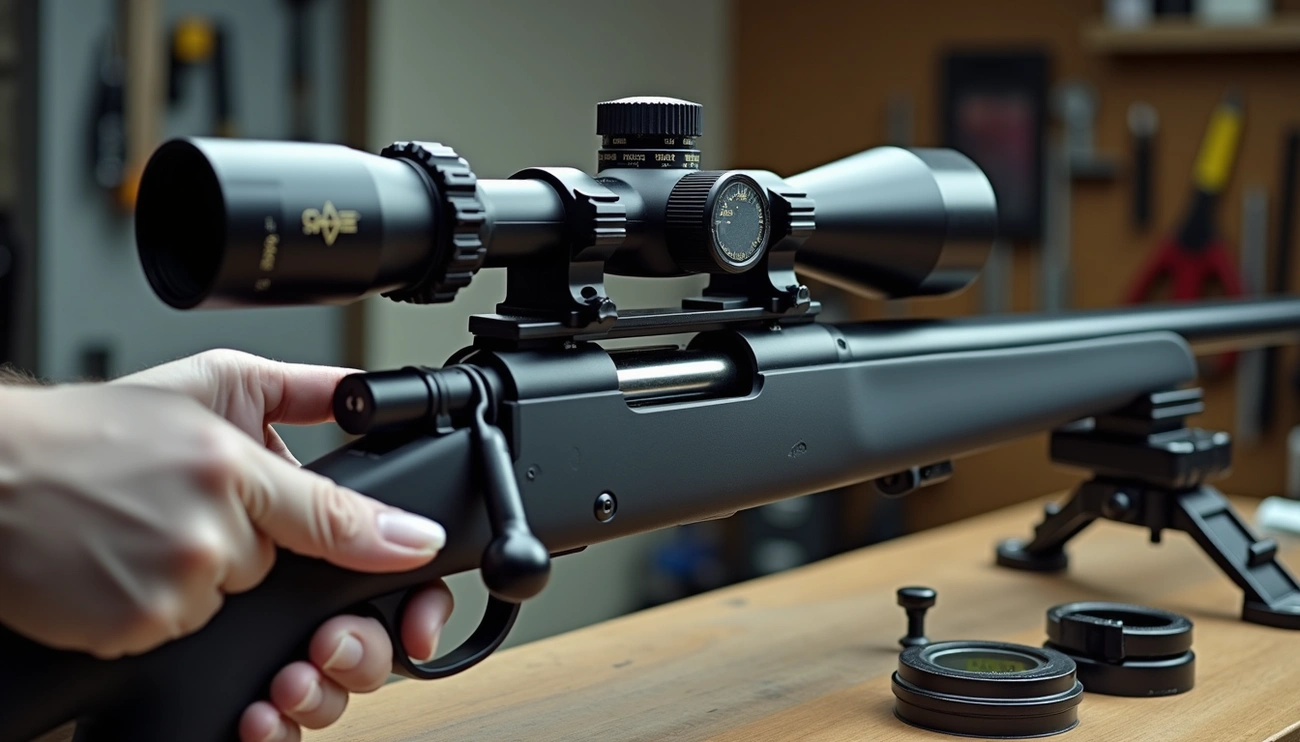
Measure rifle scope height as the distance from the center of the bore to the center of the scope tube, typically 1.5–2.5 inches. Use calipers to measure from the top of the receiver to the bottom of the scope tube, then add half the bolt diameter and half the scope […]
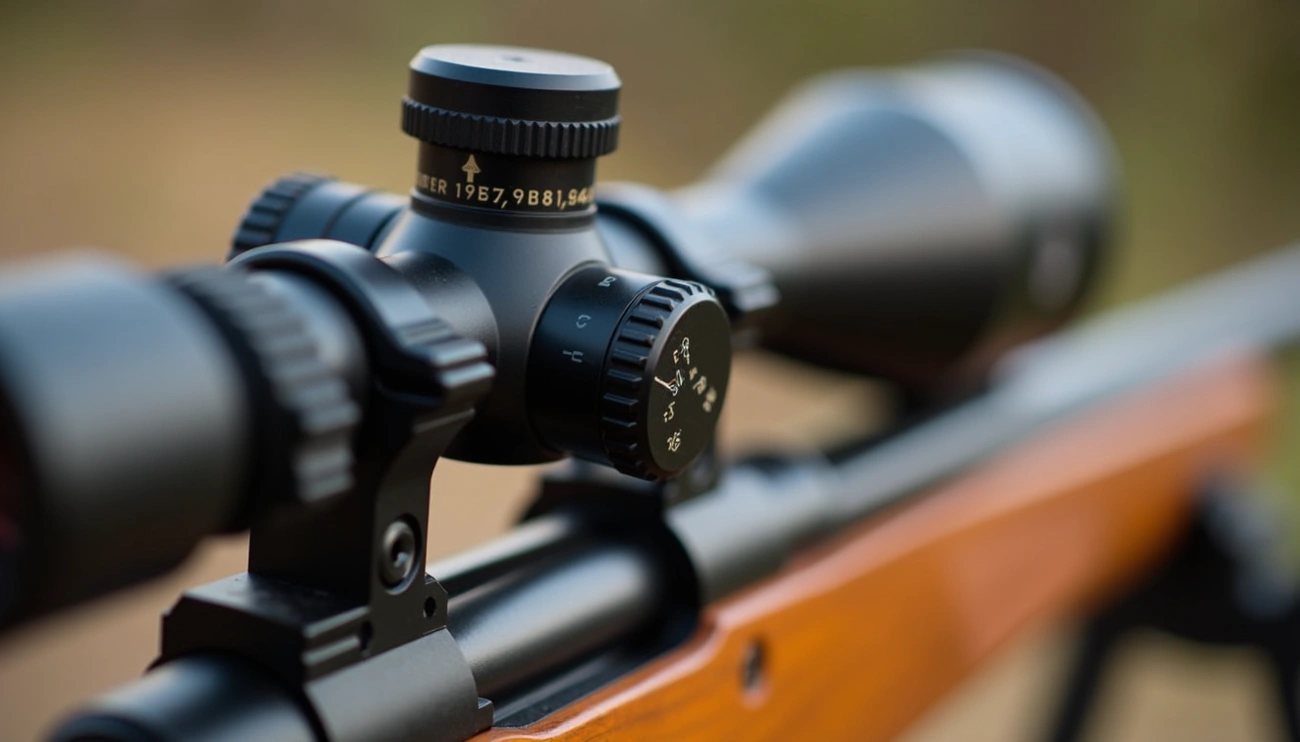
Parallax in a rifle scope is an optical error where the reticle and target are on different focal planes. This misalignment causes the reticle to appear to move when your eye shifts, reducing accuracy at varying distances. Shooters correct parallax using adjustable objective lenses or side focus knobs. What is […]
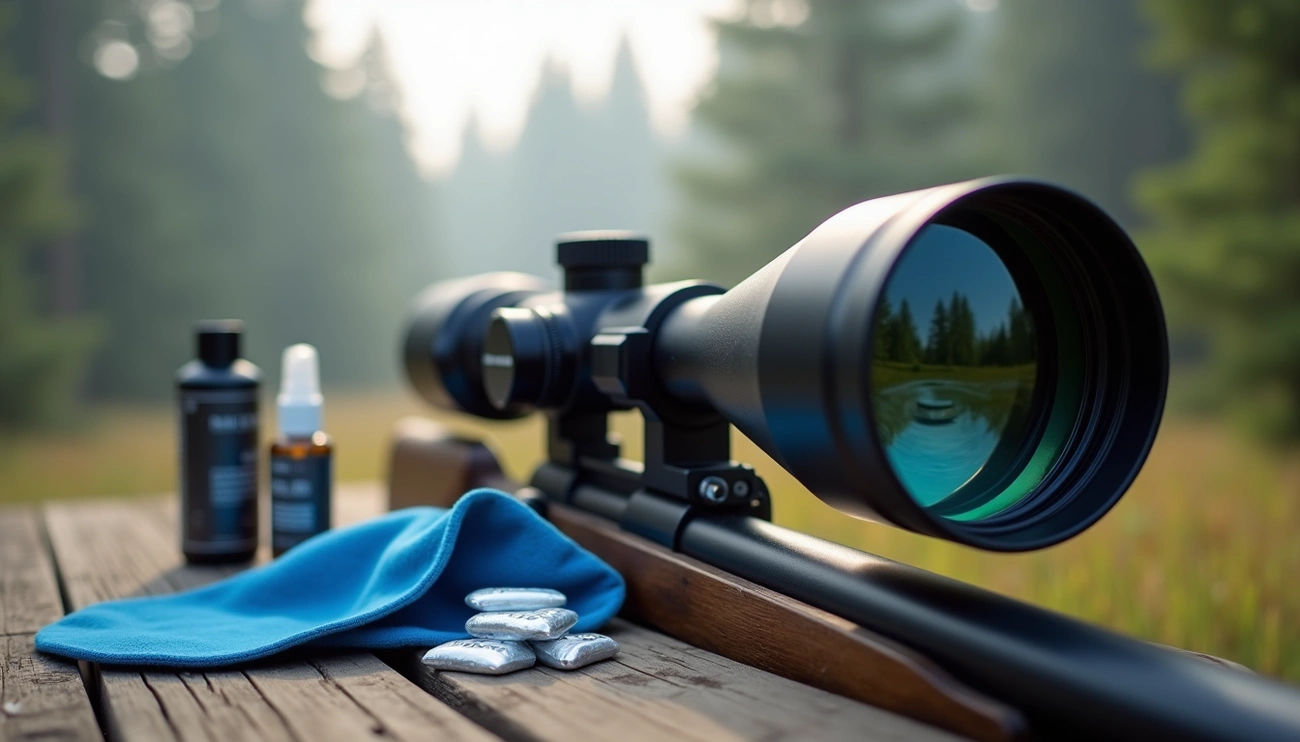
Keep a rifle scope from fogging up by managing temperature changes and moisture exposure. Allow the scope to acclimate before use, use lens covers to block humidity, and apply anti-fog sprays or wipes to exterior lenses. For long-term prevention, store the rifle in a dry, climate-controlled environment. Identify the Type […]
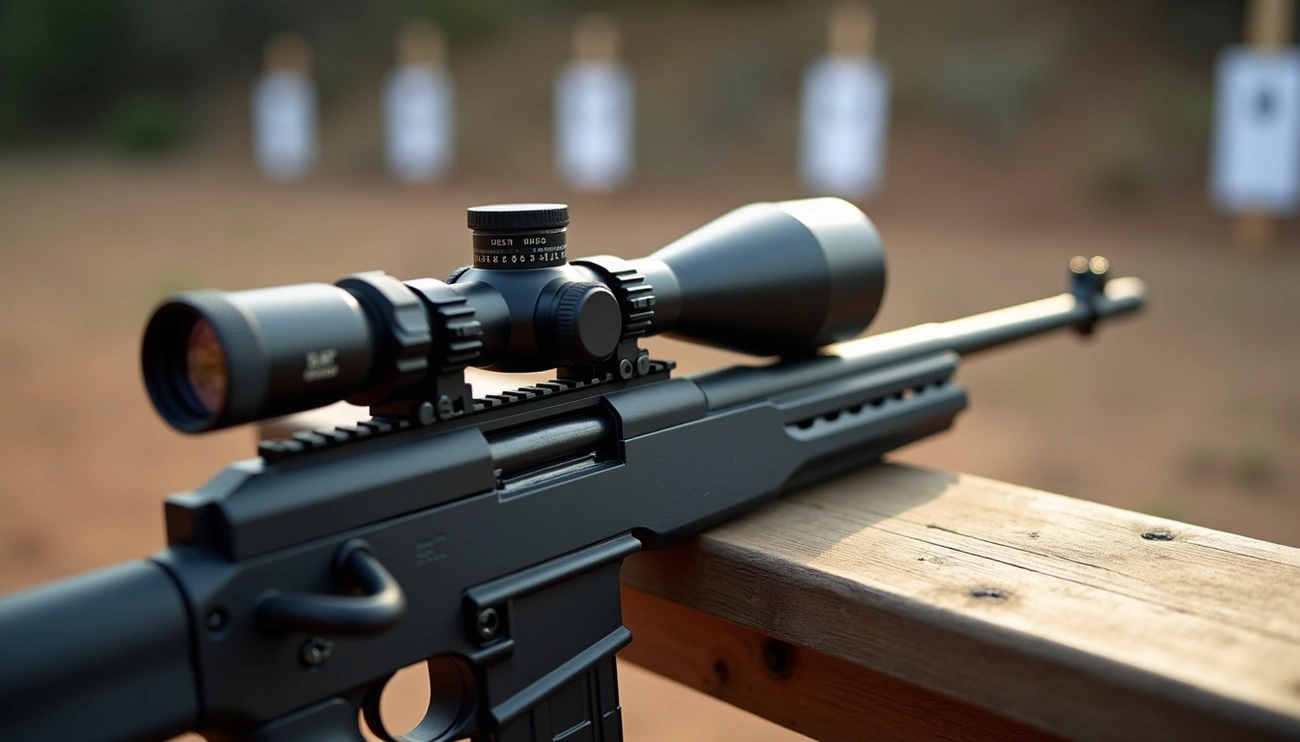
Rifle scope numbers show magnification and objective lens size. Read them in a “magnification × lens diameter” format, such as 3-9×40. The first numbers indicate zoom range from 3x to 9x power. The second number, 40, shows the objective lens diameter in millimeters, which affects light gathering. Understanding Scope Numbers […]
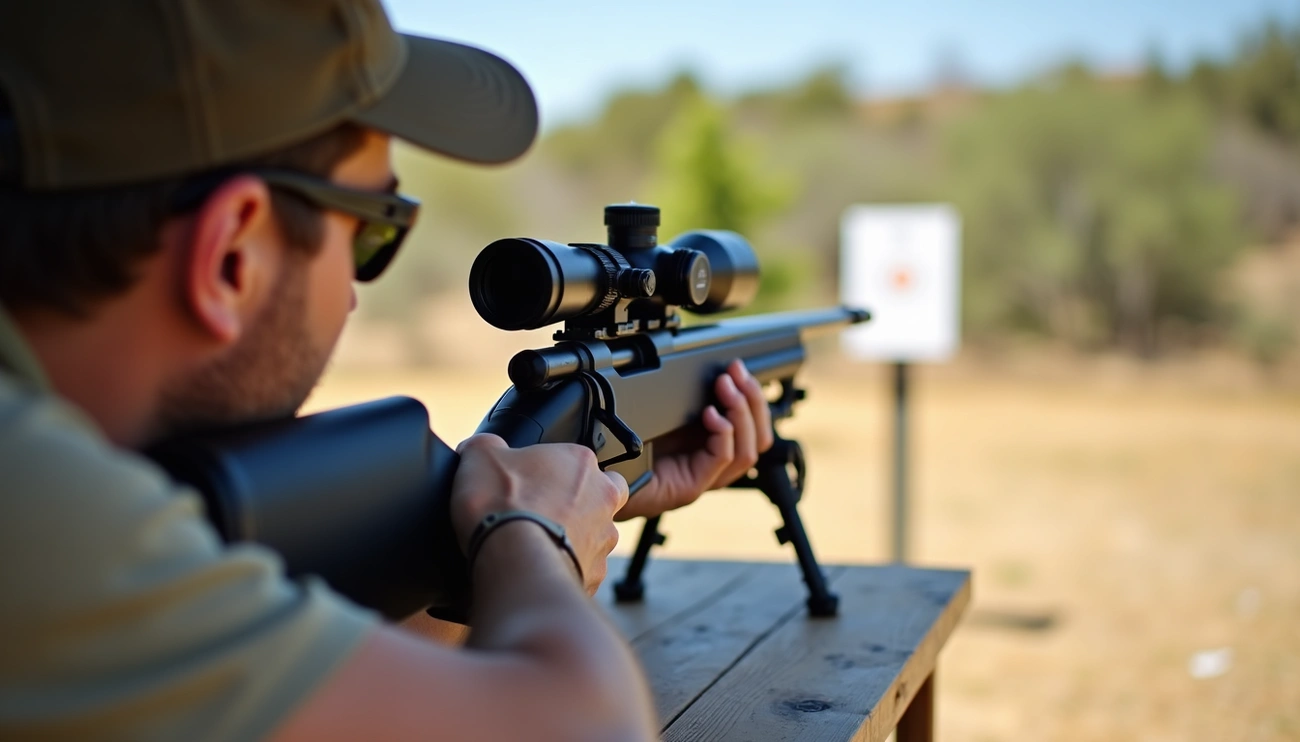
Zero a rifle scope by aligning the reticle with the bullet’s point of impact, usually at 100 yards. Start from a stable shooting position, bore sight to get on target, fire a group, then adjust elevation and windage turrets until the group centers on your aiming point. Why Zeroing Matters […]
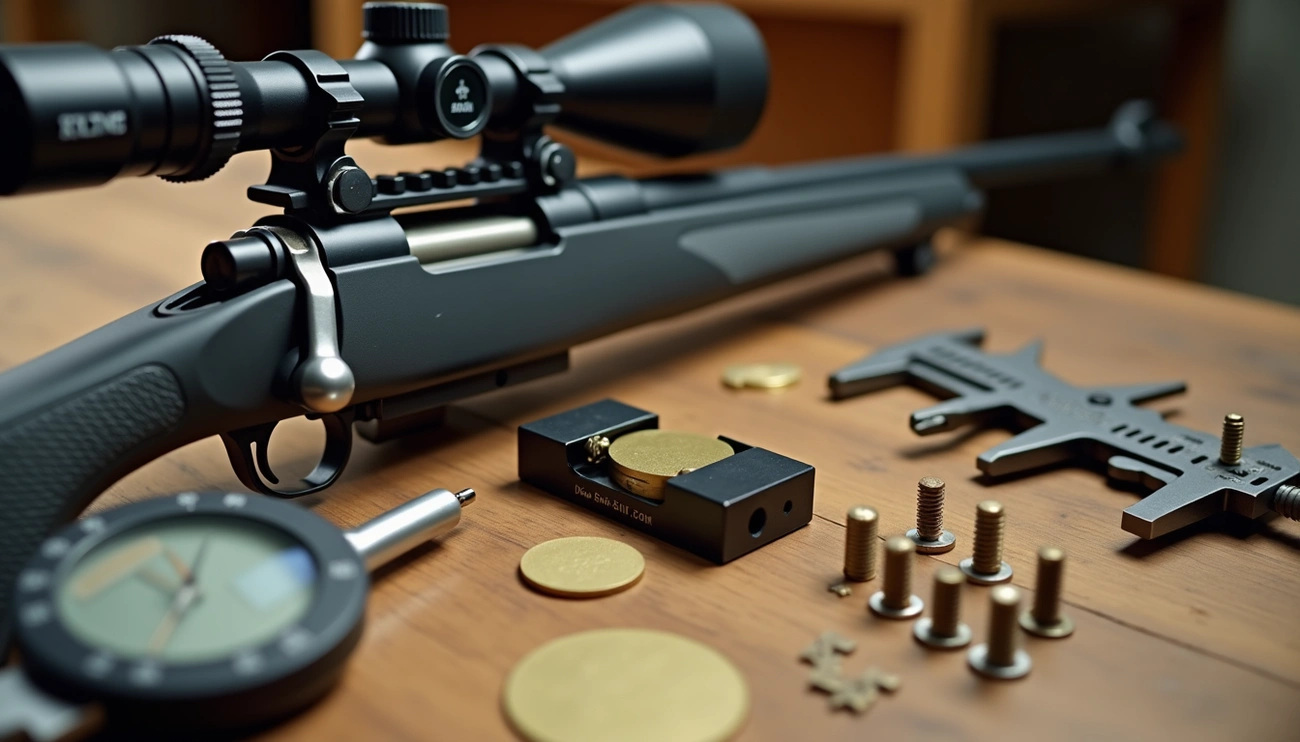
Shim a rifle scope by placing thin material, such as plastic or aluminum shims, under the scope base or rings to correct alignment when you run out of elevation or windage. A rear shim lowers point of impact, while a front shim raises point of impact. Adjustable mounts provide a […]