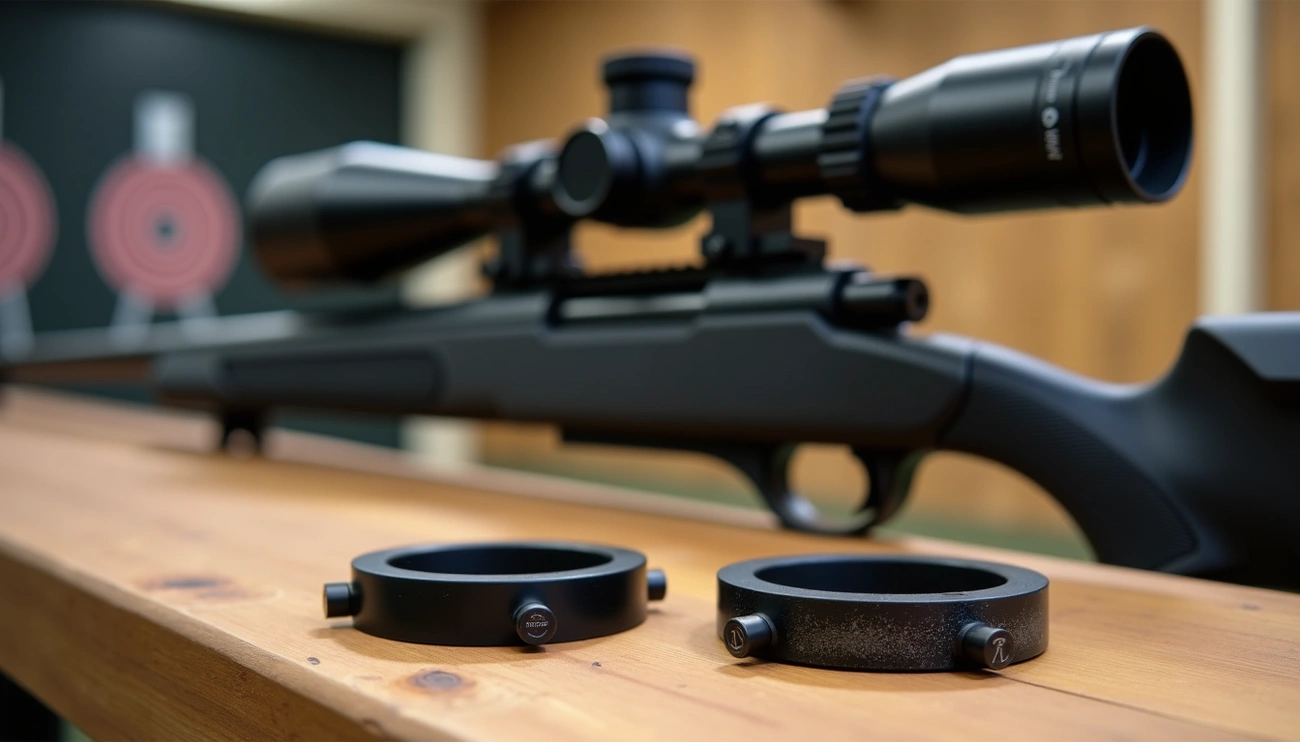
Air rifles are hard on scopes because spring-piston air rifles generate a violent double-recoil. The rifle first recoils backward, then snaps sharply forward when the piston slams home. This bidirectional shock stresses scope internals designed for one-directional firearm recoil, often causing reticle, lens, or mount failure. Why air rifles are […]
Yearly Archives: 2026
199 posts
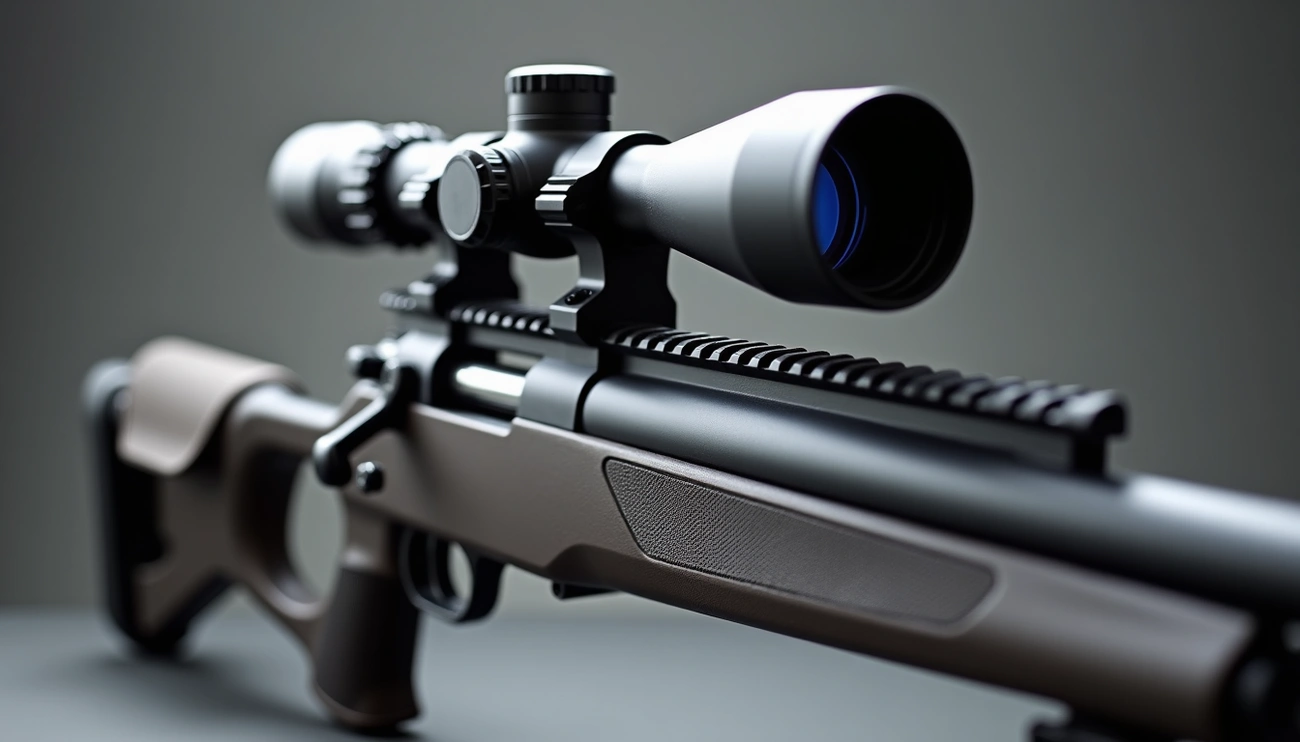
Scopes sit high on bullpup air rifles to create a proper cheek weld and eye alignment. Bullpup designs place the rail low relative to the shooter’s eye, so higher mounts improve ergonomics, clear large objective lenses, allow magazine access, and support accurate trajectory calculations. Why bullpup rifles need different scope […]
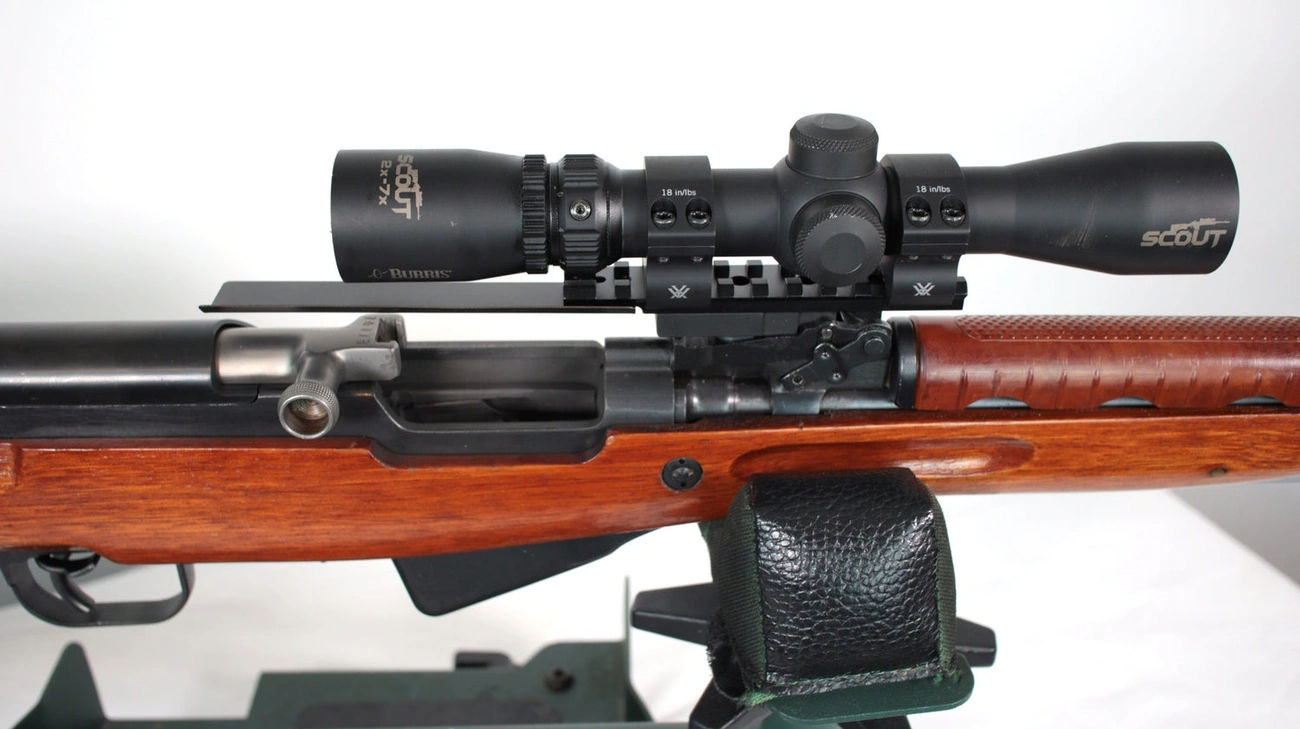
The scope on a scout rifle sits forward of the action to enable fast, both-eyes-open shooting. This position preserves peripheral awareness, keeps the action clear for rapid stripper-clip reloading, improves balance, and prevents the scope from striking the shooter’s brow during recoil. The Origin of the Forward Mounted Scope The […]
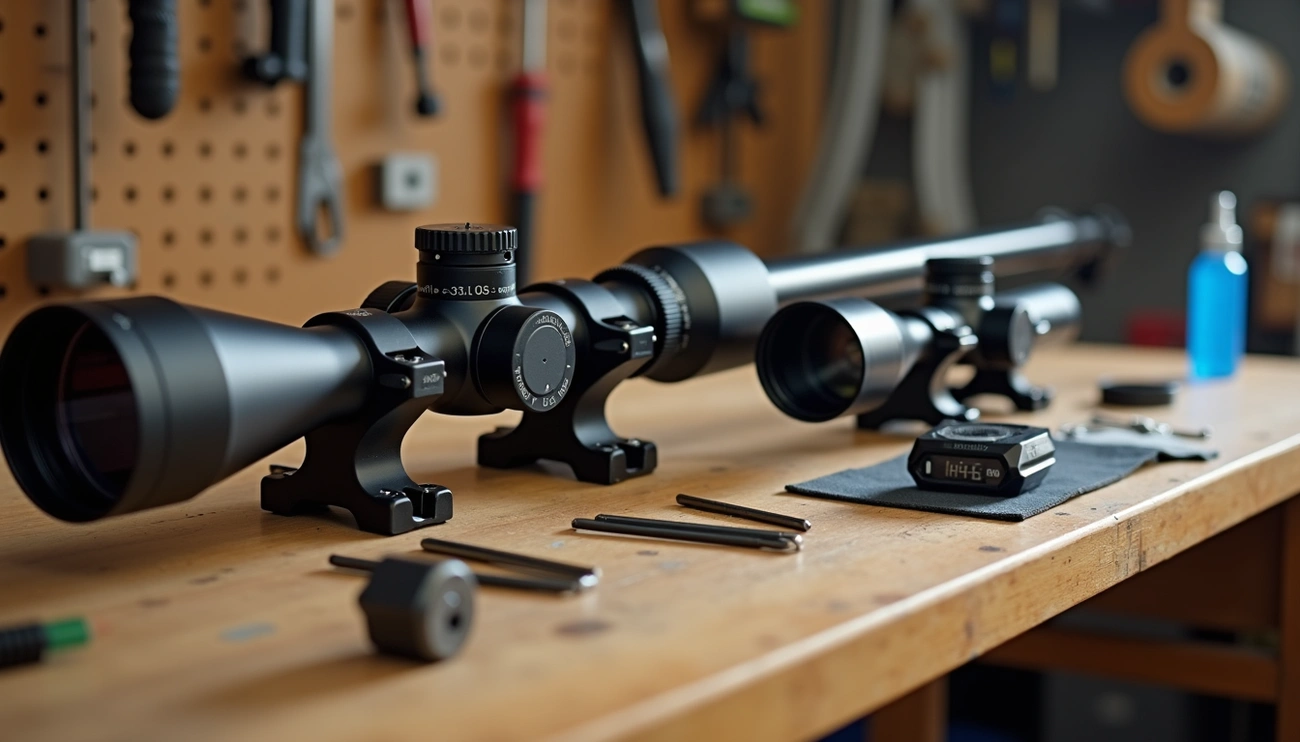
Yes, an over-tightened scope on a rifle can get foggy, especially internally. Excessive torque on scope rings can deform the scope tube, causing seal failure. When seals fail, nitrogen or argon gas escapes and moisture enters, leading to internal fogging. Can You Over Tighten a Rifle Scope? Many rifle owners […]
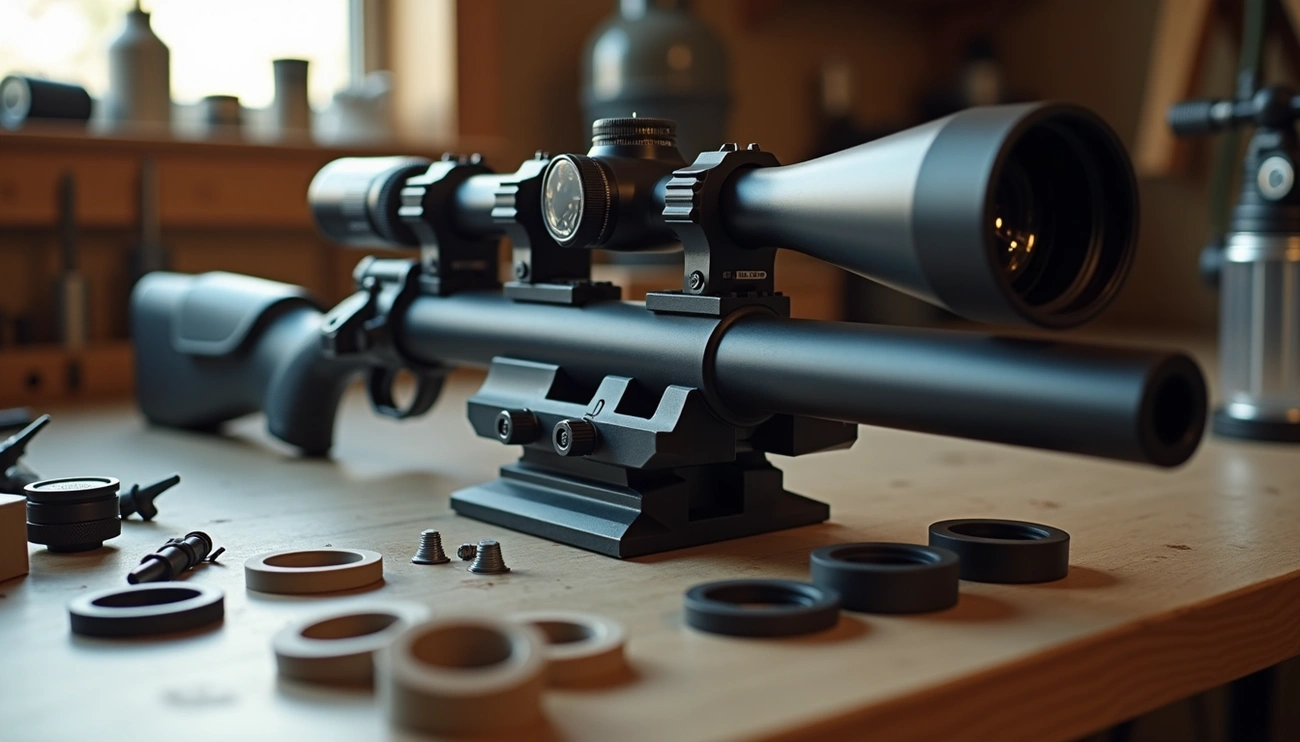
Yes, a rifle scope can be Cerakoted to change color or improve durability, but the process requires professional application. Gunsmiths use low-temperature H-Series (150–180°F) or air-cure C-Series Cerakote to prevent damage to internal seals, lenses, and electronics. Can a Rifle Scope Be Cerakoted? Rifle scopes absolutely can be Cerakoted, but […]
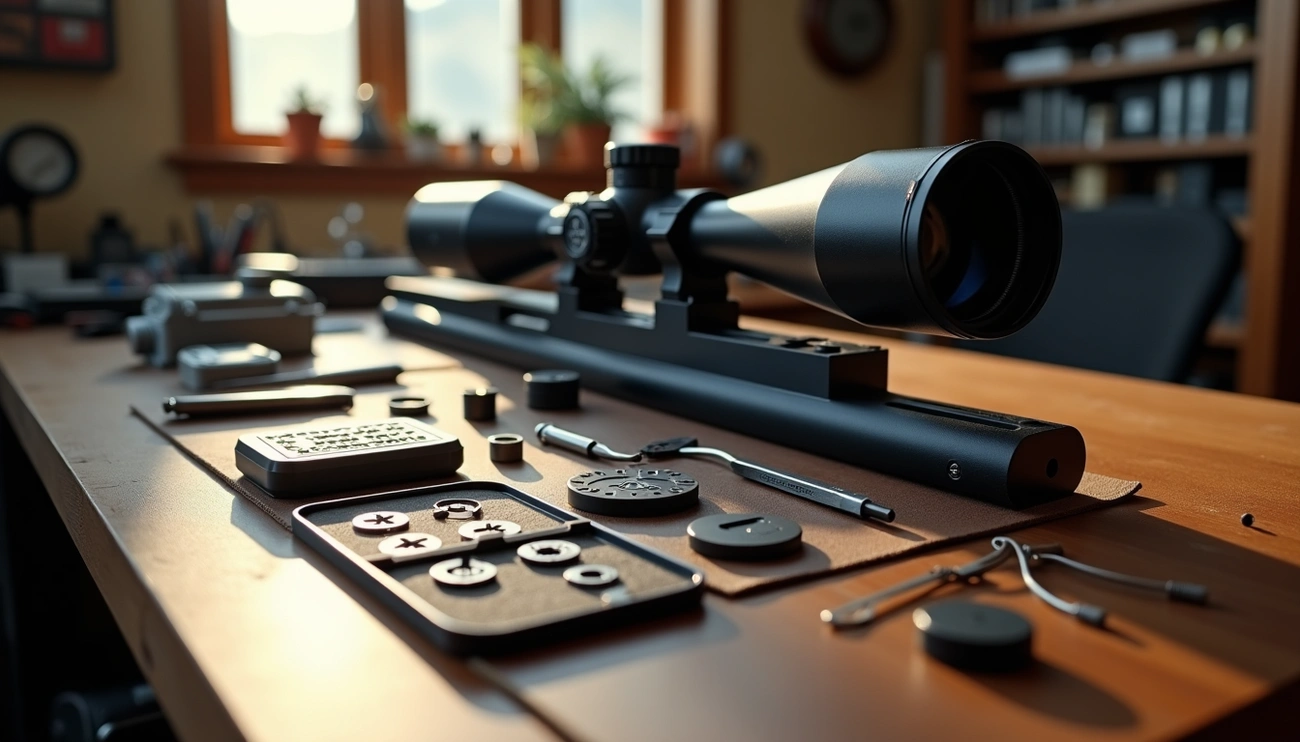
Yes, a rifle scope reticle can be changed, but the process requires a manufacturer or professional custom shop. Reticle replacement is not a DIY task due to precision alignment requirements. Costs usually range from $175 to over $700, which often makes buying a new scope more cost-effective. Can You Change […]
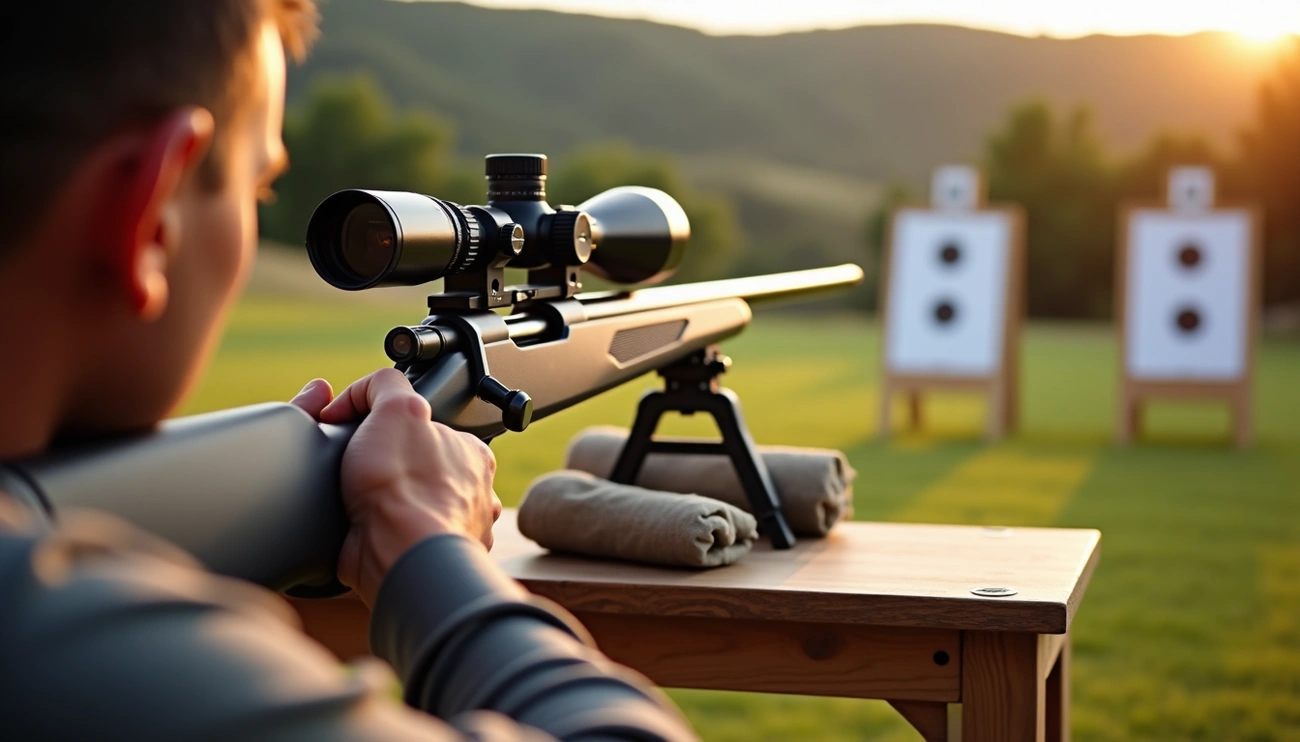
Yes, you can sight in a rifle scope at 100 feet (33 yards). At this distance, bullets impact close to the point of aim. For a 100-yard zero, set the point of impact about 1–2 inches below the target center to account for bullet trajectory. Is 100 Feet a Good […]
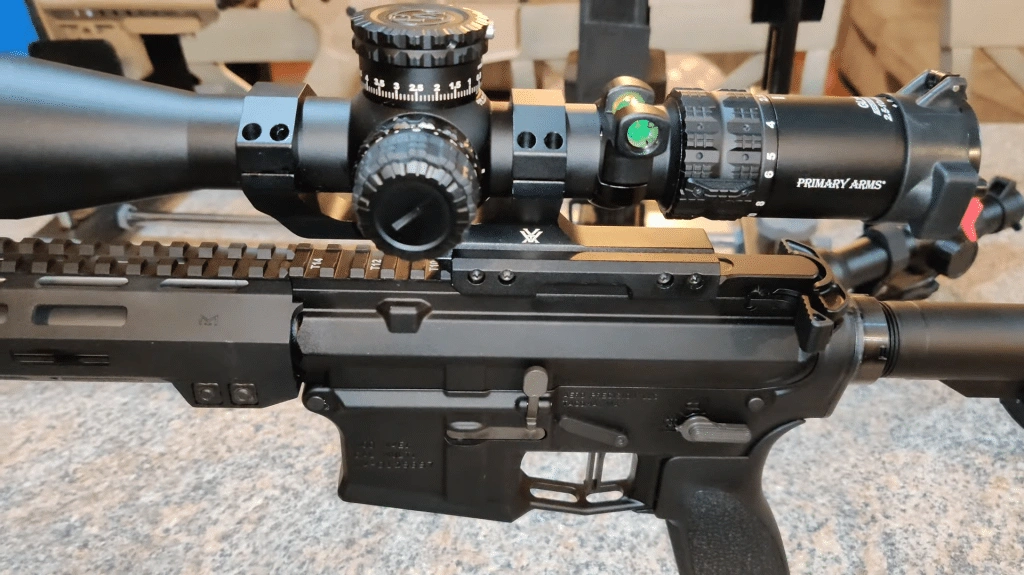
Rifle scope mounts are cantilevered to push the optic forward for proper eye relief on short, flat-top receivers like AR-15s. This forward offset ensures a natural cheek weld, maintains zero accuracy, and prevents mounting the scope across the receiver and handguard, which can cause alignment and stability issues. What is […]
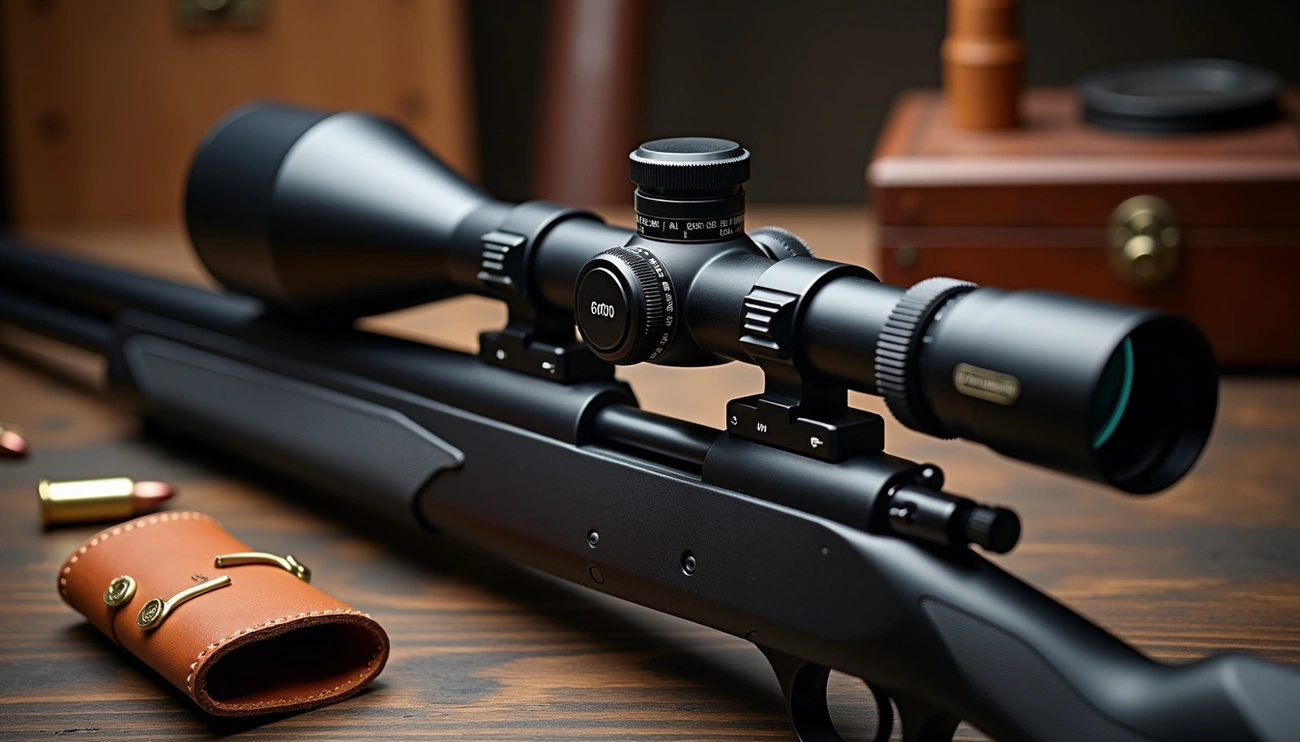
The numbers on a rifle scope indicate magnification and objective lens size. The first number shows how much the target is magnified, while the second number shows the objective lens diameter in millimeters. For example, 3–9×40 means variable magnification from 3x to 9x with a 40 mm objective lens. Understanding […]